
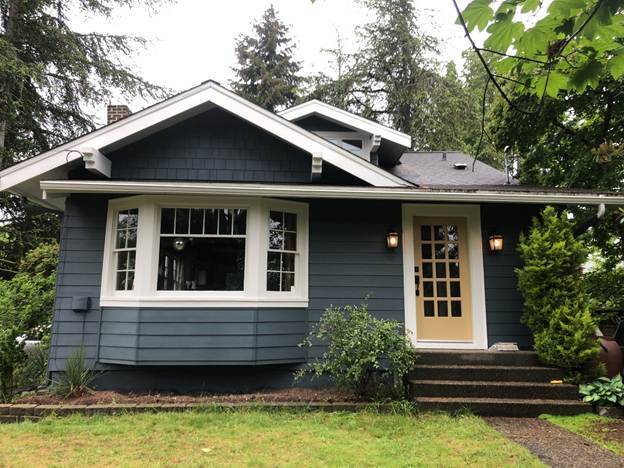
James Hardie Siding Replacement
Replacing your home's siding is one of the biggest investments you can make in your property. New siding doesn't just improve your home’s exterior appeal; it also protects it from the elements, increases energy efficiency, and can significantly boost resale value.
However, many homeowners underestimate the planning required for a replacement project. From budgeting and choosing materials to preparing your home and hiring the right contractor, making informed decisions can save you money and prevent costly mistakes.
At Pacific Exteriors, we understand that every home has unique challenges based on the climate, age, and design. With more than 15 years of experience serving homeowners across the country, our team has guided homeowners through every stage of the siding replacement process, from selecting the right siding material and understanding warranties to preparing for installation and protecting their investment.
Planning an exterior update?
Request free siding or roofing samples to help narrow down your choices.
7 Important Factors to Consider Before Replacing Your Siding
Replacing your siding requires more than choosing a new color or material.
Homeowners should focus on:
- Creating a realistic budget
- Selecting a siding system that fits their climate
- Understanding warranty coverage
- Hiring an experienced contractor to ensure proper installation
.
Planning ahead can help prevent costly surprises, including hidden structural repairs, unexpected upgrades, and future maintenance issues. By choosing durable materials, considering long-term costs, and preparing your home for construction, you can protect your investment and enjoy a siding system that improves your home's appearance, performance, and value for years to come.
1. The Longer You Wait, the More You Risk
It's understandable why many homeowners put off replacing their siding.
Material and labor costs have historically risen over time due to inflation, supply chain disruptions, and increasing demand for skilled labor. While prices can fluctuate from year to year, they rarely decrease enough to make waiting financially beneficial.
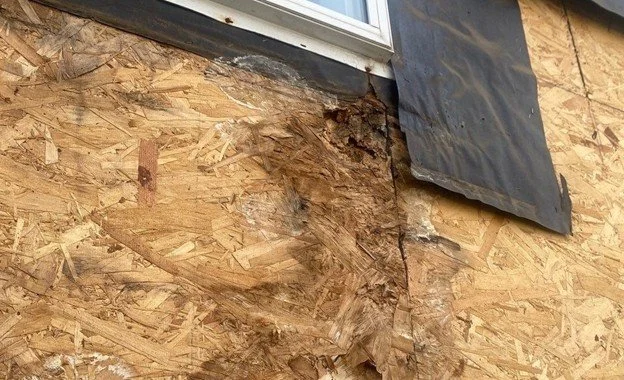
What may start as a few cracked boards, loose panels, or deteriorated caulking can eventually lead to:
- Sheathing rot
- Mold and mildew growth
- Structural damage
- Higher energy bills
If your siding is already showing signs of failure, postponing your project could cost substantially more in the long run. Without a doubt, the longer damaged siding remains in place, the greater the chance that moisture can reach the underlying structure, turning what may have been a straightforward replacement into a much larger repair project.
2. Leave Room in Your Budget for the Unexpected
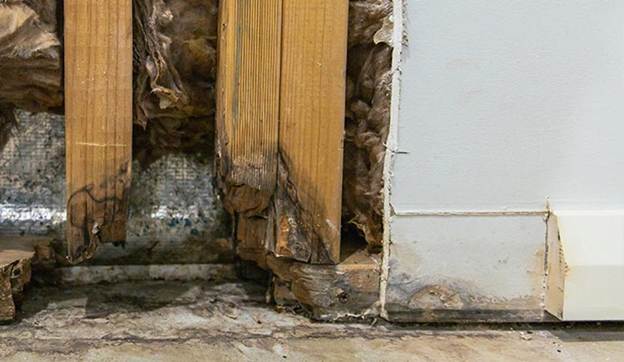
One of the biggest mistakes homeowners make is budgeting only for the contractor's initial estimate. While a siding quote covers the planned scope of work, it doesn't always include the possible issues that may be hidden behind your existing siding.
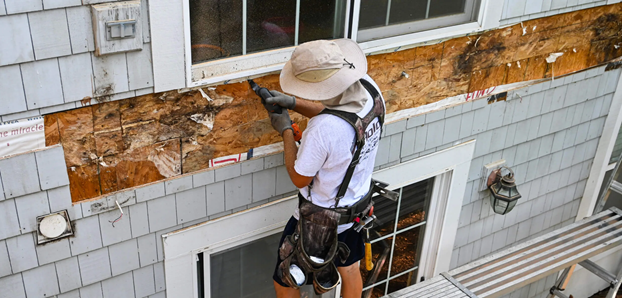
Once the old siding is removed, contractors occasionally discover underlying problems that couldn't be seen during the inspection process. These problems can include:
Rotten or deteriorated sheathing: Can weaken over time due to recurrent moisture exposure or previous leaks. Damaged sheathing often cannot properly support new siding and may need to be replaced before installation can continue.
Damaged framing: Contractors can uncover deteriorated studs, framing that has shifted over time, or structural damage caused by long-term exposure to the elements. These issues need to be corrected to ensure the new siding system has a solid foundation.
Improper weatherproofing: Improperly installed weather barriers and flashing can compromise your home's ability to shed water, increasing the likelihood of rot, mold, and long-term structural issues.
Mold and mildew growth: Damages insulation, sheathing, and other components. Any affected materials typically need to be removed and replaced before new siding is installed.
Insect damage: Termites, carpenter ants, and other wood-destroying insects can weaken structural components over time. Depending on the extent of the damage, repairs may range from replacing a few sections of wood to more extensive structural work.
These repairs are necessary before new siding can be installed properly. These issues should be addressed before new siding is installed to ensure the new siding system has a stable, long-lasting foundation.
Homeowners also frequently decide to make upgrades or design changes once their project is in progress. For example, you may choose to:
- Install upgraded weather barriers or rainscreen systems
- Replace outdated fascia, soffits, or exterior trim
- Upgrade insulation to improve energy efficiency
- Choose a longer-lasting finish or premium color options
While these upgrades can increase the project cost, they often improve your home's durability, curb appeal, and long-term value.
Because of this, many contractors recommend setting aside an additional 10% to 20% of your total project cost. Having a financial cushion gives you the flexibility to address unexpected structural repairs and make valuable upgrades without putting unnecessary strain on your finances or delaying the project.
3. Choose a Siding Material Designed for Your Environment
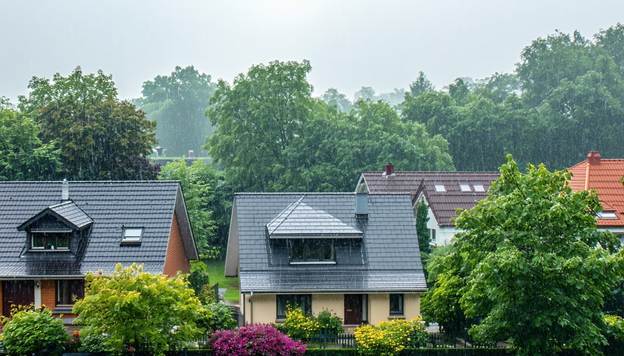
Not all siding materials perform the same in every environment. The best siding for your home depends on your local climate and the amount of maintenance you're willing to take on if the material isn’t meant for it. Moreover, a material that performs exceptionally well in one region may struggle in another, which is why it's important to consider how your siding will hold up against your area's weather conditions.
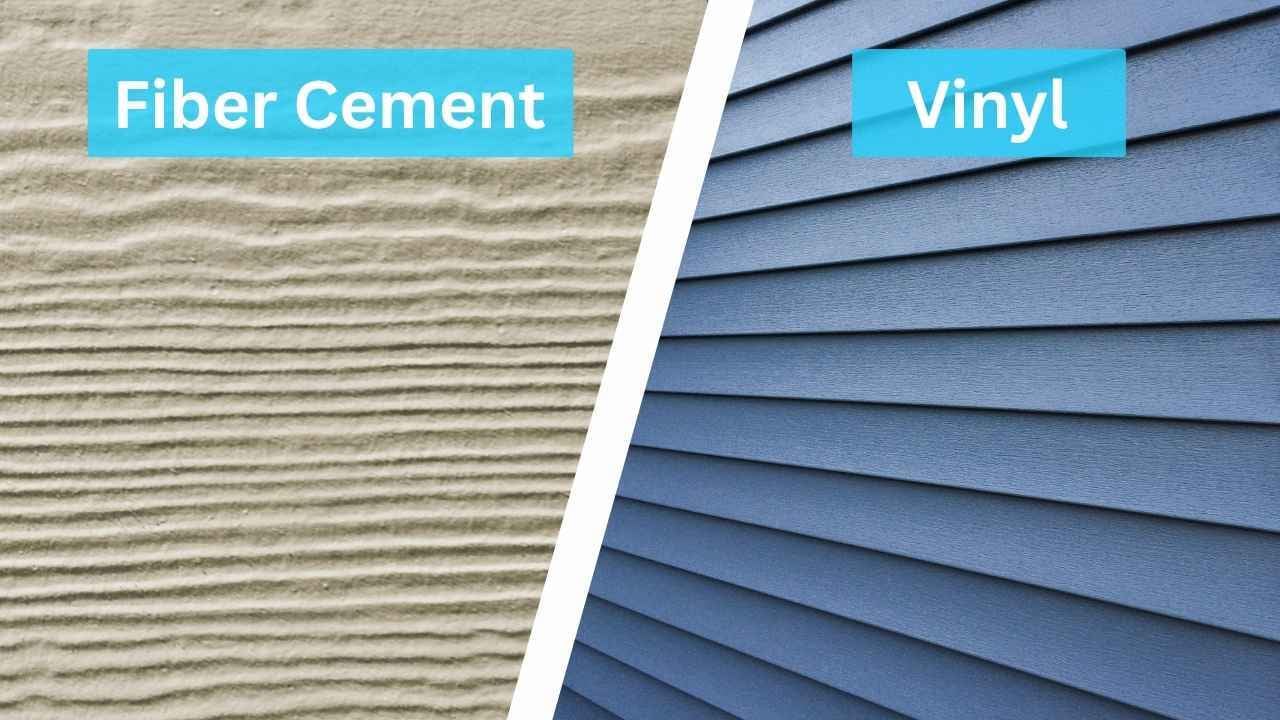
Fiber Cement
Best climates: All climates, especially areas with extreme weather, heavy rainfall, high humidity, wildfire risk, and significant temperature swings.
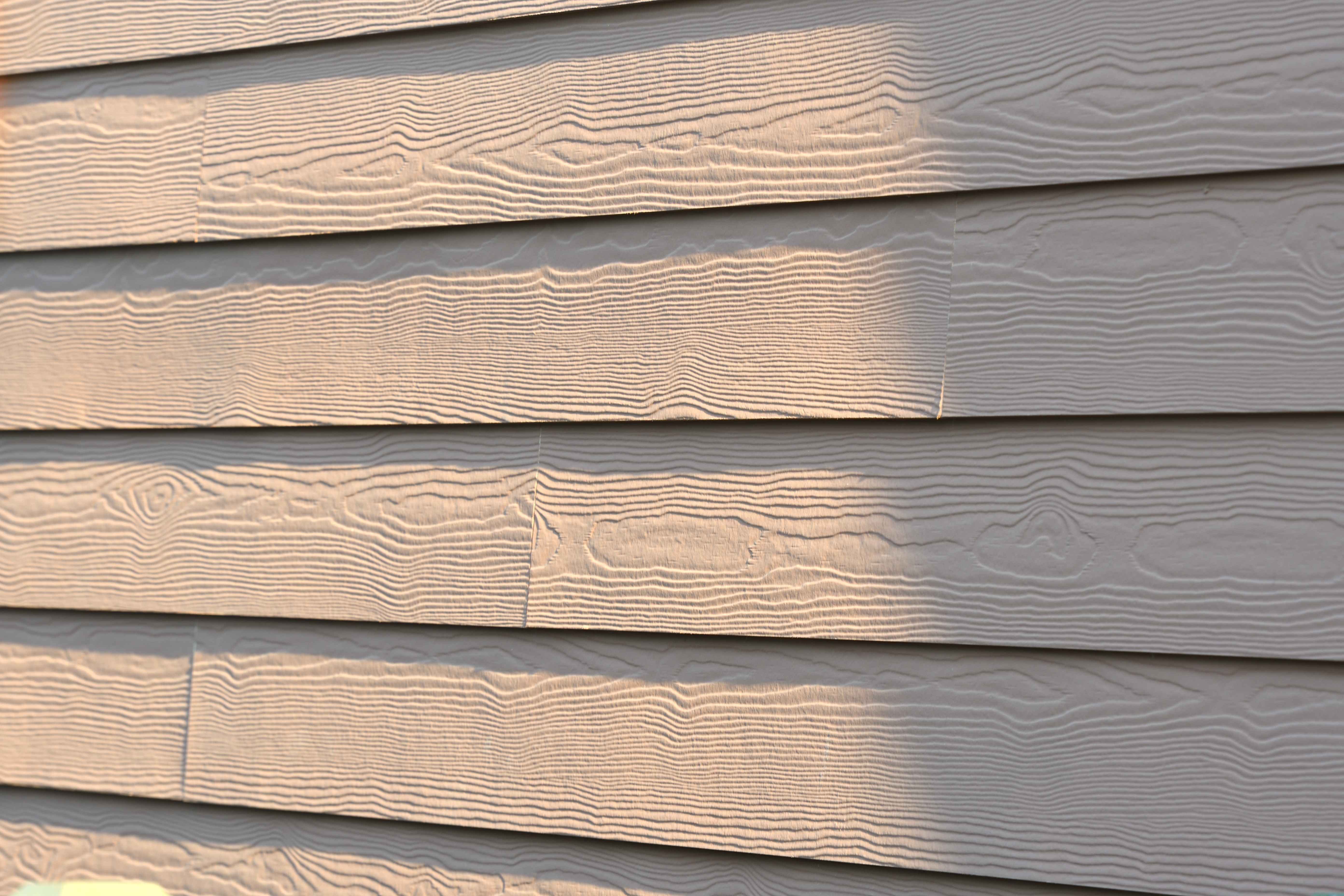
Fiber cement is one of the few siding materials that performs exceptionally well in nearly every environment. Its resistance to moisture, pests, fire, and temperature fluctuations makes it an excellent long-term option for homeowners in both harsh and moderate climates.
Vinyl
Best climates: Moderate climates with stable temperatures and limited exposure to extreme heat, cold, or intense sunlight.
Vinyl siding performs best in regions that don't experience significant temperature fluctuations or severe weather. In harsher climates, it can become brittle, warp, fade, or sustain storm damage more easily than other siding materials.
Metal
Best climates: Areas with heavy rain, snow, high winds, and extreme temperature fluctuations.
Metal siding is highly durable and performs well in many harsh environments. However, it is generally not recommended for coastal areas because salt air can accelerate corrosion and rust on certain metal products.
Engineered Wood
Best climates: Moderate climates with lower humidity and limited long-term moisture exposure.
Engineered wood offers the appearance of real wood and good impact resistance, but it is more susceptible to moisture damage if its protective finish is compromised. It generally performs best in climates that aren't excessively wet or humid.
Natural Wood
Best climates: Mild to moderate climates and coastal environments, depending on the wood species.
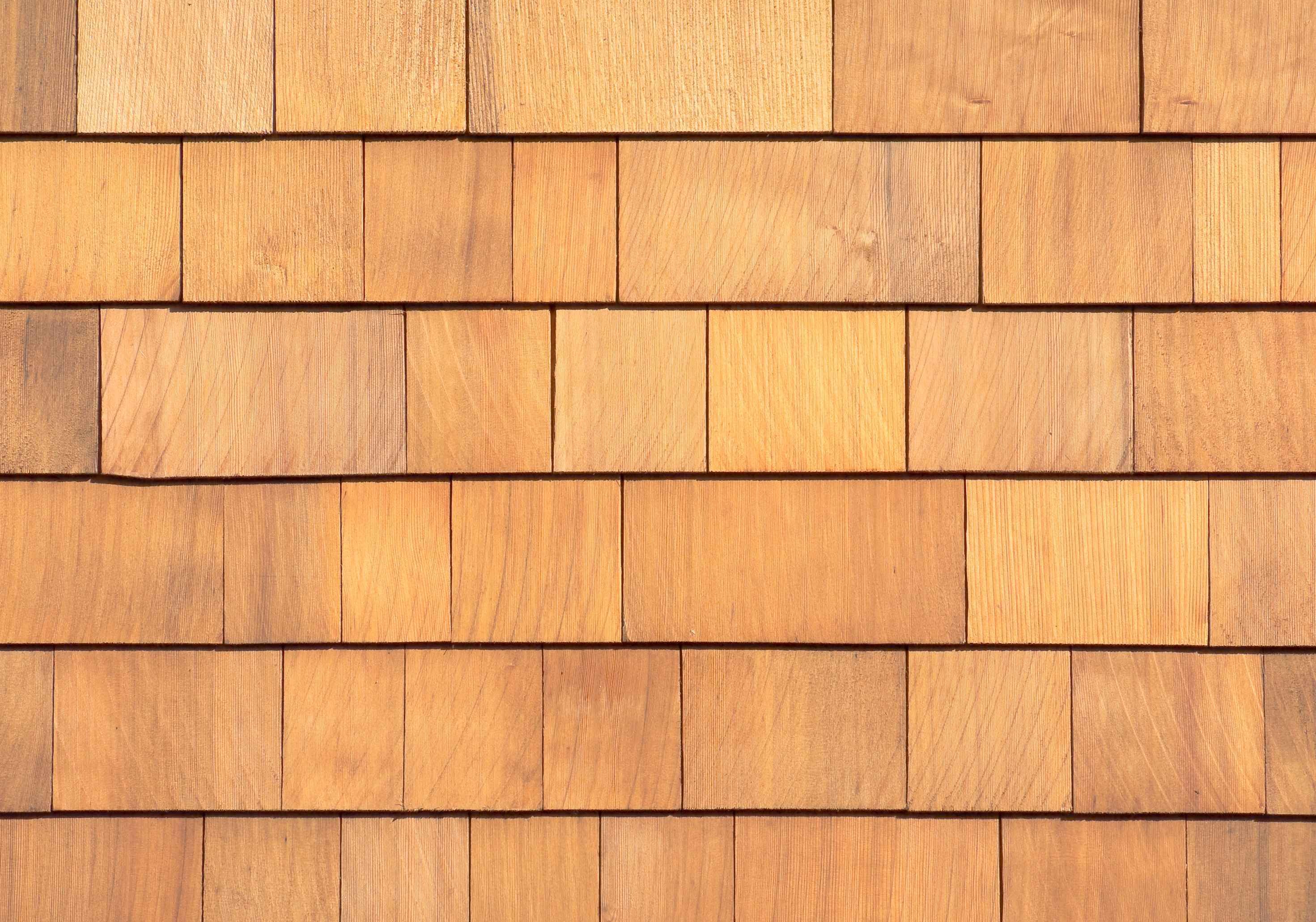
Natural wood siding offers timeless beauty and excellent curb appeal. Certain species, such as western red cedar, naturally resist moisture and insects, making them well-suited for humid and coastal regions. However, all wood siding requires regular maintenance, including painting, staining, or sealing, to protect it from moisture, UV exposure, and natural deterioration.
Take the Guesswork Out of Choosing Materials
Compare siding and roofing colors, textures, and finishes in your own space and lighting before deciding what's right for your home.
Get Free Samples Shipped to You
4. Think Long-Term, Not Just About Upfront Cost
The least expensive siding option isn't always the most affordable overtime. While a lower upfront price may save you money initially, it can sometimes lead to higher maintenance costs, more frequent repairs, and an earlier replacement down the road.
When evaluating siding materials, it's important to understand the total cost of ownership, including:
- Maintenance requirements: Some materials require a little more than occasional cleaning, while others need regular painting, staining, sealing, or inspections to maintain their appearance and performance.
- Repair costs: Certain siding products are more susceptible to cracking, warping, denting, or storm damage. Frequent repairs and replacements can add significant costs over the life of your home.
- Expected lifespan: Siding materials can vary dramatically in longevity. A product that lasts 40 to 50 years may be more cost-effective than a less expensive material that needs replacement after 20 to 30 years.
- Energy efficiency: Some siding materials and installation methods can improve your home's thermal performance, helping reduce heating and cooling costs over the long term.
- Potential resale value: Durable, low-maintenance siding can enhance curb appeal and make your home more attractive to future buyers. In many cases, high-quality siding products can also provide a stronger return on investment when it's time to sell.
Looking beyond the initial price tag can completely change how you view your siding options. Materials with a higher initial investment may cost more upfront, but if it lasts longer, requires fewer repairs, and reduces maintenance expenses, it could save you thousands of dollars over the years.
5. Understand Your Warranty Coverage
Before signing a contract, make sure you understand exactly what is covered by your warranties. Most siding projects include two separate warranties, and each protects a different part of your investment.
Manufacturer Warranty
A manufacturer warranty covers defects in the siding materials themselves, such as product failure caused by manufacturing issues. However, these warranties typically do not cover improper installation, severe weather damage, or lack of maintenance. Depending on the manufacturer, an incorrectly installed siding system can void the manufacturer's warranty.
Workmanship Warranty
A workmanship, or labor, warranty covers installation-related issues that occur after the project is completed, such as leaks, improper flashing, or installation errors that lead to premature siding failure. Coverage can vary significantly between contractors, so it's important to ask how long the warranty lasts, what it covers, and whether any exclusions apply.
Understanding both types of warranties can help you make a more informed decision and protect your investment long after the project is complete. Before signing your contract, ask for copies of both warranties in writing so you know exactly what protection you have if an issue arises.
Verify Contractor Credentials
The quality of your installation matters just as much as the siding material itself. Even the best siding products can fail prematurely if they are installed incorrectly.
Before hiring a contractor, make sure they are properly licensed and fully insured, have experience installing your chosen siding material, are familiar with local building codes, and can provide testimonials or references from past customers. Whenever possible, look for a manufacturer-certified contractor, since these certifications often indicate that the company has completed specialized training and follows the manufacturer's installation requirements and standards.
For example, as a James Hardie Elite Preferred Contractor, Pacific Exteriors follows Hardie’s installation standards and best practices to help ensure long-lasting performance and durability for homeowners.
6. Check Permits and Building Codes Early
Permitting requirements vary depending on where you live and the project details.
For instance, depending on the project plan, homeowners in Seattle may not need a permit for siding replacement on a detached home. However, projects that alter the building envelope or involve structural changes often require permits. On the other hand, homeowners in Chattanooga need to get a permit when getting their siding replaced.
Understanding your local permit requirements early can help avoid delays and unexpected costs.
Moreover, your contractor should be able to guide you through the permitting process and ensure your project complies with local regulations.
7. Consider Long-Term Maintenance
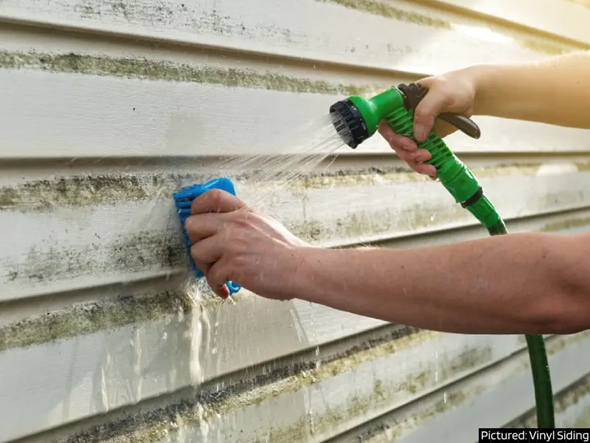
Every siding material requires a different level of maintenance, and understanding those requirements before making a decision can help you choose a system that fits your budget and lifestyle.
When comparing siding materials, consider questions such as:
- How often will the siding need cleaning?
- Will it require repainting?
- How easy is it to replace damaged panels?
- How often do homeowners need repairs?
- What is the expected lifespan?
8. Before Installation Day: How to Prepare Your Home

Preparing your property before siding replacement begins can help make the installation process safer, more efficient, and less disruptive.
Inside the Home
During the siding replacement process of removing old materials and installing new siding, it can make the walls of your home shake. While this is normal, some items may become loose or move during the process.
Removing wall decorations: Take down pictures, mirrors, and other hanging items on the walls that border the outside of your home to prevent them from falling or becoming damaged.
Securing items on shelves: Move fragile items, collectibles, and valuables to a safer location to prevent them from moving or breaking.
Moving valuables away from exterior walls: Protect furniture, electronics, and other important belongings by creating space between the walls where the crew will be working and your valuables.
Outside the Home
Preparing the outside of your property gives contractors easier access to your home and helps protect your possessions and landscaping during installation.
Move patio furniture and outdoor items: Clear decks, patios, and areas around your home so crews can safely access the siding and to prevent damage.
Remove outdoor decorations: Take down lights, signs, planters, and other decorations attached near the siding.
Protect landscaping: If you have plants, shrubs, or other landscaping near your home's exterior, discuss them with your contractor to help minimize the risk of accidental damage.
Mow grass and clear debris: Keeping grass shorter can make cleanup easier and help crews locate fallen materials or debris.
9. Bring Your Exterior Design Ideas to Life
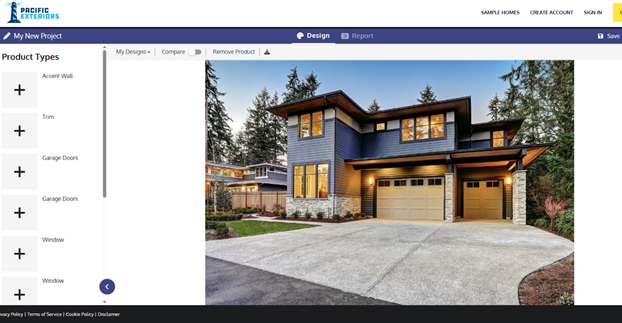
Choosing new siding involves more than just selecting a material. Homeowners also need to think about colors, textures, profiles, trim options, and how each component works together to create the overall look of their home. With so many combinations available, it can be difficult to picture how your choices will look until after the project is completed.
One of the best ways to make a confident decision is to see your vision come to life before construction begins. Viewing a realistic preview of your home's new exterior can help you feel more confident in your choices, eliminate much of the guesswork, and ensure the finished result matches your expectations. It also gives you the opportunity to make changes before installation begins, helping you avoid costly design changes later.
Pacific Exteriors offers a free online design tool that allows homeowners to explore and see how various options could transform their home's exterior. This allows you to experiment with different combinations, compare design ideas, and get a better understanding of how your selections will look together.
Experimenting with different combinations can help you feel confident that you're choosing a look you'll love for years to come.
Start Planning Your Siding Replacement Project Today
Replacing your siding is a significant investment, but it doesn't have to be an overwhelming one. With the right contractor, you gain an experienced partner who will guide you through every decision, help you avoid costly mistakes, and ensure your home is protected for years to come.
At Pacific Exteriors, our team helps homeowners navigate every step of the siding replacement process, from selecting the right materials and styles to ensuring proper installation. With 15+ years of experience, Pacific Exteriors brings proven expertise and installation standards to siding projects throughout the Pacific Northwest and Southeast.
Our goal is to make the experience as straightforward and stress-free as possible while providing a finished product you can trust.
Contact Pacific Exteriors today to schedule your free consultation, explore siding options, and start designing a beautiful, durable exterior that protects your home for decades to come.
Not Ready for a Consultation?
Still exploring your options? Get free siding and roofing samples shipped to your door and see what works best for your home.
Get Free Samples