
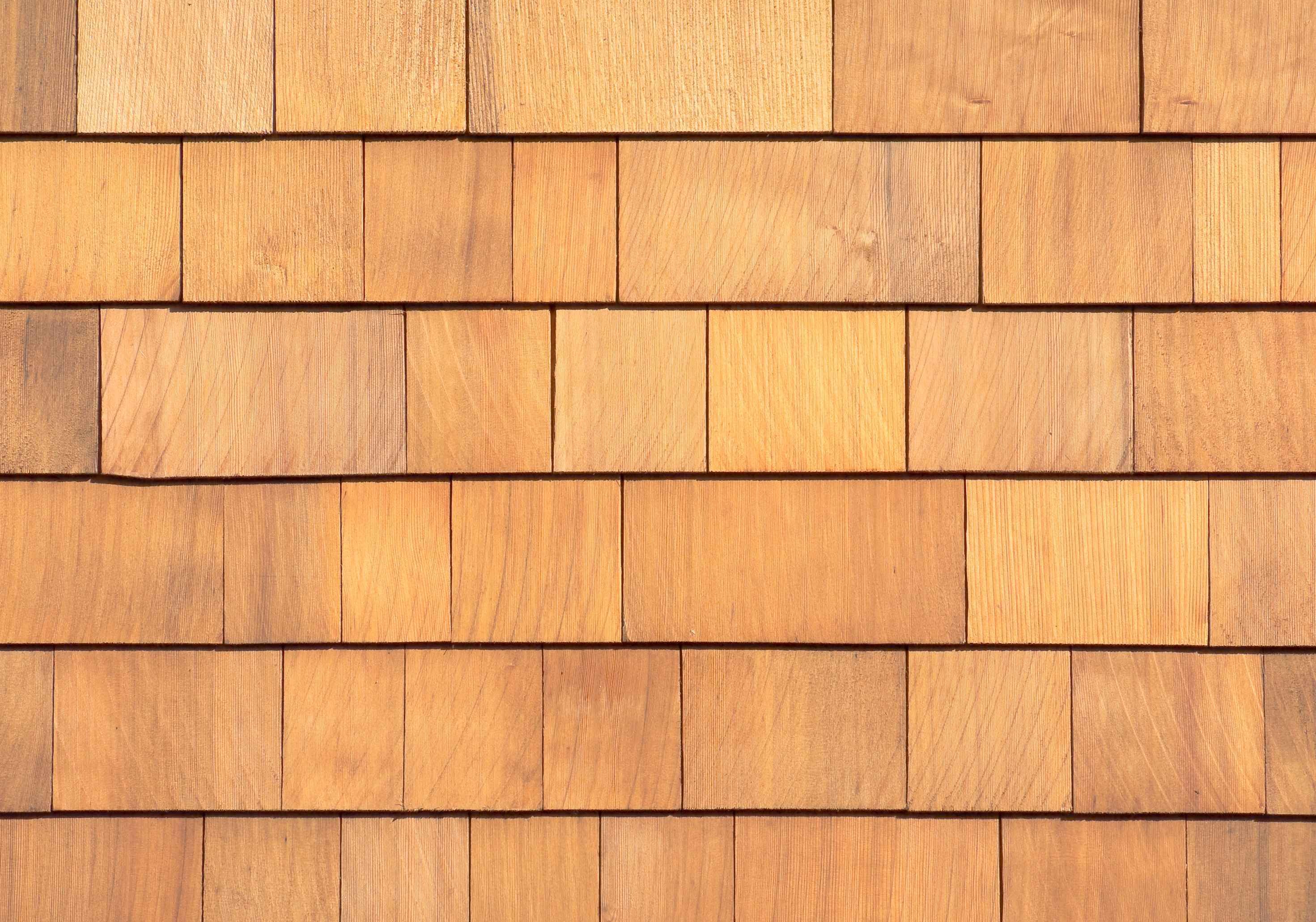
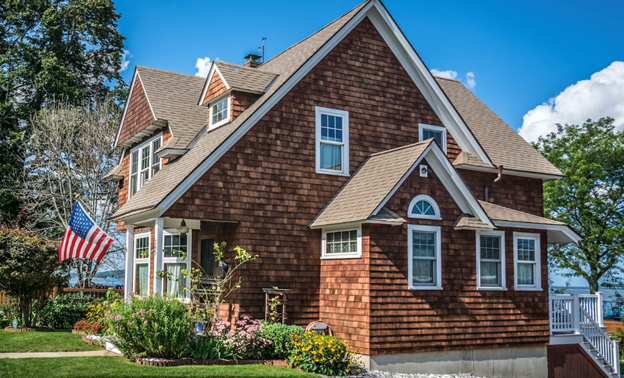
Cedar siding has a timeless appeal that’s difficult to replicate with manufactured materials. Its natural grain, warm wood tones, and authentic character can give a home a premium, distinctive appearance.
Nevertheless, cedar siding is not a low-maintenance exterior. While cedar has natural resistance to moisture, decay, and insects, it still requires regular maintenance to protect the wood from UV exposure, moisture, and weather-related deterioration.
Since 2008, we’ve been installing siding and roofing systems across the Pacific Northwest and Southeast. Pacific Exteriors understands how exterior materials perform beyond the showroom, including the effects of moisture, UV exposure, installation practices, and long-term maintenance.
This guide covers the pros and cons of cedar siding, including its durability, maintenance requirements, moisture resistance, energy efficiency, and both its initial and long-term costs.
Cedar Siding Pros and Cons
|
Pros of Cedar Siding |
Cons of Cedar Siding |
|
Natural, premium beauty and character |
Requires significantly more maintenance due to re-staining and sealing needed every 5-7 years. |
|
Naturally resistant to rot and wood-eating pests |
Can rot when exposed to persistent moisture and is not immune to woodpeckers. |
|
Good natural insulating properties |
Can crack, split, cup, or warp |
|
Can be painted, stained, or left to weather |
Combustible and less fire-resistant than noncombustible siding options |
|
Available in numerous profiles and styles |
Higher upfront cost when compared to fiber cement, vinyl, metal, etc. |
|
Complements traditional and modern homes |
Higher potential lifetime maintenance costs |
|
Can last 20–40+ years with proper maintenance |
Requires careful installation and water management |
What Is Cedar Siding?
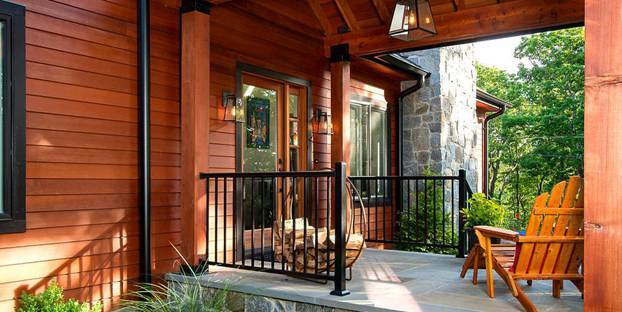
Cedar siding is a natural wood siding made from cedar trees. The use of cedar for exterior buildings dates back thousands of years ago and is notably popular in the Pacific Northwest and among our local indigenous tribes.
Unlike manufactured materials such as fiber cement, vinyl, or metal, each piece of cedar has its own grain, knots, color variations, and texture, giving homes a distinctive, natural appearance.
The Pros of Cedar Siding
Cedar siding remains popular because it combines natural beauty with functional benefits.
Natural Resistance to Moisture and Pests
Cedar's natural durability comes partly from extractives, chemical compounds found in the wood's heartwood. These include thujaplicins, thujic acid, and other phenolic compounds, which contribute to cedar's resistance to fungal decay and wood-eating insects.
Cedar also contains other water-soluble and oil-soluble extractives that contribute to its characteristic aroma and natural resistance to deterioration.
Cedar's natural properties can provide several benefits:
|
Natural Property |
What It Means for Homeowners |
|
Moisture resistance |
Helps cedar withstand exposure to rain and humidity when properly installed and maintained. |
|
Resistance to decay |
Natural compounds can help slow fungal deterioration compared with less naturally resistant wood species. |
|
Insect resistance |
Cedar's natural oils can make it less attractive to and can even kill certain pests. |
|
Cedar is relatively stable compared with some other woods, helping reduce movement when moisture levels change. |
Cedar’s natural resistance to fungal decay and insects is one reason cedar has historically been used and is still very popular in humid and coastal environments.
Natural Insulation
Cedar’s cellular structure contains tiny air pockets that slow down the movement of heat through the wood, giving it naturally insulating characteristics. As a result, cedar siding can provide some additional insulation when used as part of an exterior wall assembly.
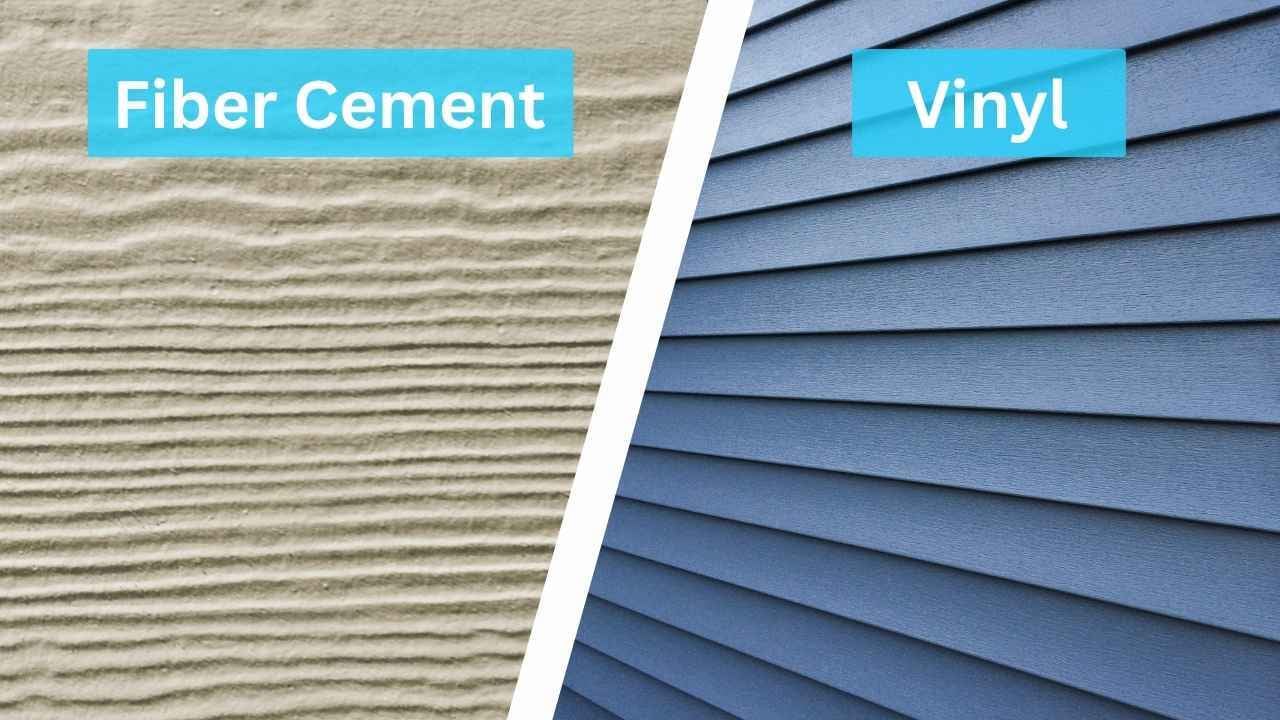
Not to mention, cedar siding has an average R-value of 1.4 per inch and has the highest R-value out of all other siding materials. Meanwhile, fiber cement siding’s R value is approximately 0.37 to 0.50 per inch.
While cedar siding shouldn’t replace insulation products, its natural insulation properties can complement the insulation already built into your home's wall assembly. Together, these layers provide additional resistance to heat transfer, which can help improve overall energy efficiency while also providing some noise reduction benefits.
Key benefits:
Slows heat transfer
Cedar transfers heat more slowly than highly conductive materials such as metal.
Adds thermal resistance
Provides an additional layer between outdoor temperatures and the wall assembly.
Dampens sound
Cedar’s porous structure can help absorb some exterior noise.
Indeed, siding is only one part of a home's energy performance. Insulation, air sealing, windows, weather barriers, and the overall wall assembly have a much greater impact on energy efficiency.
Natural Beauty and Character
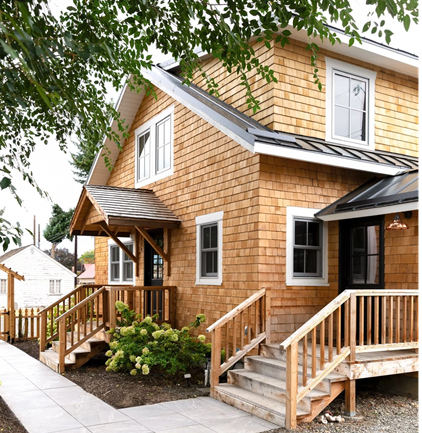
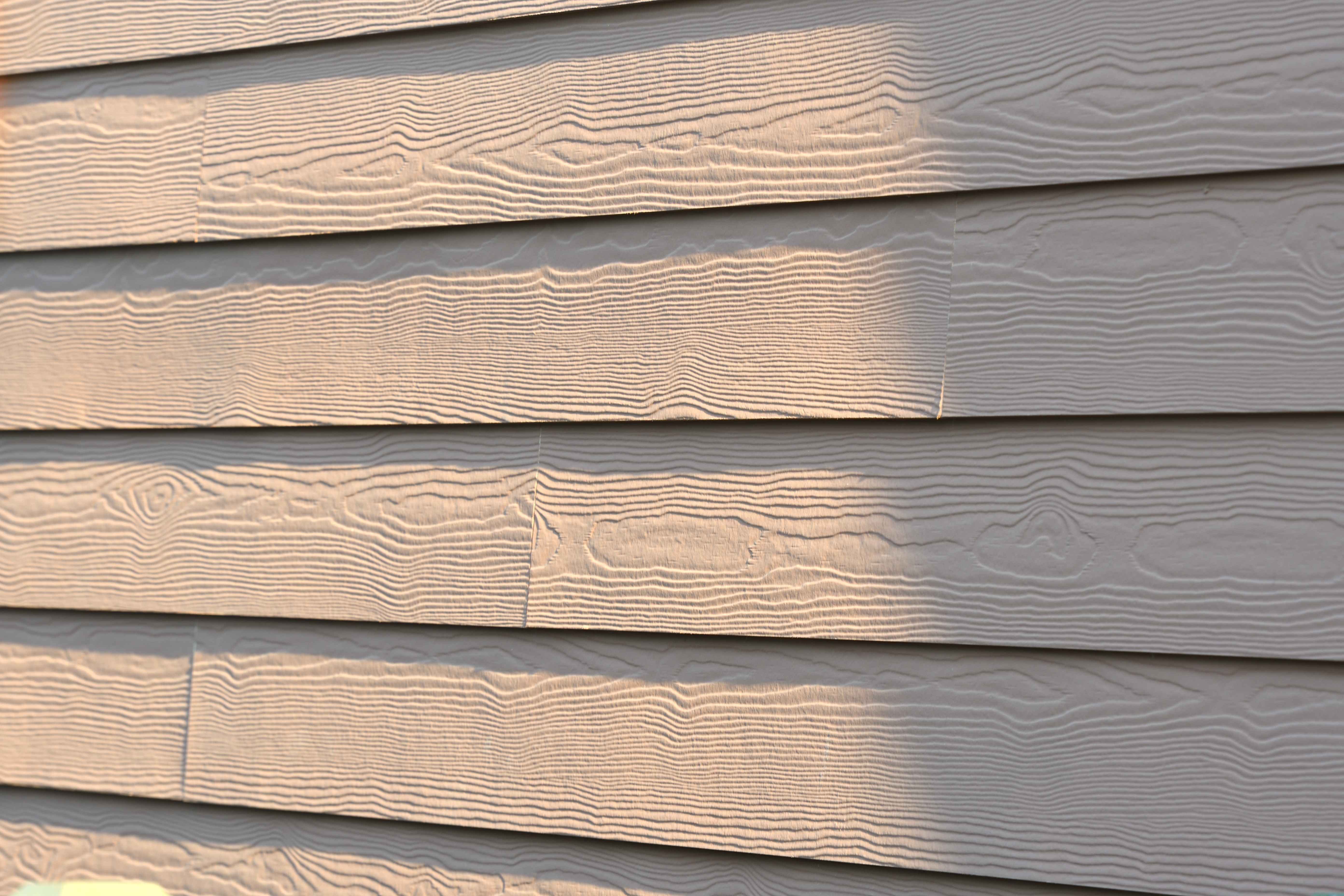
One of cedar siding's biggest advantages is its natural appearance and individuality. Unlike manufactured siding, cedar has authentic wood grain, knots, texture, and subtle color variations that give each board a unique look.
What makes cedar visually distinctive:
- Natural grain: Each board has its own grain pattern, creating depth and variation across the exterior.
- Color variation: Cedar naturally ranges from warm golden and honey tones to reddish-brown shades.
- Weathered appearance: Unfinished cedar gradually develops a silver-gray patina as it is exposed to sunlight, rain, and air.
- Custom finishes: Cedar can be painted or stained to preserve its natural character or achieve a specific color.
Design versatility
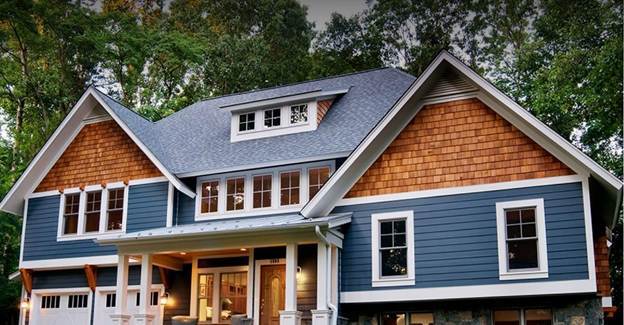
Cedar siding has a wide variety of styles such as lap siding, shingles/shakes, board-and-batten, etc. that can create different exterior looks. Also, it can be incorporated into mixed-material designs, such as combining cedar with fiber cement, stone, or other exterior materials.
For homeowners who value authentic wood character and a timeless appearance, cedar can offer a level of natural variation that manufactured siding products often attempt to replicate.
Long Lifespan When Properly Maintained
Cedar siding can last for decades when it is properly installed and maintained. A reasonable service life expectation is approximately 20 to 40+ years, depending on the material, installation, exposure, climate, and maintenance.
The key consideration is that cedar's longevity depends heavily on keeping the wood protected and allowing it to dry properly.
The Cons of Cedar Siding Homeowners Should Know
Cedar siding offers natural beauty and durability, but wood siding also comes with higher maintenance demands and greater sensitivity to moisture and weather exposure than many manufactured siding options. Understanding these drawbacks can help homeowners decide whether cedar fits their budget, climate, and willingness to maintain the exterior.
High Long-Term Cost
Cedar siding can have a higher total cost of ownership than many manufactured siding materials. While cedar siding has the highest initial price out of all siding options, homeowners should also consider the ongoing costs of keeping the wood protected and in good condition.
Where these long-term costs come from:
- Staining or sealing: Cedar typically requires periodic refinishing and sealing to protect panels against moisture and UV exposure.
- Cleaning: Dirt, mildew, algae, and other buildup may require regular cleaning.
- Repairs: Cracked, split, warped, or rotted boards may need to be repaired or replaced.
- Caulking and sealing: Vulnerable joints and penetrations may require periodic maintenance.
- Professional labor: Homeowners who can’t do certain maintenance tasks themselves (repairs/replacing panels, etc.) will need to account for recurring labor costs.
Cedar's lifespan can make the investment worthwhile for homeowners who value its natural appearance and character, but the total cost extends beyond installation day.
Cedar Requires More Maintenance
One of the biggest disadvantages of cedar siding is its ongoing maintenance requirement. Unlike many manufactured siding materials (like James Hardie fiber cement and vinyl) designed for lower upkeep, cedar is a natural wood product that needs regular attention to protect it from moisture, UV exposure, insects, and weathering.
Refinishing schedule
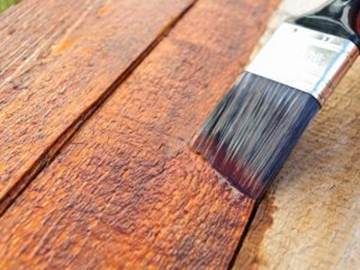
Homeowners should generally expect to re-stain and seal cedar siding approximately every 5 to 7 years if they prefer not to paint over their siding’s natural wood grain. However, the actual interval can vary based on climate, sun exposure, moisture levels, the type and quality of finish, and the condition of the wood.
Routine cedar siding maintenance includes:
|
Maintenance Task |
Why It Matters |
|
Inspect for rot and decay |
Identifies moisture damage before it spreads |
|
Check for insects |
Helps catch insect-related damage early |
|
Repair cracked or split boards |
Prevents openings where moisture can enter |
|
Replace damaged sections |
Maintains the siding's appearance and weather protection |
|
Maintain caulking |
Helps seal vulnerable joints and penetrations |
|
Clean dirt, mildew, algae, and moss |
Keeps the siding cleaner and helps limit moisture retention |
|
Touch up deteriorated finishes |
Restores protection where paint or stain has worn away |
Maintenance can also vary significantly based on how the cedar is finished. Paint generally provides a more protective coating, while transparent and semi-transparent stains allow more of the natural wood character to remain visible but may require more frequent maintenance.
The bottom line: If minimal maintenance is a top priority, cedar may not be the best siding choice for you and your lifestyle.
Vulnerable to Moisture Damage When Not Properly Maintained
Cedar's natural resistance to moisture and decay is a significant advantage, but it doesn’t make the wood waterproof or rot-proof. When cedar remains wet for extended periods, its natural defenses can weaken, allowing fungal decay and deterioration to develop.
Not to mention, while cedar is naturally resistant to wood-eating insects, neglected cedar siding can be prone to woodpecker damage.
Moreover, repeated wetting and drying can also cause cedar to swell and shrink. Over time, this movement can contribute to cracks, curling, gaps between panels, and finish/paint failure.
UV Damage and Fading Panels
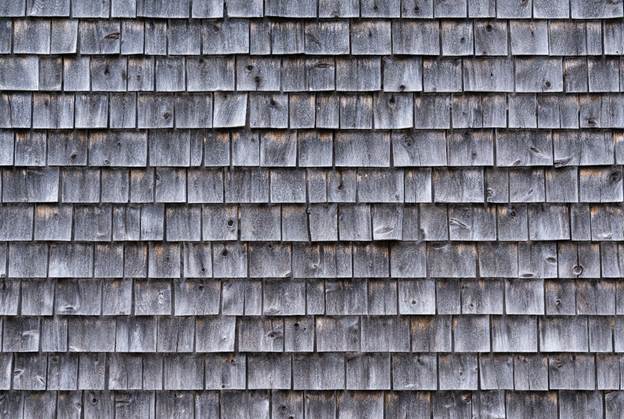
Sunlight is another major source of wear for cedar siding. Ultraviolet (UV) radiation gradually breaks down the wood's fibers and pigments, causing cedar to lose its original warm golden, reddish, or brown tones.
What happens as cedar weathers:
- Color begins to fade: UV exposure breaks down surface compounds, gradually lightening the wood.
- The surface weathers: Continued exposure can make the wood feel rougher and more weathered.
- Natural graying develops: Unfinished cedar eventually develops a silver-gray or gray appearance.
- Surface cracks can occur: Long-term exposure can contribute to small cracks and splits as the wood weathers and cycles through moisture changes.
- Protective finishes deteriorate: Paints and stains can fade, chalk, peel, or lose their protective properties over time.
Uneven Fading
While fading occurs, it may not always be even across every panel of the house. For instance, south- and west-facing walls that receive the most sunlight throughout the day may fade faster than north-facing walls that get the least amount of sunlight.
This can result in blotchy-looking sections, due to different sides of the home receiving different amounts of sunlight and moisture.
Lower Fire Resistance
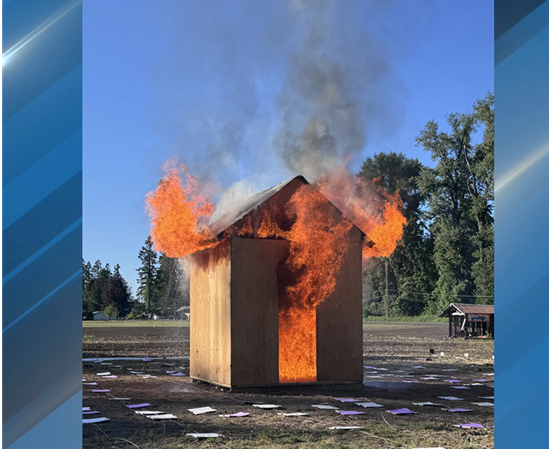
Fire exposure is also a very crucial consideration if you’re contemplating cedar siding.
Untreated cedar is a combustible wood product, meaning it can ignite and act as fuel during a wildfire or other exterior fire event. This gives cedar a different fire-performance profile than noncombustible materials like fiber cement, metal, or masonry.
Homeowners in fire-prone areas should check local requirements before choosing cedar. Depending on the location, Class A fire-rated materials such as fiber cement or natural stone may be a more appropriate option.
Because insurers may consider a home's construction materials a wildfire risk, choosing fire-resistant siding such as fiber cement may help with insurance eligibility or risk assessments in some areas. Requirements and potential insurance impacts vary by location and insurer, so homeowners should confirm with their local building department and insurance provider before making a decision.
Is Cedar Siding Right for You?
When Cedar May Be Worth the Cost
Cedar can make sense for homeowners who love the appearance of authentic wood, want a premium natural exterior, and value design flexibility. Its natural grain, texture, and color variations create a distinctive look, while its ability to be painted, stained, or to naturally weather gives homeowners flexibility over time.
For homeowners who appreciate natural materials and are comfortable budgeting for periodic staining, painting, inspections, cleaning, and repairs, the additional maintenance may be a worthwhile trade-off.
When to Consider Other Siding Materials
Homeowners who prioritize minimal maintenance and predictable long-term upkeep costs may want to compare cedar with fiber cement, metal, or high-grade vinyl siding. These materials offer different combinations of durability, maintenance requirements, appearance, and cost.
Find the Right Siding for Your Home with Pacific Exteriors

Choosing a siding material is about more than appearance. Your local climate, maintenance expectations, budget, and long-term plans should all factor into the decision.
If you're considering cedar but aren't sure whether it's the right fit, Pacific Exteriors can help you compare your options. Our team can evaluate your home's exterior, discuss the advantages and trade-offs of different siding materials, and help you determine which solution best aligns with your needs, budget, and long-term goals.
Ready to explore your siding options? Contact Pacific Exteriors today to discuss your project and request a free, no-obligation siding consultation.
Frequently Asked Questions About Cedar Siding
Is cedar siding a good choice for humid, wet environments?
Cedar can be a good choice for humid, wet environments because it has a natural resistance to moisture and decay and has long been used in damp, coastal environments. However, the region's rain, humidity, shade, and wet-dry cycles make proper installation and regular maintenance particularly important.
How long does cedar siding last?
Cedar siding can typically last 20 to 40+ years when properly installed and maintained. Climate, moisture exposure, UV exposure, installation quality, and maintenance frequency all influence its lifespan.
How often should cedar siding be stained?
Cedar siding generally needs to be stained or sealed approximately every 5 to 7 years, although the appropriate interval depends on the finish, climate, UV exposure, and moisture conditions.
Does cedar siding rot easily?
Cedar has natural resistance to rot and fungal decay, but it is not immune. If cedar remains wet for extended periods because of poor drainage, inadequate flashing, vegetation, ground contact, or other moisture problems, it can eventually rot.
Does cedar siding attract termites?
Cedar has natural properties that make it less attractive to wood-eating pests, but it is not termite-proof. Termites and carpenter ants can still damage cedar, particularly when the wood becomes damp or begins to deteriorate.
Does cedar siding need to be painted?
Not necessarily. Cedar can be painted, stained, sealed, or left to weather naturally. Leaving cedar unfinished allows it to gradually develop a silver-gray appearance, while paint and stain can help protect the wood and maintain a desired color.
Is cedar siding more expensive than fiber cement?
Cedar generally has a higher upfront cost than many other siding materials, and its ongoing staining, painting, sealing, and repair requirements can also increase its lifetime cost. Homeowners should compare both initial installation costs and long-term maintenance when evaluating siding options.
Can cedar siding increase curb appeal?
Yes. Cedar is often considered a premium siding material because of its natural appearance, warmth, grain patterns, and design versatility. When properly maintained, cedar can make a strong contribution to a home's curb appeal.
Is cedar siding low maintenance?
No. Cedar is considered a high-maintenance siding material compared with many modern siding options. Regular inspections, cleaning, finish maintenance, and repairs are important for protecting the wood and maximizing its lifespan.
What is the biggest disadvantage of cedar siding?
For many homeowners, the biggest disadvantage is the amount of maintenance required. Cedar typically needs periodic staining, painting, or sealing, along with regular inspections for moisture, rot, insects, cracking, and finish failure.