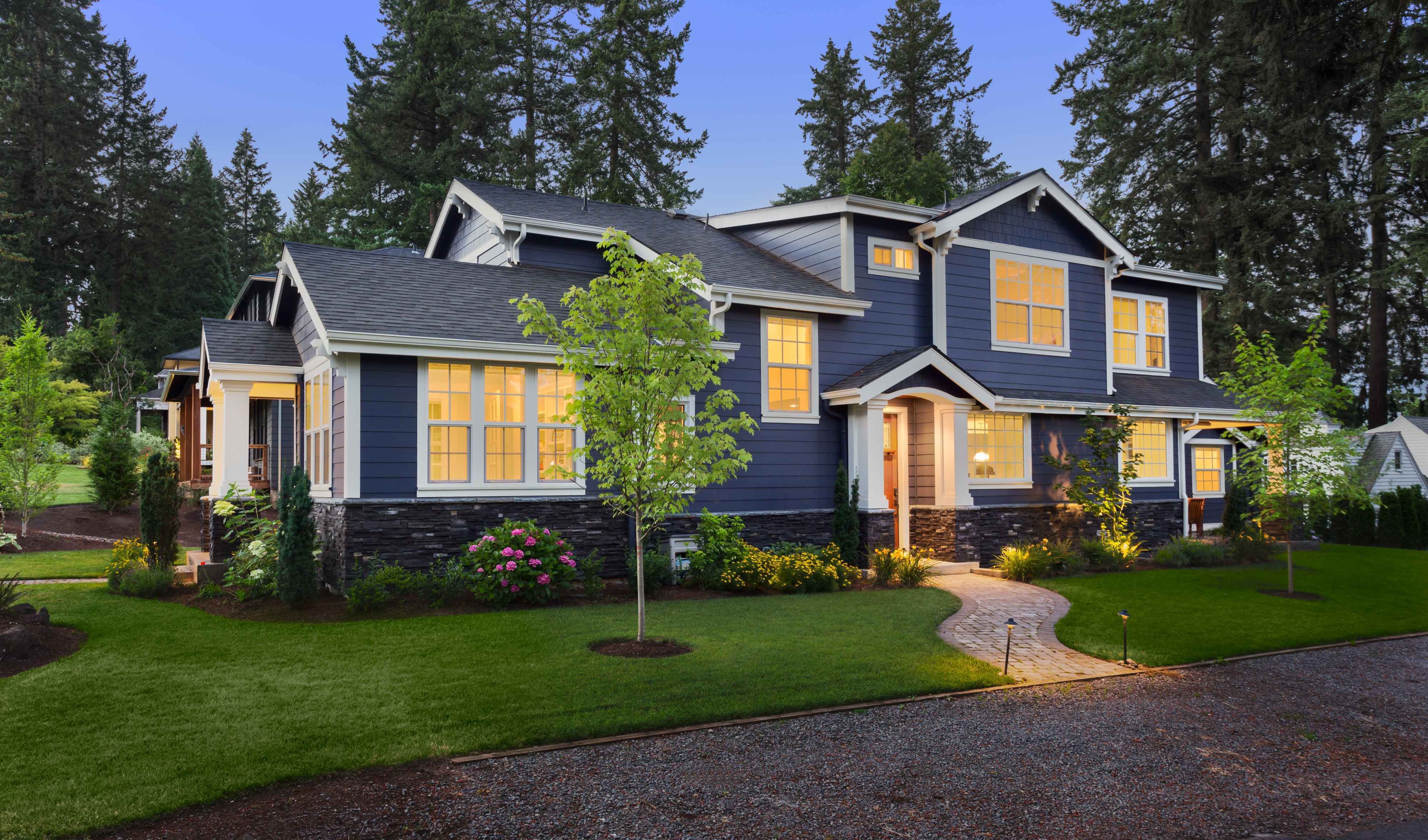
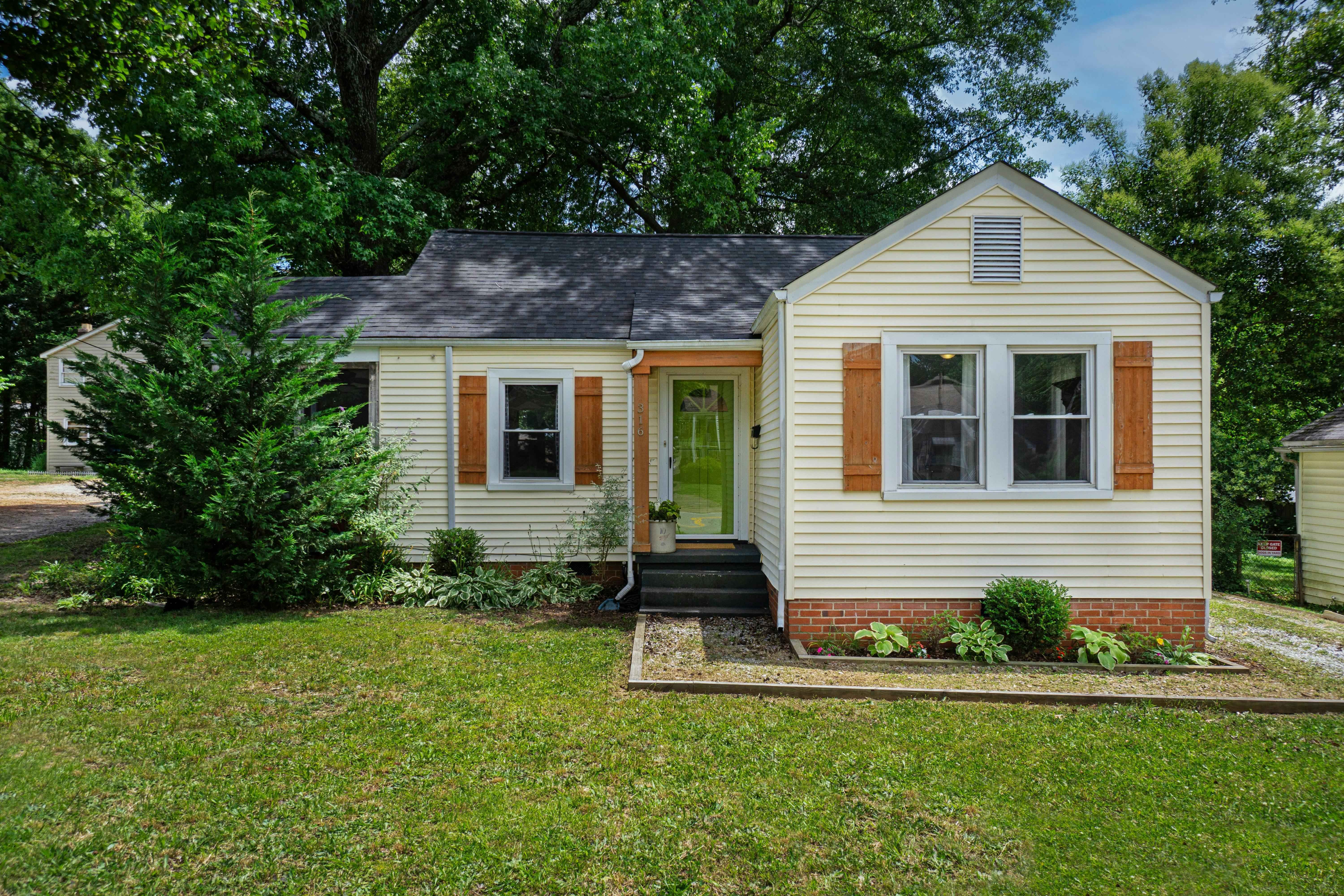
When homeowners start comparing siding materials, fiber cement quickly comes up as one of the top contenders. Known for its balance of durability, style, and longevity, it has become a go-to option for homeowners.
While we believe in honesty and will only recommend what siding works for your needs and budget, we sell a lot of fiber-cement siding. In fact, we’re the #1 James Hardie Contractor in the PNW and made the company’s President’s Club Award on a national level.
But is it the right fit for your home? Let’s take a closer look.
Want to See Fiber Cement Siding in Person?
Explore siding and roofing samples from the comfort of your home. We’ll ship samples directly to you so you can compare colors, textures, and styles before making a decision.
Request Your Free Samples
What is Fiber-Cement Siding?
Fiber cement siding is made from a mix of cement, sand, water, and cellulose fibers. The combination creates a strong, durable material that can mimic the look of wood, stucco, or even stone without many of the drawbacks those natural materials face that tend to need more maintenance.
Because of the many pros, and fewer cons of this product, it’s one of the most trusted siding products on the market today.

The Pros of Fiber Cement Siding
Fiber cement has earned its reputation as one of the most durable and attractive siding materials on the market. From standing up to the harshest weather to offering timeless curb appeal, its list of advantages is long.
Here’s why so many homeowners choose it:
1. Highly Durable
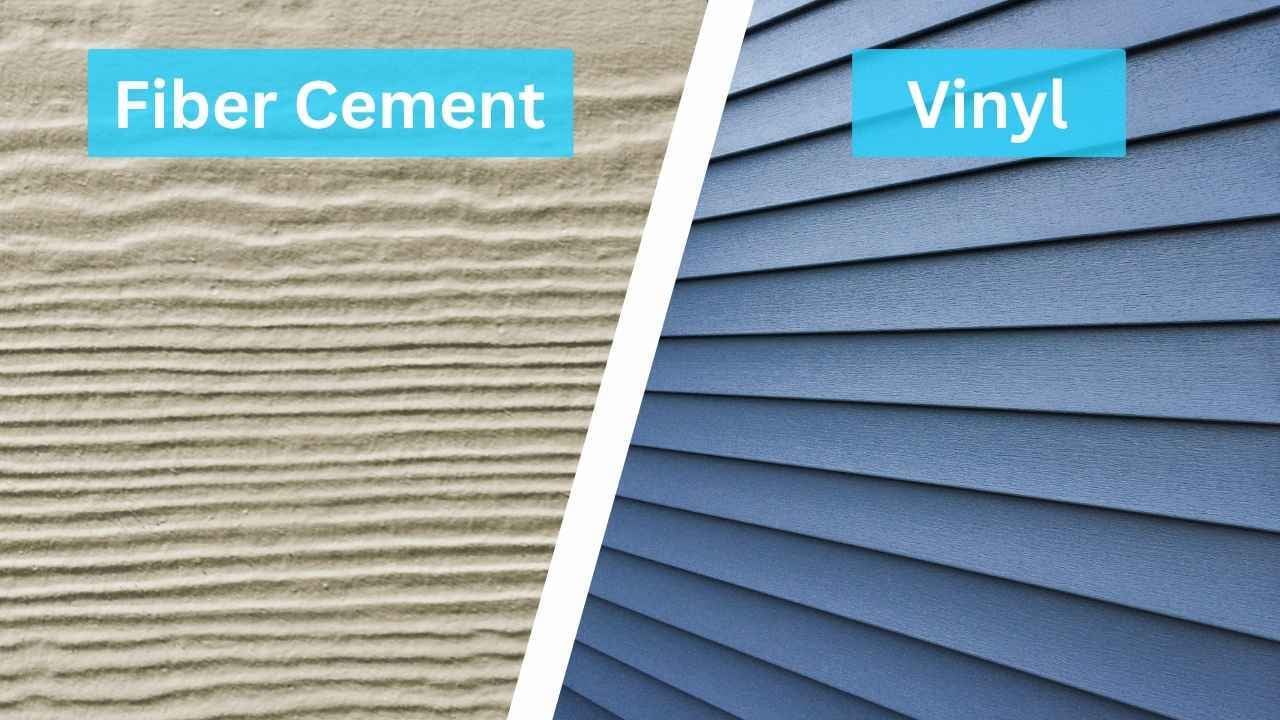
Fiber cement holds up against extreme temperatures, moisture, and sun exposure. Unlike vinyl, which can warp under high heat, or wood, which may crack, split, or rot, fiber cement resists warping, cracking, and fading.
2. Fire-resistant
Being non-combustible, fiber cement adds an extra layer of safety to your home. In wildfire-prone areas, this can be a huge advantage. In fact, some insurance companies even recognize fiber cement as a safer exterior choice, because of its Class A fire rating.
3. Pest Resistant
Termites and other pests that feast on wood won’t touch fiber cement, which saves homeowners from costly infestations and repairs. Wood siding often attracts termites, carpenter ants, and other insects. Pests simply can’t chew through it, and woodpeckers avoid the material, which saves homeowners from costly repairs and infestations.
4. Long Lifespan (30–50 years on average)
With proper installation and care, fiber cement siding can last anywhere from 30 to 50 years. That longevity easily outpaces many alternatives, making it a “buy once” option for many homeowners who don’t want to think about replacing siding again in their lifetime.
5. Versatile Design is HOA-friendly
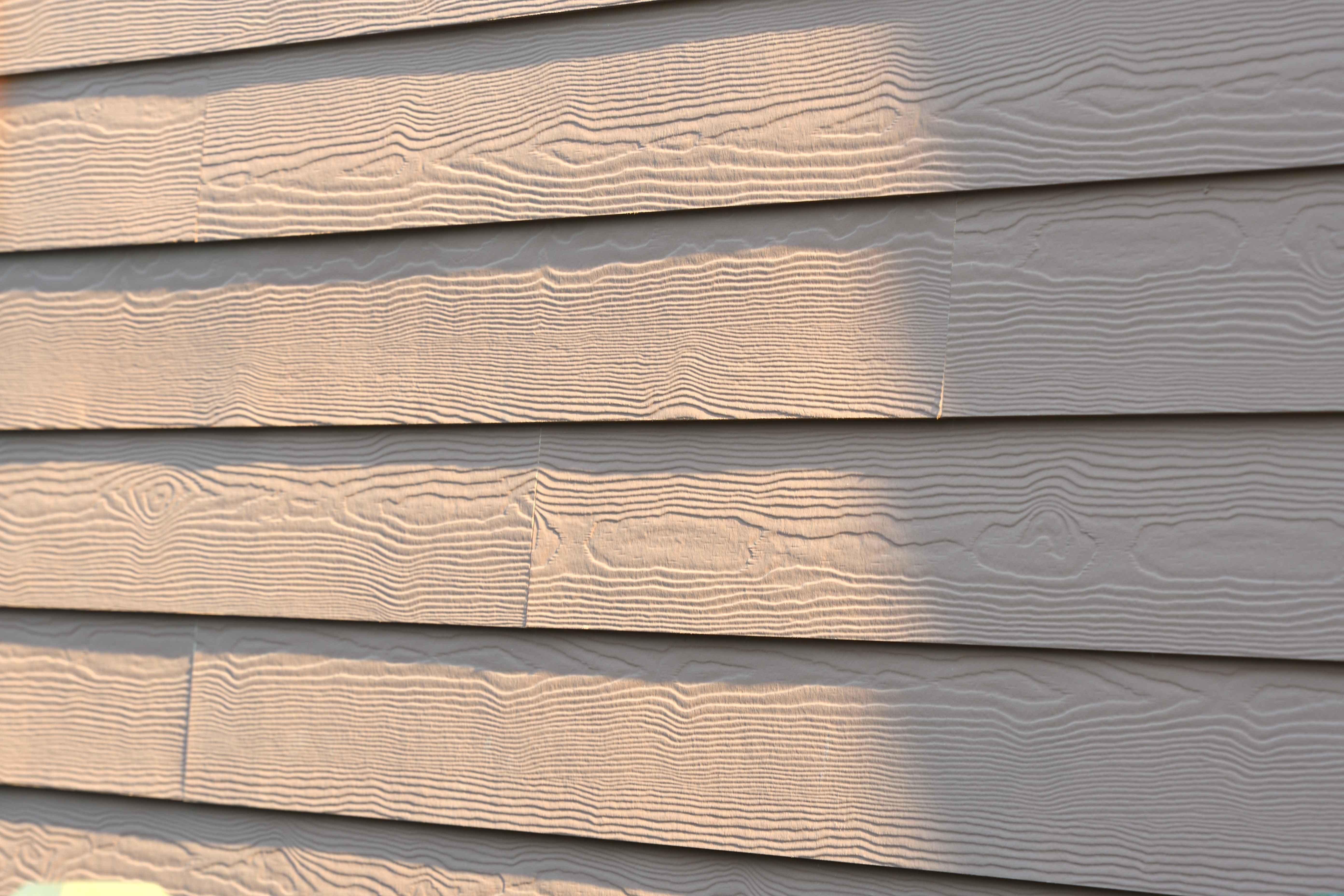
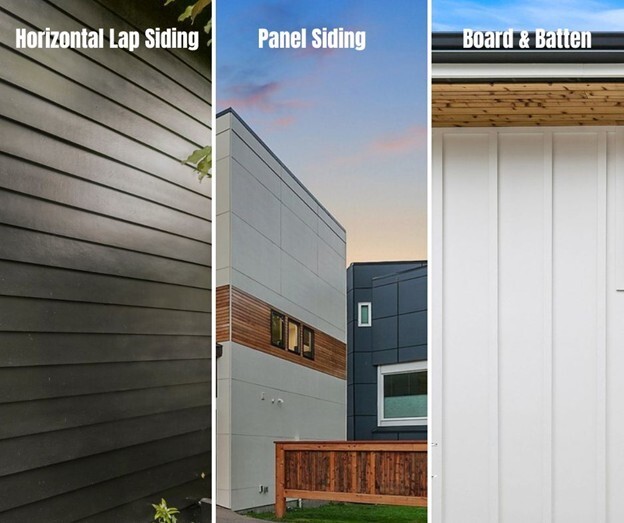
Many homeowners’ associations (HOAs) have strict guidelines about home exteriors. Because it can mimic the look of traditional wood and other natural materials, is widely accepted by HOAs. It also comes in a huge variety of styles (traditional lap siding, modern large panels, board-and-batten) so fiber cement can achieve the look you’re after. Homeowners can also choose from multiple styles, including classic lap siding, sleek large panels for modern homes, or charming board-and-batten designs for a farmhouse feel.
6. Low Maintenance
Fiber cement is considered a low-maintenance siding option. Unlike wood, which needs frequent staining or painting, fiber cement siding holds paint exceptionally well. Many manufacturers even offer pre-finished colors baked onto the boards for maximum longevity. For most homeowners, upkeep is as simple as rinsing it down with a garden hose once or twice a year.
7. Higher ROI than other siding types
When it comes to remodeling projects, fiber cement siding consistently ranks as one of the best for return on investment. Its durability, beauty, and low maintenance requirements make homes more attractive to buyers, often leading to higher resale values.
Explore Before You Decide
You don't have to commit to a project to start exploring. Request free siding and roofing samples to help you find the right look for your home.
Explore Free Samples
Cons of Fiber Cement
Of course, no siding material is perfect, and fiber cement is no exception. While it offers many advantages, there are a few considerations homeowners should be aware of before committing. Here’s what to keep in mind:
1. Higher Upfront Cost
The most noticeable drawback of fiber cement siding is the initial cost. It’s more expensive than basic vinyl siding and can sometimes approach the cost of natural wood. However, many homeowners find that the siding pays for itself in longevity and reduced maintenance over the years.
2. Lower Insulation Value
Fiber cement siding is strong and durable, but it doesn’t provide much insulation on its own. Its R-value (a measure of insulating ability) is lower than that of some other siding materials. For instance, James Hardie siding is around 0.15 - 0.5, while an insulated vinyl siding can be 2.0-3.5 (the greater number, the better).
To achieve better energy efficiency, homeowners often need to pair it with insulation or other energy-efficient materials.
3. Heavy and Labor-Intensive Installation
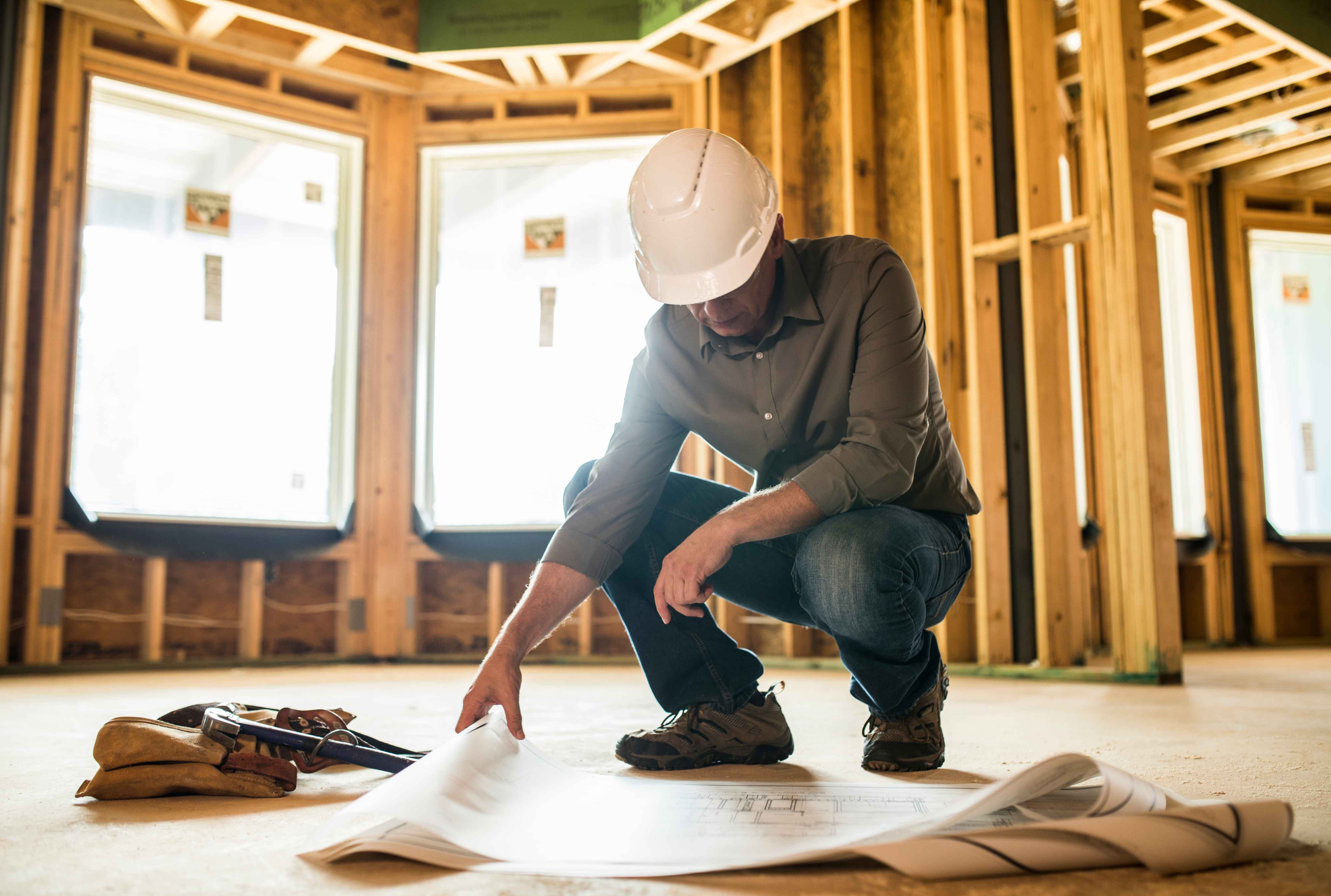
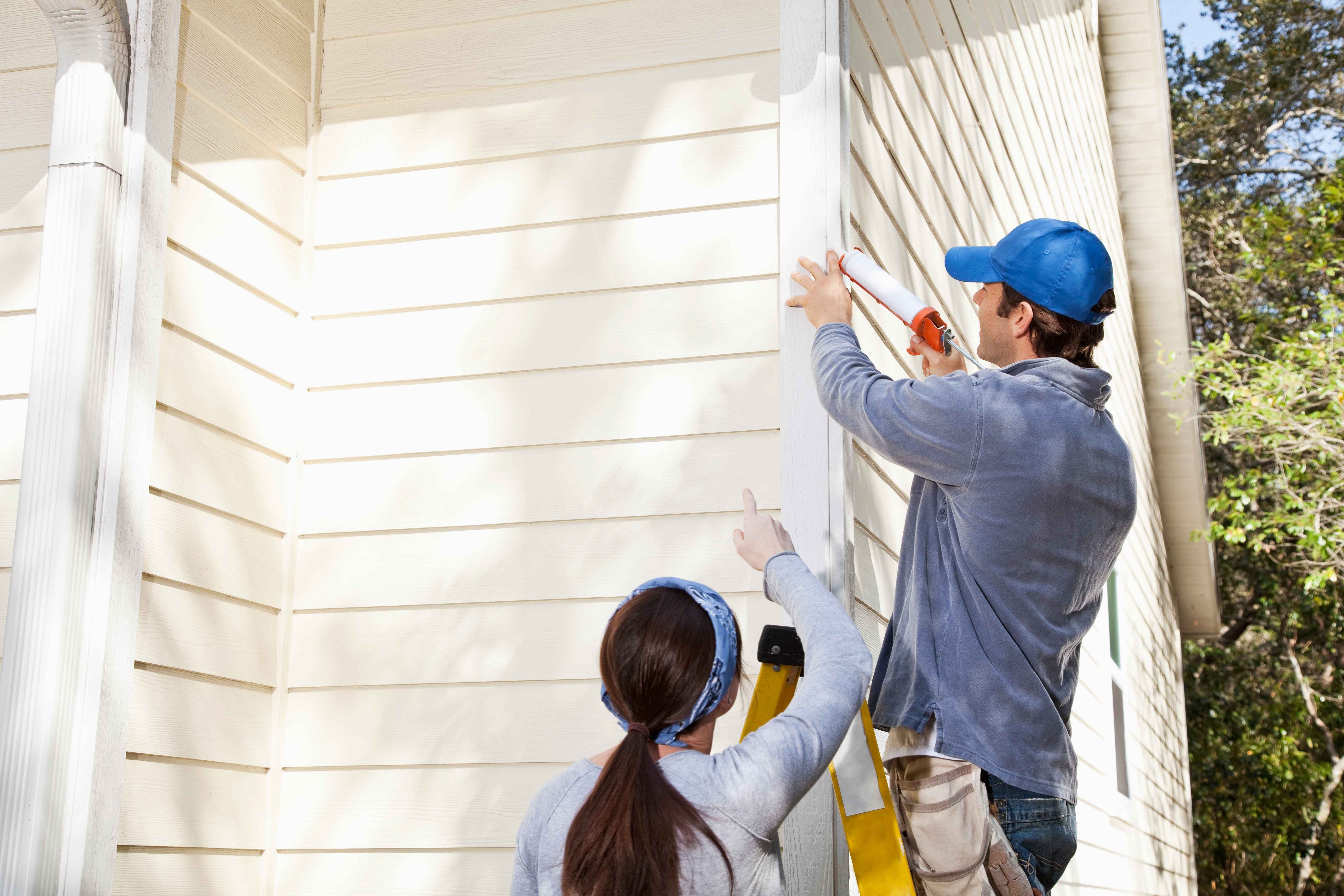
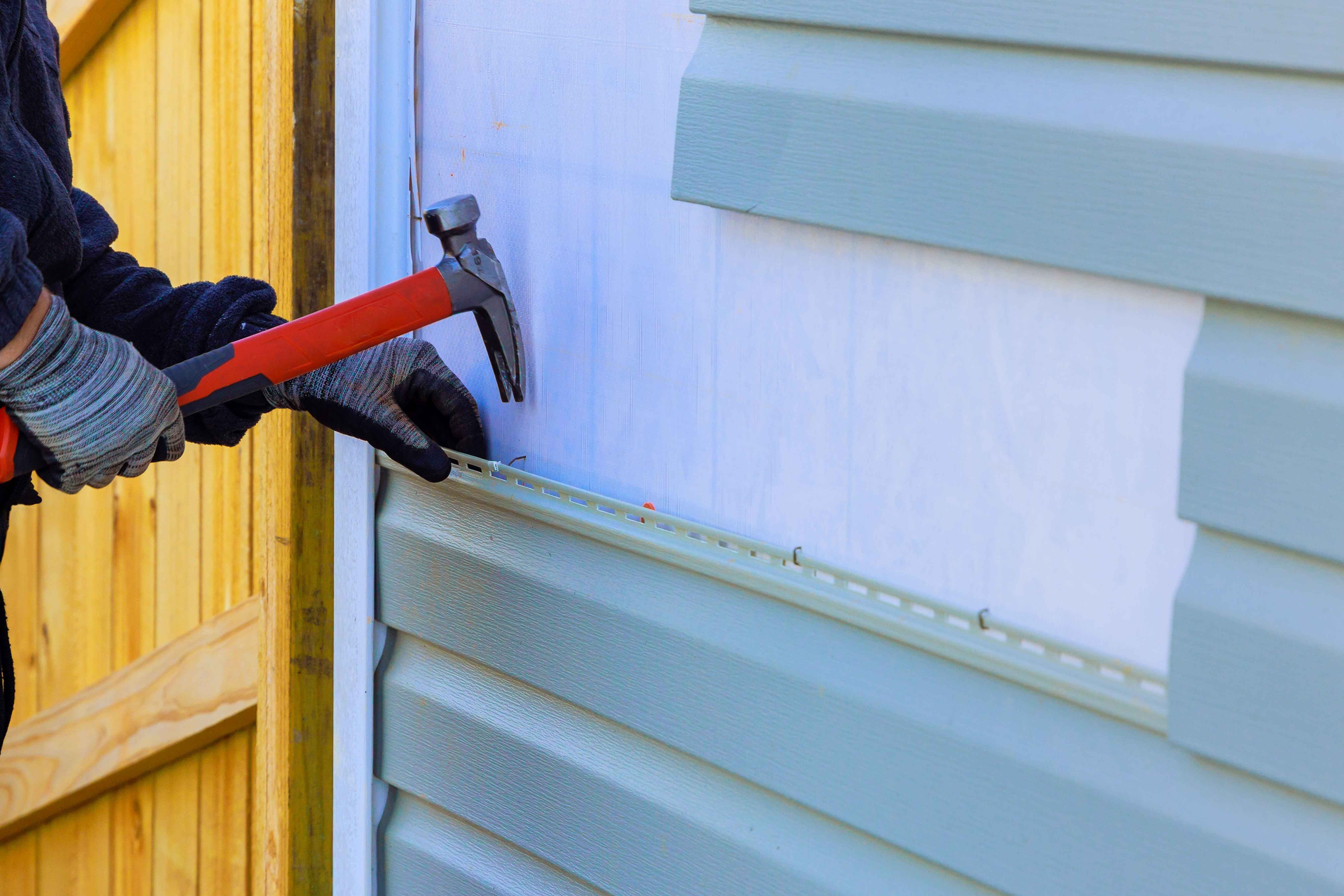
Fiber cement siding is heavier than most other siding types, making it more difficult to handle and install. It also requires specialized tools for cutting and precise techniques to ensure a proper fit. Because of this, installation costs are typically higher, and DIY installation isn’t recommended. Hiring a professional contractor (preferably one certified by the manufacturer) is highly advised to ensure it’s installed correctly and performs as intended.
Making The Decision for Your Home
Choosing the right siding for your home is a big investment, and fiber cement is just one of several options worth considering. By weighing the pros and cons, you can decide whether its durability, fire resistance, and long-term value outweigh the higher upfront cost and professional installation requirements.
If you’re still on the fence, that’s where we come in. Our team has years of experience helping homeowners compare materials, explore design options, and understand what will work best for their home and budget.
Not Ready for a Consultation?
Still exploring your options? Get free siding and roofing samples shipped to your door and see what works best for your home.
Get Free Samples
Frequently Asked Questions About Fiber Cement Siding
How long does fiber cement siding last?
Fiber cement siding can last approximately 30–50 years with proper installation and maintenance. Its lifespan depends on the product, climate, exposure to moisture, and how well the siding is maintained.
Is fiber cement siding better than vinyl siding?
Fiber cement siding offers excellent durability, fire resistance, and design versatility, while vinyl siding is generally more affordable upfront and requires relatively little maintenance. The best option depends on your budget, climate, aesthetic preferences, and long-term goals.
Is fiber cement siding worth the higher cost?
For many homeowners, fiber cement siding is worth the higher upfront investment because of its durability, long lifespan, and relatively low maintenance needs. However, the overall value depends on installation costs, the product selected, and how long you plan to stay in your home.
Does fiber cement siding require a lot of maintenance?
No. Fiber cement siding is considered low maintenance compared with natural wood siding. Routine cleaning and periodic inspections can help keep it in good condition. Painted siding may eventually need repainting, depending on the finish, weather exposure, and manufacturer recommendations.
Is fiber cement siding fire-resistant?
Yes. Fiber cement siding is non-combustible, meaning it does not ignite or contribute fuel to a fire in the same way as combustible materials. However, the siding alone does not make a home fireproof, and overall fire protection depends on the entire exterior assembly and surrounding conditions.
Does fiber cement siding help insulate a home?
Fiber cement siding provides limited insulation on its own. Homeowners looking to improve energy efficiency may benefit from adding continuous exterior insulation or upgrading other parts of the building envelope. Actual performance depends on the complete wall assembly.
Can fiber cement siding look like real wood?
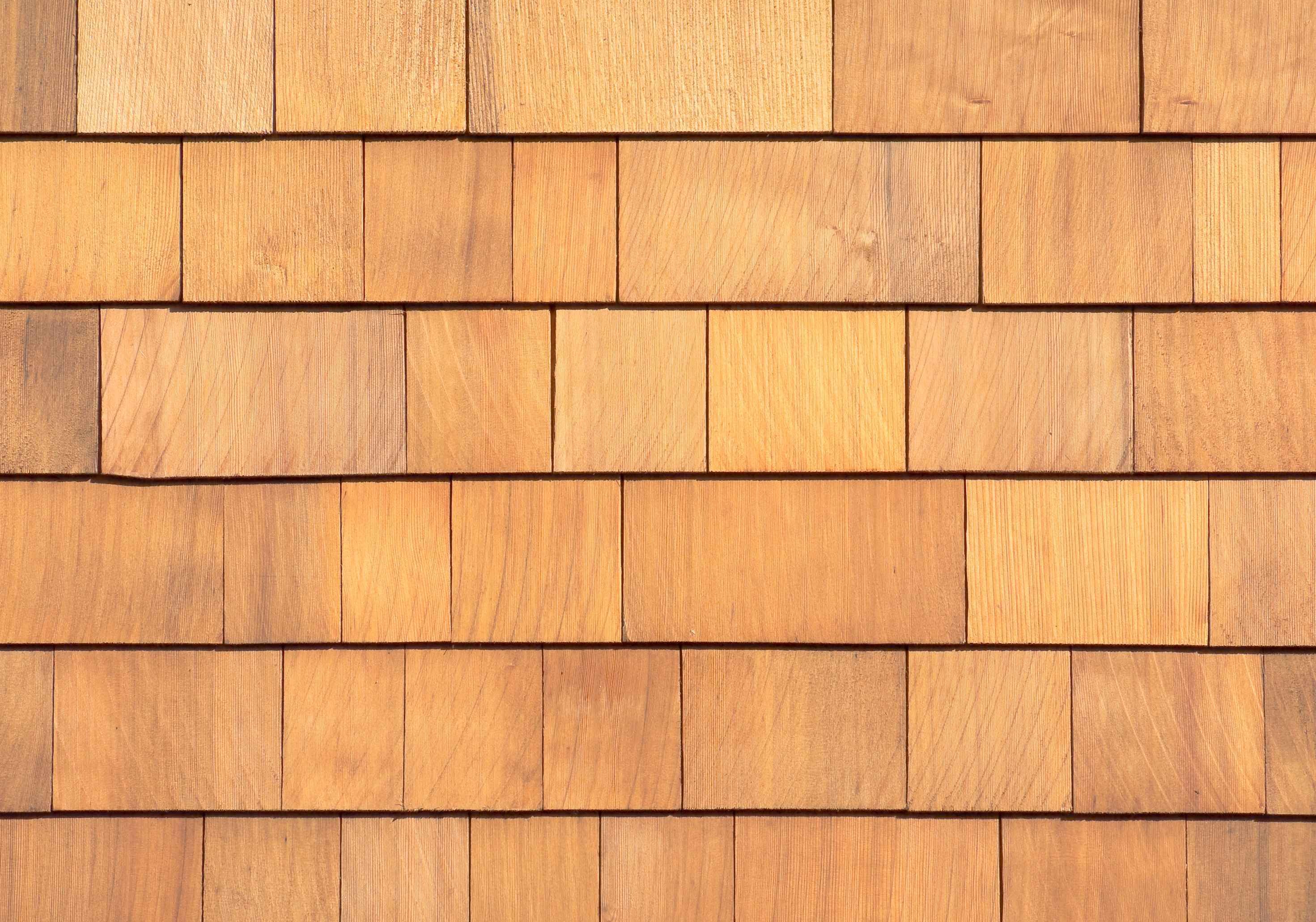
Yes. Fiber cement siding is available in wood-grain textures and a variety of profiles, including traditional lap siding, shingles, and board-and-batten. These options allow homeowners to achieve the appearance of natural wood with less susceptibility to rot and insect damage.
Is fiber cement siding suitable for wet or humid climates?
Yes. Fiber cement can perform well in wet and humid climates when properly installed and maintained. Correct flashing, moisture management, clearances, and paint or finish maintenance are important for preventing water-related damage over time.
Can I install fiber cement siding myself?
Although DIY installation is possible for experienced individuals, fiber cement siding is heavy and requires specialized cutting tools, proper handling, and precise installation techniques. Hiring an experienced contractor familiar with the manufacturer's installation requirements can help ensure long-term performance.
How do I know if fiber cement siding is right for my home?
Consider your budget, desired appearance, local climate, maintenance expectations, and how long you plan to own your home. Comparing samples can also help you evaluate colors, textures, and profiles before making a decision.
Still comparing siding options? Pacific Exteriors offers free siding and roofing samples shipped directly to your home, so you can explore different styles before scheduling an estimate. When you're ready, schedule your free at-home estimate to discuss your home's needs, your budget, and the options that make the most sense for your project.
Topics: