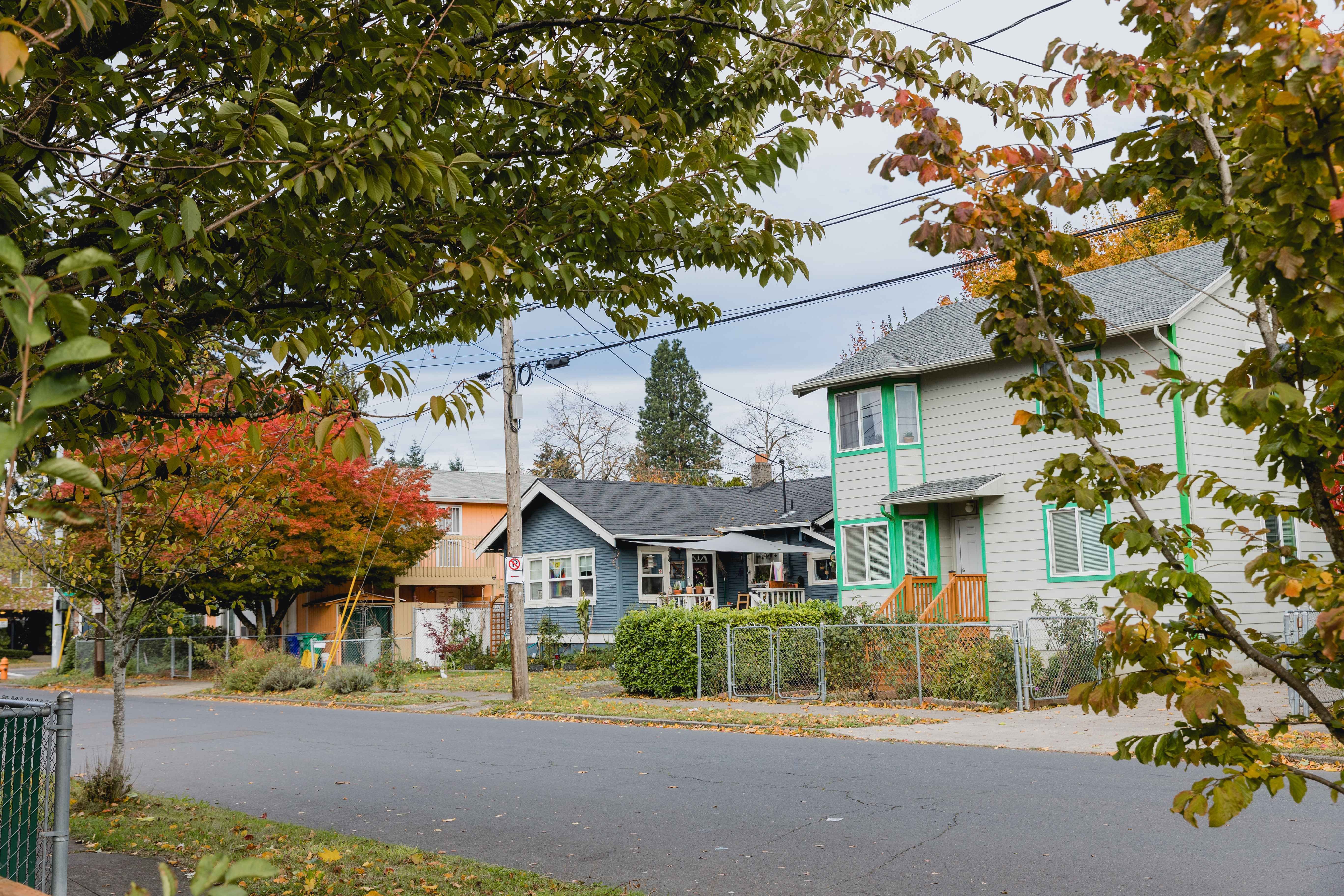

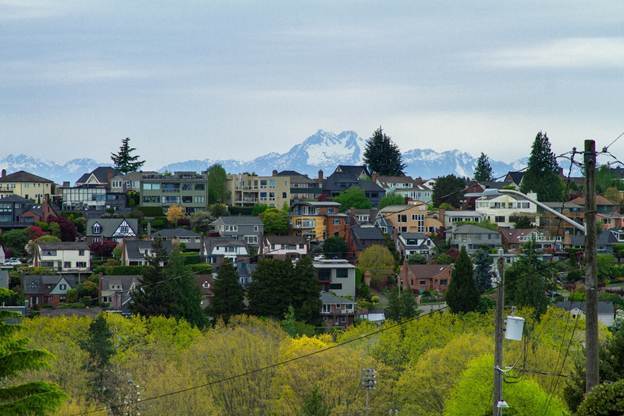
For homeowners in Seattle, Bellingham, Portland, Salem, and throughout Western Washington and Oregon, two of the most common siding options are fiber cement and vinyl. Both materials offer unique benefits, but they perform very differently when exposed to the long-term challenges of the Pacific Northwest climate.
At Pacific Exteriors, we have spent more than 15 years installing siding systems throughout the Pacific Northwest and Southeast. We understand how regional weather conditions impact siding performance, durability, maintenance requirements, and long-term value.
In this guide, we’ll compare fiber cement and vinyl siding in the Pacific Northwest, including the pros and cons of each material, how they handle moisture and temperature changes, installation considerations, maintenance requirements, and which siding option provides the best long-term value for your home.
Fiber Cement vs. Vinyl: Quick Comparison
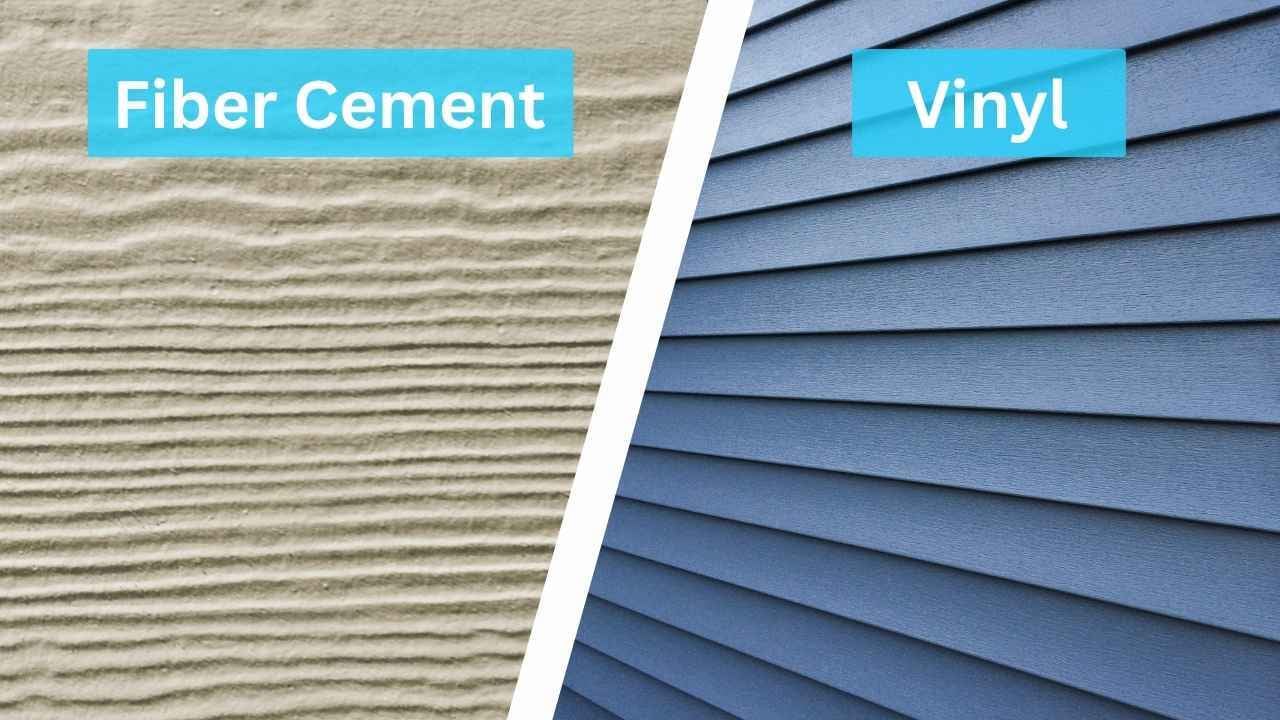
.jpg?width=1280&height=720&name=Fiber%20cement%20vs.%20vinyl%20(1).jpg)
If you're wondering whether fiber cement or vinyl siding is the better choice for your Pacific Northwest home, fiber cement is the clear winner for most homeowners.
While both materials offer benefits, the PNW's long rainy seasons, high humidity, temperature fluctuations, and occasional windstorms demand a siding material built for long-term durability and moisture protection.
At a Glance:
Best Overall for the PNW: Fiber Cement
- Superior moisture resistance
- Lower long-term maintenance and repair costs
- Resistant to rot, pests, fire, and impact damage
- 30–50+ year lifespan
Best for Budget-Conscious Homeowners: Vinyl
- Lower material and installation costs
- Wide variety of colors and styles
- Lightweight and easier to install
- Ideal for homeowners prioritizing affordability over longevity
Key Takeaway:
- Choose fiber cement if your goal is long-term durability, better protection against the PNW climate, and a high return on investment (ROI).
- Choose vinyl if your primary concern is minimizing upfront costs and you're comfortable with the potential for more maintenance, repairs, and a shorter lifespan.
The PNW Climate: What Your Siding Is Up Against
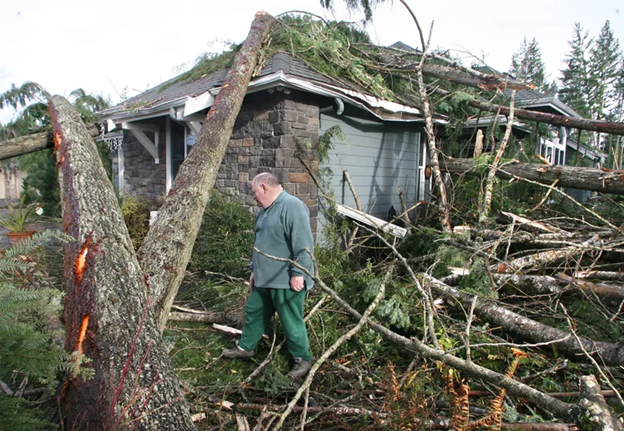
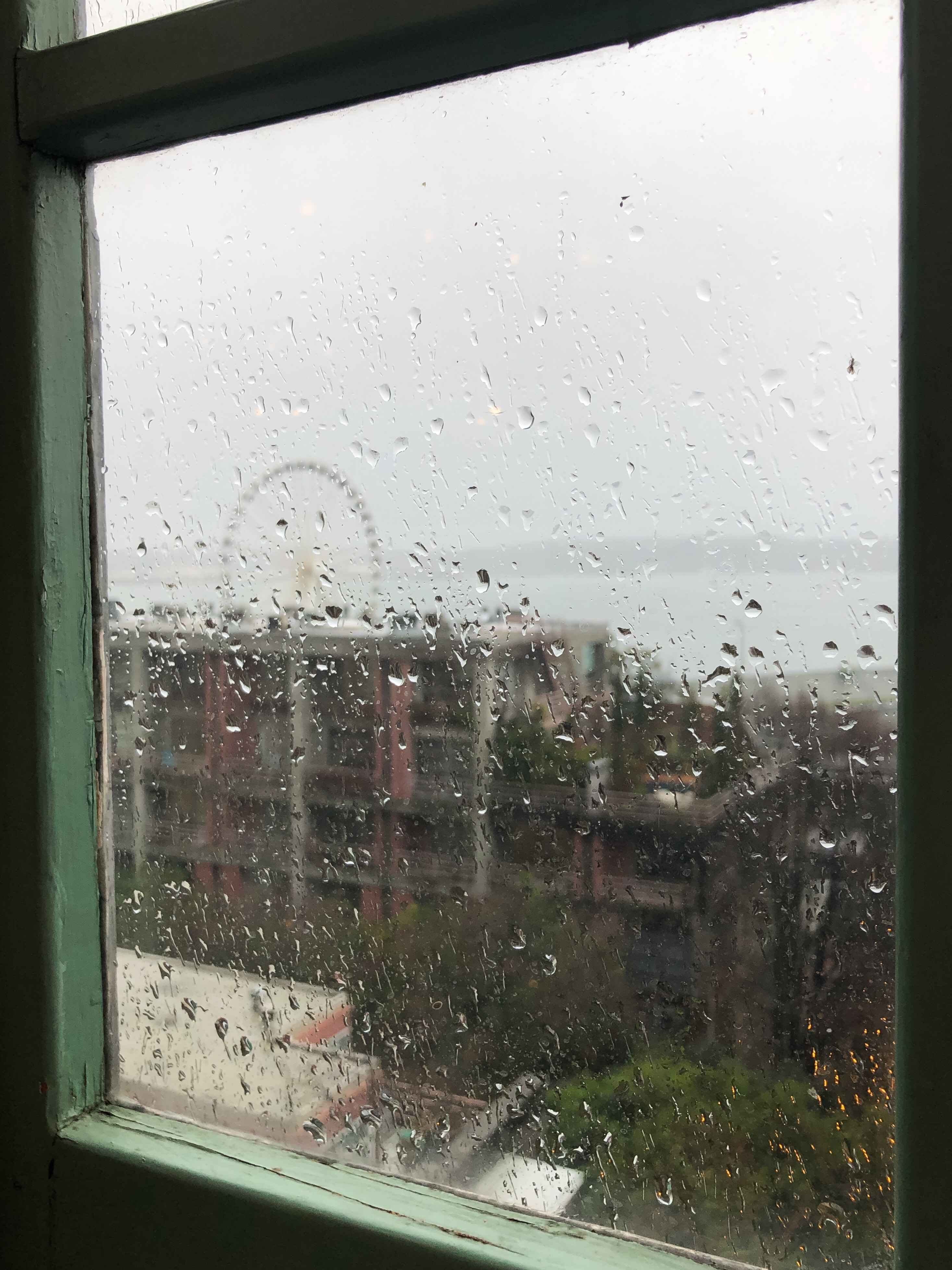
The Pacific Northwest’s climate can be tough on home exteriors. Long periods of rain, persistent moisture, strong winds, and seasonal temperature swings can gradually wear down siding and increase the risk of water intrusion and exterior damage.
Here’s what your PNW siding is up against:
- Rain: Long wet seasons expose siding to repeated rainfall, increasing the risk of water absorption, rot, and hidden moisture damage.
- Moisture: High humidity and damp conditions can slow drying, allowing moisture to linger and increasing the potential for mold, mildew, and material deterioration.
- Wind-Driven Rain: Strong winds and wind-driven rain can force moisture behind siding, trim, and flashing, potentially causing damage within the wall system.
- Temperature Swings: Seasonal changes cause some siding materials like vinyl to expand and contract. Over time, this movement can contribute to cracks, gaps, warping, and premature wear.
Because siding serves as your home’s first line of defense against the elements, choosing a material that can withstand the PNW’s conditions is critical.
Fiber Cement Siding in the Pacific Northwest
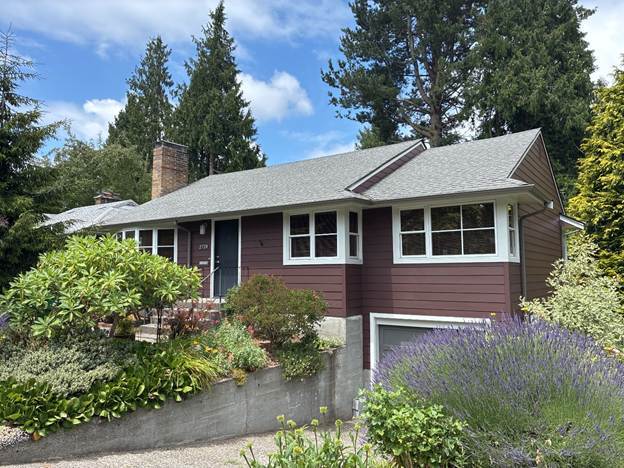
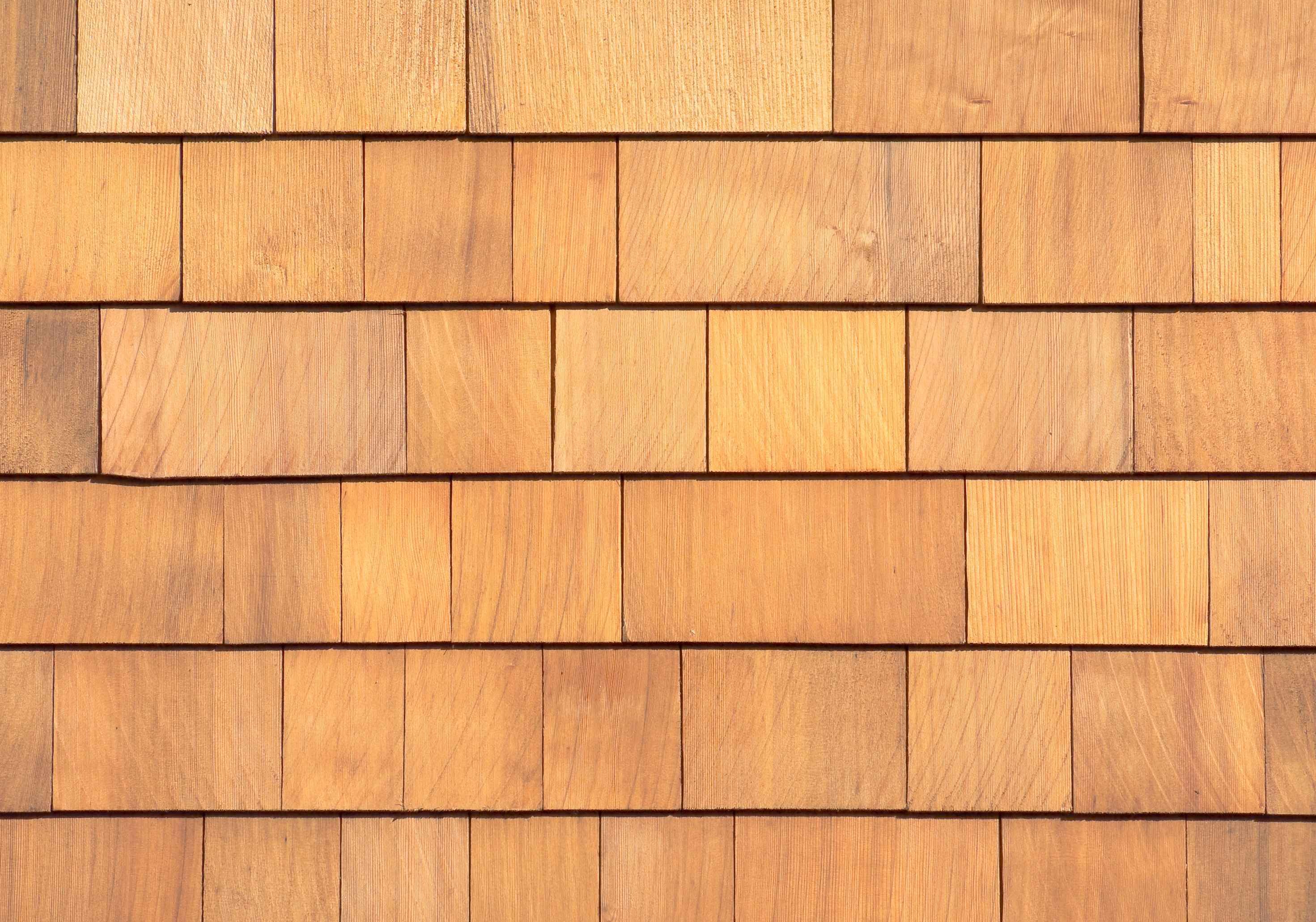
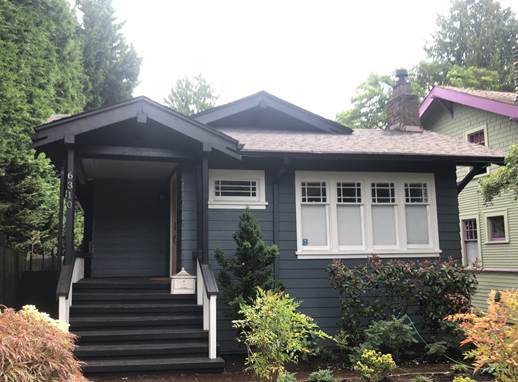
Fiber cement siding has become one of the most popular premium siding options for homeowners throughout Washington and Oregon. Made from a combination of Portland cement, sand, water, and cellulose fibers, fiber cement is engineered to provide long-term durability in demanding climates.
Manufacturers such as James Hardie fiber cement offer siding products specifically designed for different climate zones, helping homeowners choose siding systems that perform well in their local environment.
For the PNW, fiber cement siding is especially an ideal choice because it combines moisture resistance, durability, fire resistance, and low maintenance.
Pros of Fiber Cement Siding
Excellent Moisture Resistance
Fiber cement siding is one of the most reliable siding options for homes exposed to the PNW’s long, wet seasons. Unlike traditional wood siding, fiber cement does not readily absorb moisture, helping reduce the risk of swelling, warping, rot, and wood-eating pest damage.
Choosing a siding material that can withstand constant moisture exposure is essential in the PNW, and fiber cement provides the durability needed to protect homes for decades.
Built for PNW Temperature Fluctuations
Fiber cement siding is built to withstand a wide range of weather conditions, from freezing temperatures to intense summer sun and seasonal temperature changes. Its dense, stable composition is less prone to significant expansion and contraction than materials such as vinyl siding.
This durability can help reduce movement-related issues at siding joints, seams, trim connections, and caulking, helping the exterior maintain its appearance and weather resistance over time.
Fire Resistance and Storm Protection
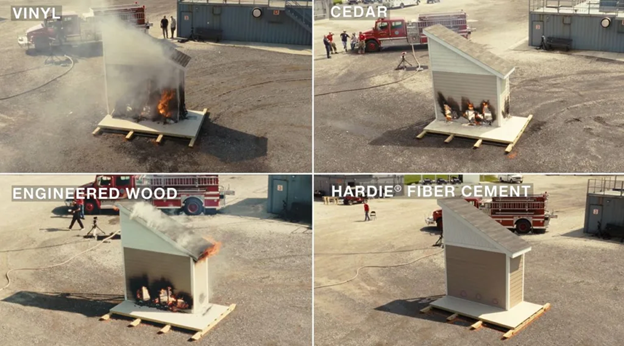
Fiber cement siding provides an advantage for homeowners concerned about wildfire risks and severe weather because of its durable, non-combustible composition.
- Non-Combustible Protection: Does not easily ignite or contribute fuel to a fire when the home is near wildfire events or is exposed to nearby flames or heat. This makes it a valuable option for homes in areas of Washington and Oregon where wildfire risks are increasing.
- Durability During Storms: Fiber cement’s strength and density allow it to better withstand impacts from wind-blown debris, falling branches, and harsh weather compared to lighter materials that may crack, dent, or become damaged more easily.
For homeowners concerned about wildfires, windstorms, and severe weather, fiber cement siding offers the durability and protection needed to help safeguard their homes year after year.
Long Lifespan and Lower Long-Term Costs
Fiber cement can last up to 30-50+ years when properly installed and maintained. Although it typically costs more upfront than lower-grade vinyl, its durability, low maintenance, and long lifespan can provide greater long-term value.
For homeowners looking for siding that can withstand the PNW’s wet, variable climate while maintaining its appearance, fiber cement is a strong long-term option.
Cons of Fiber Cement Siding
While fiber cement offers impressive durability and performance, homeowners should also consider a few potential drawbacks before making their decision.
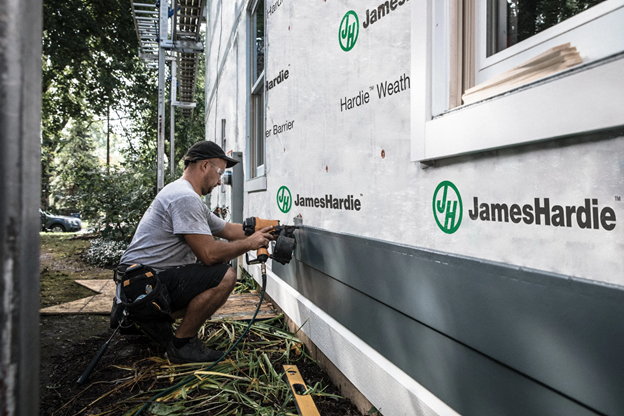
- Higher Cost: Generally costs more than vinyl siding because of its durable composition, heavier weight, and more complex installation process.
- Specialized Installation Requirements: Requires experienced siding installers and specific techniques for cutting, fastening, sealing, and handling the material properly, which can increase labor costs.
- Greater Initial Expense: The upfront cost can be a significant consideration for homeowners with strict budgets, especially when compared to more affordable siding options like vinyl.
Vinyl Siding in the Pacific Northwest
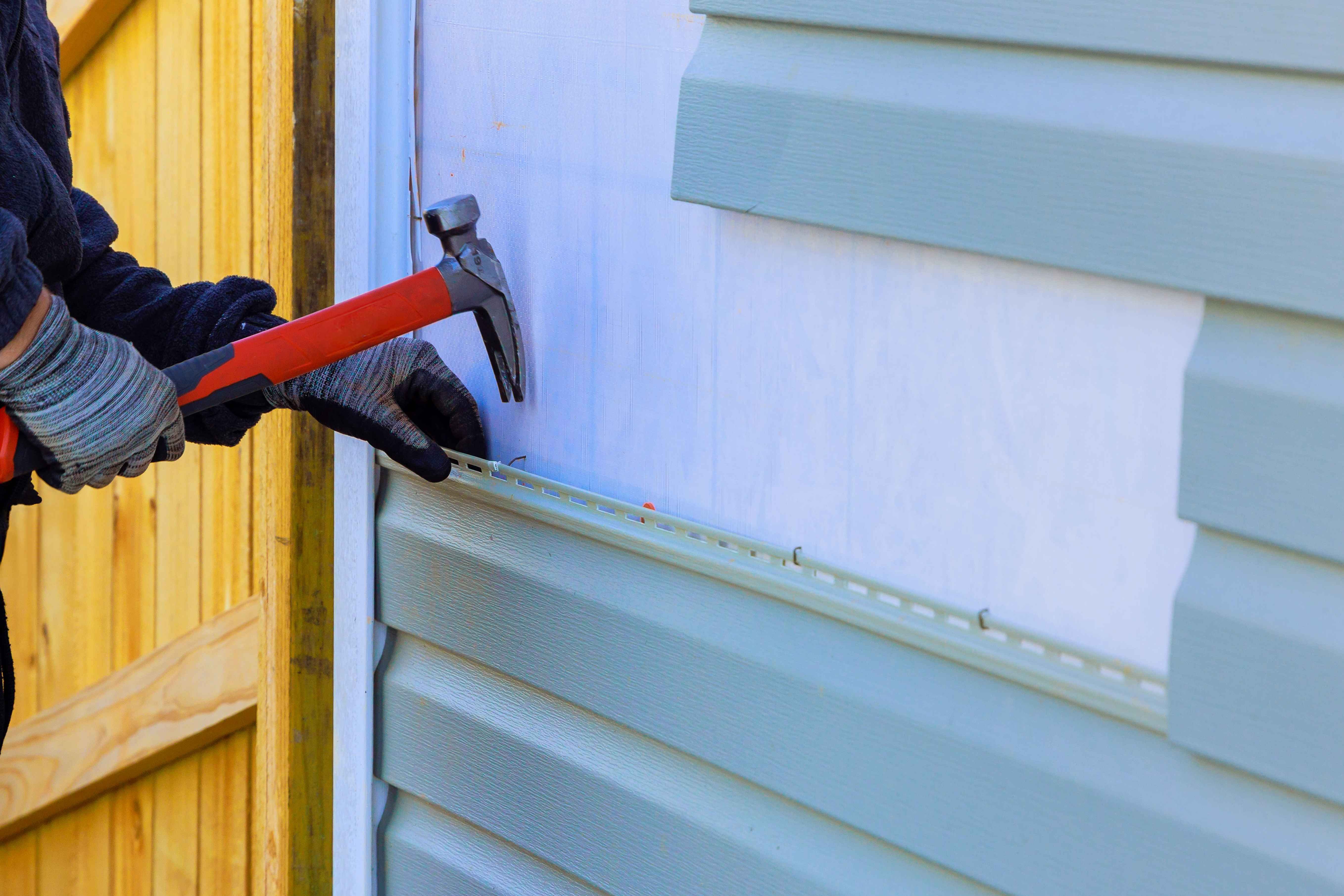
While fiber cement siding has become a popular choice among PNW homeowners, vinyl siding remains one of the most commonly installed exterior materials. Made primarily from polyvinyl chloride (PVC), a lightweight plastic material, vinyl siding is designed to resist water, insects, and everyday weather exposure.
Vinyl siding can be a practical option for homeowners, particularly those prioritizing a lower upfront cost. However, it's important to understand its limitations when exposed to the PNW’s wet climate, temperature fluctuations, and long-term moisture challenges.
Moisture Resistance
Unlike wood siding, vinyl doesn’t absorb water, which means it won’t rot, swell, or deteriorate from moisture exposure. Its plastic composition also makes it resistant to fungal decay and insect damage.
A Budget-Friendly Siding Option
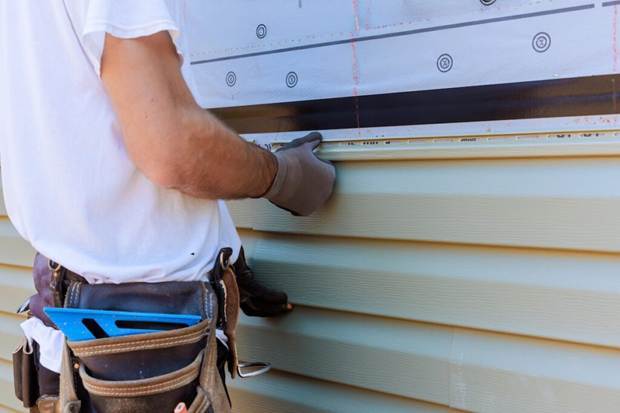
Vinyl is generally less expensive than premium siding materials like fiber cement. Its lightweight composition and relatively simple installation can also help reduce labor costs.
This makes vinyl appealing for homeowners who are primarily focused on minimizing their initial investment, including those with smaller projects or plans to sell their home within the next several years.
Wide Variety of Styles and Colors
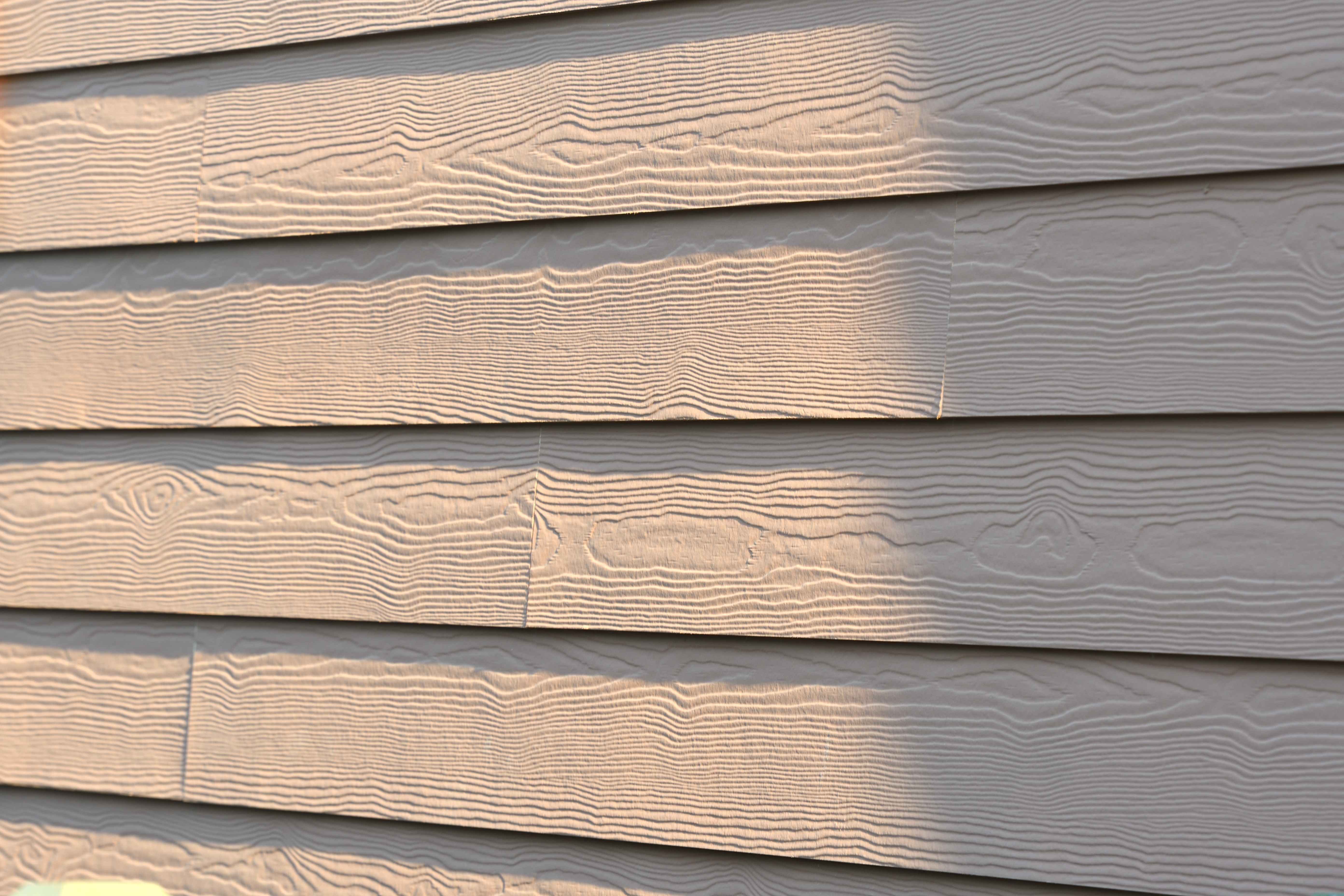
Modern vinyl siding is available in a variety of styles, textures, and colors, giving homeowners the ability to customize their home’s exterior without the higher cost associated with premium siding materials.
Common styles include:
- Traditional Lap
- Shake-Style
- Board-and-Batten
Cons of Vinyl Siding
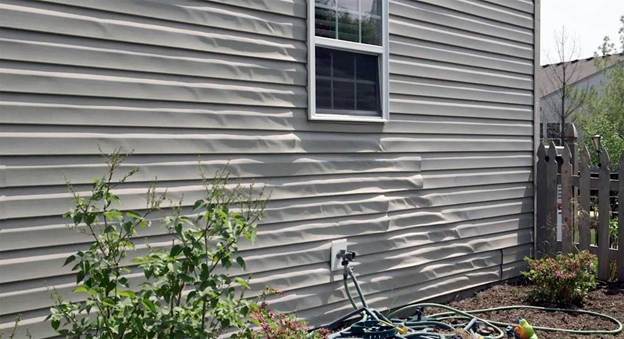
Despite its benefits, vinyl siding comes with trade-offs that can affect its durability, appearance, and long-term performance. These drawbacks become especially important in the PNW, where homes are exposed to months of rain, humidity, and changing temperatures.
- Interlocking Design and Hidden Moisture Risk: Vinyl’s interlocking panels allow flexibility during wind and temperature fluctuations. However, these gaps between panels can also allow moisture to enter behind the siding. Because vinyl itself does not rot, moisture damage to sheathing, insulation, or framing may go unnoticed until it’s too late.
- Potential for Warping and Buckling: Due to vinyl’s repeated cycle of expansion and contraction, the panels are stressed to the point where warping, distortion, or buckling is common. This can create an uneven exterior appearance and reduce the siding’s ability to properly protect the home.
- Lower Impact Resistance: Strong windstorms, hail, falling branches, and other debris can crack, puncture, or damage panels. While individual sections can often be replaced, matching older siding can become difficult over time as original panels fade over the years.
- Fading and Heat Damage: Years of sun exposure can cause colors to fade, appear uneven, or develop a chalky appearance. Additionally, excessive heat from sources like grills, fire pits, or reflected sunlight from windows can also cause panels to soften, warp, or even melt.
- Shorter Lifespan: Has a lifespan of 20-40 years and may require replacement sooner than more durable materials.
Fiber Cement & Vinyl Comparison
| Factors | Vinyl | Fiber Cement |
|
Initial Cost |
Lower |
Higher |
| Lifespan |
20-40 years |
30-50+ years |
| Heat Resistance |
Can warp/soften in extreme heat |
Highly stable, won’t warp |
| UV Resistance |
Fades over time, quickly in sunny, warm climates |
Strong fade resistance with ColorPlus finish |
| Moisture Resistance |
Can trap moisture behind panels |
Doesn't absorb moisture |
| Mold/Mildew Risk |
Higher in humid environments |
Low risk |
| Storm Resistance |
Can crack or loosen |
High impact resistance |
|
Pest Resistance |
Moderate |
Excellent |
|
Fire Resistance |
Low |
High (non-combustible) |
|
Maintenance |
Moderate to high over time |
Low |
The Final Verdict: What Pacific Exteriors Recommends
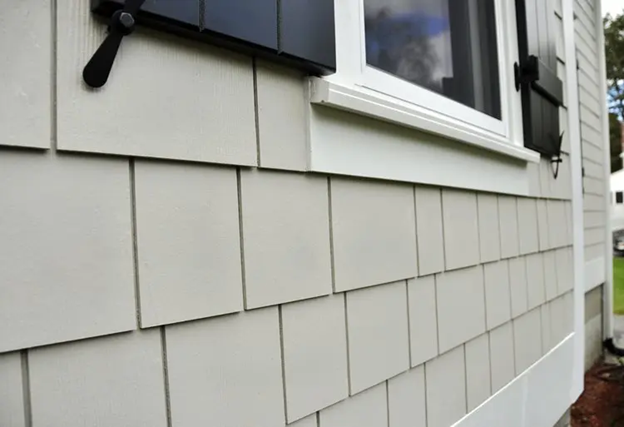
If you’re planning to stay in your home long term, fiber cement offers greater durability, moisture resistance, and long-term value. Meanwhile, vinyl remains a practical option for homeowners prioritizing lower upfront costs.
Nonetheless, if you're looking for siding that will protect your home, maintain its appearance, and provide lasting peace of mind for decades to come, fiber cement is the clear winner for PNW homes.
Protect Your Home with Pacific Exteriors LLC

Choosing the right siding material is only part of the equation. Proper installation is essential to ensuring your siding performs as intended for years to come.
With more than 15 years of experience serving homeowners throughout Washington and Oregon, Pacific Exteriors installs siding systems designed to withstand the Pacific Northwest’s challenging climate.
As a James Hardie Elite Preferred Contractor, our team meets rigorous standards for James Hardie fiber cement installation quality, training, and customer satisfaction.
Ready to find the right siding for your Pacific Northwest home?
Schedule your free consultation and estimate with Pacific Exteriors today. Our team can help you evaluate your options, choose the right siding for your home and budget, and ensure it’s professionally installed for long-term performance.