


Getting a siding quote is an important step toward improving your home’s appearance, protection, and long-term durability. But when an estimate includes unfamiliar terms, multiple line items, material specifications, unclear labor costs, and potential additional charges, it can be difficult to know exactly what you are paying for.
A good siding quote should do more than give you a total price. It should clearly explain the materials, scope of work, installation process, warranties, payment terms, and how unexpected issues will be handled.
At Pacific Exteriors, we believe homeowners should understand their exterior remodeling project before work begins. With more than 15 years of experience serving homeowners in the Pacific Northwest and Southeast, our approach centers on clear communication, quality workmanship, and honest recommendations.
In this guide, we'll explain what to look for in a siding estimate, how siding costs are determined, and questions to ask before signing so you can make a confident decision.
What Should Be Included in a Siding Quote?
A complete siding estimate should give you a clear picture of what the contractor will do, which materials they will use, how much the project will cost, and what happens if hidden damage is discovered.
Look for these key components:
.jpg?width=569&height=805&name=Final%20Siding%20Quote%20Checklist%20(1).jpg)
If an estimate simply says "siding installation" followed by a single price, it may not provide enough information to understand what’s actually included. A legitimate siding estimate should outline the project's scope rather than simply provide a number.
Scope of Work and Installation Materials
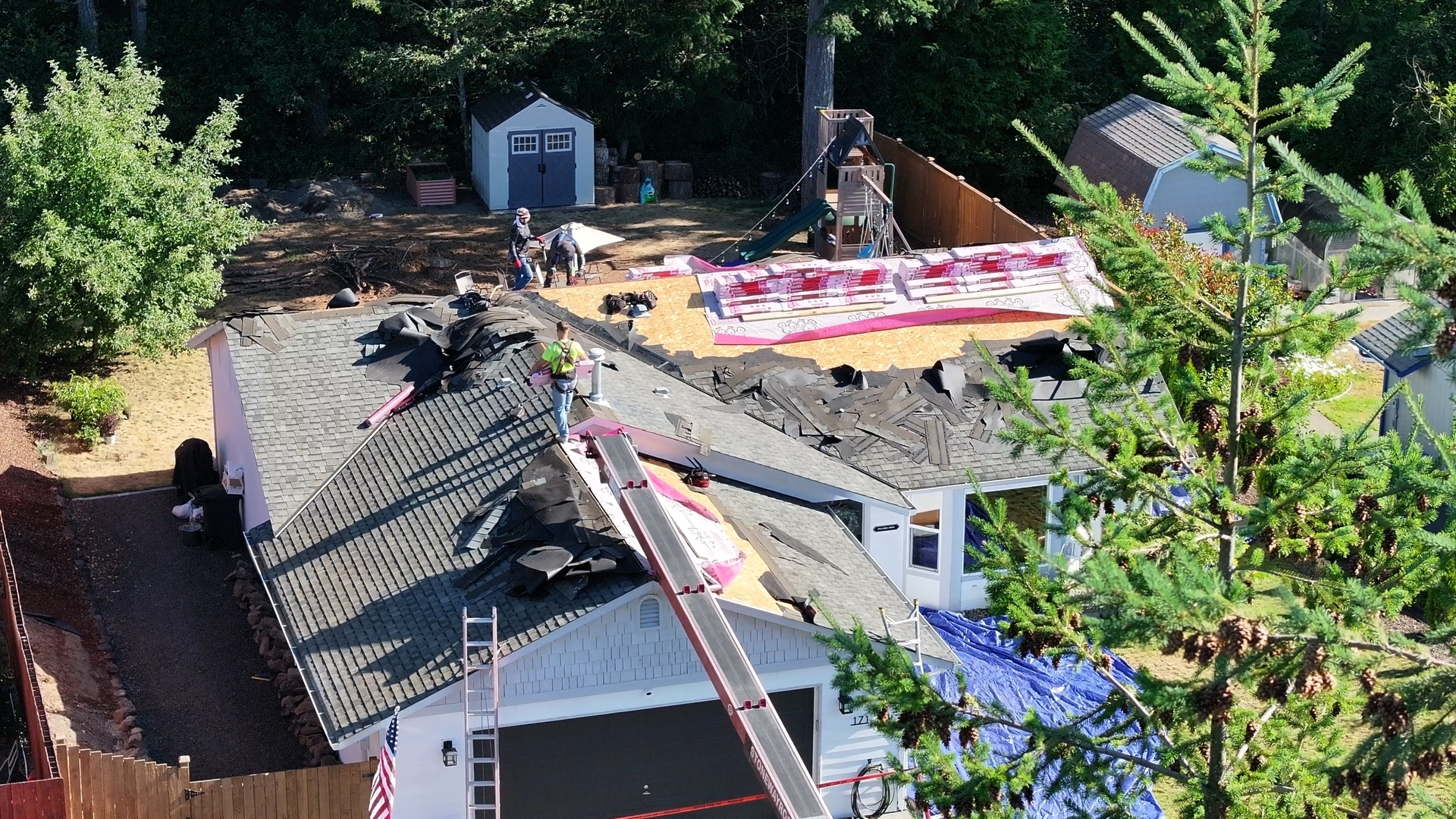
The scope of work is one of the most important parts of a siding quote because it defines exactly what the contractor will do. A complete scope should cover the project from tear-off through final cleanup, including preparation, moisture protection, installation, and potential repairs.
Rather than simply stating “siding replacement,” look for a breakdown of each major stage:
Removal of Existing Siding
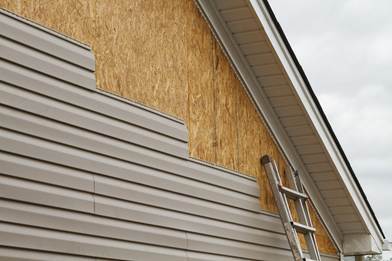
Confirm whether all existing siding will be removed, how it will be handled, and whether disposal is included. If multiple layers are present, ask whether additional removal costs may apply.
Inspection of the Underlying Materials
After tear-off, the contractor should inspect the sheathing, framing, weather barrier, and other components for hidden moisture damage or rot.
Sheathing or Framing Repairs
Ask how concealed damage will be handled. Repairs may be included, priced separately, or addressed through a written change order once the damage is documented.
Moisture Protection
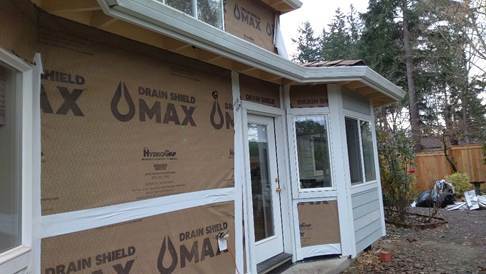
The quote should identify the weather-resistant barrier or house wrap and any moisture-management work, including flashing around windows, doors, and other vulnerable areas.
Siding Installation
The scope should identify the siding manufacturer, product, material, profile, finish, and color, along with the installation work involved.
It should also clearly define the areas included in the project, using terms such as “entire wall” or “all soffits” rather than relying solely on measurements. This helps prevent artificially low initial quotes that exclude portions of the work and lead to additional charges later.
Trim and Accessories
Confirm which components are included in the quote, such as corner pieces, starter strips, trim, J-channels, soffits, fascia, and mounting blocks. Soffits and fascia are especially easy to overlook, so verify whether they are included in the scope or priced separately to avoid unexpected costs later.
Site Protection
Ask how landscaping, driveways, walkways, windows, doors, and other areas will be protected during demolition and installation.
Final Cleanup and Debris Removal
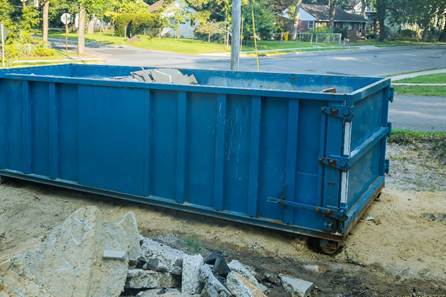
Confirm how old siding, packaging, and construction debris will be removed and whether disposal, dumpster costs, and final cleanup are included.
A detailed scope makes it easier to understand what you're paying for and compare contractors. If one quote includes tear-off, moisture protection, trim, disposal, and cleanup while another only lists “siding installation,” the prices aren't necessarily comparable.
How Should Labor Appear on a Siding Estimate?
Labor may appear as a separate line item or be included in the total project price, depending on how the contractor structures the estimate. Some contractors bundle labor with materials and other project costs to provide a complete price rather than breaking out individual charges.
Regardless of how labor is presented, the estimate should clearly explain the work included, such as removing existing siding, preparing the exterior, installing new materials, and cleaning up the job site. If anything is excluded or may require additional charges, ask the contractor to clarify before signing.
What Can Affect Labor Costs?
Labor requirements depend on more than just your home’s square footage. Home size and number of stories, accessibility, existing sheathing conditions, architectural complexity, and local wage costs can all affect the amount of work and time involved.
When labor is included in a fixed project price rather than billed by the hour, homeowners also have greater cost predictability. They are less likely to face unexpected charges simply because the work takes longer than anticipated, provided the project scope remains unchanged. Before signing, confirm whether the price is fixed and under what circumstances additional charges may apply.
Siding Manufacturer and Product Line
Your quote should identify the specific manufacturer and product line, not just the general siding material. “Fiber cement siding” or “vinyl siding” describes the material, but it does not tell you exactly which product you’re receiving.
At a minimum, look for:
Manufacturer
The company that produces the siding. This allows you to research the product's specifications, installation requirements, and manufacturer warranty.
Product line or collection
Your siding quote should state the specific series or product being quoted. A manufacturer may offer multiple siding lines with different features, styles, finishes, and price points.
For example: James Hardie offers ColorPlus Technology, which features factory-applied color. Additionally, Hardie also offers their Artisan Siding product line, which features a thicker profile designed to create deeper shadow lines.
Identifying the exact product line helps you understand what materials are included in the quote and compare estimates accurately.
Material

The type of siding, such as fiber cement, vinyl, engineered wood, natural wood, aluminum, or steel.
Profile or style
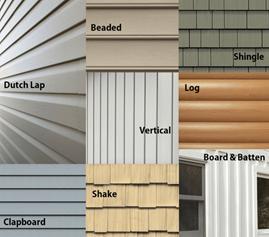
The shape and configuration of the siding, such as lap, Dutch lap, board-and-batten, shakes, or shingles. Different profiles can have different material and installation costs, so listing the exact style helps you understand what you're paying for and compare quotes accurately.
Texture and Color
The texture refers to the surface appearance of the panels, such as smooth, wood grain, etc. Meanwhile, quotes should also disclose the selected color name and, when applicable, the manufacturer's color code. This is particularly important for factory-finished panels when concerning repairs and replacement.
Relevant specifications
Dimensions, thickness, panel or board size, or other product-specific details that affect the material or installation.
This level of detail helps you verify that the product you discussed with the contractor is the same product listed in the contract. It also reduces the risk of unintended material substitution.
Why Does This Level of Detail Matter?
A detailed product description gives you a clear record of what you agreed to purchase. It makes it easier to compare estimates, verify pricing, review warranty information, and confirm that the installed material matches the product you selected.
If a quote only says “fiber cement siding,” ask the contractor to provide the manufacturer, product line, profile, exposure, finish, and color before signing. The more specific the product description is, the fewer surprises there are during the project.
Tear-Off and Disposal
A detailed estimate should explain if the removal and disposal of the existing siding system are included and how the debris will be handled. These costs can represent a significant portion of the project, so they should not be left vague or assumed to be included in the siding installation price.
Hidden Damage
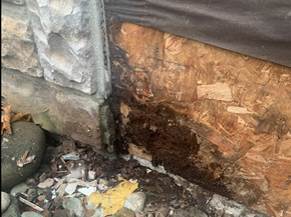
Sheathing rot
Concealed damage is one of the most common reasons a siding project's final cost can change.
The quote should also address what happens if hidden damage is discovered during tear-off. A quality contractor should have a clear process for documenting unexpected damage, explaining the recommended repairs, providing the additional cost, and getting your approval before performing work beyond the original scope.
Important question to ask before signing: How are change orders handled if the condition behind the existing siding is different from what was expected?
What Warranties Should Be Listed?
Your siding quote should include documentation of both manufacturer warranty and labor warranty coverage.
Manufacturer warranties address the siding product itself, while a contractor's labor warranty addresses installation-related work. Specific coverage depends on the product, contractor, and warranty terms.
Ask:
- What manufacturer warranty applies to this product?
- Is the contractor certified or approved by the manufacturer?
- What labor warranty is included?
- What does each warranty cover?
A complete estimate should identify the applicable warranty coverage rather than simply saying "warranty included."
Why Can Two Similar-Sized Homes Have Different Siding Quotes?

Two homes with similar square footage can require very different amounts of labor and materials.
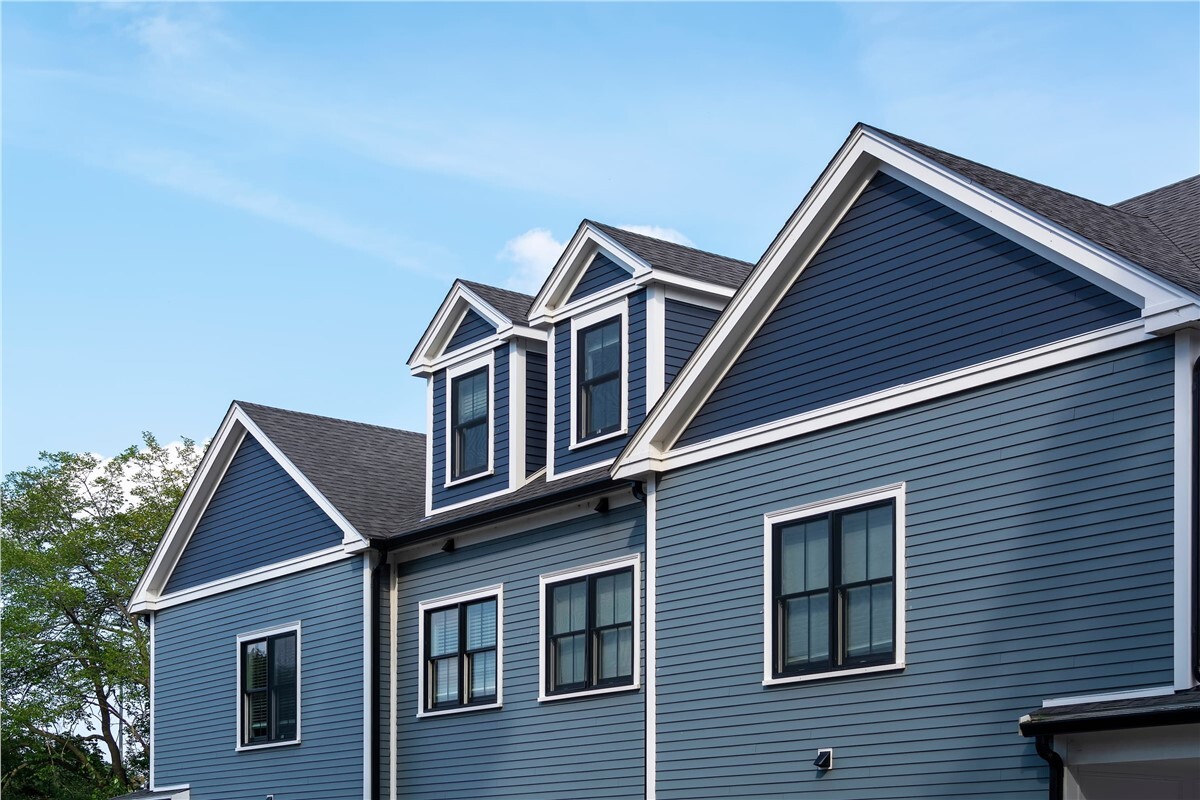
A contractor should measure the home's actual exterior siding area rather than simply using the home's interior square footage. Wall height, gables, dormers, additions, windows, doors, and other architectural features all affect the project.
For example, a home with multiple gables and dormers may require more cutting, flashing, trim, and installation time than a home with large, uninterrupted wall surfaces.
The bottom line: Don't assume two siding quotes should cost the same simply because the homes have similar square footage.
Don't Automatically Choose the Lowest Bid
The cheapest siding estimate isn't always the least expensive project. A lower price may reflect a smaller scope of work, fewer included materials, or costs that have not yet been accounted for.
For example: one contractor may include complete tear-off, moisture protection, trim, disposal, and cleanup, while another may only price the siding installation. The second estimate may look cheaper but could cost more once excluded work is added.
The goal should be to find the best value for the complete scope of work, not simply the lowest number. Compare the product, materials, labor, warranties, and scope, alongside the final price.
8 Questions to Ask Before Signing a Siding Quote
Before you sign, ask your contractor:
- What manufacturer, product line, profile, finish, and color are specified?
- Is removal and disposal of my existing siding included?
- What weather-resistant barrier and flashing are included?
- Are trim, soffits, fascia, and accessories included or separate?
- What happens if you discover rot, water damage, or damaged sheathing?
- How will additional work be priced and approved?
- What manufacturer and workmanship warranties are included?
- What exactly is included in the final price?
How Long Is a Siding Estimate Valid?
Siding estimates are not always valid indefinitely. Material costs, labor availability, product pricing, and project conditions can change over time, so the validity period depends on the contractor and the terms of the estimate.
At Pacific Exteriors, our estimates are valid for a full year (365 days), giving homeowners more time to review their options and make a decision without feeling pressured to move forward immediately.
A longer validity period can also give you more time to compare contractors, review the scope, consider financing, and plan your project. However, it’s still important to confirm that the original price and scope remain unchanged before scheduling work, particularly if significant time has passed.
If you don't understand the terms, cost, or condition in your estimate, ask the contractor to explain it. A professional should be willing to walk you through the quote and clarify what you're agreeing to before you sign.
Get a Clear, No-Pressure Siding Estimate with Pacific Exteriors

Choosing a siding contractor is a significant investment in your home. You shouldn't have to decode a vague estimate or wonder what is and isn't included.
At Pacific Exteriors, we believe homeowners deserve clear communication, honest recommendations, and a detailed understanding of their project before work begins. We provide siding services throughout the Seattle, Portland, Atlanta, and Chattanooga areas, with a focus on quality workmanship and transparent project planning and pricing.
Ready to understand what your siding project may involve? Request a free, no-obligation siding estimate from Pacific Exteriors and get the information you need to plan your project with confidence.
Frequently Asked Questions
What should I look for in a siding quote?
A siding quote should include a detailed scope of work, specific siding materials and product information, labor costs, tear-off and disposal, moisture protection, trim, warranties, payment terms, and procedures for approving additional work. Reviewing these details helps you understand the total cost and compare contractors accurately.
How do I compare siding quotes from different contractors?
Compare the full scope of work rather than just the final price. Check whether each estimate includes the same siding product, removal and disposal, weather-resistant barriers, flashing, trim, labor, repairs, cleanup, and warranty coverage. A lower bid may exclude important work that increases the final cost.
Why might my final siding cost be higher than the original quote?
Unexpected issues, such as rotted sheathing, water damage, or deteriorated framing discovered during siding removal, can increase project costs. Before signing, ask how the contractor documents hidden damage, prices additional work, and obtains your approval through a written change order.
Should a siding quote include warranties?
Yes. Your estimate should identify the applicable manufacturer warranty for the siding product and the contractor's workmanship or labor warranty. These warranties cover different aspects of the project, so review their specific terms, coverage, exclusions, and limitations before signing.
How long is a siding estimate valid?
Estimate validity depends on the contractor and the terms provided. At Pacific Exteriors, siding estimates are valid for one full year (365 days), giving homeowners more time to review their options and plan their projects without unnecessary pressure.
Is the cheapest siding quote the best option?
Not necessarily. A lower estimate may exclude removal, moisture protection, trim, disposal, or other necessary work. Compare the materials, installation details, warranties, and complete scope of work to determine which contractor offers the best overall value.
Topics: