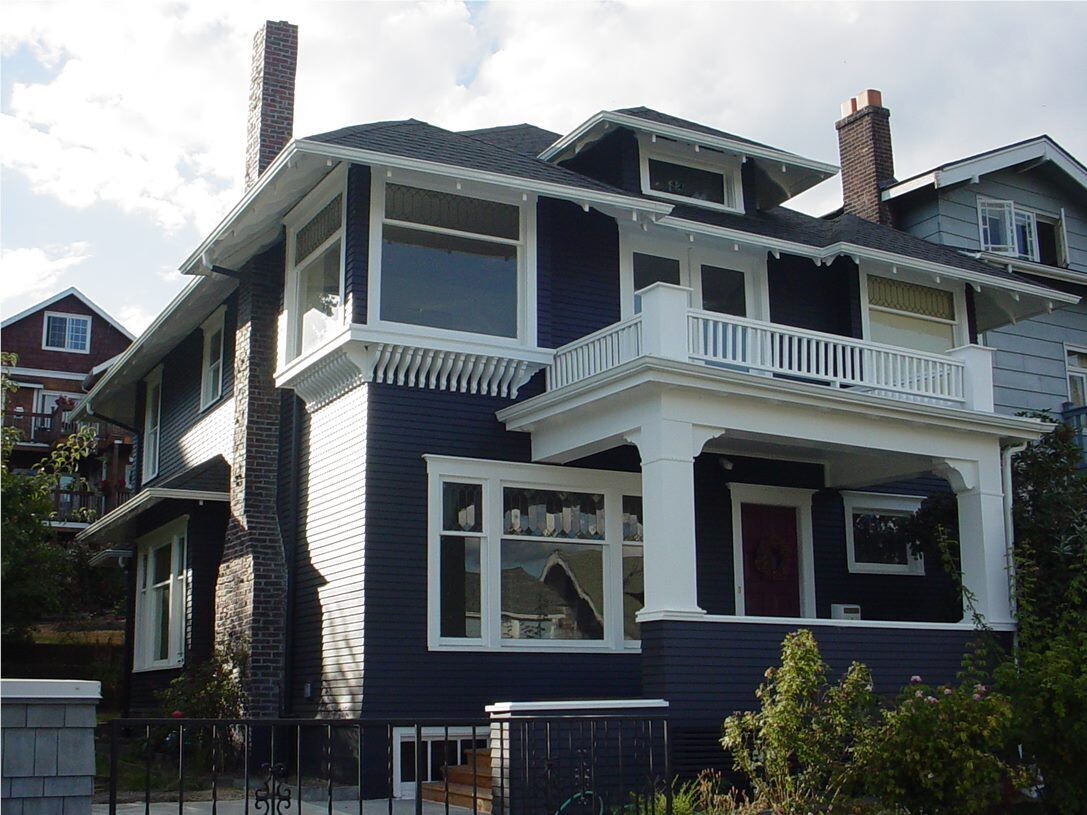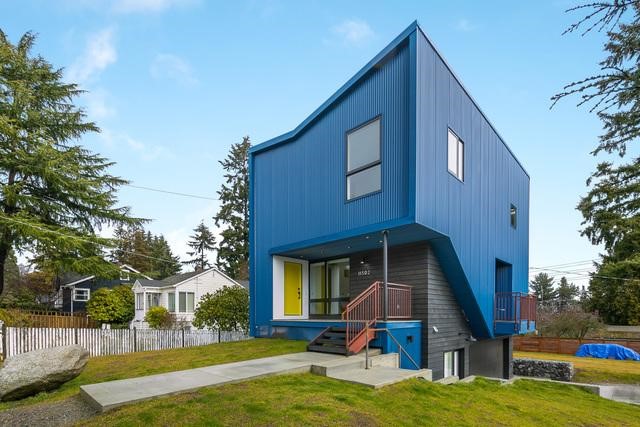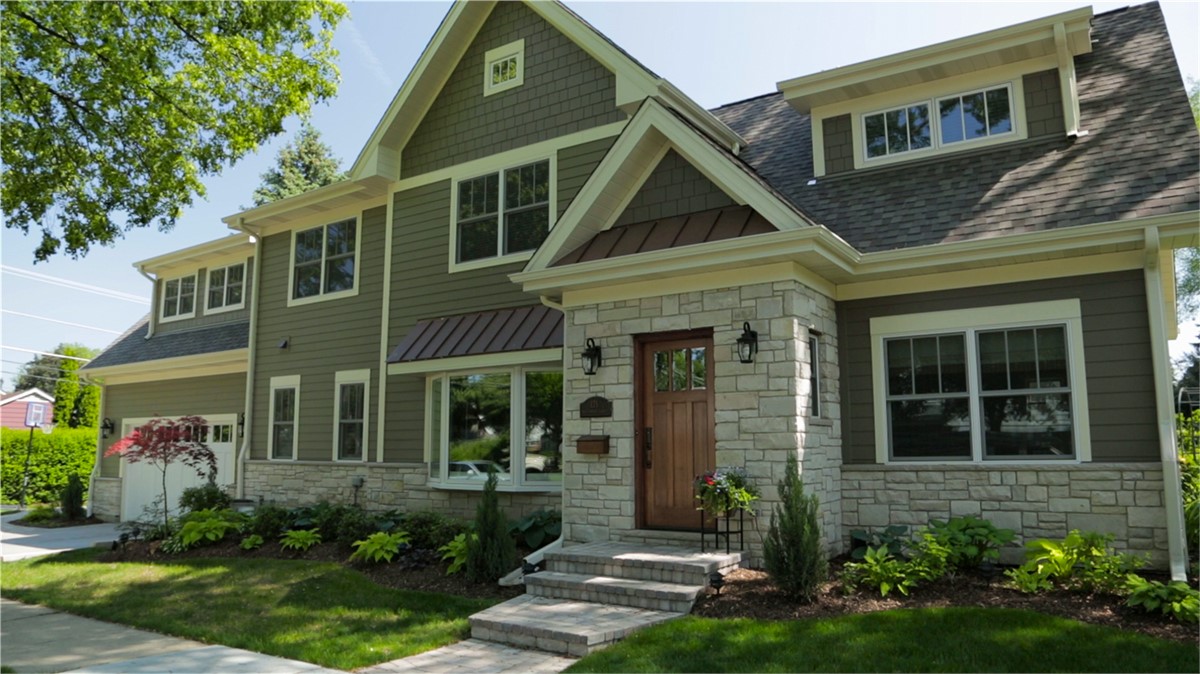



Many Seattle homeowners make the mistake of budgeting around a single number without considering labor, demolition, site conditions, permits, hidden damage, material lifespan, or the requirements of Seattle's wet climate. These conditions can lead to unexpected costs, project delays, or difficult decisions once construction begins.
Pacific Exteriors has been serving homeowners since 2008. As a result, we understand the importance of clear project scopes, transparent estimates, and realistic planning.
In this guide, we’ll cover the most common budgeting mistakes Seattle homeowners make during exterior renovations and how to plan for the full cost of your next exterior renovation.
At a Glance: Exterior Renovation Budget Mistakes
Relying only on cost per square foot: This can overlook your home's unique structure and the actual scope of the project.
Underestimating labor and installation: Preparation, demolition, installation, and cleanup can significantly affect the final cost.
Skipping a contingency fund: Hidden damage or unexpected repairs can push the project over budget.
Comparing bids by price alone: A lower estimate may exclude important work or costs.
Choosing materials based only on upfront price: Lower-cost materials (like low-grade vinyl) can have higher maintenance, repair, or replacement costs over time.
Forgetting additional expenses: Permits, disposal, taxes, financing, and other fees can increase the total project cost.
Failing to define project goals: Unclear priorities can lead to scope changes, unnecessary upgrades, and budget overruns.
1. Budgeting Based Only on Cost Per Square Foot
Cost per square foot can provide a useful starting point, but it shouldn’t be the foundation of your entire exterior renovation budget.
Keep in mind that contractors typically calculate costs based on the square footage of the exterior being replaced, not your home's livable square footage or the number you might see listed on Zillow or another real estate site.
A square-foot price does not account for the complexity of your home
Two homes with similar square footage can require very different amounts of work depending on their design, layout, and exterior details. Multiple stories, steep rooflines, dormers, and other architectural features can make installation more detailed and time-consuming.
Details such as trim and flashing can also affect the scope
Areas around windows, doors, rooflines, corners, and transitions often require additional materials and precise installation. These details may not be reflected in a basic square-foot calculation but can significantly affect the overall project.
Initially, a square-foot estimate can be helpful for comparing general pricing, but a complete budget should account for the specific design and installation requirements of your home, not just its size.
Get a Detailed Exterior Renovation Estimate
Before committing to a siding, roofing, or exterior painting project, make sure you understand what’s included in the proposed scope.
Request a free, no-obligation exterior estimate from Pacific Exteriors and get a clearer picture of your home's exterior renovation needs.
2. Underestimating Local Labor Costs
Homeowners naturally tend to focus on material prices, but materials are only one part of an exterior renovation. Quality installation requires skilled labor, preparation, demolition, cleanup, and careful attention to manufacturer requirements.
Labor can be a significant expense in Seattle since the construction labor market remains one of the most expensive in the Pacific Northwest.
These industry prices are influenced by:
High cost of living: Higher wages and business operating costs can increase contractor labor rates.
General labor rates are commonly reported around $23–$43 per hour, while licensed trades can range from $120–$200+ per hour.
Local requirements: Licensing, insurance, permits, and other regulatory costs can also contribute to the overall price.
Skilled labor shortages: Experienced roofers, siding installers, carpenters, etc. are more in demand than general contractors, which can raise labor costs.
3. Not Budgeting for Hidden Damage
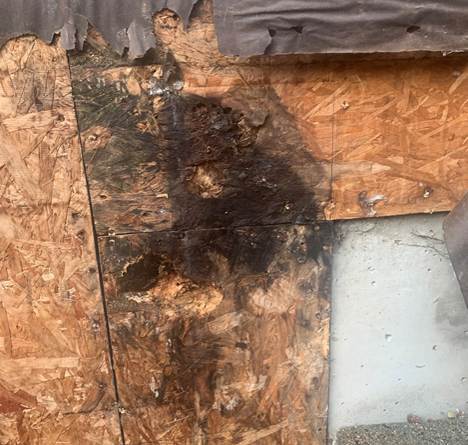
Some of the most difficult exterior renovation costs to predict are hidden behind existing materials. Contractors can inspect visible conditions during an estimate, but issues may not become apparent until siding, roofing, trim, or other materials are removed.
Seattle's wet climate makes moisture-related damage an important consideration; some common discoveries include:
- Rotten sheathing or framing
- Damaged trim
- Moisture-related deterioration
- Failed flashing
- Wet insulation
These issues can increase both project costs and timelines. As a result, homeowners should consider a 10% to 20% contingency fund for projects involving significant demolition or invasive work, depending on the home's age, condition, and scope.
For example: If your siding replacement uncovers damaged sheathing, having funds reserved for potential repairs can make the situation much easier to manage.
A contingency is a financial cushion, not money you should expect to spend. Before starting, ask your contractor how hidden damage is handled, how additional costs will be communicated, and whether you will approve repair costs before the work is performed.
4. Comparing Contractor Bids by the Bottom Line
One of the biggest budgeting mistakes is assuming the lowest estimate is automatically the best value.
A $25,000 estimate and a $32,000 estimate may appear significantly different until you compare what each contractor is actually proposing.
For example: One bid may include weather-resistive barriers and flashing, trim, permits, cleanup, specific installation requirements, a workmanship warranty, etc.
Meanwhile, another contractor may leave some of these factors out, list them as additional costs, or describe them vaguely. This can make a lower bid appear more affordable than it actually is or can leave out crucial factors that contribute to your home’s durability and performance.
When comparing estimates, look beyond the bottom line: review the full scope of work, materials, labor, warranties, and exclusions to understand what you are actually paying for.
Overall, the difference in price may reflect a difference in project scope.
How to Compare Exterior Renovation Estimates
Instead of comparing only the final numbers, compare each initial estimate line by line.
Look for:
.jpg?width=671&height=758&name=Initial%20estimate%20checklist%20(1).jpg)
A detailed, professional estimate makes it easier to understand why contractors may recommend different prices.
5. Ignoring Seattle’s Climate and Long-Term Material Costs
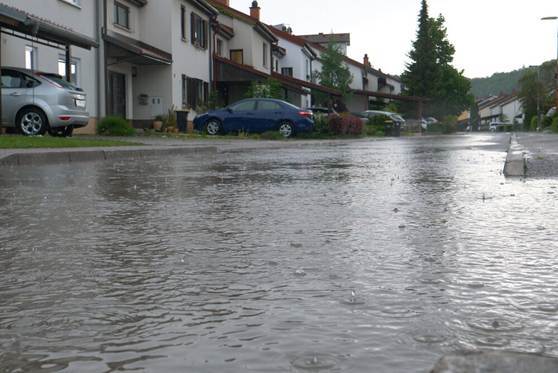
Choosing a budget-friendly exterior material can help lower the initial cost, but the cheapest option upfront is not always the cheapest over time.
Seattle's wet climate makes durability and maintenance especially important when choosing exterior materials.
For example: Fiber cement siding is a durable option well-suited to the Pacific Northwest due to it being moisture-resistant, extremely durable in extreme temperatures, etc.
Meanwhile, low-grade vinyl can be more susceptible to trapping moisture behind panels, warping, or weather-related damage. Since it’s prone to damage early on, this can result in premature replacement or repairs.
With low-quality materials, maintenance requirements can add up significantly over the years. What initially appears to be a budget-friendly choice can eventually exceed your budget once maintenance, repairs, and potential replacement costs are considered.
When comparing materials, consider more than the initial price. Durability, maintenance, lifespan, warranties, and suitability for Seattle's climate can all affect the true long-term cost.
6. Forgetting Permits, Fees, and Other Small Costs
Homeowners can overlook smaller project costs that, when combined, can push the final budget higher than expected.
Depending on the project, additional costs may include:
|
Potential Cost |
What It May Cover |
|
Permit and inspection fees |
Required permits and inspections based on the project's scope and location. |
|
Disposal costs |
Removal and disposal of existing siding, roofing, or other construction debris. |
|
Sales tax |
Applicable taxes on materials and services. |
|
Design expenses |
Professional design services, material selections, or other planning assistance. |
|
Financing costs |
Interest or fees associated with financing the renovation. |
|
Site protection |
Covering landscaping, windows, walkways, and other areas during construction. |
|
Temporary storage |
Storage for materials, equipment, or household items if applicable |
Not every project will require all of these expenses; the costs depend on the home's location, project scope, contractor, and materials selected.
Without clear goals, it can be difficult to determine what work is necessary, what fits your budget, and which recommendations are worth considering.
Start by identifying the primary purpose of the renovation: are you addressing an active leak, replacing failing siding, improving curb appeal, reducing maintenance, or improving energy efficiency?
Your priorities can also help determine where your budget should go. Before requesting estimates, consider:
- Problems that need to be addressed: Repairs or performance issues that should take priority
- Improvements you want to make: Changes that would improve the home's appearance, durability, or functionality
- Optional upgrades: Enhancements you would consider if they fit within your budget
- Budget: The amount you are comfortable investing in the project
- Timeline: If there’s a specific day/month you want the work completed and whether it’s possible to make that deadline
- Material preferences: Materials, colors, styles, or finishes you are considering
Defining these priorities makes it easier to communicate with contractors and compare their recommendations. It also helps prevent contractors from trying to upsell you with additional work or upgrades, going beyond what you originally planned.
How to Create an Accurate Exterior Renovation Budget
A realistic budget should separate known costs from potential costs.
.jpg?width=579&height=724&name=How%20to%20Create%20an%20Accurate%20Exterior%20Renovation%20Budget%20(1).jpg)
Budget for Your Exterior Renovation with Confidence

We understand that budgeting for an exterior renovation can feel difficult. There are many factors that can affect the final cost, from materials and labor to permits, site conditions, hidden damage, and installation requirements.
At Pacific Exteriors, we believe homeowners should have the information they need to make informed decisions about their homes. We work within the budget you set and prioritize the improvements that matter most to you, without unnecessary upselling or pushing your project beyond your budget.
Planning a siding, roofing, or exterior painting project? Contact Pacific Exteriors LLC for a free estimate.
Frequently Asked Questions
How much should I budget for an exterior renovation in Seattle?
The cost of an exterior renovation depends on the home's size, materials, labor, project complexity, preparation, permits, and existing conditions. Rather than relying on a single cost-per-square-foot figure, build your budget around the specific scope of work and include a contingency for unexpected repairs.
What can cause an exterior renovation to cost more than expected?
Hidden damage is one of the most common reasons costs can increase after work begins. Removing siding, roofing, or other exterior materials may reveal rotten sheathing, damaged trim, failed flashing, moisture-related deterioration, or other issues that were not visible during the initial inspection.
Should I have a contingency fund for an exterior renovation?
A contingency fund can help cover unexpected costs when demolition or invasive work reveals hidden damage. For projects involving significant demolition, the article recommends considering a 10% to 20% contingency, depending on the home's age, condition, and project scope.
How should I compare exterior renovation estimates?
Look beyond the final price. Compare each estimate's scope of work, materials, labor, preparation, permits, warranties, exclusions, and additional costs. Two contractors may provide different prices because they are proposing different levels of work or including different items in their estimates.
Is the cheapest exterior renovation estimate always the best option?
Not necessarily. A lower estimate may exclude important work or list certain costs as additional expenses. Reviewing the complete scope can help you understand whether you are comparing similar projects rather than simply comparing the bottom-line price.
What additional costs should I include in my renovation budget?
Depending on the project, your budget may need to account for permits and inspections, disposal, sales tax, design services, financing costs, site protection, and temporary storage. Not every project will require all of these expenses.
How does Seattle's climate affect exterior renovation costs?
Seattle's wet climate can make moisture resistance, durability, and maintenance important considerations when selecting exterior materials. Materials that require more frequent repairs or maintenance may have higher long-term costs even if their initial price is lower.
How can I avoid going over my exterior renovation budget?
Define your goals and budget before requesting estimates. Identify which problems need to be addressed, which improvements you want, and which upgrades are optional. Communicating these priorities clearly can help contractors tailor their recommendations to your needs and keep the project aligned with your budget.
Topics: