
Seattle's nearly year-round moisture is one of the biggest reasons siding fails prematurely. Constant rain, high humidity, cloudy skies, and limited drying time accelerate moisture intrusion, mold growth, wood rot, peeling paint, and hidden water damage much faster than in many other climates.
Unlike regions that experience occasional heavy storms followed by weeks of sunshine, Seattle homes are exposed to damp conditions for much of the year. Frequent rainfall, combined with cool temperatures and limited opportunities for exterior materials to dry completely, allows moisture to slowly work its way behind siding where damage often develops unnoticed.
After more than 15 years of serving homeowners throughout the Greater Seattle Area and the Pacific Northwest, Pacific Exteriors has seen firsthand how Seattle’s climate affects siding over time. From early signs of moisture damage to widespread deterioration caused by years of weather exposure, our team has helped homeowners identify problems, prevent further damage, and restore and protect their home's first line of defense.
In this guide, we'll explain why Seattle's climate is uniquely hard on siding, the most common reasons siding fails prematurely, the warning signs homeowners should never ignore, and practical maintenance steps to help extend the lifespan of siding.
Key Takeaways: How Seattle’s Climate Impacts Siding Performance
Seattle’s year-round moisture and mild but unpredictable weather conditions create a demanding environment for siding systems:
- Persistent moisture exposure: Frequent rain, high humidity, and limited drying time can keep siding damp, increasing the risk of mold, mildew, rot, and deterioration.
- Wind-driven rain impact: Strong winds can push water behind siding through gaps, cracks, and improperly sealed areas, leading to hidden moisture damage.
- Temperature fluctuations: Repeated expansion and contraction can weaken caulking, create gaps, and contribute to siding and finish failure over time.
Why Seattle's Climate Is Harder on Siding Than Most Cities

Seattle receives about 37 inches of annual rainfall, which is less than many other U.S. cities. The real challenge isn't how much rain falls; it's the frequent drizzle, high humidity, and limited opportunity for homes to dry between storms.
From October through May, siding is repeatedly exposed to damp conditions. Over time, this prolonged moisture exposure allows water to penetrate small gaps and weaknesses, creating problems that may not develop as quickly in drier climates.
As a result, Seattle homes are more susceptible to:
- Mold, mildew, and wood rot
- Moisture intrusion behind the siding
- Deteriorating caulking and sealants
- Hidden structural damage
This is why siding systems installed in Seattle must do far more than improve curb appeal; they must actively manage moisture every day of the year.
1. Constant Moisture and Humidity Preventing Siding from Drying
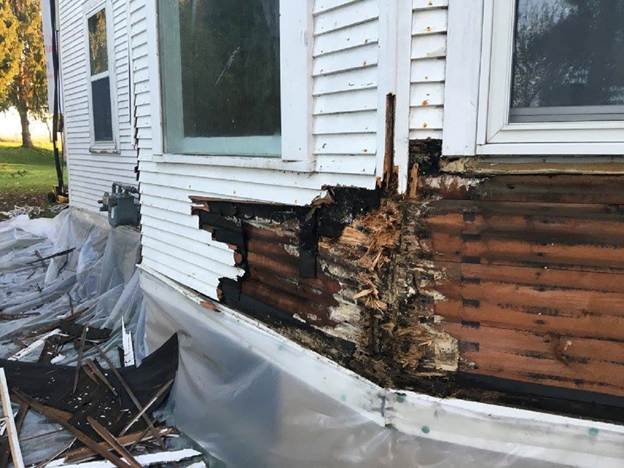
The single biggest reason siding fails prematurely in Seattle is prolonged moisture exposure. Unlike drier climates where exterior surfaces dry quickly after rainfall, Seattle's frequent drizzle, high humidity, cool temperatures, and persistent cloud cover often keep siding damp for extended periods.
Many homeowners associate moisture damage only with rain, but humidity plays an equally important role. Even after a storm passes, moist air naturally slows down evaporation, preventing siding from fully drying before the next rainfall. Instead, siding remains in a continuous cycle of absorbing moisture and slowly drying, placing constant stress on the exterior system.
This problem rarely develops because of one major storm. Instead, repeated cycles of wetting and slow drying gradually weaken protective finishes, break down caulking and sealants, and create opportunities for water to move behind the siding.
Certain areas of a home are especially vulnerable. For instance, north-facing walls, heavily shaded areas, and homes surrounded by large trees often receive less sunlight and airflow, allowing moisture to linger even longer.
Over time, these conditions can lead to:
Peeling or bubbling paint
Moisture trapped beneath painted surfaces can cause finishes to lose their adhesiveness, leading to bubbling, cracking, or peeling.
Deteriorating trim boards
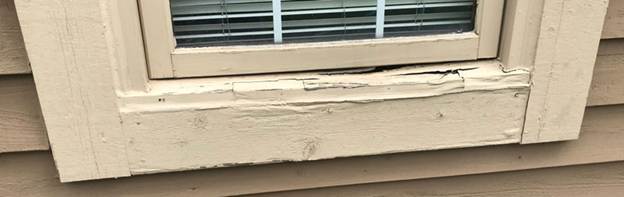
Repeated water exposure can cause wood components around windows, doors, and corners to absorb moisture, expand, and lose their original shape.
Soft spots
Areas that feel unusually soft or spongy may indicate moisture has penetrated deeper into the siding or underlying materials.
Surface staining
Dark streaks, discoloration, or water marks can signal ongoing moisture exposure or drainage issues.
Failed caulking
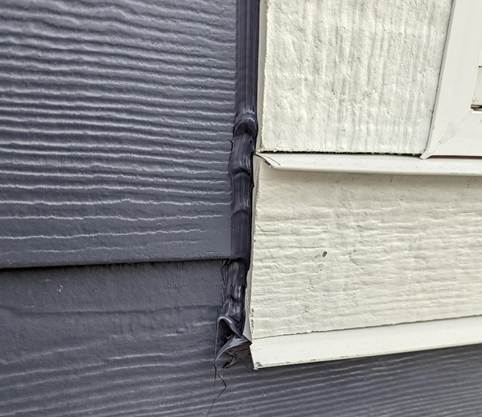
Sealants around joints and penetrations can deteriorate over time, creating gaps where water can enter.
Warped siding panels
Prolonged moisture exposure, temperature changes, or improper drainage can cause siding components to shift or distort.
Once moisture is inside the wall system, it can remain trapped, where it slowly damages sheathing, framing, insulation, and other structural components.
This is why early detection and proper installation are so important in Seattle's climate. The longer moisture remains trapped behind siding, the greater the risk of hidden deterioration, costly repairs, and premature siding replacement.
2. Wind-Driven Rain: How Seattle Weather Pushes Water Behind Siding

Rain doesn't always fall straight down. In Seattle, frequent windstorms can turn ordinary rain into wind-driven rain, forcing water horizontally against a home's exterior. This creates a greater challenge because water can penetrate small gaps, cracks, and weak points in the siding system.
Overall, wind-driven rain is problematic because it can test every part of a home's exterior protection system.
When water is pushed against siding, it can find even the smallest gaps, cracks, or weak points around areas such as:
- Windows, doors, and roof-to-wall intersections
- Siding seams, joints, and corner transitions
- Improperly flashed penetrations and exterior openings
A properly installed siding system is designed to manage moisture by directing water away from the wall assembly. However, siding itself is not a waterproof barrier.
Behind the siding, components like flashing, weather-resistant barriers, and drainage systems work together to prevent water from reaching the home's structure.
When these components are missing, damaged, or installed incorrectly, wind-driven rain can bypass the exterior surface and enter the wall system. Because this type of moisture intrusion occurs behind the siding, the damage can remain hidden for long periods before homeowners notice any visible signs.
By the time the damage becomes noticeable, homeowners may see warning signs such as:
Interior wall stains
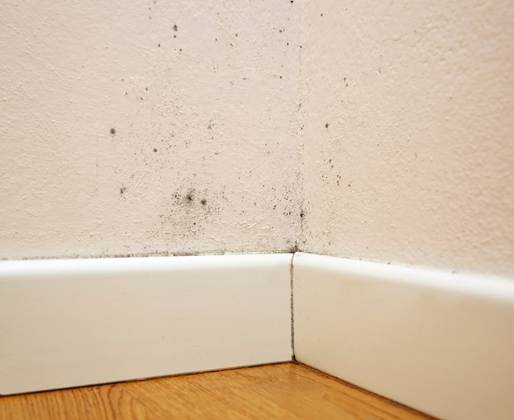
Discoloration on walls or ceilings can indicate water has traveled through the wall assembly.
Musty odors
Persistent damp smells may signal trapped moisture or mold growth behind the siding.
Soft sheathing
Damaged wall sheathing can lose strength after prolonged moisture exposure.
Mold growth
Excess moisture creates the conditions mold needs to develop in hidden areas.
Rot discovered during replacement
Many homeowners only discover extensive moisture damage after old siding is removed.
This is why proper installation is just as important as the siding material itself. In Seattle's wet climate, a complete exterior system with correct flashing, moisture barriers, and installation practices play a critical role in protecting a home from long-term water damage.
3. Temperature Fluctuations Gradually Wear Down Siding
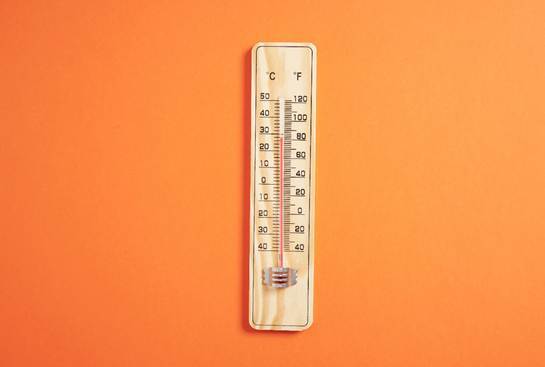
Although Seattle has a relatively mild climate, daily and seasonal temperature changes still cause siding materials to expand and contract. Over time, this repeated movement places stress on siding, trim, caulking, and other exterior components, creating gaps where moisture can enter.
Temperature fluctuations can contribute to:
Cracked or separated caulking
Sealants can lose flexibility, crack, or pull away from joints, creating openings where water can enter.
Gaps at seams and joints
Causes small separations between siding panels, trim, and transition points, making it easier for moisture to reach the wall system.
Warped or shifted trim
Temperature changes can cause trim boards to expand and contract over time, affecting their fit and exposing vulnerable areas.
Paint and finish deterioration
Constant movement beneath painted surfaces can contribute to cracking, peeling, and premature finish failure, reducing the siding's first layer of protection.
Since this process happens gradually, homeowners often don't notice a problem until visible signs begin to appear. Regular inspections and timely maintenance can help identify early warning signs before they lead to more extensive moisture damage.
How to Maximize the Lifespan of Your Siding
✓ Inspect your home's exterior twice a year, ideally in the spring and fall, to catch minor issues before they become costly repairs.
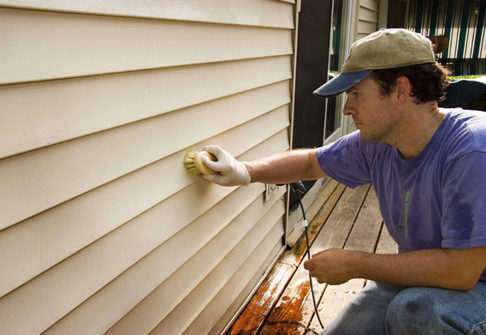
✓ Clean your siding regularly using a gentle cleaner, soft-bristle brush, or low-pressure garden hose. Avoid pressure washing, which can damage siding and force water behind the exterior.
✓ Repair damage promptly, before they become costly structural repairs.
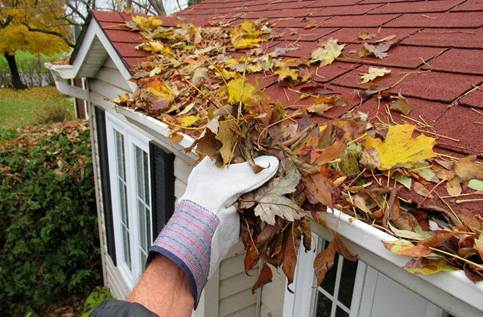
✓ Keep gutters clean to prevent overflowing water from running down your siding and increasing the risk of moisture intrusion.
✓ Trim trees and landscaping away from your home to improve airflow, allow siding to dry more quickly after rainfall, and reduce damage from branches and vegetation.
Seattle's Climate Matters, But Installation Quality Matters Even More
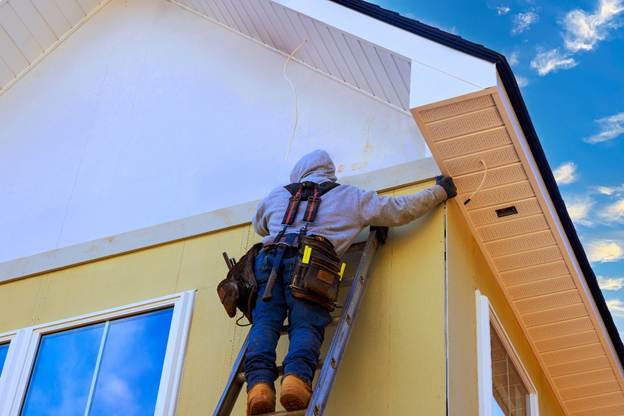
Seattle's climate certainly accelerates siding wear, but weather alone isn't usually what causes premature failure. In many cases, moisture problems begin because of improper installation, such as missing flashing, poorly sealed joints, inadequate weather barriers, or improper clearances that allow water to get behind the siding.
Choosing the right siding contractor is one of the most important decisions homeowners can make. An experienced contractor understands how to install a complete moisture management system that performs in Seattle's wet climate and follows manufacturer installation requirements.
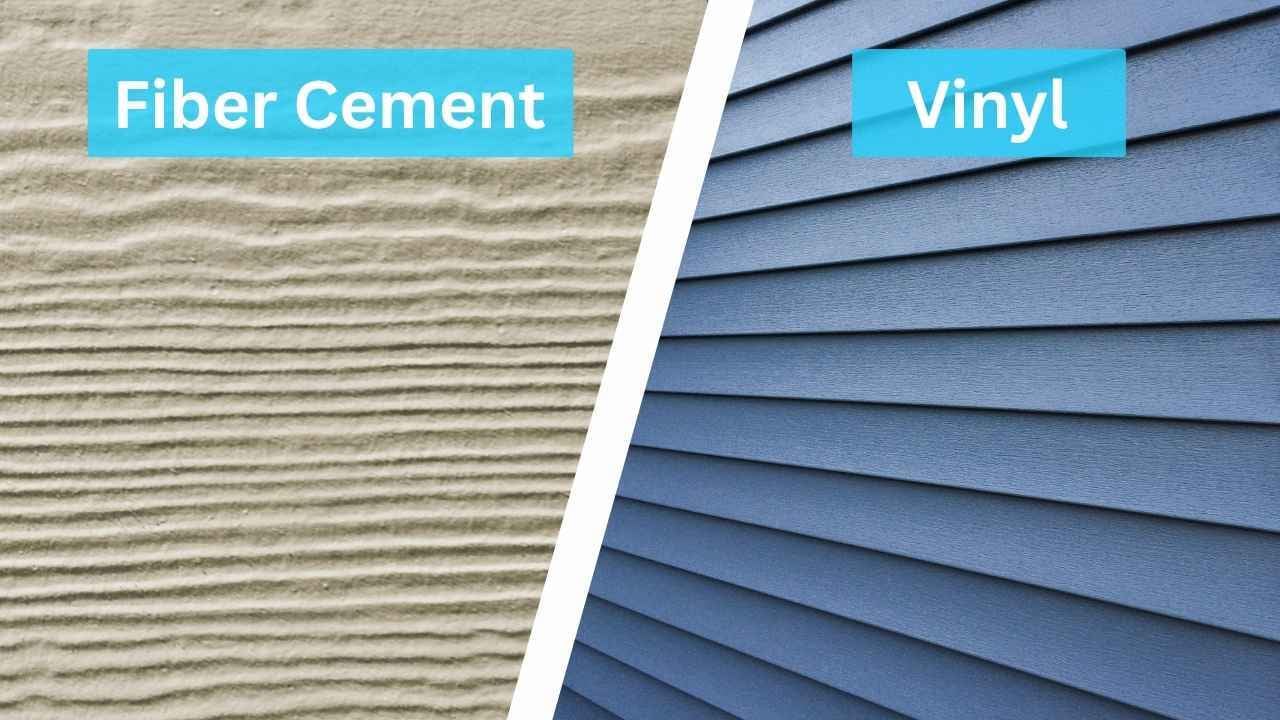
Not to mention, choosing a siding material designed for the Pacific Northwest is also important. However, even the most durable siding can fail prematurely if it isn't installed correctly. When the right material is paired with expert installation, homeowners can maximize their siding's lifespan and better protect their home from Seattle's year-round moisture.
Protect Your Seattle Home with Pacific Exteriors

Moisture is unavoidable in Seattle, but siding failure isn't.
Choosing a siding material that's appropriate for the Pacific Northwest, maintaining it regularly, and ensuring it's installed with proper moisture management practices can dramatically extend its lifespan while protecting your home from costly structural damage.
At Pacific Exteriors, we understand what it takes to build siding systems that perform in the Pacific Northwest's challenging climate. Since 2008, we've helped homeowners throughout Seattle and the surrounding communities protect their homes with expert craftsmanship, premium materials, and installation practices designed to withstand years of rain, humidity, and seasonal weather.
Ready to protect your home from Seattle's wet climate?
Contact Pacific Exteriors today to schedule a free consultation. Our experienced team will evaluate your home's exterior, identify any signs of moisture damage, and recommend siding solutions designed to keep your home protected for decades to come.
Topics: