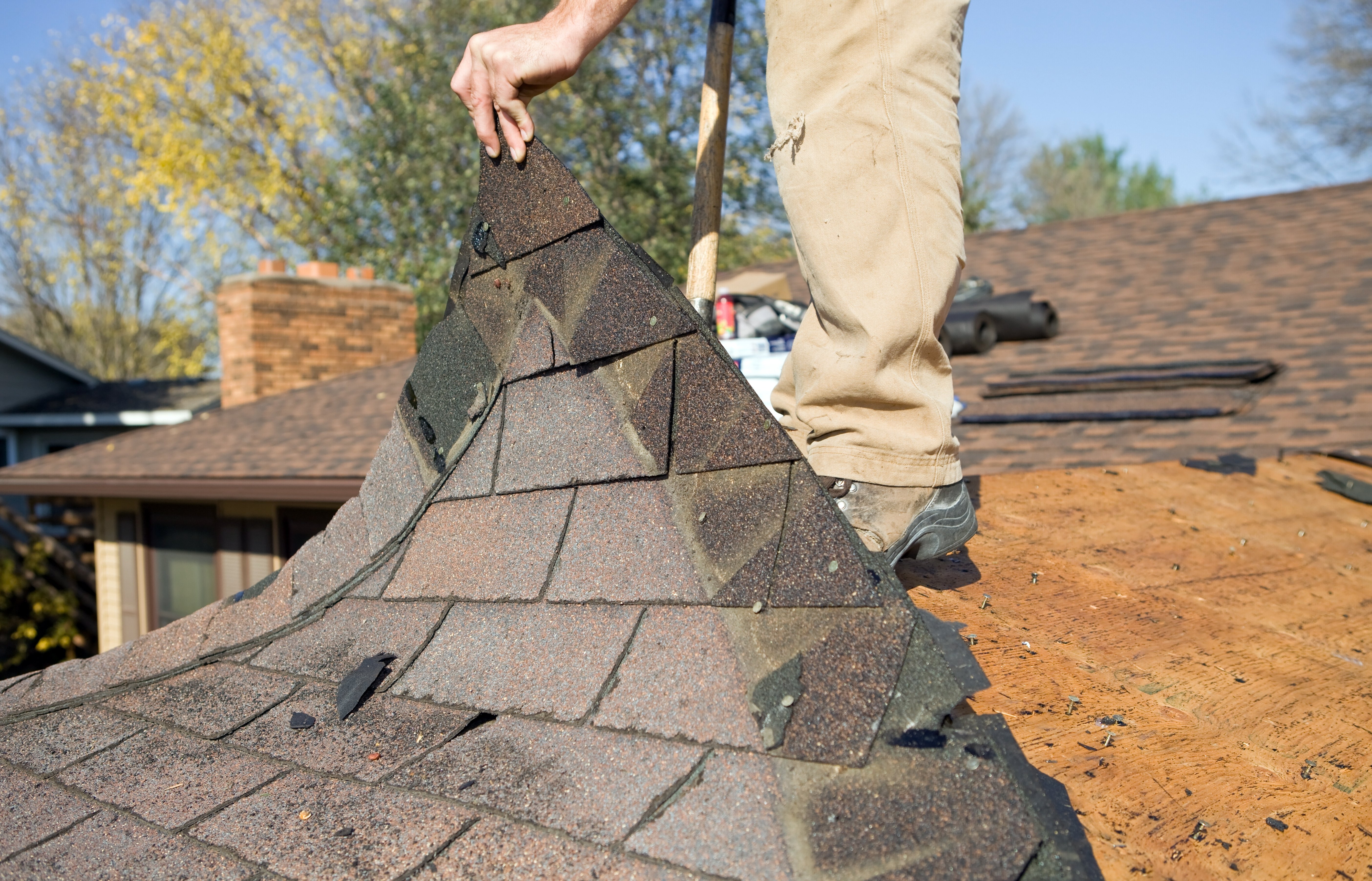

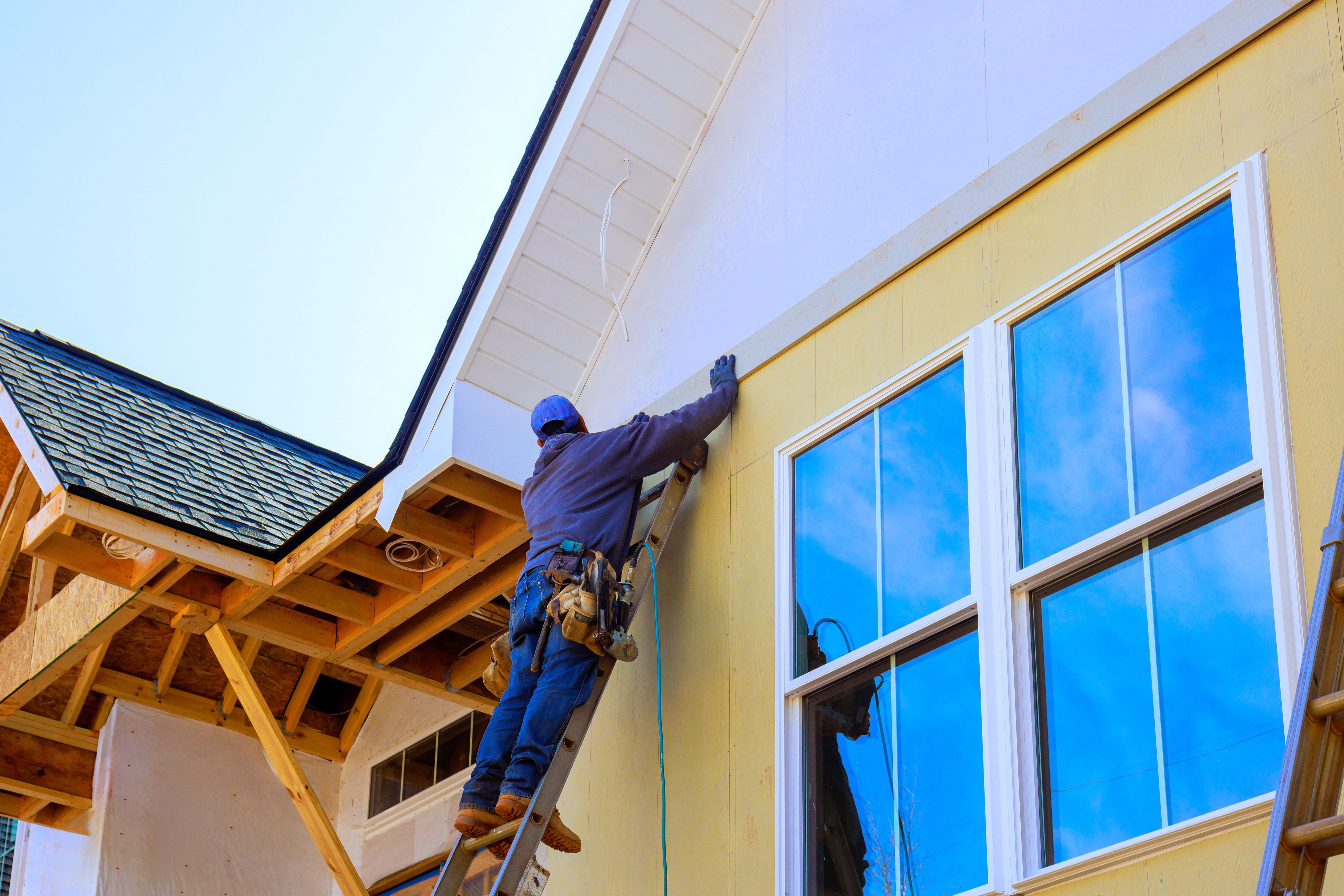
When you hire a contractor for a siding project, their priority should be completing their work correctly, not as fast or cheap as possible. Unfortunately, some signs of poor workmanship aren't obvious until months or even years after the project is finished.
While some shortcuts may save time or money in the short term, they can lead to water damage, premature material failure, warranty problems, and expensive repairs later.
Pacific Exteriors has built its approach around doing exterior renovations correctly from the start. Since 2008, our team has focused on proper preparation, quality installation, and following manufacturer requirements to help homeowners get lasting results from their investment.
In this guide, we'll cover the warning signs of a contractor cutting corners, what homeowners should look for during construction, and what to do if something doesn't seem right.
The 6 Signs at a Glance
- Unapproved material substitutions: Products that don't match the contract or changes made without your approval
- Avoiding permits or inspections: Discouraging required permits, inspections, or code compliance
- Skipping or minimizing tear-off: Installing new materials over damage that should have been addressed
- Rushed preparation and water management: Missing flashing, poor drainage, inadequate clearances, or minimal surface preparation
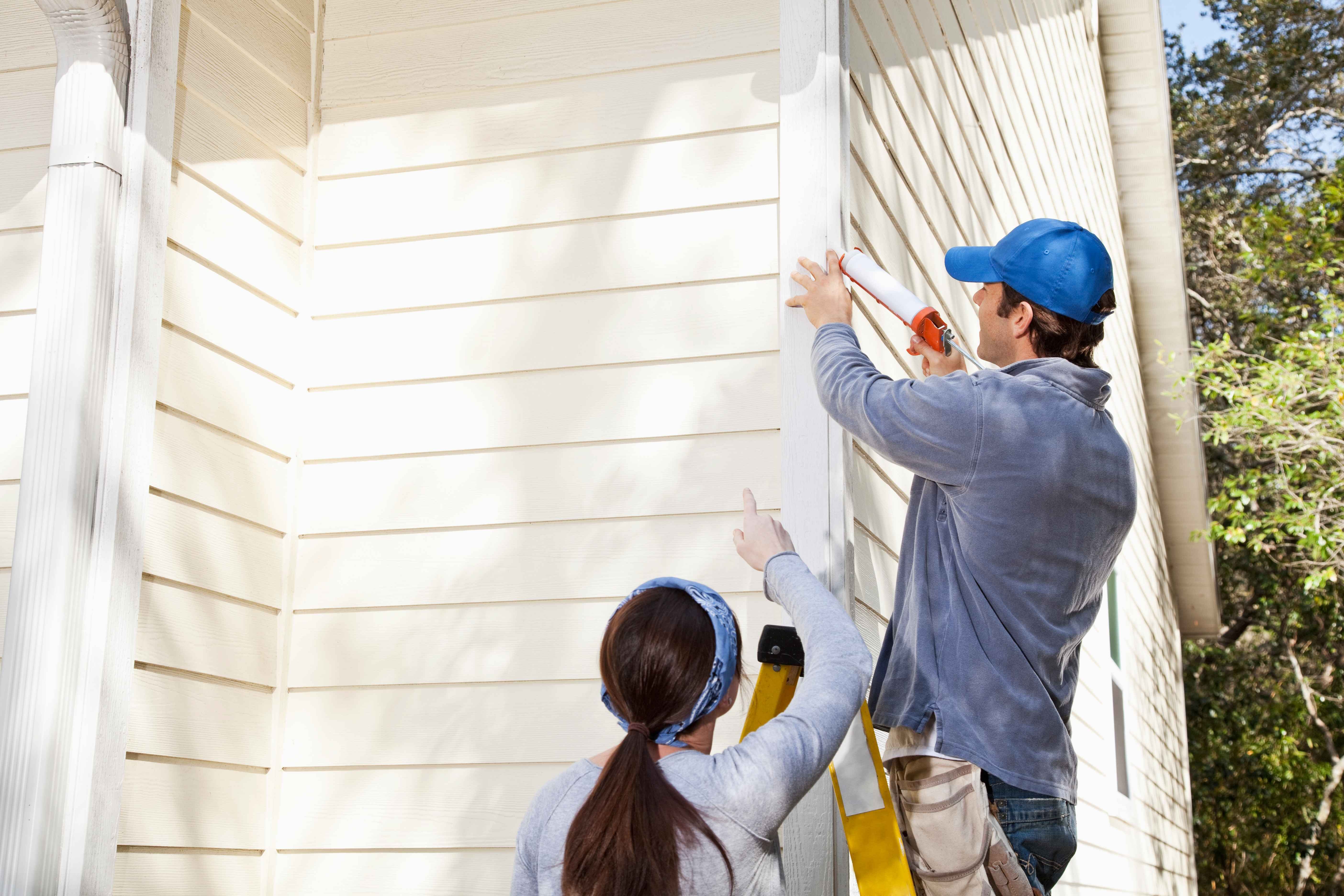
- Excessive use of caulk: Using sealant to hide gaps, poor cuts, or missing installation components
- Rushing the installation: Crooked work, incomplete fastening, damaged materials, unfinished details, or unsafe weather practices
1. Materials Are Swapped Without Your Approval

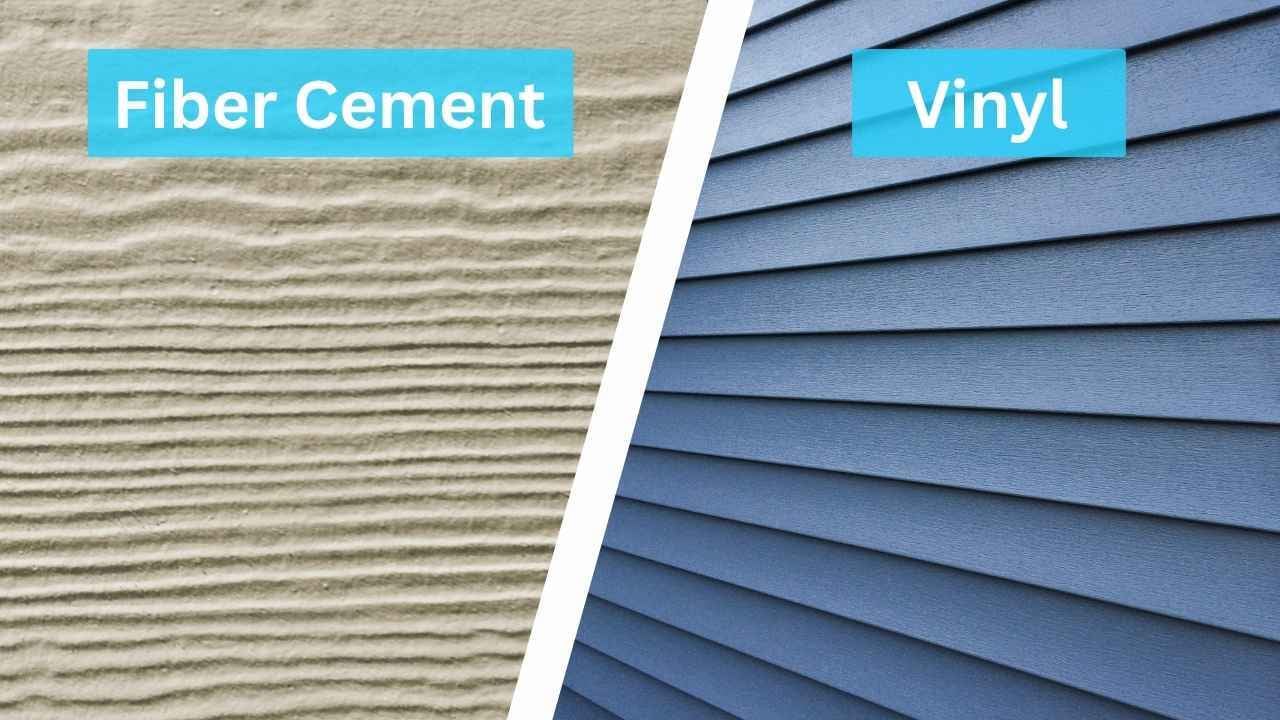
Material substitutions can be a potential sign that a contractor is cutting corners or trying to reduce project costs. A contractor may quote a specific product and later install a cheaper alternative to reduce project costs. This can affect the appearance, durability, performance, and warranty of the finished exterior.
Some common substitutions can include:
|
Originally Specified |
Potential Substitution |
|
Premium siding (high-grade vinyl, fiber cement, etc.) |
Lower-grade siding (low-grade vinyl, engineered wood, etc.) |
|
Lower-priced fasteners that are more susceptible to corrosion |
|
|
Flashing made from galvanized steel, copper, & aluminum |
Lower-quality (plastic) or incompatible flashing |
Indeed, not every substitution is automatically a problem and trying to keep costs low with cheaper options. Contractors may sometimes need to change a product because of availability or other project conditions. The concern is when the change is made without explaining it or getting the homeowner's approval.
How Homeowners Can Check
Before installation:
- Review the contract: Confirm the exact products and specifications
- Check deliveries: Compare packaging and product labels with the contract
- Ask about substitutions: Get an explanation before accepting alternatives
- Verify compatibility: Make sure accessories are approved for the primary product
- Document changes: Require significant substitutions to be included in a written change order
Exterior components are designed to work together as a system. Using incompatible flashing, nails, or accessories can create installation problems and may affect manufacturer warranty coverage.
2. The Contractor Avoids Permits or Inspections
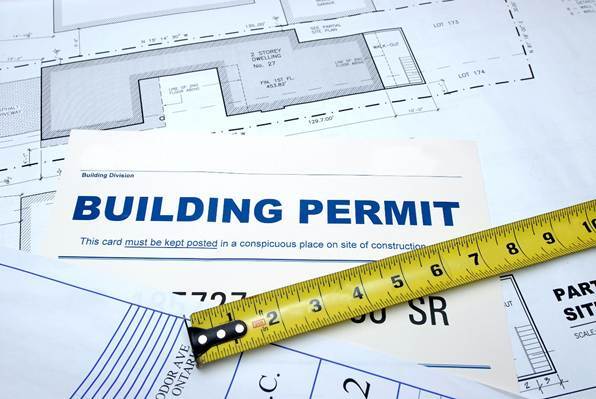
In some cases, a contractor may avoid the permitting process because it can add time and cost to the project. Waiting for city approval (if needed for your project), scheduling inspections, and correcting issues identified by inspectors can slow down the timeline.
Skipping permits can also make a contractor's bid appear cheaper. If permit fees and related costs aren't included, the initial estimate may look more attractive compared with contractors who properly account for them in their invoices.
Statements such as “you don't need a permit,” “we can get around the code,” or “don't worry about inspections” should prompt questions. Requirements vary by location and project, so homeowners should verify them with their local city construction and inspection department.
What to Confirm
-
- Permit requirements: Is one required for the project?
- Inspections: What inspections are required?
- Code compliance: Will the work meet applicable building codes?
A reputable contractor should be transparent about local permits instead of dismissing them to shorten the project timeline or make the bid appear less expensive.
Avoiding required city regulations can also prompt legal action and consequences. However, look at your local city’s rules for building codes and inspections since this can vary.
3. The Crew Covers Up Existing Damage
A contractor who quickly covers existing siding without properly inspecting what is underneath may be hiding problems rather than fixing them. Removing the old materials allows the crew to identify damage that wasn't visible during the initial estimate.
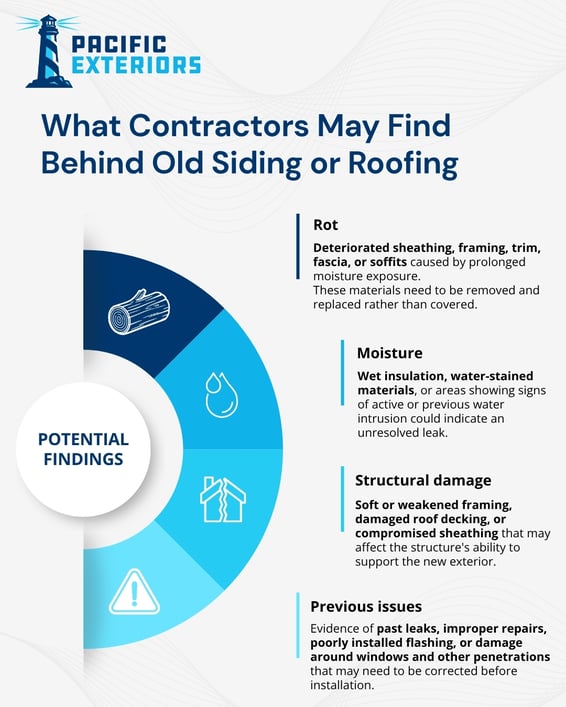
If concealed damage is discovered, a quality contractor should document it, explain the necessary repairs, and provide a written change order before proceeding.
Why This Matters
New siding cannot magically repair rotten sheathing. Covering deteriorated materials may make the home look finished while the underlying problem continues to worsen. It can also make future repairs more expensive because newly installed materials may need to be removed to repair the damage.
What to watch for: A crew that minimizes the tear-off, refuses to inspect questionable areas, or suggests simply covering visible rot or damage.
4. Preparation and Water Management Are Rushed
Proper preparation and water management are critical to an exterior renovation, but they are also areas where contractors may cut corners to save time.
Flashing, weather-resistant barriers, drainage details, and surface preparation are often hidden once the project is complete, making shortcuts difficult for homeowners to spot.
Warning signs include:
|
Warning Sign |
What It May Look Like |
|
Missing flashing |
No flashing around windows, doors, or roof-to-wall transitions |
|
Poor water management |
Torn/cheap house wrap, blocked drainage openings, or inadequate drainage systems |
|
Improper clearances |
Siding installed too close to soil or moisture-prone surfaces |
|
Minimal preparation |
Damaged surfaces left unrepaired |
|
Poor property protection |
Windows, doors, landscaping, or other areas left unprotected from installation debris |
Why This Matters
Exterior components such as siding and roofing are only one part of a home's water-management system. Flashing, weather-resistant barriers, drainage planes, and properly prepared surfaces must work together to keep water away from the home’s structure.
When preparation is rushed, or these components are skipped, water can get behind the exterior, while improperly prepared surfaces can lead to peeling, bubbling, cracking, or premature failure.
What to watch for: Preparation that seems unusually quick or incomplete. For example, the crew may remove the old material and immediately begin installing the new siding without inspecting the surface underneath. Additionally, a crew that skips repairs, provides little explanation of water management, or focuses heavily on getting the visible materials (siding panels, etc.) installed quickly.
5. Caulk Is Being Used to Hide Installation Problems
Undoubtedly, caulking has an important role in exterior construction, but it should support proper installation, not compensate for poor workmanship. Moreover, excessive sealant can sometimes be used to quickly fill gaps, hide poor cuts, or compensate for missing flashing.
Warning Signs:
- Thick or excessive caulking
- Large gaps filled entirely with caulk
- Caulk covering missing flashing
- Excessive caulk around siding joints
Why This Matters
Caulk can shrink, crack, and lose adhesion over time. If it's being used to compensate for missing flashing or poor water management, those underlying problems remain, and water will eventually get trapped behind the exterior.
What to watch for: Caulk shouldn’t be used as a shortcut for proper flashing, clearances, or installation.
6. The Crew Is Rushing Through the Installation
A fast installation isn't automatically a sign of poor workmanship. Experienced crews can work efficiently and have some sort of assembly line. The concern is when speed or scheduling takes priority over proper preparation, installation, or working conditions.
Look for:
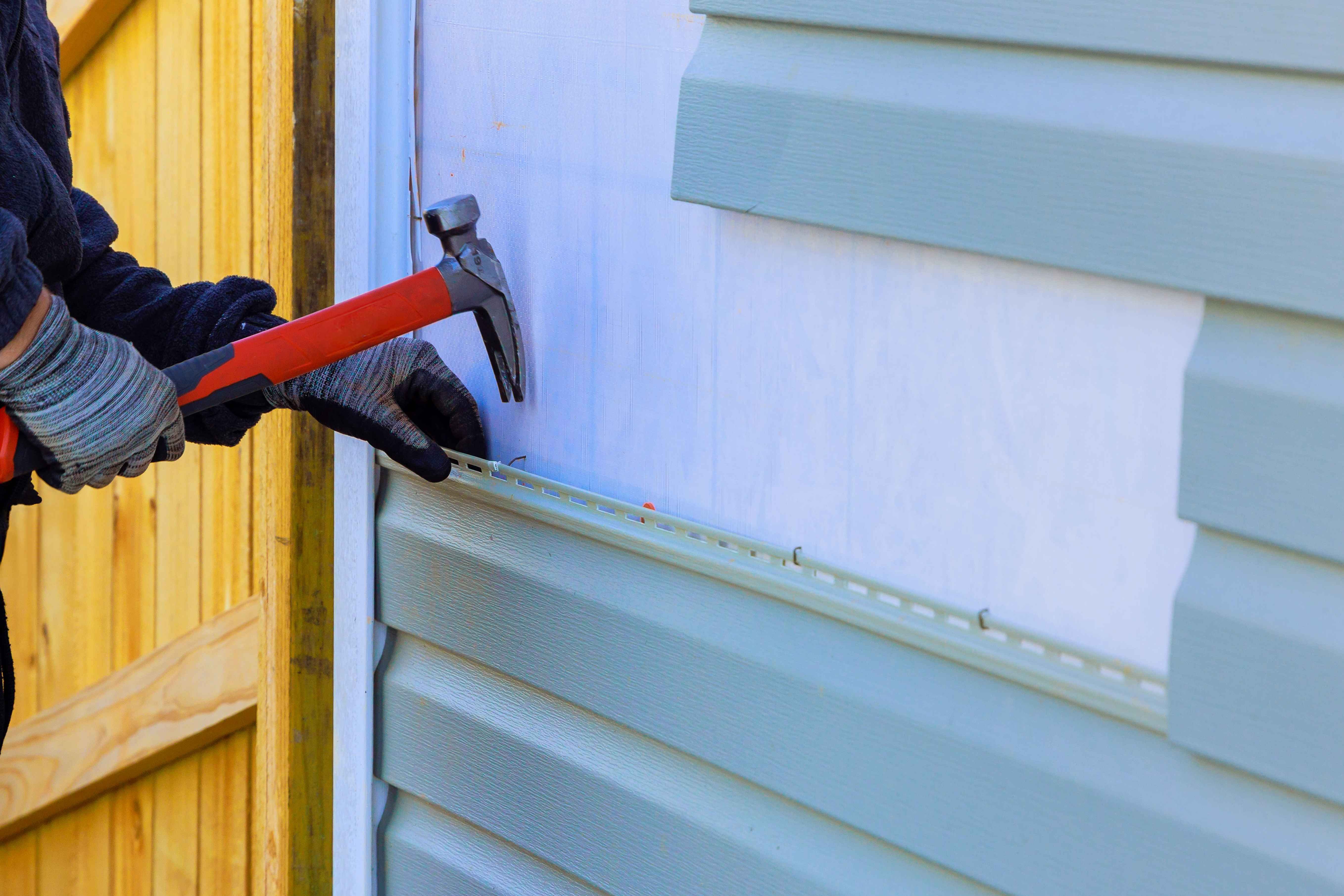
- Poor alignment: Crooked panels, uneven seams, or inconsistent gaps
- Incomplete fastening: Missing, overdriven, or loose nails
- Material damage: Dented, scratched, or cracked products being installed
- Missing components: Caps, covers, vents, trim pieces, or other exterior components not properly reinstalled or matched
- Paint issues: Drips, overspray, or inconsistent paint coverage
- Poor weather practices: Installing products during rain, high winds, or extreme temperatures
Why This Matters
Weather can affect adhesives, sealants, coatings, paint, and other exterior materials. A quality contractor should understand product limitations and adjust the schedule when conditions could compromise the installation.
Individual imperfections don't necessarily mean a contractor is cutting corners. However, a pattern of rushed, incorrect work, or a crew continuing to install materials in hazardous weather conditions simply to stay on schedule, can indicate that quality is being sacrificed for speed.
What to watch for: Repeated workmanship issues, unfinished details, damaged materials, or installation continuing despite weather conditions that could affect the product's performance and crew’s safety.
What to Do If You Think Your Contractor Is Cutting Corners
.jpg?width=691&height=894&name=What%20to%20Do%20If%20You%20Think%20Your%20Contractor%20Is%20Cutting%20Corners%20(1).jpg)
Homeowners should also understand their contract and applicable local requirements before withholding payments or stopping work.
Why Quality Installation Matters More Than a Fast Timeline

A project can look finished quickly while problems remain hidden underneath. Quality installation depends on proper preparation, correct fastening, flashing, drainage, weather-resistant barriers, manufacturer guidelines, and careful finishing.
If you're planning a siding replacement, roofing project, or exterior renovation, choosing an experienced contractor can help protect your home and prevent costly problems.
At Pacific Exteriors, we view exterior renovations as more than just cosmetic improvements; our systems are specifically designed to protect the home. We focus on quality workmanship, clear communication, and addressing underlying issues rather than covering them up.
Ready to discuss your exterior project? Contact Pacific Exteriors today to schedule a siding consultation and learn what a quality-focused installation should look like for your home.
Frequently Asked Questions
How can I tell if my contractor is cutting corners?
Look for patterns such as unexplained material substitutions without notice, skipped preparation, missing flashing, damaged materials being installed, and attempts to cover existing damage instead of repairing it.
What is the biggest sign of poor exterior workmanship?
Problems with water management are among the most concerning because missing or improperly installed flashing, weather-resistant barriers, and drainage details can allow moisture to enter concealed areas of the home.
Can a contractor legally substitute materials without telling me?
Whether a substitution violates the contract depends on the agreement and applicable laws. Homeowners should review their contract and ask for written documentation and approval of significant material changes.
Can poor installation void a manufacturer's warranty?
It can. Many product warranties have installation requirements, and improper installation may affect warranty coverage. Homeowners should review the specific manufacturer's warranty and installation requirements for their products.
Should I be concerned if a contractor finds rotten wood?
Not necessarily. Hidden rot can be discovered during siding removal, especially on older homes. The important issue is how the contractor handles it. A quality contractor should document the damage, explain the repair, and provide a written change order before proceeding with additional work.
What should I do if I discover poor workmanship during construction?
Document the issue, review your contract, and bring the concern to the contractor or project manager before the work is covered. For significant disputes, consider obtaining an independent professional evaluation and legal action.
Topics: