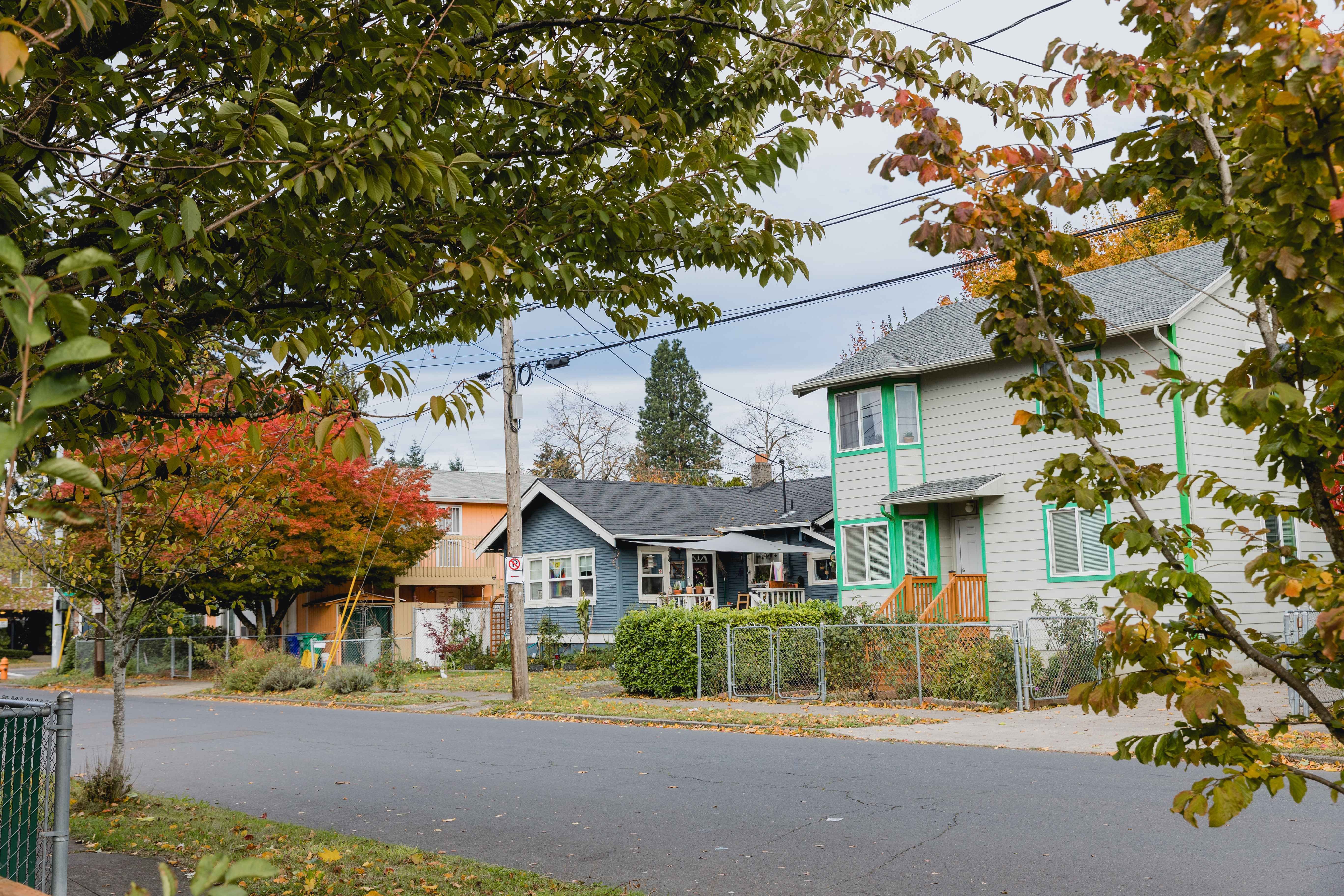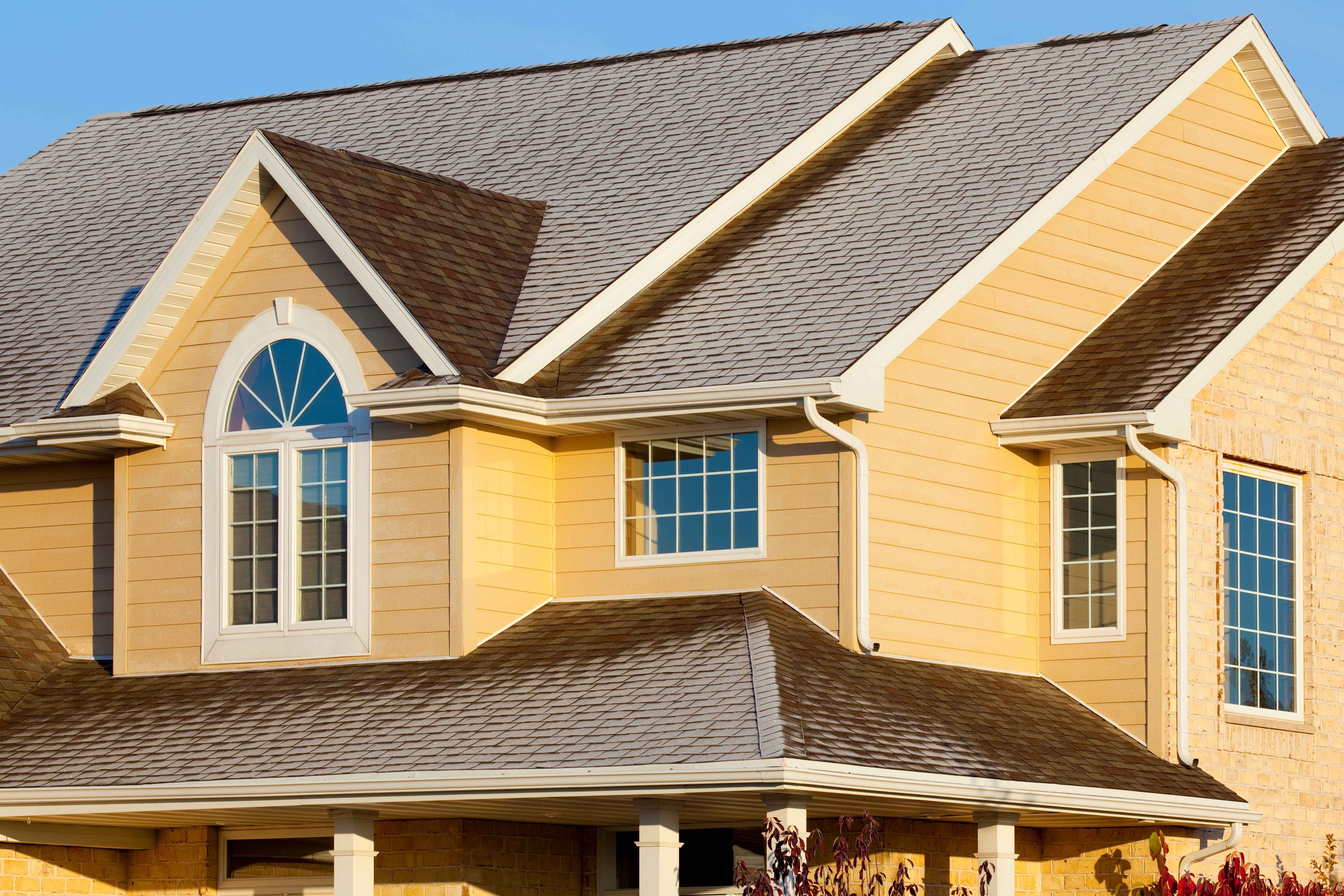


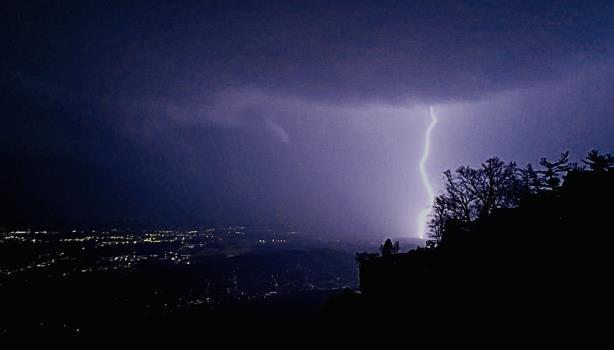
Many homeowners expect their siding to last for decades. While that may be true in some parts of the country, Chattanooga's climate puts siding through a much tougher test.
Unlike many parts of the country that experience primarily dry heat or cold winters, Chattanooga experiences high humidity, heavy annual rainfall, intense UV exposure, severe thunderstorms, and frequent temperature fluctuations throughout the year. These conditions place continuous stress on a home's exterior, accelerating wear while increasing the risk of hidden moisture damage.
As a result, Chattanooga homeowners you may start noticing faded or warped panels, cracked caulking, mildew growth, loose siding, or even water stains that signal a deeper moisture problem.
At Pacific Exteriors, we've spent more than 15 years helping homeowners protect their homes from harsh weather conditions both in Chattanooga and throughout the Pacific Northwest and Southeast. We've seen firsthand how Chattanooga's climate accelerates siding deterioration, and more importantly, what homeowners can do to prevent expensive repairs before they happen.
In this guide, you'll learn why Chattanooga's climate is especially tough on siding, what causes it to fail prematurely, the warning signs to look for, and how proper installation and maintenance can help your siding last as long as possible.
Chattanooga Climate and Siding Battle at a Glance
|
Climate Factor |
Effect on Siding |
What Should Homeowners Look For? |
|
High Humidity |
Slower drying, mold, mildew, hidden moisture |
Mildew growth, discoloration, soft spots, or signs of moisture around seams & trim |
|
Heavy Rainfall (~55 inches annually) |
Increased water intrusion risk |
Water stains, swollen or deteriorating siding, damaged caulk, or leaks around windows & doors |
|
Hot Summers |
Expansion, warping, fading |
Warped or buckled panels, gaps, loose siding, or noticeable fading |
|
Strong UV Exposure |
Paint deterioration and color fading |
Faded or uneven paint, chalking, peeling paint, or deteriorating finishes |
|
Temperature Fluctuations |
Expansion and contraction stresses |
Cracked caulk, widening gaps, loose panels, or cracks around joints & trim |
|
Thunderstorms |
Wind damage, hail, flying debris |
Cracks, dents, loose or missing siding, & impact damage |
Why Chattanooga's Climate Is Tough on Siding
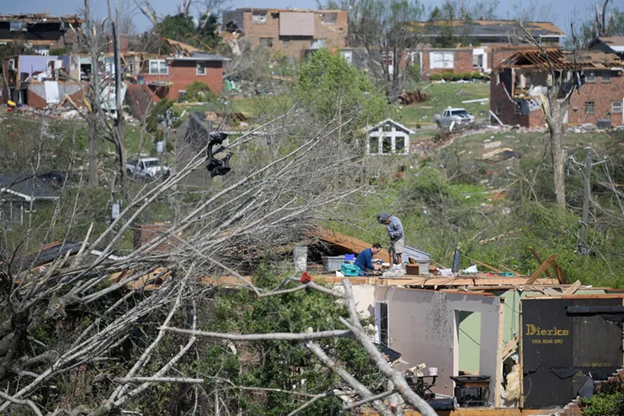
Many homeowners assume siding fails simply because of age, but Chattanooga's climate can significantly accelerate the aging process.
The region's humid subtropical climate exposes siding to a combination of heat, moisture, storms, heavy rainfall of 55 inches annually, and temperature fluctuations, creating ongoing stress throughout the year.
Key climate challenges include:
- High humidity and heavy rainfall: Moisture dries more slowly, increasing the risk of water becoming trapped behind the siding and causing rot, mold, or structural damage.
- Strong UV exposure: Can fade finishes, weaken protective coatings, and cause some materials like vinyl to become brittle.
- Temperature fluctuations: Daily expansion and contraction from hot afternoons, cooler evenings, and freeze-thaw cycles can stress siding panels, fasteners, sealants, and joints.
- Severe thunderstorms: Wind-driven rain and debris can expose siding weaknesses around seams, flashing, and improperly sealed areas while causing cracks, dents, and loose panels.
These weather conditions often work together in a constant cycle. For example, rain can penetrate small gaps in the siding system, humidity slows the drying process, and heat causes materials to expand and contract repeatedly.
Over the years, this cycle creates accumulated stress that can lead to premature siding failure.
Rain and Humidity Prevent Homes from Drying Off
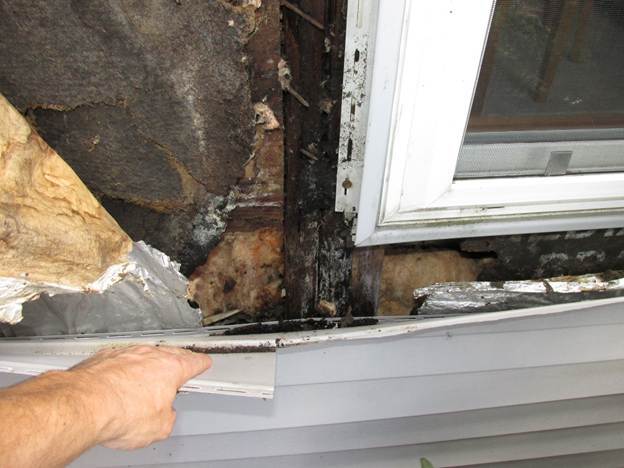
Chattanooga's frequent rainfall and high humidity work together to create prolonged moisture exposure for siding systems. Rain introduces water to the exterior of the home, while humid conditions slow evaporation and prevent surfaces and wall assemblies from drying efficiently.
When moisture remains present for extended periods, it can increase the risk of:
Mold and mildew growth
Persistent dampness creates ideal conditions for organic growth on the siding panels themselves, trim, and underlying materials.
Wood rot
Causes wood components around windows, doors, trim, and behind the siding system to deteriorate. This weakens the structure, which creates entry points for additional water intrusion and potentially leads to more extensive repairs.
Failed caulking and seals
Can cause caulking to crack, shrink, or separate, creating gaps where water can enter behind the siding system. These failures can cause hidden moisture damage, reduced protection from the elements, and the need for repairs around vulnerable areas like windows, doors, and trim.
Paint and finish failure
Moisture trapped beneath coatings can cause peeling, bubbling, or premature deterioration. This not only affects your home's curb appeal but can also reduce the siding's ability to protect the exterior from continued weather exposure.
Hidden structural damage
Water that enters behind the siding can remain undetected while damaging sheathing, framing, and other structural components. This can lead to costly repairs, weakened structural components, and replacement of both the siding and the materials behind it.
Together, rain and humidity create a cycle where moisture enters more easily and dries more slowly, increasing the potential for long-term siding damage if the system is not properly installed and maintained.
How Heat, Temperature Fluctuations, and UV Exposure Accelerate Siding Failure
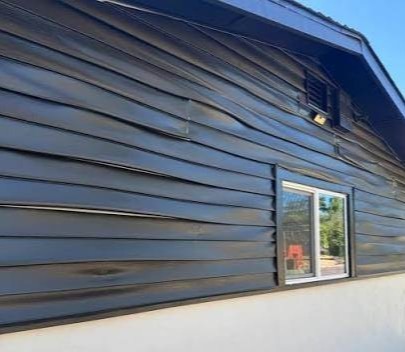
Chattanooga's hot summers and strong sunlight can gradually weaken siding systems over time.
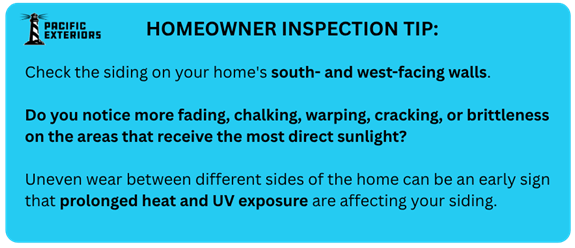
Repeated heat cycles and prolonged sunlight can increase the risk of:
Warped and buckled siding
Expansion during the day and contraction at night place stress on siding panels, especially when panels can’t move properly due to installation issues. Over time, this movement can cause panels to warp, buckle, or pull away from the home.
Loose fasteners and separated joints
As siding expands and contracts with changing temperatures, it can gradually loosen the nails, fasteners, and joints that hold it in place. This can create small gaps where water, air, and wood-destroying pests may enter, reducing your home's protection from the elements.
Cracking and surface deterioration
UV exposure gradually breaks down siding materials and protective coatings, which can cause surfaces to become brittle, crack, or deteriorate faster when exposed to moisture and temperature changes.
Faded colors and damaged finishes
Sunlight breaks down pigments and exterior coatings, causing siding to fade, develop a chalky appearance, or lose its protective finish. This can impact the home's curb appeal and leave the siding more vulnerable to weather damage.
Reduced lifespan of siding materials
Continued exposure to heat and UV rays can accelerate aging, making siding more prone to damage and requiring repairs or replacement sooner than expected.
Together, heat and UV exposure create ongoing stress that gradually affects siding performance. Proper installation and choosing materials designed to handle Chattanooga's climate can help reduce these effects and extend the life of your home's exterior.
Chattanooga's Thunderstorms Accelerate Siding Damage
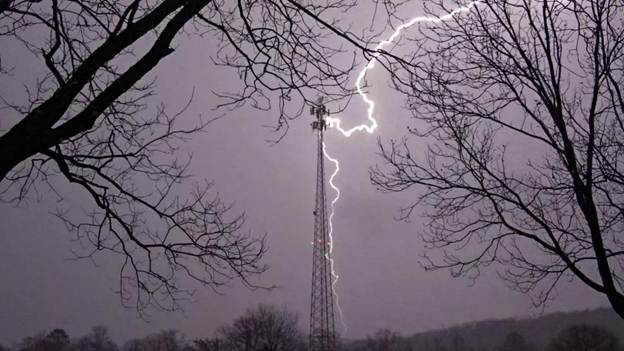
Chattanooga's frequent thunderstorms can place significant stress on siding systems throughout the year. Unlike ordinary rainfall, Chattanooga’s storms can combine heavy rainfall, strong winds, hail, and flying debris, creating opportunities for siding damage.
Repeated storm exposure can increase the risk of:
Loose panels and gaps
Strong wind gusts can push and pull-on siding panels, putting stress on components that hold them in place. Over time, this repeated movement can loosen fasteners, lift panels, create gaps, and cause issues such as rattling siding, separated seams, or missing panels. These openings can allow moisture, pests, and air to enter behind the siding system.
Wind-driven rain: Water intrusion
Heavy rain can be more damaging when combined with strong winds. Wind pressure can force water into vulnerable areas around siding joints, window and door trim, flashing, nail penetrations, and small gaps that may not usually allow water in during normal rain when raindrops fall vertically.
Hail and impact damage: Cracks & holes
Large hail can cause obvious damage like large cracks, chips, and holes. However, hail doesn’t always cause this apparent damage. Small hail can create small dents, surface cracks, chipped finishes, and can weaken protective coatings that make siding more vulnerable to future moisture exposure.
Together, wind, rain, hail, and debris create repeated stress on siding systems. Over time, these storm-related impacts can reduce siding performance and increase the likelihood of frequent repairs if damage is not identified and addressed.
Historic Districts Require Extra Consideration
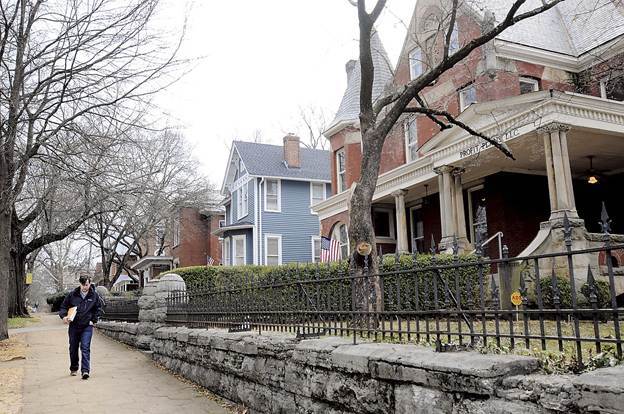
Certain Chattanooga neighborhoods such as Highland Park, Fort Wood, Ferger Place, Battery Place, and St. Elmo have historic-district protections that can affect exterior renovations, including siding replacement.
Homeowners in these areas may need to consider additional design requirements or approval processes before changing siding, trim, windows, or other visible exterior features. Knowing whether a home is located within a designated historic district is an important step before planning a siding replacement.
Because many homes in these neighborhoods are decades old, siding that has reached or exceeded its expected lifespan should be evaluated for deterioration, moisture damage, and loss of protective performance. Replacing aging siding can help protect the home's underlying structure while preserving its character and appearance.
Nonetheless, historic homes may require more careful material selection and approval to ensure the replacement remains appropriate for the property's architectural style and district requirements.
Siding Maintenance Checklist for Chattanooga Homeowners
.jpg?width=660&height=934&name=Seasonal%20Siding%20Maintenance%20Checklist%20Chattanooga%20(4).jpg)
Installation Quality Makes All the Difference
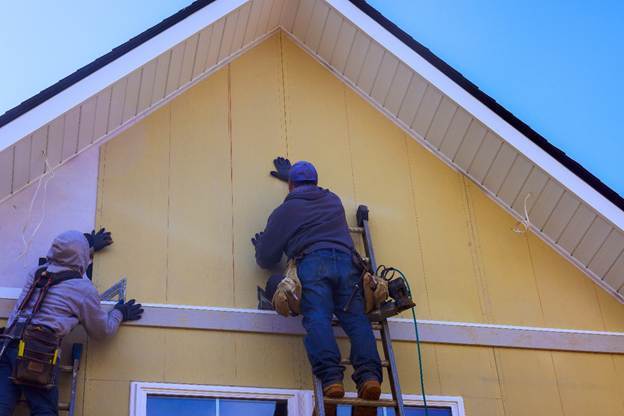
Choosing the right siding material is only one part of protecting your home. The other part is proper, professional installation that’s equally important, especially in Chattanooga's hot, humid, and storm-prone climate.
Even the highest-quality siding material that performs well in Chattanooga’s climate can fail prematurely if it isn’t installed correctly. Common installation mistakes, such as improper flashing, overdriven nails, missing weather barriers, poor caulking, or failing to follow manufacturer guidelines, can allow moisture to enter behind the siding, restrict natural expansion and contraction, and lead to problems like warping, cracking, wood rot, and hidden structural damage. Not to mention, improper installation may also void the siding manufacturer's warranty.
To maximize the lifespan of your siding, choose materials that are well-suited for Chattanooga's climate and work with a qualified contractor who follows manufacturer specifications and the industry’s best practices. Combining the right products with proper installation helps ensure your siding provides lasting protection, durability, and long-term value.
Why Chattanooga Homeowners Choose Pacific Exteriors

For more than 15 years, Pacific Exteriors has helped homeowners protect their homes with expertly installed exterior systems built to perform in demanding climates. We combine premium materials, proper installation, and effective water management to deliver long-lasting results.
Our team provides thorough inspections, honest recommendations, and siding solutions installed according to manufacturer specifications. Whether you need repairs or a complete replacement, we'll help you choose the right solution for your Chattanooga home.
Schedule Your Free Siding Inspection Today
If your siding is showing signs of age, weathering, or storm damage, don't wait for minor issues to become costly repairs. Pacific Exteriors provides professional siding inspections, repairs, and complete replacement services tailored to Chattanooga's climate.
Topics: