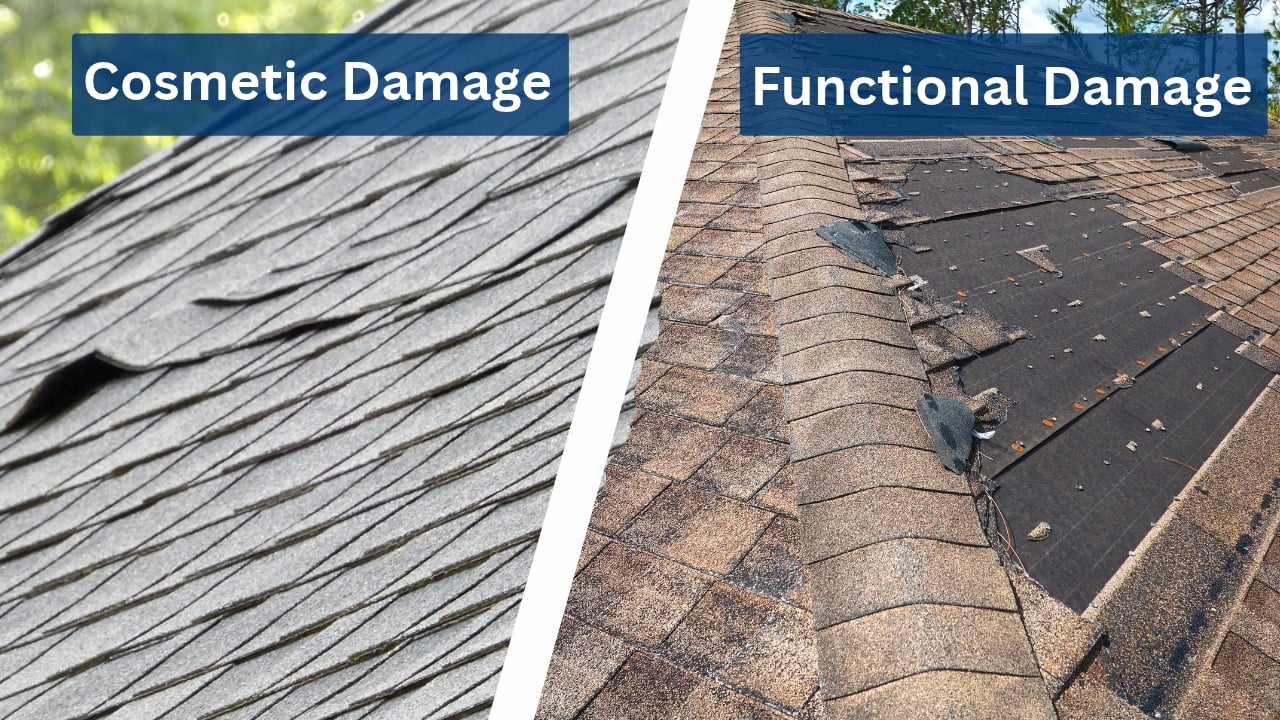
Not all roof damage affects your home in the same way. Some issues change the appearance of your shingles without immediately affecting their performance, while others can compromise your roof’s ability to protect your home from moisture, wind, and the elements.
Knowing the difference between cosmetic and functional roof damage can help you understand when to monitor a concern and when to schedule a professional roof inspection.
Since 2008, Pacific Exteriors has helped homeowners in the Pacific Northwest and Southeast understand their roofing options. Knowing the difference between cosmetic and functional roof damage can help you recognize when an issue affects appearance versus your roof’s ability to protect your home. Whether you’ve noticed minor discoloration or signs of more serious deterioration, identifying the type of damage is an important first step toward determining the right solution.
In this guide, we’ll explain the differences between cosmetic and functional roof damage, common warning signs to watch for, how roofers inspect for underlying problems, and when roof repairs or replacement may be necessary.
Planning a Roof Replacement or Installation?
Request free siding or roofing samples to help narrow down your choices.
At a Glance: Cosmetic vs. Functional Roof Damage
|
Cosmetic roof damage |
Functional roof damage |
|
Primarily affects the roof’s appearance |
Affects the roof’s ability to protect your home |
|
May include fading, discoloration, or minor surface marks |
May include cracked, lifted, or missing shingles and damaged flashing |
|
Doesn’t necessarily mean the roof is failing |
Can allow water intrusion or reduce wind resistance |
|
May be monitored or addressed based on the material and severity |
Usually warrants a professional assessment and timely repairs |
The key difference: Cosmetic roof damage primarily affects how your roof looks, while functional roof damage affects how well it performs. However, functional damage often develops from neglected cosmetic damage that is allowed to worsen over time, making early identification and repair important.
What Is Cosmetic Roof Damage?
Cosmetic roof damage affects the appearance of roofing materials without necessarily compromising their ability to shed water or protect the home.
Although cosmetic issues don't always require repairs or replacement, appearance alone cannot confirm whether a roof is functioning properly. Cosmetic damage can weaken roofing materials over time, eventually leading to leaks or other functional problems if left unaddressed.
Common examples of cosmetic roof damage include:
Fading or discoloration
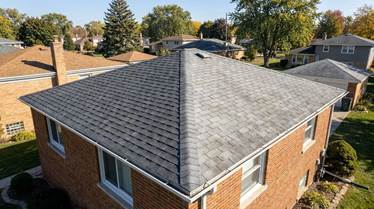
Sun exposure and normal aging can gradually change the color of roofing materials. However, sudden or uneven discoloration may indicate other underlying issues.
Minor surface marks
Small scuffs or scratches may affect appearance without compromising weather protection.
On the other hand, deeper scratches (functional damage) that dislodge granules or expose the underlayment can expose underlying materials, which can accelerate deterioration.
Algae staining
Dark streaks or organic growth on shingles that are not recurring are typically cosmetic, but should be cleaned promptly using appropriate methods to prevent buildup.
Minor granule loss
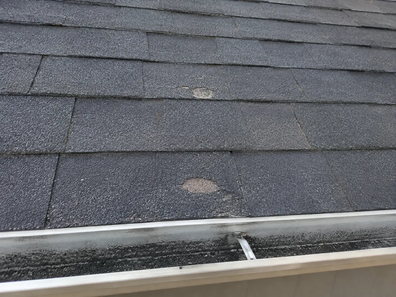
Some granule loss is normal as asphalt shingles age and may affect their appearance without immediately impacting roof performance.
Minor hail marks
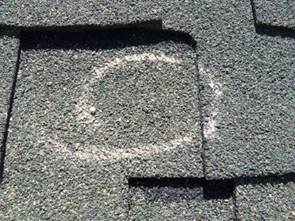
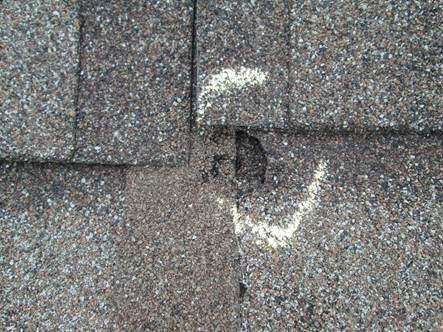
Some impacts from small hail sizes may leave visible marks without causing an obvious opening or immediate loss of weather protection. However, hail damage should be evaluated carefully because its functional effects may not be apparent from the ground.
Cosmetic roof damage shouldn’t automatically be dismissed. The same discoloration or surface change can have different causes, and what appears to be a minor issue may need a professional inspection depending on the roofing material, the roof’s age, and the extent of the damage.
Does Cosmetic Roof Damage Need to Be Repaired?
Not every cosmetic issue requires immediate repair. If the roofing system remains functional (shedding water, weather resistance, protection, etc.), a professional may recommend monitoring the condition rather than replacing otherwise serviceable materials.
Can Cosmetic Roof Damage Become Functional Damage?
Yes, cosmetic damage can develop into extensive functional damage when ignored or neglected. This is especially important when they appear alongside cracked shingles, widespread granule loss, loose materials, damaged flashing, or signs of moisture inside the home, as these symptoms may indicate that the roof’s protective performance is already compromised.
What Is Functional Roof Damage?
Functional roof damage occurs when an issue compromises a roof’s ability to protect the home from rain, wind, and other environmental conditions. Unlike purely cosmetic concerns, functional damage can affect water resistance, wind resistance, the integrity of roofing components, or the roof’s expected lifespan.
Common signs of functional roof damage include:
Cracked or split shingles
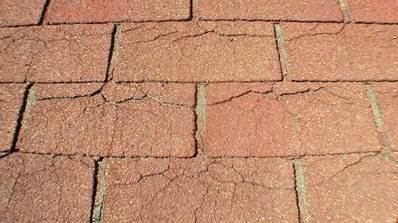
Cracks can develop from aging, temperature fluctuations, or physical impacts. They may allow water to penetrate the roofing system, particularly during heavy rain or wind-driven storms.
Lifted or loose shingles
Shingles that curl, lift, or no longer lie flat may have weakened seals or fastening issues. This makes them more vulnerable to wind uplift and water intrusion, especially during severe weather.
Missing shingles
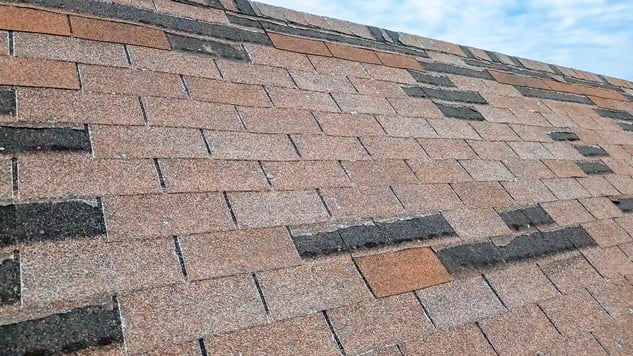
Missing shingles leave portions of the roofing system exposed to rain, sunlight, and wind. Depending on the location and extent of the damage, water can reach the underlying layers and eventually enter the home.
Damaged flashing
Flashing directs water away from vulnerable areas around chimneys, skylights, and roof transitions. If it becomes damaged, water can seep into the roof assembly and surrounding structures.
Significant granule loss
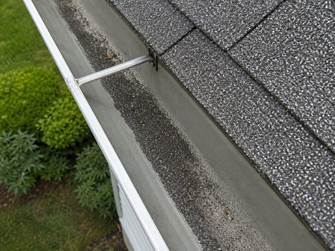
Excessive granule loss exposes the underlying asphalt to UV rays and weather, weakening the shingles’ protective properties and increasing the risk of premature deterioration and water intrusion.
Punctures or torn roofing materials
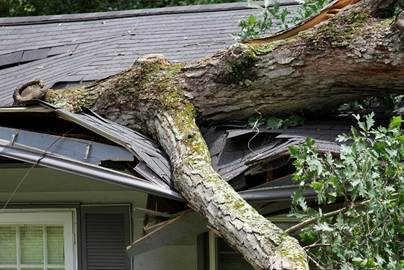
Falling branches, debris, or other impacts can puncture or tear roofing materials. Even a small opening can create a pathway for moisture, making a prompt inspection critical.
Recurring leaks or water stains
Water stains on ceilings, damp attic insulation, peeling interior paint, or recurring leaks can indicate a failure in the roofing system. Because water can travel along roof decking and framing before becoming visible, the source may be some distance from the interior damage.
Deteriorating roof decking
Roof decking provides the structural surface beneath the roofing materials. Prolonged moisture exposure can cause wood decking to soften, rot, or lose strength, potentially requiring more extensive repairs than replacing shingles alone.
Functional roof damage can result from severe weather, falling branches, aging materials, improper installation, or gradual deterioration. The severity depends on the type of damage, whether the damage is localized or widespread, and how extensively the roofing system is affected.
Not every damaged shingle means the entire roof needs replacement. A professional roof inspection can help determine whether localized repairs are sufficient or whether widespread deterioration makes a larger replacement project more appropriate. Addressing functional damage promptly can also help limit water intrusion and prevent more costly repairs.
Can a Roof Have Functional Damage Without Leaking?
Yes, a roof can have functional damage without showing signs of a leak. Cracked or lifted shingles, damaged flashing, and significant granule loss can compromise your roof’s ability to withstand wind and shed water before moisture enters your home.
Watch for these warning signs, along with roofing debris after storms, water stains, or musty odors. Scheduling a professional roof inspection can help identify hidden damage and prevent minor issues from worsening.
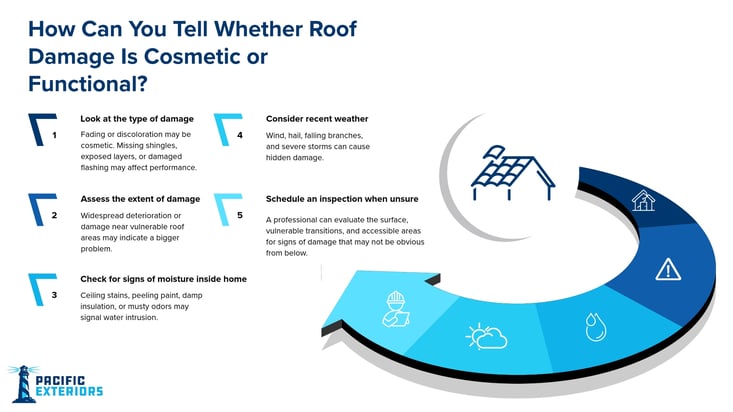
How Can You Tell Whether Roof Damage Is Cosmetic or Functional?
Appearance alone does not always reveal whether a roof is performing properly. A discolored shingle may be a cosmetic concern, while a similarly aged or discolored area could have more serious underlying deterioration.
When evaluating roof damage, consider the following:
Safety Tip: If able, be very careful climbing onto your roof to investigate. Roofing surfaces can be slippery or unstable, particularly after storms, and walking on them may create additional damage.
If you notice sagging, significant movement, or a major opening in the roof, seek professional help promptly and avoid the affected area if it appears unsafe.
How Do Professionals Inspect for Functional Damage?
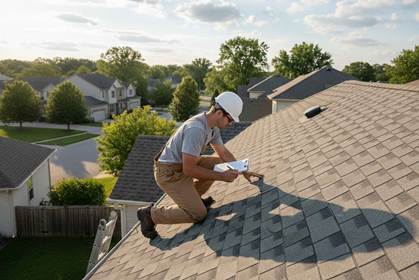
A professional roof inspection helps determine whether visible concerns are cosmetic, functional, or signs of a larger problem.
Depending on the roof and the conditions, an inspection may include:
- Roofing materials: Checking for cracked, lifted, missing, punctured, or deteriorated shingles and other roofing materials.
- Flashing and roof transitions: Evaluating vulnerable areas around chimneys, vents, skylights, valleys, and other penetrations.
- Drainage and water pathways: Looking for conditions that may allow water to collect or enter the roofing system.
- Overall roof condition: Considering the extent of the damage, the age of the materials, and whether the concerns appear isolated or widespread.
An inspection should help you understand what the roofer found, why it matters, and what options make sense for your home. A trustworthy recommendation should distinguish between issues that require attention and cosmetic concerns that do not justify unnecessary work.
Have questions about the condition of your roof?
Pacific Exteriors offers free estimates to help homeowners understand their roofing needs and available options. You can also request free roofing samples if you’re beginning to compare materials or colors for a future project.
Should You Repair or Replace a Roof With Damage?
The right solution depends on the type, severity, and extent of the damage, as well as your roof’s age and overall condition.
|
Roof Repair |
Roof Replacement |
|
Damage is limited to a small, identifiable area. |
Damage is widespread across multiple roof sections. |
|
Only a few shingles or a section of flashing needs attention. |
Roofing materials show extensive deterioration. |
|
Surrounding roofing materials remain in good condition. |
Repeated problems suggest isolated repairs may not resolve the underlying issues. |
|
The roof has sufficient remaining service life to make repairs practical. |
The roof is nearing the end of its lifespan and has significant functional damage. |
Cosmetic damage alone doesn’t automatically justify roof replacement, and a roof that looks fine from the ground may still have functional issues. A professional inspection can help determine your roof’s actual condition and identify practical solutions.
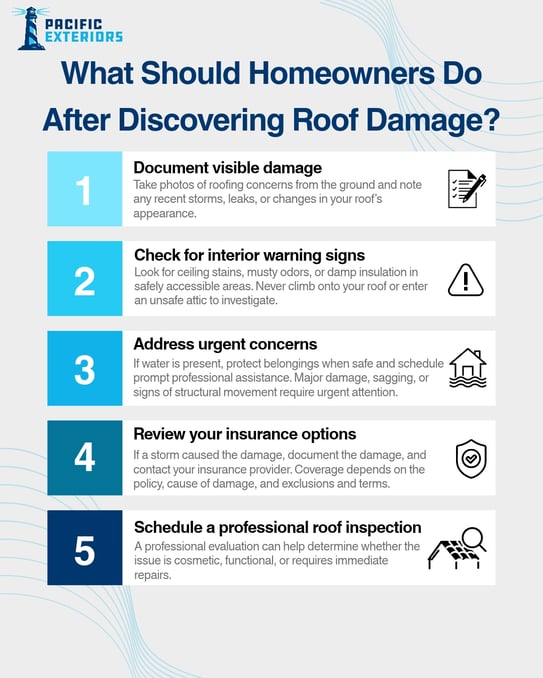
What Should Homeowners Do After Discovering Roof Damage?
Understand Your Roof’s Condition with Pacific Exteriors

Knowing the difference between cosmetic and functional roof damage can help you make informed decisions about your home. While fading, staining, and some minor surface marks may affect appearance without immediately affecting performance, cracked or missing shingles, damaged flashing, and other compromised roofing components may need timely attention.
Not sure whether your roof damage is cosmetic or functional?
Pacific Exteriors can inspect your roof, identify areas of concern, and help you understand whether repairs or replacement may be needed. We’ll walk you through your options and provide honest recommendations based on your home’s condition, goals, and budget, without unnecessary upselling.
Contact Pacific Exteriors today to schedule your in-person roofing estimate to discuss concerns about your existing roof and learn what next steps may make sense for your home.
Not Ready for a Consultation?
Still exploring your options? Get free siding and roofing samples shipped to your door and see what works best for your home.
Get Free Samples
Frequently Asked Questions
What is the difference between cosmetic and functional roof damage?
Cosmetic damage primarily affects your roof’s appearance, such as fading or minor surface marks. Functional damage compromises its ability to protect your home, including cracked shingles, damaged flashing, or missing roofing materials.
Can cosmetic roof damage become functional damage?
Yes. If left unaddressed, some cosmetic issues can worsen over time and contribute to deterioration, leaks, or reduced weather resistance.
Does cosmetic roof damage need to be repaired?
Not always. Minor fading or surface marks may not affect roof performance. However, a professional inspection can help determine whether the damage requires attention or can simply be monitored.
Can a roof have functional damage without leaking?
Yes. Cracked or lifted shingles, significant granule loss, and damaged flashing can compromise your roof’s weather resistance before water enters your home.
What are the most common signs of functional roof damage?
Common warning signs include cracked or missing shingles, damaged flashing, widespread granule loss, punctures, recurring leaks, ceiling stains, and damp attic insulation.
Should I repair or replace a damaged roof?
Repairs may be sufficient when damage is localized and the surrounding materials remain in good condition. Replacement may be more appropriate when deterioration is widespread, or the roof is nearing the end of its service life.
Should I inspect roof damage myself?
Avoid climbing onto your roof, as surfaces can be slippery or unstable. You can look for visible warning signs from the ground, but a professional roofing inspection can help identify damage that isn't easily visible.
When should I schedule a professional roof inspection?
Schedule an inspection if you notice missing or damaged shingles, recurring stains, signs of moisture, or damage following severe weather. Prompt evaluation can help identify problems before they worsen.
Can Pacific Exteriors help assess my roof damage?
Yes. Pacific Exteriors offers free roofing estimates to help homeowners identify areas of concern, understand whether repairs or replacement may be appropriate, and explore options that fit their home's condition, goals, and budget.
Topics: