
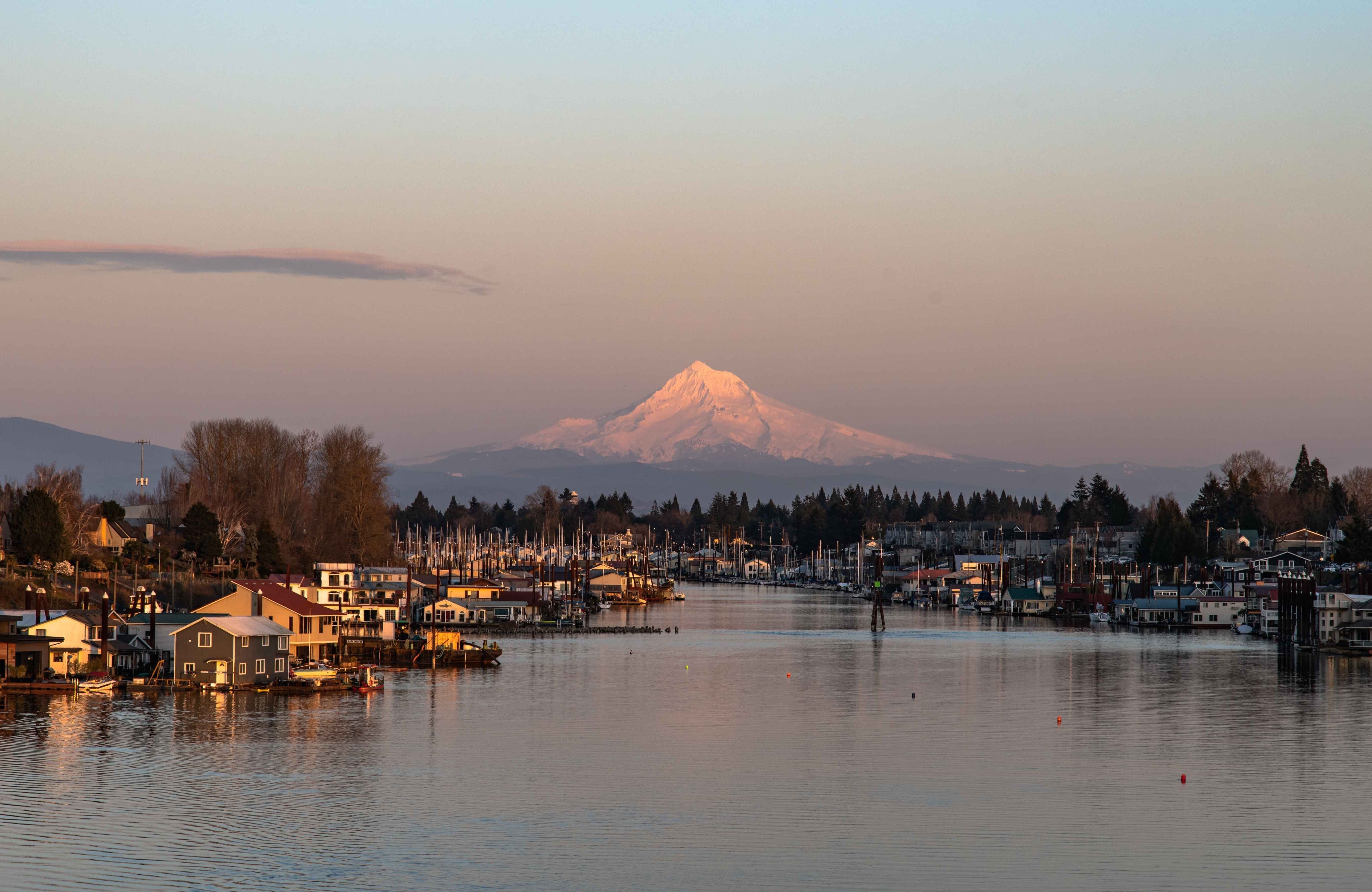
Portland's wet climate makes proper roof installation especially important. Frequent rain, windstorms, seasonal moisture, and summer UV exposure can put significant stress on roofing systems.
Understanding what you're paying for and what can cause the price to change can help you budget more accurately and compare roofing estimates with confidence.
The short answer: Roof replacement in Portland typically costs between $8,000-$25,000 according to Angi, with final pricing depending on the roof’s size, pitch, materials, existing condition, and complexity.
Since 2008, Pacific Exteriors has helped Portland and PNW homeowners understand roofing replacement costs through quality workmanship, accurate estimates, and transparent pricing. Our estimates clearly outline materials, labor, installation details, and potential repairs so homeowners know exactly what they are investing in.
This guide breaks down roof replacement costs in Portland in 2026, the factors that affect pricing, common additional expenses, and what homeowners should look for when choosing a roofing contractor.
The Baseline: What Portland Roofing Replacement Averages Look Like
Most Portland homeowners can expect to pay between $8,000 and $25,000 for roofing replacement, with the average project costing $11,000 according to Angi. This wide price range reflects differences in the scope of work, roof size, pitch, selected material, and project complexity.
What Is Included in a Roof Replacement Estimate?
Most roofing estimates include:
|
Element |
What It Covers |
Why It Matters |
|
New roofing materials |
Architectural asphalt shingles, starter strips, ridge caps, and other necessary roofing components. |
Can affect your roof's appearance, durability, weather resistance, & expected lifespan. |
|
Professional installation |
Installation according to manufacturer specifications, local requirements, and proper roofing practices. |
Helps the roofing system perform as intended & can be important for maintaining manufacturer warranties. |
|
Roof removal and disposal |
Removal of existing roofing materials and disposal of roofing debris. |
Can account for a significant portion of the project cost, particularly when multiple layers need to be removed. |
|
Labor |
Crew, equipment, site preparation, installation, and project cleanup. |
Requires skilled labor, specialized equipment, significant preparation, & cleanup |
|
Manufacturer and workmanship warranties |
Coverage for qualifying roofing materials and the contractor's installation work. |
Understanding what each warranty covers can help you know what protection you have if a material defect or installation issue occurs. |
|
Permits and inspections |
Required city permits and inspections, depending on the project's scope and location. |
Ensures the project meets applicable local building requirements |
|
Water-resistant barriers and flashing |
Underlayment, flashing, and other components designed to help protect against water intrusion. |
Provide an additional layer of protection against moisture |
What May Not Be Included in the Initial Estimate
Some costs cannot be determined until the existing roofing system has been removed.
If hidden issues are discovered during demolition, they are typically priced separately or are added as an update to the existing estimate since they aren’t visible during the initial inspection.
Structural repairs: Damaged framing or other structural components that require repair.
Hidden damage: Issues such as deteriorated roof decking or concealed water damage.
Moisture-related deterioration: Rotted roof decking or other damage caused by long-term moisture intrusion.
Ventilation upgrades: Additional intake, exhaust, or other ventilation improvements needed to support proper airflow.
A detailed estimate should clearly outline what is included, identify potential additional costs, and explain how unexpected repairs will be handled if they’re uncovered during construction.
What Factors Affect Roof Replacement Cost in Portland?
The cost of a new roof depends on more than just square footage. Factors such as roof size, pitch, complexity, existing roofing layers, hidden damage, labor requirements, and the contractor you choose can all affect the final price.
1. Roof Size
Overall, larger roofs (4,000 sq. ft or more) generally cost more to replace because they require more roofing materials, labor, installation time, and tear-off and disposal work. As the total roof area increases, so does the overall scope and cost of the project.
How to tell if this applies to your home: If you have a large home, multiple roof sections, an addition, or a detached structure such as a garage, your total roof area may be larger. A contractor can measure the actual roof area during an inspection to determine how much material and labor the project will require.
2. Roof Pitch
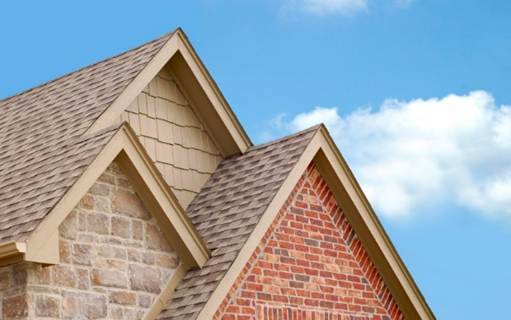
Steeper roofs generally cost more because they require additional safety precautions while taking longer to install. Not to mention, they can also have more surface area than lower-pitched roofs, increasing material costs.
These additional safety measures may require equipment such as harnesses, anchors, roof jacks, staging, or scaffolding.
As a result, Pacific Exteriors adds approximately $0.04 to $0.80 per square foot to the cost of replacement. On a 2,000-square-foot roof, that could add approximately $80 to $1,600 to the project.
How to tell if this applies to your home: Stand back from your home and look at the roofline. If the roof has a noticeably steep slope or you can see that the roof rises significantly, additional safety equipment and labor may be required. However, a contractor should determine the exact pitch and any associated installation requirements during an inspection.
3. Roof Complexity
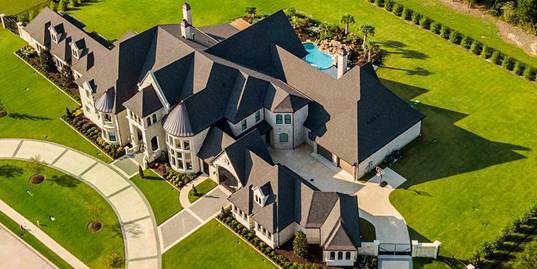
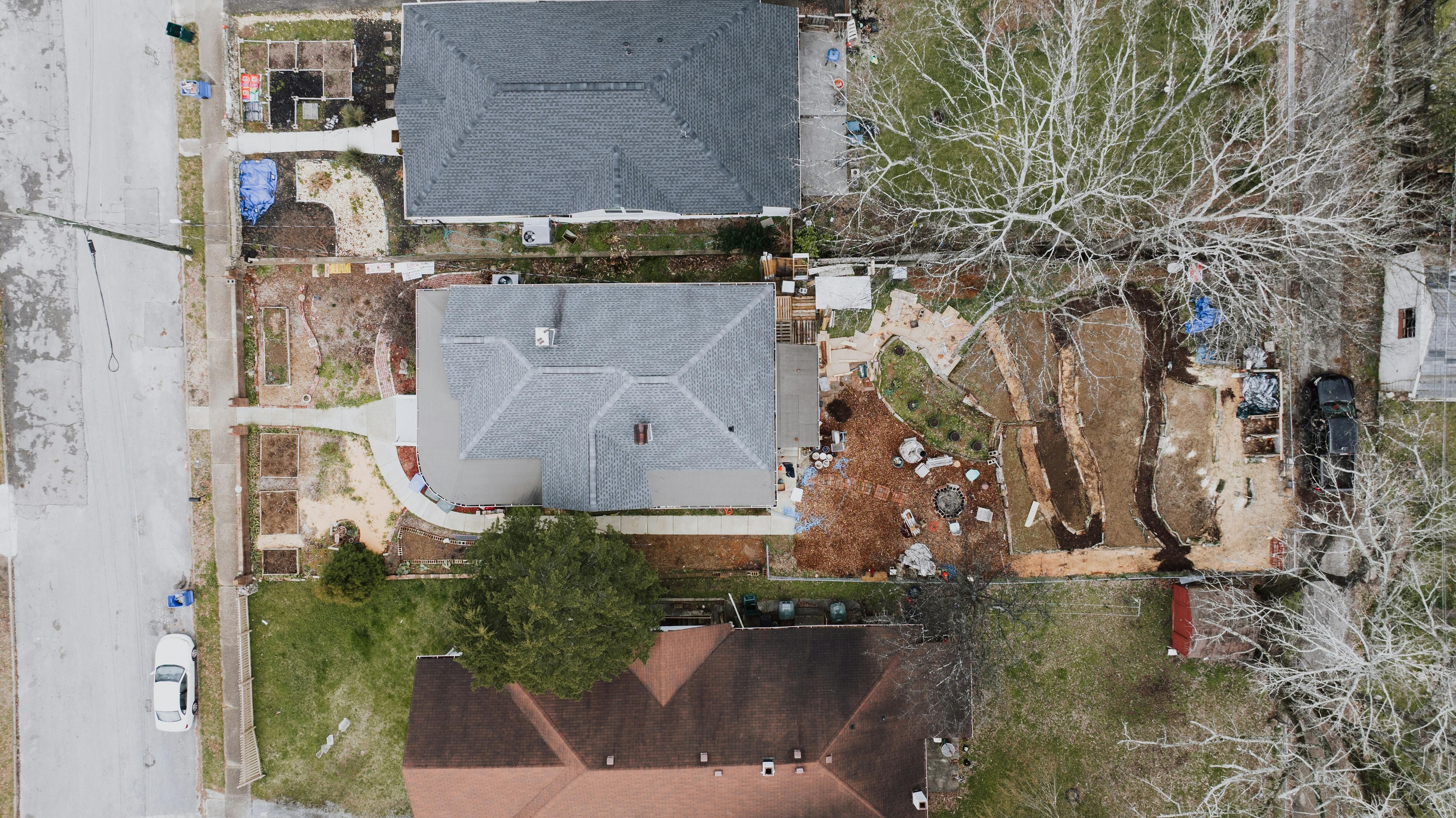
Simple roof designs are generally faster and less expensive to replace than roofs with multiple planes, valleys, dormers, hips, chimneys, skylights, and other penetrations.
Each transition requires additional cutting, flashing, and installation time. More complex designs can also create additional material waste and require greater attention to water management, increasing both labor and material costs.
How to tell if this applies to your home: Look at your roof from the street or yard. If it has several different sections, intersecting rooflines, valleys, dormers, skylights, chimneys, or other features that interrupt the main roof surface, it is likely more complex than a simple gable roof. Your contractor can identify which features will require additional labor or materials.
4. Roof Layers
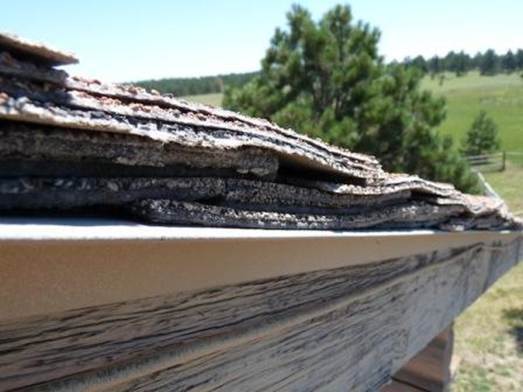
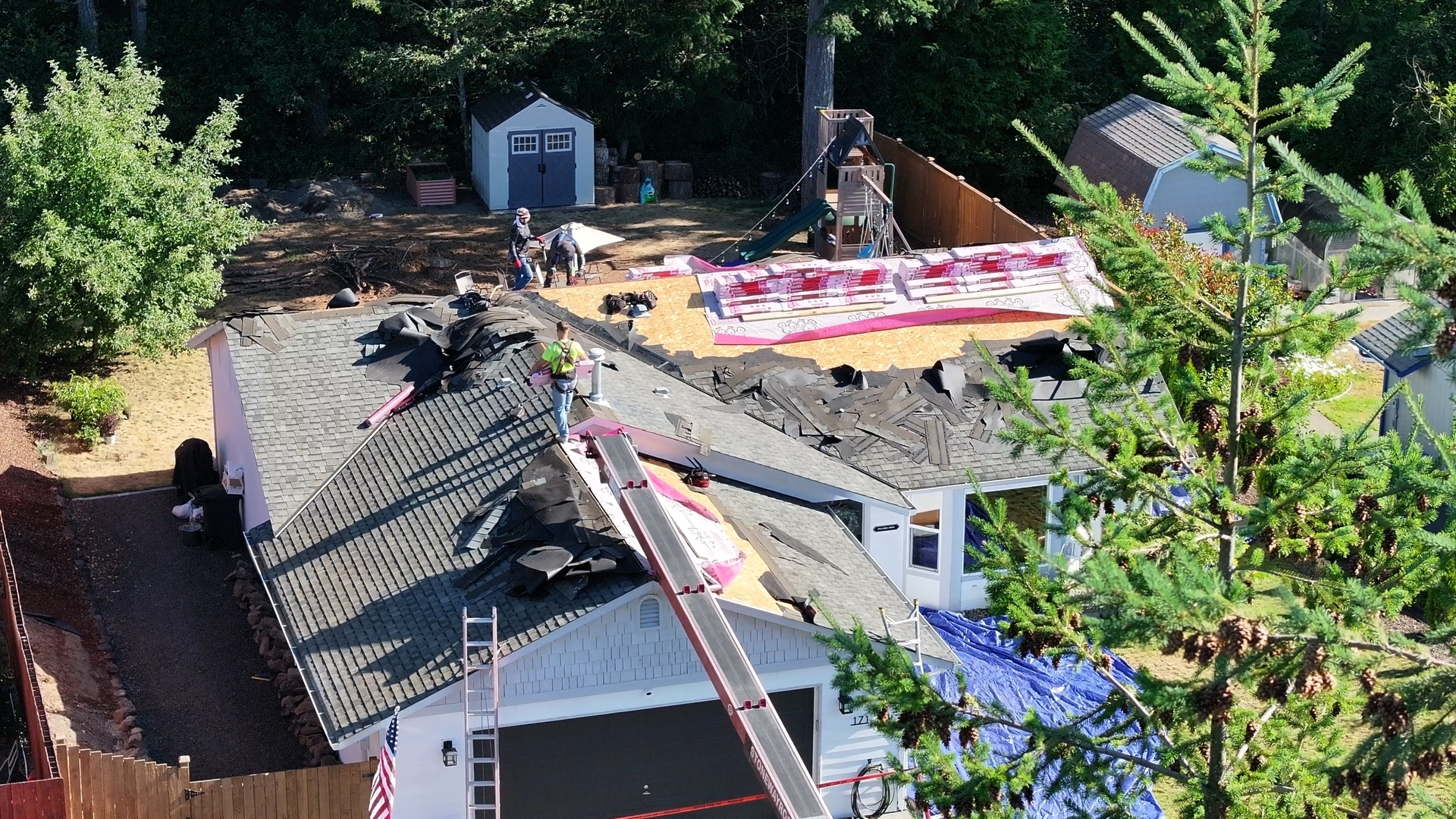
The number of existing roof layers can significantly affect tear-off costs. Removing multiple layers requires additional labor, takes more time, and creates more roofing debris that must be hauled away and disposed of.
Pacific Exteriors Average Cost: Removing each additional layer can add approximately $1.00 per square foot. On a 2,000-square-foot roof, one additional layer could add approximately $2,000.
How to tell if this applies to your home: If you know your roof has been replaced before, ask whether the previous roofing was removed or whether a new layer was installed over it. You may also be able to see multiple layers along exposed roof edges, although this is not always easy to determine from the ground. A roofing contractor can confirm the number of layers during the inspection or tear-off.
5. Hidden Roof Damage
In some cases, roofing damage may not be identified until the existing roofing system is removed.
Contractors may discover deteriorated roof decking, water damage, pest damage, damaged flashing, ventilation problems, or other structural issues.
These repairs generally need to be completed before the new roof can be installed, which can increase the final project cost. Homeowners may want to budget an additional 10–20% of the initial project cost to help prepare for unexpected repairs discovered during the roof replacement.
How to tell if this may apply to your home: Look for warning signs such as water stains on ceilings or walls, sagging areas, visible damage around roof penetrations, musty odors in the attic, or a history of leaks. These signs do not necessarily mean you have structural damage, but they can indicate that additional repairs may be needed once the existing roofing is removed.
6. Labor and Installation
Proper installation is essential to the performance and longevity of a roofing system. While a lower bid may reduce upfront costs, differences in installation quality or project scope can lead to additional repairs and expenses later.
How to tell if this may affect your cost: When comparing estimates, look beyond the total price. Check whether each contractor includes the same tear-off, underlayment, flashing, ventilation work, cleanup, disposal, and other installation details. If one estimate is substantially lower, ask what is and what isn’t included before assuming it is the better value.
7. The Roofing Contractor You Choose
Rather than comparing estimates based on price alone, homeowners should consider a contractor's roofing experience, qualifications, warranties, and scope of work. A roofing contractor that specializes in roofing may cost more upfront, but their experience can help ensure proper installation and reduce the risk of costly issues later.
How to tell if this may affect your project: Compare contractors based on more than their advertised price. Review their roofing experience, licensing and insurance, warranties, references or reviews, and the level of detail provided in the estimate. A reputable contractor should be able to explain what is included in the price and why your roof requires the recommended work.
Pacific Exteriors is an Owens Corning Platinum Preferred Contractor, which includes ongoing manufacturer training and requirements designed to keep contractors familiar with Owens Corning roofing products and installation practices. This added expertise can help support proper installation and long-term roof performance.
Architectural Asphalt Shingles: Perfect Balance of Price and Durability
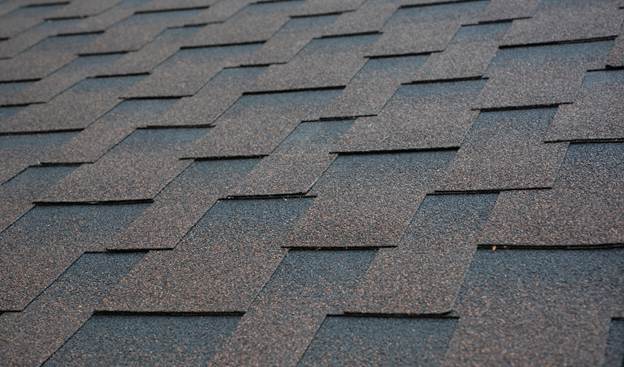
The pricing below reflects Pacific Exteriors' typical architectural asphalt shingle projects for a 2,000-square-foot roof.
Average 2,000 Sq. Ft Project: Starting at $15,000-$22,000
Starting Cost Per Sq. Ft (2,000 Sq. Ft Project): Starting at $7.85
*These prices don’t include factors like roof complexity, size, labor, hidden damage, pitch, etc.
While homeowners can choose from several roofing materials, Pacific Exteriors exclusively installs architectural asphalt shingles because they offer a strong balance of cost, performance, appearance, and long-term value.
For many Portland homeowners, architectural asphalt shingles offer the performance needed for the region's wet and windy conditions without the higher upfront cost associated with some premium roofing materials.
Why architectural asphalt shingles remain a popular choice among homeowners:
|
Benefit |
What It Means for Homeowners |
|
Cost-effective |
Offers a lower upfront cost than many premium roofing materials. |
|
Durability |
Designed to withstand everyday exposure to rain, wind, and extreme weather conditions. |
|
Versatile |
Available in a variety of colors and styles to complement different home designs. |
|
Relatively low maintenance |
Requires routine inspections and basic maintenance to support long-term performance. |
|
Repairability |
Individual damaged shingles can be replaced without replacing the entire roof. |
|
Curb appeal |
Provides a more dimensional, polished appearance that can enhance the home's exterior. |
How Long Do Architectural Asphalt Shingles Last?
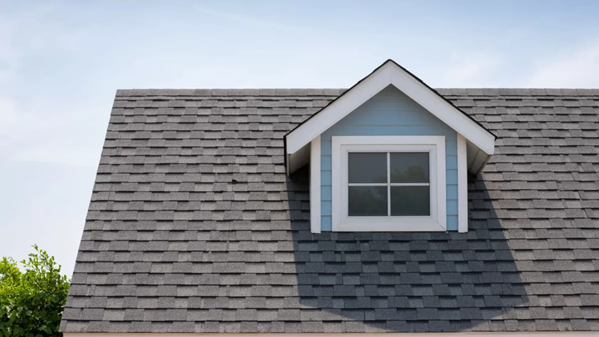
With proper installation and routine maintenance, architectural asphalt shingles have an average lifespan of 20–30 years. Nonetheless, the actual lifespan depends on factors such as manufacturer and installation quality, ventilation, maintenance, weather exposure, and overall roof conditions.
Portland Roof Permits: What Homeowners Should Know
A building permit generally is not required for a standard reroofing project in Portland, but that isn’t a general exemption. Permit requirements can vary depending on the type of home, the roofing materials being used, the property's location, and the scope of the work.
Reroofing with a roofing material of similar weight generally does not require a building permit, including the replacement of some or all existing roof sheathing.
However, a permit or additional requirements may apply in specific circumstances, including projects involving:
- Wildfire hazard areas
- Townhouses
- Solar or building-integrated photovoltaic systems
- Structural alterations
- Certain regulated properties or overlay areas
Because permit requirements depend on the specific property and project, homeowners should confirm the requirements for their address and planned scope of work before beginning a roof replacement rather than assuming a permit is or is not required.
Before starting your project
Homeowners should confirm the current requirements with the City of Portland because permit requirements and fees can vary based on the property's location and the specific scope of work. If a permit is required, the associated fees should be accounted for when budgeting for the total roof replacement cost.
At Pacific Exteriors we include permit fees in our invoices.
What Makes Roofing Replacement So Expensive?
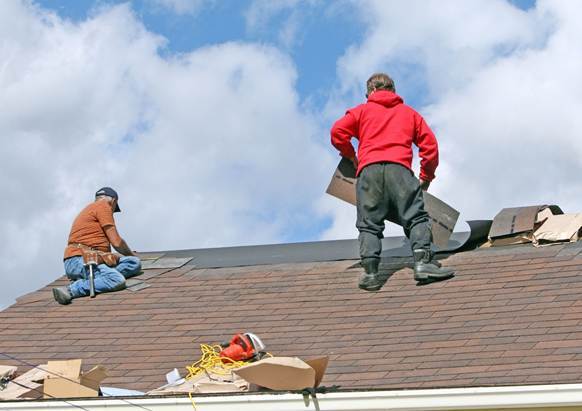
Many homeowners are surprised to learn that labor typically accounts for 40–60% of the total roof replacement cost.
A professional roofing replacement involves much more than simply removing old roofing materials and attaching new ones. Every step of the installation process contributes to the overall cost and plays an important role in the performance and lifespan of the roofing system.
A quality roofing replacement typically includes:
Old roofing removal: Existing roofing materials must be carefully removed to avoid damaging the existing sheathing or structural components.
Disposal fees: Contractors are responsible for moving and properly disposing of the old roofing and other debris.
Moisture management: Underlayment, drip edge, and other water-management components are installed to help protect the roof from moisture intrusion.
Flashing: Installed around chimneys, skylights, valleys, vents, and roof-to-wall transitions to help prevent leaks.
Hidden damage repairs: Damaged or deteriorated roof sheathing or other structural components are repaired or replaced after the existing roofing is removed.
Proper ventilation: Proper intake and exhaust ventilation helps regulate attic airflow, reduce moisture buildup, and extend the life of the roofing system.
The Pacific Exteriors Promise: No Surprise Fees, Ever

At Pacific Exteriors, we believe homeowners should have a clear understanding of their roofing replacement costs before making a major investment. Our approach focuses on transparent pricing, detailed estimates, and helping homeowners understand exactly what is included in their project.
Rather than providing a vague price estimate, we break down the factors that impact the overall cost, including:
Architectural asphalt shingles: Pacific Exteriors installs architectural asphalt shingles and clearly outlines the roofing system and price options, so homeowners understand what they're investing in.
Roof complexity and pitch: The estimate accounts for factors such as roof size, pitch, valleys, dormers, penetrations, and other features that can affect labor and installation requirements.
Tear-off and disposal: Existing roofing removal, debris handling, and disposal are included so homeowners have a clearer picture of the total replacement cost.
Weather protection: Proper underlayment, flashing, drip edge, and other moisture-management components are considered to help protect the roof from Portland's wet climate.
Potential repairs: If removing the existing roof reveals damaged sheathing, moisture damage, or other hidden issues, we explain the necessary repairs and how they may affect the final cost.
Ventilation: Existing roof ventilation is evaluated to determine whether additional intake or exhaust ventilation is needed for proper airflow and long-term roof performance.
Warranty coverage: We explain the Owens Corning Platinum Preferred warranty and workmanship warranty we provide so homeowners understand what protection is included with their new roof.
Get a Free Portland Roof Estimate
For Portland homeowners, Pacific Exteriors is an Owens Corning Platinum Preferred Contractor providing professional architectural asphalt shingle installation with a focus on quality materials, proper installation, and long-term performance. Our team can evaluate your existing roof, identify potential problem areas, and help you understand the costs involved in replacing it.
Ready to find out what your Portland roof replacement could cost? Contact Pacific Exteriors today to schedule a free, no-obligation roof inspection and receive a detailed estimate for your home.
Frequently Asked Questions About Portland Roof Replacement Costs
How much does it cost to replace a roof in Portland in 2026?
For a 2,000-square-foot architectural asphalt shingle roofing project, Pacific Exteriors' current pricing ranges from approximately $15,000 to $22,000. The final price depends on roof size, pitch, complexity, existing layers, materials, labor, and the condition of the underlying roof.
What is the average cost of a new roof in Portland?
There isn't one price that applies to every Portland home. Roof size, pitch, materials, tear-off requirements, labor, and hidden damage can all significantly affect the final cost. For this reason, homeowners should use local estimates based on their specific roof rather than relying solely on an average.
How much should I budget for unexpected roof repairs?
10–20% of the initial roof replacement budget. This can help cover unexpected decking damage, moisture problems, structural repairs, or other issues discovered after the old roof is removed.
Does a steep roof cost more to replace?
Yes. Steeper roofs generally require additional safety equipment, more labor time, and more careful material handling. A steep roof pitch can add approximately $0.04–$0.80 per square foot, depending on the pitch.
Are architectural asphalt shingles a good choice for Portland?
Yes. Architectural asphalt shingles provide a practical balance of cost, durability, appearance, and performance for many Portland homes. They are well suited to rainy conditions when properly installed and maintained.
How long does an architectural asphalt shingle roof last?
A properly installed asphalt shingle roof can last approximately 20–30 years, depending on the specific roofing product, installation quality, maintenance, and environmental conditions.
Can I put a new roof over my existing shingles?
Roofing requirements depend on the existing roofing system, local regulations, and the condition of the roof. Multiple existing layers can also increase the cost of replacement. A professional roofing contractor can determine whether a tear-off and full replacement is appropriate for your home.
Topics: