

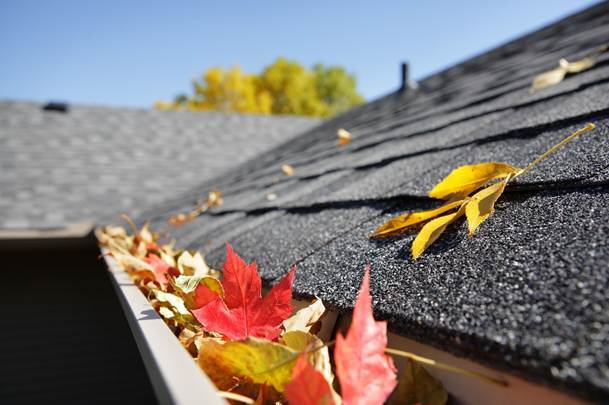
Even durable, premium siding materials can have a shorter lifespan when routine maintenance is overlooked or handled incorrectly.
A little cracked caulk, an overgrown shrub, or a few loose panels may not seem urgent. However, small problems can allow water behind the siding, damage the wall assembly, or leave the material vulnerable to further deterioration.
Since 2008, Pacific Exteriors has helped homeowners protect and improve their homes through professional siding and roofing replacement and installation. Our experience working with different siding materials, installation requirements, and home conditions has shown us that proper maintenance plays an important role in getting the expected performance and longevity from your siding.
Understanding which maintenance mistakes can shorten siding life can help you catch problems earlier, protect your home from moisture damage, and avoid unnecessary repairs. Below, we’ll cover the most common mistakes homeowners should avoid and what you can do instead.
At a Glance: Siding Maintenance Mistakes That Can Shorten Siding Life
|
Maintenance mistake |
Why it matters |
|
1. High-pressure washing |
Can force water behind siding and damage finishes |
|
2. Neglecting water-management details |
Can allow water to get behind the siding system while creating opportunities for pests to enter |
|
3. Delaying painting, staining, or touch-ups |
Leaves siding materials vulnerable to the elements and moisture intrusion |
|
4. Letting Landscaping Grow Against the Siding |
Traps moisture against siding and can cause damage |
|
5. Using Harsh or Incompatible Cleaning Products |
Can damage siding finishes/coatings and even the material itself |
|
6. Ignoring small warning signs |
Allows minor problems to become more extensive repairs |
1. High-Pressure Washing
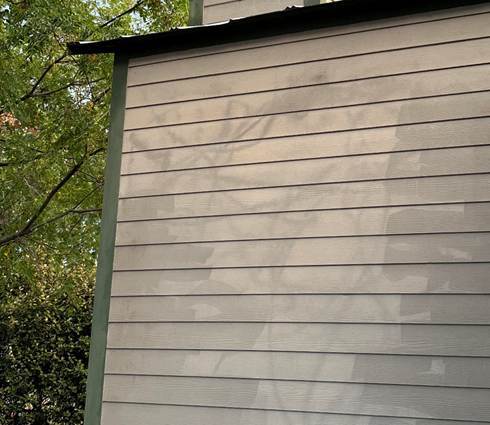
Cleaning siding removes dirt, mildew, algae, and other buildup, but excessive pressure or improper spraying can damage the siding and allow water behind it.
Too much pressure: High-pressure water can damage and strip finishes and paint, crack certain materials, loosen caulk or sealants, and create oxidation marks on the surface.
Water intrusion: Spraying directly or upward into seams, laps, joints, or penetrations can force water behind the siding and contribute to moisture damage.
How to avoid this
Follow the manufacturer's cleaning recommendations and start with a garden hose and soft brush/sponge. Also, avoid directing water into seams, joints, caulked areas, or openings around windows and doors.
2. Neglecting Water-Management Details
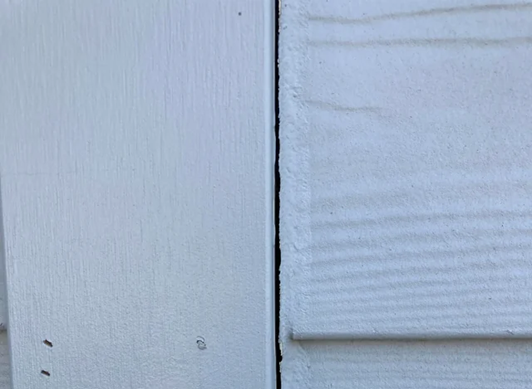
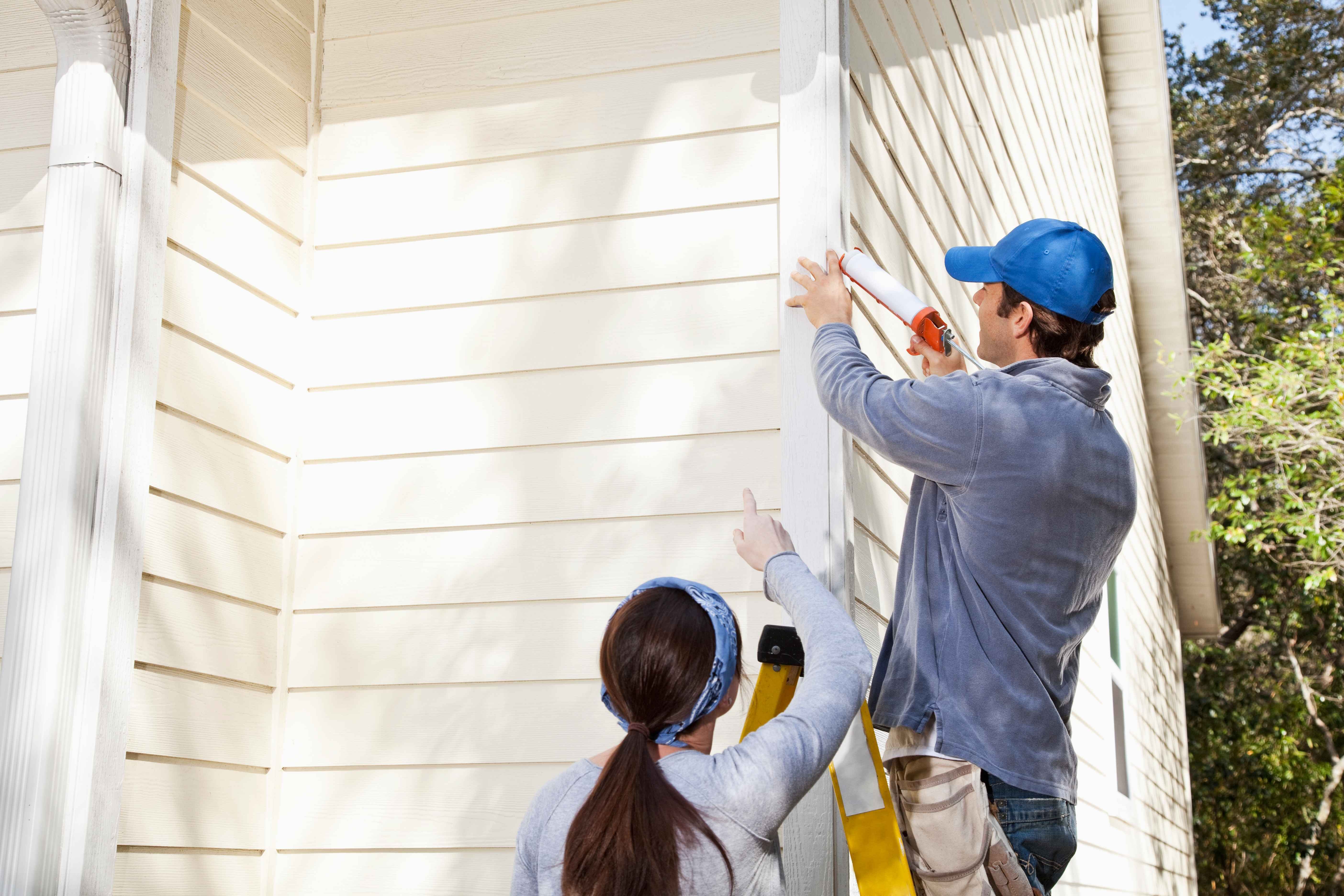
Siding panels missing caulking
Siding is only one part of your home's exterior water-management system. Caulk, flashing, gutters, and drainage all work together to direct water away from vulnerable areas. When these components are neglected, repeated moisture exposure can shorten siding life and contribute to damage behind the siding.
|
Maintenance Issue |
Why It Matters |
|
Cracked or deteriorated caulk and flashing |
Can allow water into vulnerable areas around windows, doors, trim, and siding transitions. |
|
Improper caulking |
Applying caulk over drainage paths or flashing problems can trap moisture instead of directing it outward. |
|
Clogged gutters |
Can cause water to overflow and repeatedly run down the siding. |
|
Recurring moisture or staining |
May indicate an underlying water-management problem with a water source that has yet to be fixed or discovered. |
How to avoid this
Inspect caulk, flashing, gutters, and downspouts regularly. Replace deteriorated sealant where appropriate, keep gutters clear, and make sure downspouts direct water away from the home. If you notice recurring staining, moisture, or deterioration, have the area evaluated rather than repeatedly applying caulk.
3. Waiting Too Long to Repaint, Restain, or Touch Up Exposed Areas
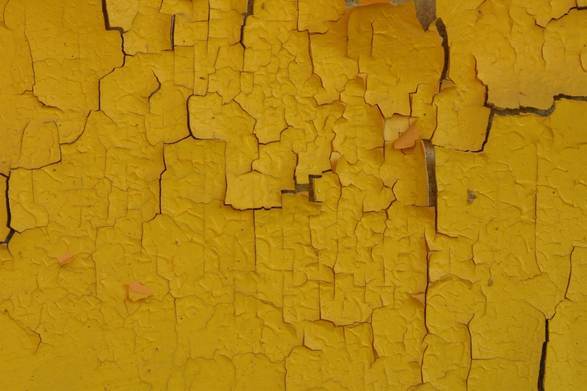
Paint and stain aren't purely cosmetic; these finishes help protect the surface from repeated exposure to moisture, sunlight, and changing weather conditions.
Signs that cleaning alone may no longer be enough include:
Chalking: A powdery residue can indicate that the finish is breaking down and may need attention.
Peeling or flaking: Areas where the coating is lifting or coming away can leave the siding surface exposed.
Cracked coatings: Cracks in the finish can create openings where moisture can reach the underlying material.
Exposed cut edges: Cut or exposed edges need appropriate protection because they can be more vulnerable to moisture absorption.
Visible finish deterioration: Fading, worn areas, or widespread breakdown of the coating may indicate that cleaning alone is no longer enough.
How to avoid this
Inspect siding twice a year or after severe storms and address small areas of coating deterioration before they spread. Follow the siding manufacturer's recommendations for repainting, staining, and touch-ups, including proper surface preparation and compatible coatings.
4. Letting Landscaping Grow Against the Siding
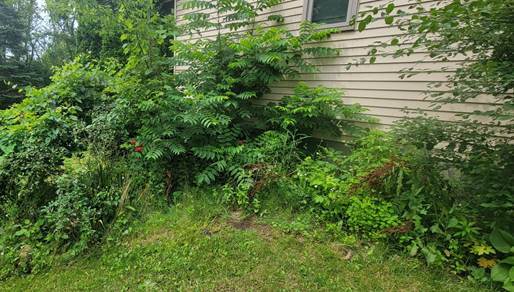
Indeed, trees, shrubs, flowers, and other types of vegetation can improve your home's appearance and curb appeal. Nevertheless, plants that grow too close to your home’s siding can trap moisture, cause damage, and make siding problems harder to spot.
|
Landscaping Issue |
Why It Matters |
|
Dense vegetation |
Can restrict airflow and trap rain or dew against the siding, keeping the surface damp for longer. |
|
Branches rubbing against siding |
Repeated movement in windy conditions can wear down coatings and scratch the surface. |
|
Overgrown vegetation |
Can conceal siding damage and make it harder to inspect the wall for damage, moisture, or signs of pest activity. |
|
Soil or mulch against siding |
Can increase moisture exposure near the bottom of the siding and make the area more difficult to inspect. |
How to avoid this
Keep plants from resting directly against the siding, trim branches and shrubs before they begin rubbing against the home, and maintain appropriate clearances (typically 2-3 feet) between landscaping and the exterior.
Use landscaping maintenance as an inspection opportunity: Trimming back vegetation gives you a chance to check previously hidden areas for cracks, rot, loose siding, staining, or other signs of damage.
5. Using Harsh or Incompatible Cleaning Products
Not every exterior cleaner is safe to use on siding materials.
Harsh chemical cleaners like chlorine bleach and ammonia can damage finishes, cause discoloration, and can even damage siding materials, which ultimately degrades its durability and performance.
Important note: Do not mix ammonia with chlorine bleach since this combination releases a toxic chloramine gas, which can cause severe respiratory damage and can be fatal.
How to avoid this
Follow the siding manufacturer's cleaning and maintenance recommendations. Use cleaning products recommended for the material, avoid abrasive tools like steel wool, and test cleaning methods in an inconspicuous/small area if trying something new.
When in doubt, check the manufacturer's maintenance instructions before applying a new cleaner, coating, or treatment.
6. Ignoring Small Warning Signs
One of the biggest siding maintenance mistakes is assuming that a minor problem will stay minor.
Small cracks, localized mildew, loose panels, minor warping, soft trim, recurring stains, and deteriorating caulk can all indicate a larger issue. Ignoring these signs gives moisture and other problems more time to spread.
Pay particular attention to:
|
Warning Sign |
What It May Indicate |
|
Soft or spongy siding or trim |
Possible moisture damage or deterioration beneath the surface. |
|
Persistent stains |
Ongoing moisture exposure or water-management issue. |
|
Swelling or buckling |
Possible moisture damage, installation issues, or material movement. |
|
Loose or damaged panels |
Reduced protection against weather and potential openings for moisture. |
|
Repeatedly failing caulk |
Movement, moisture, or an underlying flashing or water-management problem. |
|
Interior water stains |
Possible water intrusion through the exterior wall system. |
|
Recurring mold or mildew |
Persistent moisture that may require more than surface cleaning. |
|
Storm-damaged siding |
Cracks, dents, loose sections, or openings that can worsen if left exposed. |
|
Signs of insects or termites |
Potential damage to siding, trim, or underlying wood components. |
How to avoid this
Don't wait for visible damage inside your home before investigating an exterior problem. If the same area repeatedly develops stains, moisture, swelling, or deterioration, look for the underlying source rather than repeatedly treating the symptom.
A professional siding contractor can help determine whether the problem is limited to the siding or involves flashing, sheathing, trim, or another part of the wall assembly.
How Often Should You Inspect Your Siding?
A practical siding maintenance routine includes inspections at least twice a year, typically in the spring and fall.
Fall inspection: gives homeowners an opportunity to address damage before the wetter and potentially harsher months.
Spring inspection: can reveal problems caused by winter rain, wind, or storms.
After severe storms: no matter what time of year it is, it’s also worth checking the exterior for visible damage that may have been caused by thunderstorms, hail, hurricanes, etc.
During an inspection, look for:
.jpeg?width=615&height=741&name=General%20Siding%20maintenance%20checklist%20(3).jpeg)
Catching these issues early can make repairs more straightforward and help prevent damage from spreading into the wall assembly.
When Should You Call a Siding Contractor?
.jpg?width=1920&height=1080&name=When%20to%20Contact%20a%20siding%20contractor%20(1).jpg)
Routine cleaning and basic visual inspections are tasks many homeowners can handle themselves. However, certain warning signs can indicate moisture intrusion, material deterioration, or damage behind the siding that requires a closer evaluation.
These symptoms may indicate that the problem extends beyond the visible siding. Simply covering the affected area without addressing the underlying moisture or structural issue can allow the problem to continue.
Protect Your Siding with Proactive Maintenance

The best way to extend your siding’s lifespan isn't necessarily complicated. Keep the exterior clean, maintain proper water drainage, inspect the siding regularly, keep landscaping under control, maintain paint and coatings, and address small problems before they become larger ones.
If your siding is showing signs of damage, Pacific Exteriors can help you understand what’s happening and what options may make sense for your home. Our team works with homeowners on siding replacement and exterior projects with a focus on clear communication, quality workmanship, and recommendations based on the home's needs and the homeowner's goals.
Contact Pacific Exteriors today to get a free, no-obligation exterior estimate to discuss your siding concerns and explore your options. Estimates are valid for a full year, giving you time to make an informed decision without pressure.
Frequently Asked Questions
How often should I clean my siding?
Many siding materials benefit from annual cleaning, but the appropriate frequency depends on the siding material, climate, exposure, and buildup. Homes in damp environments may need more frequent attention to prevent dirt, algae, mildew, and other buildup from remaining on the surface.
Does pressure washing damage siding?
It can. Excessive pressure or spraying upward into siding laps can force water behind the siding and may damage finishes, caulk, or the siding itself. Use a cleaning method appropriate for your specific siding material and follow the manufacturer's recommendations.
What is the most important siding maintenance task?
Regular inspections are one of the most important habits because they can help homeowners identify cracks, loose panels, failed caulk, coating damage, and moisture problems before they become more extensive.
How often should I inspect my siding?
Inspect your siding at least twice a year, ideally in spring and fall. You should also inspect the exterior after a major storm or other event that could have caused damage.
Can landscaping damage siding?
Yes. Branches and shrubs can rub against siding, while dense vegetation and vines can trap moisture against the exterior. Keeping landscaping trimmed away from the home helps maintain airflow and makes it easier to spot siding problems.
When does siding need to be replaced instead of repaired?
Replacement may be appropriate when damage is widespread, recurring, or involves significant deterioration of the siding or underlying wall assembly. A professional inspection can help determine whether localized repairs are practical or whether replacement should be considered.
How can I make my siding last longer?
Keep it clean, maintain gutters and drainage, inspect it regularly, keep landscaping away from the exterior, maintain paint or stain when required, and address cracks, damaged panels, failed caulk, and signs of water intrusion promptly.
Topics: