

Siding installation is a significant investment, and homeowners often expect the manufacturers and contractor warranty to protect that investment for decades. However, a siding warranty does not automatically cover every problem that occurs after installation.
Several common issues can affect your siding warranty coverage, including:
- Improper installation: Problems caused by incorrect installation or failure to follow manufacturer’s requirements may not be covered.
- Neglected maintenance: Damage resulting from a lack of required cleaning, repairs, or routine maintenance can affect warranty coverage.
- DIY projects or unauthorized modifications: Altering, repairing, or modifying the siding outside the manufacturer’s guidelines may void or limit coverage.
With more than 15 years of experience installing siding systems, Pacific Exteriors understands how proper installation, manufacturer specifications, and ongoing maintenance can affect siding performance and warranty protection. As a James Hardie Elite Preferred Contractor, our team has extensive experience installing siding systems according to manufacturer requirements and helping homeowners understand the factors that can affect their investment.
In this guide, we'll cover the three major reasons siding warranties can be voided and the steps homeowners can take to help keep their warranty protection intact.
What Does a Siding Warranty Actually Cover?
Before discussing what can void a siding warranty, it is important to understand the difference between a manufacturer's warranty and a contractor's labor warranty.
|
Warranty Type |
What It Covers |
Example |
|
Manufacturer’s Product Warranty |
Protects against defects in the siding materials. Coverage may include manufacturing defects, material failures, and certain finish or fading concerns, depending on the product. Typical manufacturer warranties range from 20 to 50 years, depending on the siding material and specific product. |
The siding material develops a defect caused by a manufacturing issue. |
|
Contractor’s Labor Warranty |
Covers problems caused by improper installation or workmanship. |
Siding fails because it was improperly fastened or installed without required flashing. |
This distinction is important because a product warranty is not the same thing as an installation warranty.
This is important to know when determining who is responsible for repairing a siding problem.
3 Reasons Your Siding Warranty Could Be Void
1. Improper Siding Installation
Improper installation is one of the biggest threats to siding warranty coverage.
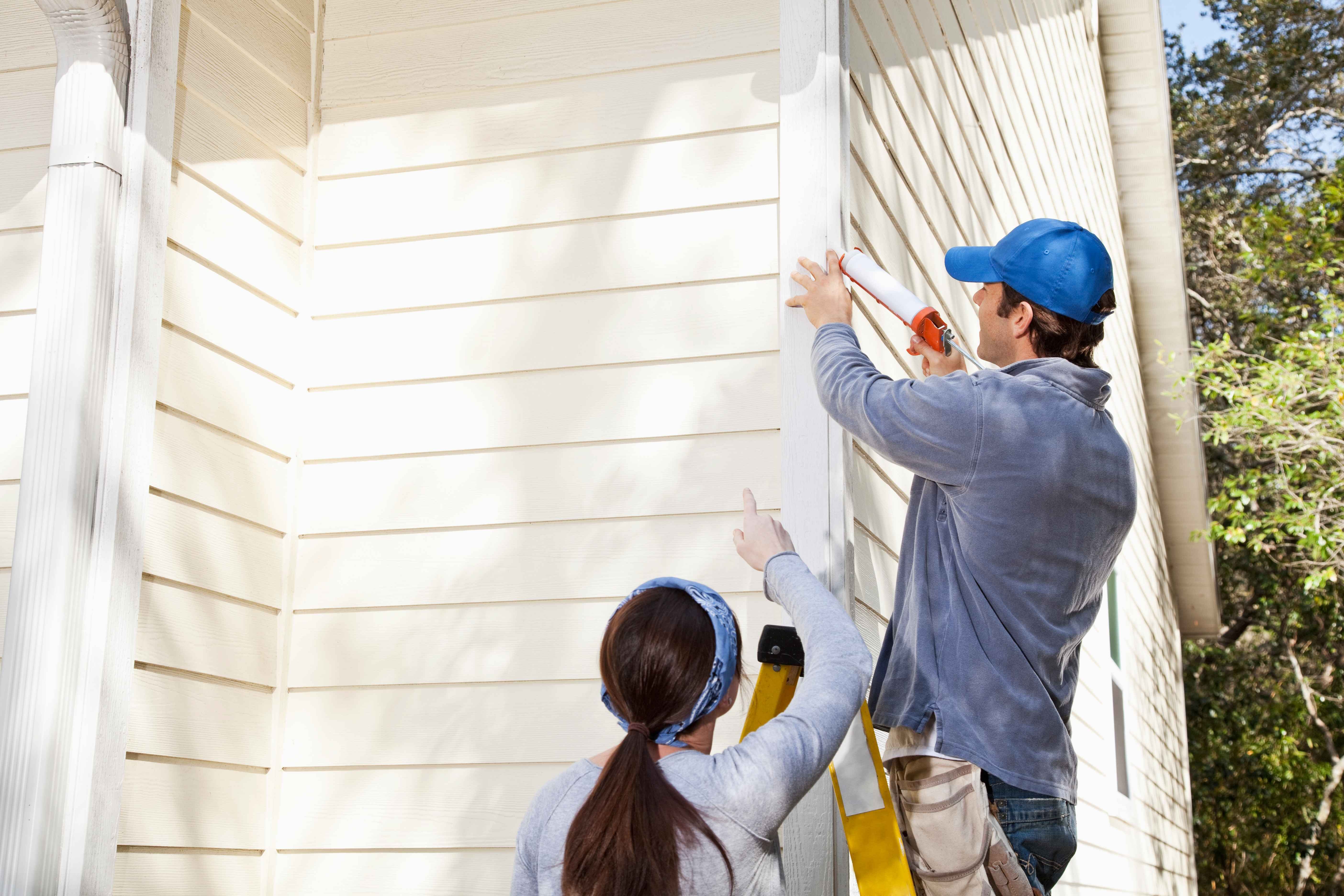
Manufacturer installation guides explain how their products should be installed. These requirements can cover everything from nail placement and clearances to flashing, weather-resistant barriers, overlaps, and expansion allowances.
When manufacturer requirements are ignored, the siding may not perform as intended, and a manufacturer may deny a warranty claim if premature failure resulted from improper installation.
|
Installation Issue |
Potential Problem |
|
Improper fastening |
Buckling, warping, cracking, or wind damage |
|
Improper clearances |
Increased moisture exposure |
|
Missing or improper flashing & caulking |
Water intrusion and wall damage |
|
Missing weather barriers |
Moisture reaching the wall assembly |
|
Installing over existing siding |
Hidden rot, damaged sheathing, structural issues, or moisture problems |
Even small installation errors can contribute to significant problems.
2. Neglected Siding Maintenance
Correct siding installation is only the first step. As a homeowner, you also play an important role in maintaining your siding and protecting its warranty coverage. Damage caused by neglected maintenance, improper repairs, or unauthorized modifications may not be covered.
Even high-quality siding requires routine care. Manufacturers may have specific requirements for cleaning, repainting, inspections, repairs, and other maintenance tasks.
In other words, even with brand-new siding, some issues can become the homeowner's responsibility if the siding is not maintained according to the manufacturer's requirements.
Common Maintenance Mistakes
|
Maintenance Issue |
Potential Problem |
|
Overgrown vegetation |
Trapped moisture and surface damage |
|
Clogged or overflowing gutters |
Repeated moisture exposure |
|
Harsh cleaners or excessive pressure |
Panel or paint/finish damage |
|
Abrasive brushes |
Scratches and surface damage |
|
Failed caulking or sealants |
Water intrusion |
|
Delayed repainting |
Premature finish deterioration |
|
Ignoring storm damage |
Small problems becoming larger repairs |
Delaying Repairs Can Make Problems Worse
A small crack, loose panel, damaged sealant joint, or another issue may seem insignificant. However, leaving exterior damage unaddressed can allow water and the elements to cause further deterioration.
Once damage is discovered, it should be documented and addressed promptly.
3. DIY Repairs and Unauthorized Modifications
DIY projects and unauthorized modifications can create siding and warranty problems. Installing light fixtures, vents, cameras, satellite dishes, hose hangers, or other attachments may require drilling, cutting, or fastening into the siding.
Every penetration creates a potential pathway for moisture:
.jpg?width=804&height=603&name=diy%20dangers%20(1).jpg)
Common Modification Risks
|
Modification or Repair |
Potential Problem |
|
Drilling or cutting siding |
Water entry points |
|
Improper flashing or sealing |
Moisture behind siding |
|
Siding damage or movement |
|
|
Incompatible replacement materials |
Premature failure |
|
Incorrect sealants |
Water intrusion or material damage |
|
DIY repairs |
Installation-related warranty concerns |
Before modifying or repairing siding, homeowners should check the manufacturer's requirements and consider using a qualified siding professional, particularly when the work affects flashing or the wall assembly.
Repainting Can Affect Finish Coverage
Repainting may not necessarily void an entire siding warranty, but it can affect certain finish-related coverage.
For example, repainting James Hardie siding with factory-applied ColorPlus Technology can only void the ColorPlus finish warranty. Nonetheless, this is only true if you use a paint type and brand approved by James Hardie.
Before repainting your siding, homeowners should verify:
- Whether the siding has a factory-applied finish
- What the manufacturer says about repainting
- Which paints or coatings are approved
- Whether there are specific color or application requirements
Never assume that any exterior paint or coating is automatically compatible with your siding warranty.
How to Keep Your Siding Warranty Intact
1. Hire a Qualified Siding Contractor
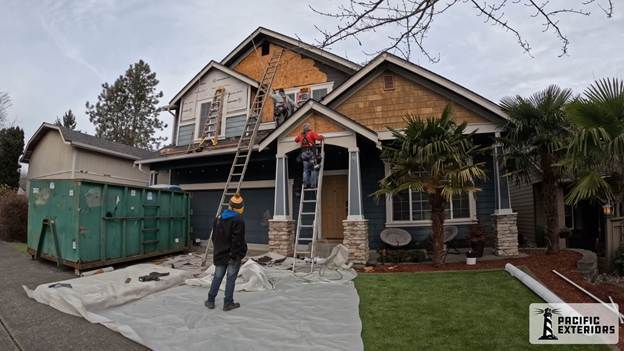
The best opportunity to protect your siding warranty begins before installation. Choosing a qualified contractor who understands the manufacturer's requirements and has experience with your specific siding product can help prevent installation-related problems and warranty issues.
Before choosing a siding contractor, ask about the following:
- Manufacturer installation requirements: Helps ensure the siding is installed according to product-specific guidelines.
- Experience with your siding product: Shows familiarity with the specific installation requirements of the material.
- Written workmanship warranty: Clarifies what the contractor is responsible for after the installation is complete.
- Licensing and insurance: Helps protect you and your investment throughout the project.
- Manufacturer certifications: Demonstrates product-specific training, experience, and warranty.
- Installation documentation: Provides a record of the completed work and may be helpful if warranty questions arise later.
Pacific Exteriors is a James Hardie Elite Preferred Contractor, the highest level of James Hardie contractor certification. Our team understands the importance of following manufacturer specifications, siding installation standards, and treating every home like it’s our own.
.jpg?width=702&height=877&name=Quality%20Contractor%20infographic%20(1).jpg)
Planning a siding replacement? Contact Pacific Exteriors to discuss your project and learn how professional installation can help protect your siding investment.
2. Keep Up with Routine Siding Maintenance
Once the installation is complete, homeowners need to maintain their siding according to the manufacturer's recommendations.
.jpg?width=678&height=958&name=Seasonal%20Siding%20Maintenance%20Checklist%20Chattanooga%20(3).jpg)
Link to download our seasonal maintenance guide.
Here is another general maintenance guide.
Regular maintenance can help homeowners identify minor problems before they become larger, more expensive issues.
3. Avoid Unapproved DIY Modifications

Before drilling, cutting, painting, or attaching anything to your siding, check the manufacturer's warranty and installation requirements. Even a small modification can create a penetration that affects the siding or the moisture-management system behind it.
However, not all modifications are off-limits for crafty homeowners. Many manufacturers approve specific attachment methods, fasteners, or accessories designed to work with their siding system without voiding the warranty. The key is confirming approval before work begins, not after.
This is especially important when installing exterior lighting, vents, electrical components, satellite or solar equipment, security cameras, or other exterior installations.
Projects that require new openings or penetrations should be evaluated by a qualified professional to help prevent water intrusion or damage to the siding.
Taking these steps can help prevent accidental damage and reduce the risk of creating a condition that could affect your siding warranty.
4. Register Your Warranty When Required
Warranty registration requirements may vary between manufacturers and contractors.
If your siding manufacturer or contractor requires registration, complete it within the specified timeframe in order to be eligible for warranty protections.
Additionally, keep a copy of the registration information along with your other project documents.
Registration can help establish important information such as the product, installation date, homeowner information, and warranty eligibility when applicable.
5. Keep Your Siding Warranty Documents and Installation Records
Good documentation can make a future warranty claim much easier to navigate. Homeowners should keep records from the original siding project, along with maintenance and repair documentation.
Important records include:
- Contracts and invoices
- Manufacturer and workmanship warranties
- Product, color, and finish information
- Installation, permit, and inspection records
- Photos (before and after projects, damages, repairs, etc.)
- Maintenance, repair, and repainting records
Keeping these records together makes it easier to verify what was installed, who performed the work, and what warranties apply if an issue arises.
Protect Your Siding Investment with Pacific Exteriors

Your siding warranty is only one part of protecting your home's exterior. Proper installation, moisture management, routine maintenance, and responsible repairs all play a role in helping your siding perform for years to come.
Pacific Exteriors has more than 15 years of experience helping homeowners with siding installation and exterior renovation. As a James Hardie Elite Preferred Contractor, our team understands the importance of following manufacturer installation requirements and providing homeowners with properly installed siding systems.
Ready to replace your siding or concerned about a potential siding problem?
Frequently Asked Questions About Siding Warranties
Can improper siding installation void my warranty?
Yes, improper installation can affect manufacturer warranty coverage if the siding fails because it wasn’t installed according to the manufacturer's requirements. Issues such as improper fastening, missing flashing, incorrect clearances, or inadequate moisture protection can contribute to warranty problems.
Does neglecting siding maintenance void the warranty?
It can. Manufacturers may require homeowners to follow specific maintenance guidelines that include cleaning, inspections, repairs, and repainting requirements. If neglected, maintenance causes or contributes to siding damage. As a result, these issues may not be covered by the warranty.
Can DIY siding repairs void my warranty?
DIY repairs or modifications can affect warranty coverage, particularly when they involve drilling, cutting, fastening, flashing, or other changes that don’t follow manufacturer requirements. Before making modifications, homeowners should review their warranty and consider talking to a certified siding contractor.
Does repainting siding void the warranty?
Not necessarily. However, repainting can affect certain finish-related warranty coverage. For example, repainting siding with a factory-applied finish may affect the manufacturer's finish warranty if the required paint type, brand, or application guidelines are not followed. Always check the manufacturer's specific requirements before repainting.
What should I keep for my siding warranty?
Homeowners should keep their contracts, invoices, manufacturer and workmanship warranties, product and finish information, installation and permit records, project photos, and maintenance/repair documentation. Keeping these records together can make it easier to verify warranty coverage if a problem occurs.
How can I protect my siding warranty?
The best way to protect your siding warranty is to hire a qualified contractor, ensure the siding is installed according to manufacturer specifications, follow recommended maintenance procedures, avoid unauthorized modifications, complete warranty registration if required, and keep detailed project records.
Does a siding warranty cover water damage?
It depends on the cause of the water damage and the specific warranty terms. Water damage caused by improper installation, inadequate flashing, failed sealants, or other excluded conditions may not be covered. Homeowners should review their warranty documents to understand what types of water-related damage are included or excluded.