Your home's siding does more than define your home’s appearance; it plays an essential role in protecting your home from the elements and preserving its structural integrity.
In the Southeast, where high humidity, heavy rainfall, intense summer heat, and severe storms are common, choosing a siding system designed for your local climate is essential to keeping your home protected and built to last for decades.
With so many siding materials, styles, and finishes available, choosing the right option can feel overwhelming. At Pacific Exteriors, we understand this and make the process easier by helping homeowners throughout Atlanta, Chattanooga, and surrounding areas compare their options and find the right fit for their needs, budget, and home.
In this guide, we'll compare the best siding options for Southeast homes, explain what to look for when choosing a material, and discuss why proper installation is essential for long-term performance.
Take the Guesswork Out of Choosing Materials
Compare siding colors, textures, and finishes in your own space and lighting before deciding what's right for your home.
Get Free Samples Shipped to You
Our Take: Fiber Cement Siding is the Best, But it’s Not the Only Good Option
With our 15+ years of experience, we think fiber cement siding is the best overall choice for Southeast homes because of its durability, moisture resistance, and ability to withstand challenging weather conditions.
However, the best siding for your home ultimately depends on your priorities:
Fiber Cement: Best overall for durability, weather resistance, and long-term performance.
Metal: Best for longevity, low maintenance, and resistance to moisture and pests.
Cedar: Best for natural wood beauty, warmth, and timeless curb appeal.
Vinyl: Best for homeowners not looking for longevity but want low maintenance.
Ultimately, the right siding depends on your home's needs, budget, and long-term priorities.
How Does the Southeast Climate Affect Your Home's Siding?
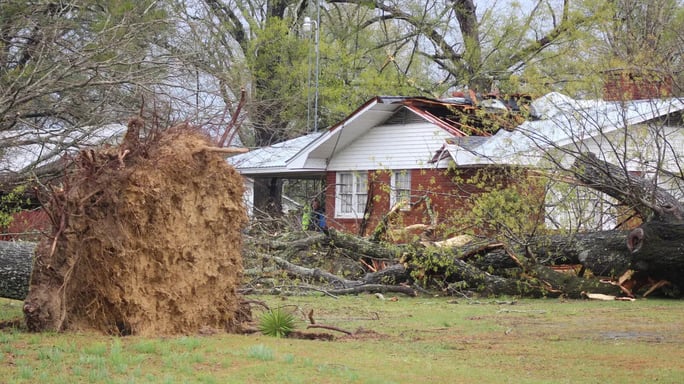
The Southeast's climate presents several challenges that can gradually wear down your home's exterior. High humidity, heavy rainfall, intense sunlight, and severe storms all contribute to siding deterioration over time.
Understanding these conditions can help you choose a siding system that protects your home for decades.
|
Climate Factor |
Potential Effects on Your Home's Siding |
|
High Humidity and Heavy Rainfall |
Can encourage mold, mildew, and algae growth, cause swelling and rot, and allow water to penetrate behind siding. |
|
Intense Summer Heat and UV Exposure |
Causes color fading and surface deterioration, while temperature fluctuations contribute to expansion, contraction, and gaps. |
|
Severe Storms and High Winds |
Can loosen siding, while hail and flying debris can crack, dent, or puncture exterior surfaces. Wind-driven rain can also cause hidden moisture damage. |
|
Termites and Other Wood-Damaging Pests |
Warm, humid conditions encourage wood-eating pest activity, potentially damaging exterior materials and underlying wood structures. |
Comparing the Best Siding Materials for Southeast Homes
Not all siding materials perform equally in hot, humid climates. Some offer excellent moisture resistance but struggle with extreme heat, while others provide outstanding durability but require more maintenance.
The following are four popular siding options worth considering when choosing siding for a home in the Southeast:
1. Fiber Cement Siding
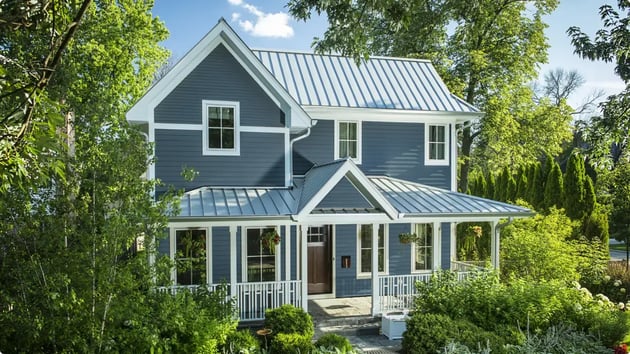
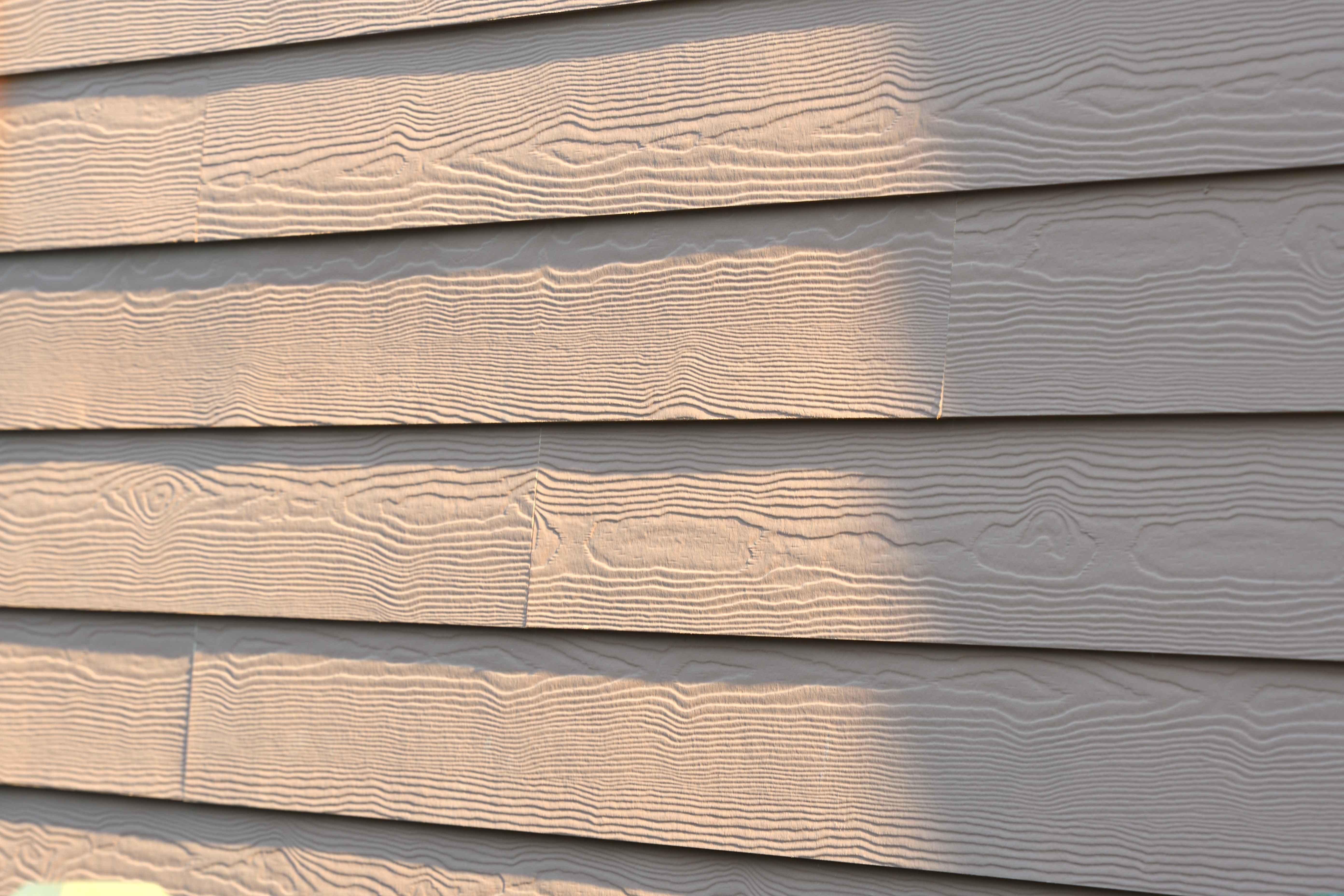
Fiber cement siding is one of the strongest overall choices for Southeast homes because it combines durability, moisture resistance, pest resistance, and design versatility.
Made from a mixture of Portland cement, sand, water, and cellulose fibers, fiber cement is engineered to withstand extreme weather conditions. Unlike natural wood, it doesn’t provide a food source for termites and is highly resistant to rot and fungal decay.
Benefits
- Moisture and rot resistance: Resists deterioration from prolonged moisture exposure and doesn’t rot like natural wood.
- Wind resistance: Engineered to withstand Category 5 hurricane winds (157+ mph) and severe weather when properly installed.
- Heat and UV performance: Maintains its structure under intense sunlight and high temperatures better than standard vinyl siding.
- Fire resistance: Fiber cement is noncombustible, offering an advantage over combustible wood and heat-sensitive vinyl.
- Design versatility: Available in lap siding, board-and-batten, shingles, and other profiles that can replicate the appearance of traditional wood.
- Long lifespan: Can last approximately 30-50+ years with proper installation and maintenance.
Potential Drawbacks
- Higher Upfront Cost: Requires a larger initial investment due to its dense composition, manufacturing process, and installation requirements.
- Requires Skilled Installation: Needs specialized tools, proper cutting techniques, and experienced installers to prevent cracking, moisture intrusion, and installation issues.
- Heavier Material: Its weight requires additional handling, specialized equipment, and experienced installation crews.
Expected Lifespan
30-50+ years with proper installation and maintenance.
For Southeast homeowners looking for a durable, attractive, and relatively low-maintenance exterior, fiber cement is an excellent option to consider.
2. Vinyl Siding
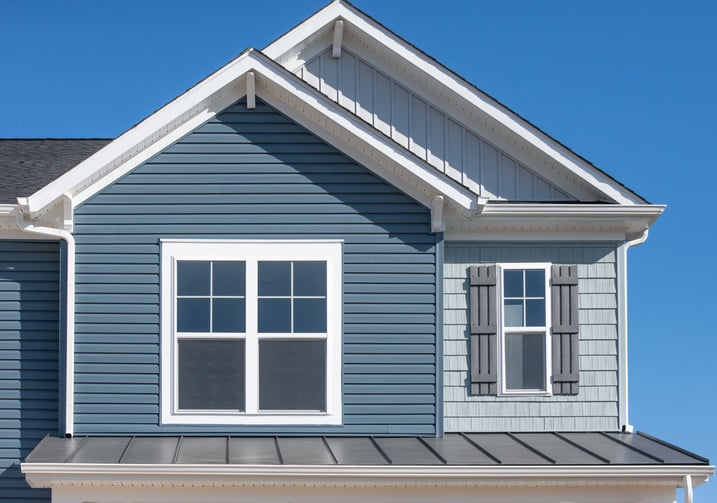
Vinyl siding is a popular choice among homeowners because of its affordability, variety of styles, and relatively low maintenance requirements. It’s made from polyvinyl chloride (PVC), a moisture-resistant plastic that doesn’t absorb water or rot.
Vinyl can perform well in moist conditions when installed correctly with an appropriate drainage and weather barrier system. However, the Southeast's intense summer heat and sunlight present some challenges.
Benefits
- Affordable installation: Generally one of the more budget-friendly siding options (if getting low-grade vinyl).
- Moisture resistance: Doesn’t absorb moisture, making it resistant to swelling, rotting, and moisture-related deterioration.
- Low maintenance: Doesn’t require routine painting or staining. Occasional cleaning helps remove dirt, algae, and mildew buildup.
- Style selection: Available in a wide range of colors, textures, and profiles, including traditional lap siding, vertical panels, and wood-look finishes.
Potential Drawbacks
- Heat-related warping: Tends to soften, warp, or buckle when exposed to intense sunlight and high temperatures. Panels can even melt from window reflections and being near a BBQ grill.
- UV fading: Long-term sun exposure can gradually break down pigments, causing panels to fade or lose their original color vibrancy.
- Impact damage: Hail, flying debris, and accidental impacts can easily crack, puncture, or break vinyl panels. Panels can become easily vulnerable to impact damage due to UV damage and temperature fluctuations causing the material to become brittle.
- Wind damage: Strong wind gusts can loosen or detach panels, requiring individual panel placement, which can become a recurring maintenance expense over time.
- Hidden Moisture Damage: Vinyl panels hang loosely to accommodate natural material movement as temperatures fluctuate. However, this movement creates openings where moisture can accumulate behind the panels. This moisture can reach the underlying wall assembly, leading to wood rot, mold, and structural damage.
Expected Lifespan
20-40 years with proper installation and maintenance.
Vinyl remains a practical option for homeowners prioritizing a lower upfront investment, but product quality and installation are especially important in the Southeast's demanding climate.
3. Cedar Wood Siding
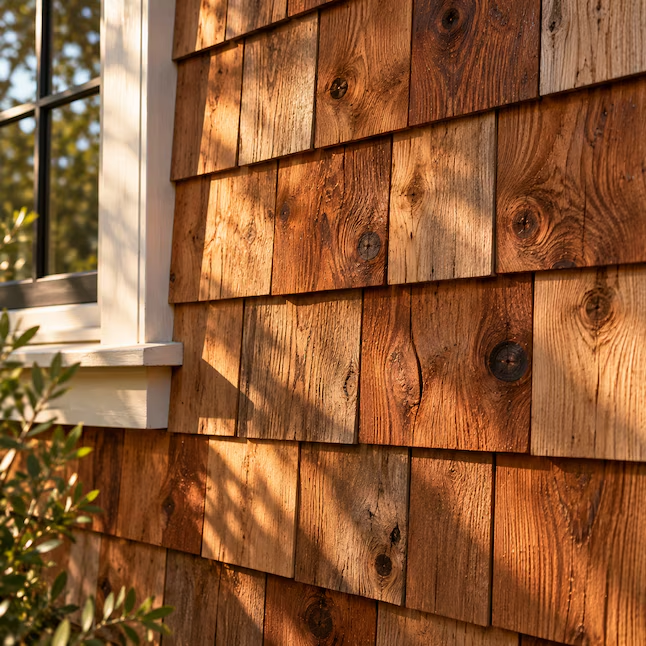
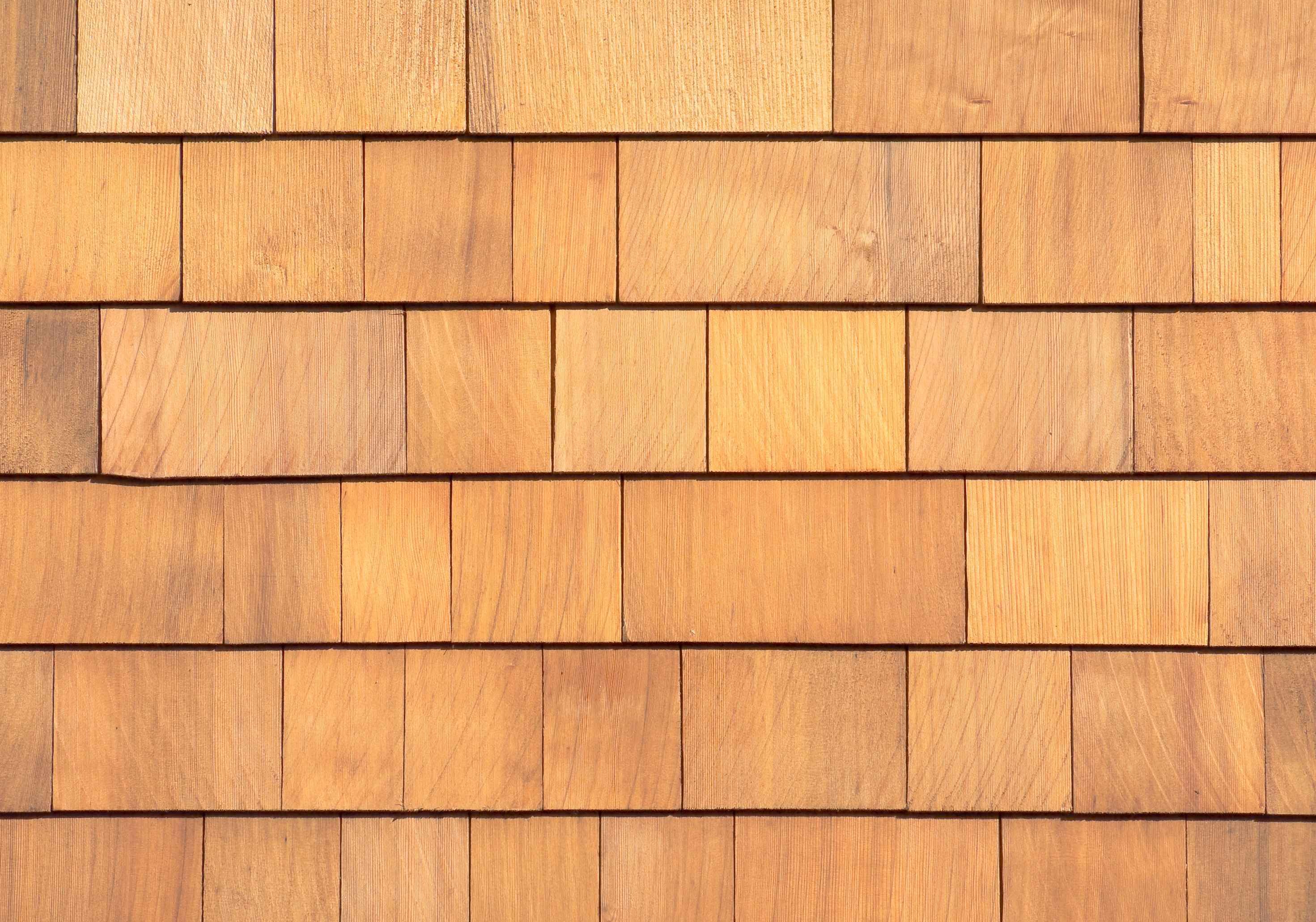
Natural cedar siding offers a distinctive appearance that is difficult to replicate with manufactured materials. Its natural grain, warmth, and texture make it appealing for traditional, rustic, and craftsman-style homes.
When properly maintained, it can perform well in a variety of climates, including humid and coastal environments.
Benefits
- Natural appearance: Offers authentic wood grain, rich color variations, and natural character that manufactured siding cannot completely replicate.
- Design flexibility: Available in several styles, including traditional lap siding, cedar shingles, and shakes, making it suitable for a wide range of architectural designs.
- Natural durability: Contains natural oils and extractives that provide some resistance to decay and insects.
- Thermal properties: Wood has relatively low thermal conductivity, meaning it transfers heat more slowly than materials such as metal. In the summer, it keeps your home cool, and in the winter it retains the heat inside the home.
Potential Drawbacks
- Moisture sensitivity: Prolonged exposure to humidity and rainfall can cause cedar to absorb moisture, swell, warp, split, and eventually rot. Proper sealing, drainage, and ventilation are essential in humid climates.
- UV deterioration: Intense sunlight gradually fades cedar's natural color and breaks down protective stains and finishes, leaving the wood more vulnerable to weathering.
- Higher maintenance: Cedar requires re-staining and sealing every 5-7 years for homeowners wanting to embrace its natural wood grain. In the Southeast, homeowners may need to refinish it more frequently due to prolonged humidity and sun exposure.
- Potential for mold and mildew: Persistent moisture can encourage organic growth on panels, requiring regular cleaning and maintenance.
- Higher long-term costs: Although cedar can provide a beautiful natural exterior, recurring maintenance, refinishing, and potential repairs can increase its overall cost of ownership.
Expected Lifespan
20-40 years with maintenance.
Cedar can be an attractive choice for homeowners who value natural materials and are comfortable with ongoing maintenance. However, it requires more attention in the Southeast, where high humidity and heavy rainfall can accelerate deterioration.
4. Metal Siding
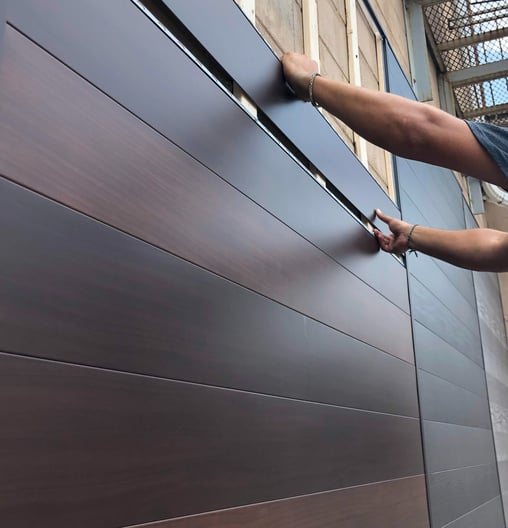
Metal siding, typically manufactured from steel or aluminum, offers excellent resistance to rot, insects, and moisture absorption.
Its durability and relatively low maintenance requirements make it worth considering for certain Southeast homes, particularly those in areas exposed to severe weather.
Benefits
- Moisture resistance: Doesn’t absorb water, swell, or rot like natural wood. Also doesn’t encourage wood-destroying pests to be around the siding system.
- Fire resistance: Both steel and aluminum are noncombustible materials, offering an advantage in areas where wildfire exposure is a concern.
- Long lifespan: Quality metal siding can last decades when properly installed and maintained. Protective coatings help preserve the finish and prevent premature deterioration.
- Low maintenance: Generally requires occasional cleaning when dirty and inspections rather than routine painting, staining, or sealing.
- Wind performance: Highly wind resistant with panels withstanding winds of 120 mph or more.
Potential Drawbacks
- Denting: Hail, flying debris, and accidental impacts can dent metal panels easily. It should be noted that dented metal siding panels require replacement and cannot be repaired.
- Corrosion: Damaged protective coatings, exposed edges, and incompatible fasteners can contribute to corrosion. Steel requires particular attention in coastal environments since it’s prone to rusting in salty air.
- Heat transfer: Metal absorbs and transfers heat, which can increase heat gain through exterior walls without adequate insulation.
Expected Lifespan
40-70+ years with proper installation and maintenance.
Metal siding can be a good option for homeowners prioritizing durability and minimal upkeep. However, the type of metal, protective coating, and installation system should be evaluated based on the property's exposure to moisture, salt air, and severe weather.
Which Siding Material Is Best for Southeast Homes?
The best siding for a Southeast home depends on your budget, desired appearance, maintenance expectations, and the environmental conditions your property faces.
While all four materials have advantages, their performance differs considerably when exposed to prolonged humidity, heavy rain, intense sunlight, and seasonal storms.
|
Factor |
Fiber Cement |
Low-Grade Vinyl |
Cedar |
Metal |
|
Expected lifespan |
30-50+ years |
20-40 years |
20-40 years |
40-70+ years |
|
Upfront cost |
$$ |
$ |
$$$$ |
$$$ |
|
Moisture resistance |
Excellent |
Moderate |
Moderate |
Excellent |
|
Heat performance |
Excellent |
Poor |
Good |
Excellent |
|
UV resistance |
Excellent |
Moderate |
Moderate |
Excellent |
|
Maintenance |
Low |
Moderate |
High |
Low |
*Lifespans are approximate planning ranges, not guarantees. Actual performance depends on product quality, installation, exposure, and maintenance.
The Best Siding for Your Goals
Best Overall Siding
Fiber Cement Siding
Fiber cement offers an excellent balance of durability, moisture resistance, pest protection, and design versatility. Its ability to withstand the Southeast's challenging climate and its 30-50+ year lifespan make it a strong long-term choice.
Want to See Fiber Cement Siding in Person?
Explore James Hardie siding samples from the comfort of your home. We’ll ship samples directly to you so you can compare colors, textures, and styles before making a decision.
Request Your Free Samples
Best Long-Term Investment
Metal Siding
Metal siding offers decades of durability with minimal maintenance. Its resistance to moisture, rot, insects, and fire makes it a worthwhile investment for homeowners prioritizing longevity.
Best Budget-Friendly Option
Low-Grade Vinyl Siding
Standard vinyl siding is one of the most affordable options available. It offers moisture and pest resistance with minimal upkeep, although lower-grade products may be more susceptible to fading, cracking, and heat-related warping.
Best Natural, Timeless Look
Cedar Siding
Cedar offers natural wood grain, warmth, and character that manufactured materials cannot fully replicate. However, it requires regular staining, sealing, or painting to protect against the Southeast's humidity and intense sunlight.
Ultimately, the right choice depends on what matters most to you and how well the material suits your home's specific conditions.
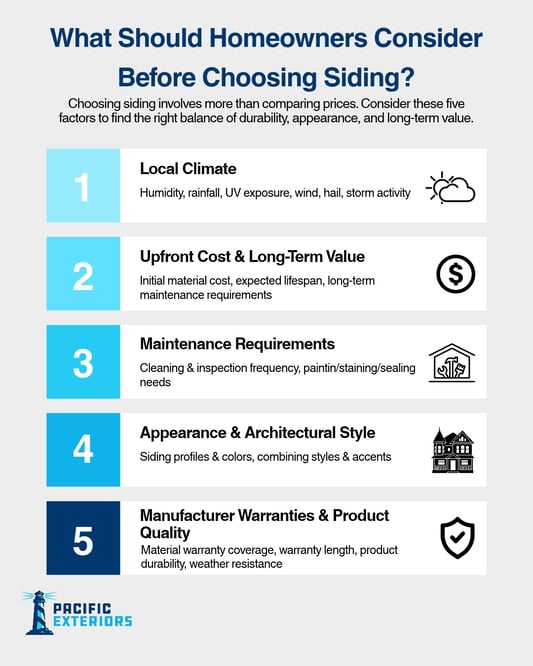
What Should Homeowners Consider Before Choosing Siding?
Why Does Proper Siding Installation Matter in the Southeast?
Choosing the right siding material is only half the equation.
Even high-quality siding can experience premature deterioration, moisture damage, and costly repairs when installed incorrectly.
That's why choosing an experienced, qualified siding contractor is just as important as selecting the material itself.
In the Southeast, where heavy rainfall, high humidity, and severe storms are common, your contractor should understand how to properly protect your home's exterior. Every detail, from moisture barriers and flashing to drainage and fastening techniques, contributes to how well your siding performs over time.
|
Installation Detail |
Why It Matters |
|
Weather-Resistant Barriers |
Protects the underlying wall from moisture that gets behind the siding. |
|
Flashing Around Openings |
Directs water away from vulnerable areas around windows, doors, and roof-to-wall transitions. |
|
Proper Clearances and Drainage |
Prevents moisture from accumulating around ground-level areas, rooflines, and other surfaces. |
|
Correct Fastening Techniques |
Accommodates material movement and helps prevent loose panels, cracking, and buckling. |
|
Moisture Management |
Helps the wall assembly manage moisture and dry properly after exposure to humid conditions. |
An experienced contractor should also understand manufacturer installation requirements and follow the specifications necessary to protect applicable manufacturer warranties.
For example: Pacific Exteriors is a James Hardie Elite Preferred Contractor, which means homeowners are guaranteed a James Hardie fiber cement siding installation from experts with over 10 years of installation and product experience. As a result, full manufacturer warranty coverage is certain.
Cutting corners during installation can compromise your siding's performance, regardless of how durable the material is.
Protect Your Home with Pacific Exteriors

At Pacific Exteriors, we understand that new siding is a significant investment in your home. Since 2008, we've helped homeowners choose exterior solutions that balance durability, appearance, and budget. Our team prioritizes quality workmanship, clear communication, and honest recommendations without unnecessary upselling or pressure to choose the most expensive material option.
Whether you're considering James Hardie fiber cement, vinyl, or another siding material, we'll help you understand your choices and find the right fit for your home, local climate, goals, and budget.
Ready to schedule your in-person estimate?
Not Ready for a Consultation?
Still exploring your options? Get free siding and roofing samples shipped to your door and see what works best for your home.
Get Free Samples
Frequently Asked Questions
What is the best siding for humid climates like Georgia and Tennessee?
Fiber cement is one of the best overall choices for humid climates because it resists rot, termites, and moisture-related deterioration. Properly coated metal can also perform well when installed with appropriate drainage and moisture-management systems.
Does vinyl siding hold up well in extreme Southern heat?
Vinyl does not usually perform well in Southern heat. Excessive heat and direct sunlight can cause lower-quality vinyl products to fade, soften, or warp. Not to mention, vinyl is susceptible to melting, even when around high heat that comes from BBQ grills. Proper installation is essential because vinyl needs room to expand and contract as temperatures change.
Is fiber cement siding better than vinyl for Southeast homes?
Fiber cement generally offers better resistance to heat-related distortion, fire, and physical damage. It also provides a more substantial wood-like appearance. Vinyl is typically less expensive upfront and requires less finish maintenance because it does not need painting. The best option depends on your budget and long-term priorities.
How long does fiber cement siding last in Georgia and Tennessee?
Fiber cement siding can last approximately 30–50+ years with proper installation and maintenance. Its resistance to rot, termites, and weather-related deterioration makes it a durable option for homes in Atlanta, Chattanooga, Marietta, and surrounding communities.
Does fiber cement siding require a lot of maintenance?
No. Fiber cement is relatively low-maintenance compared with natural wood. Homeowners should periodically wash the exterior, inspect caulking and flashing where applicable, check for damaged boards, and maintain the paint finish according to the manufacturer's recommendations.
Can heavy rain damage fiber cement siding?
Fiber cement is designed to withstand normal rain exposure and resists moisture-related deterioration. However, it is not completely waterproof. Missing flashing, improper clearances, damaged finishes, or poor drainage can allow water to reach the underlying wall and cause damage.
Is James Hardie siding a good choice for homes in Atlanta and Chattanooga?
Yes. James Hardie fiber cement siding is a strong option for homeowners in Atlanta, Chattanooga, and Marietta because it is engineered for durability and offers resistance to rot, termites, and fire. Its range of styles and factory-applied ColorPlus finishes also provides flexibility for different home designs.