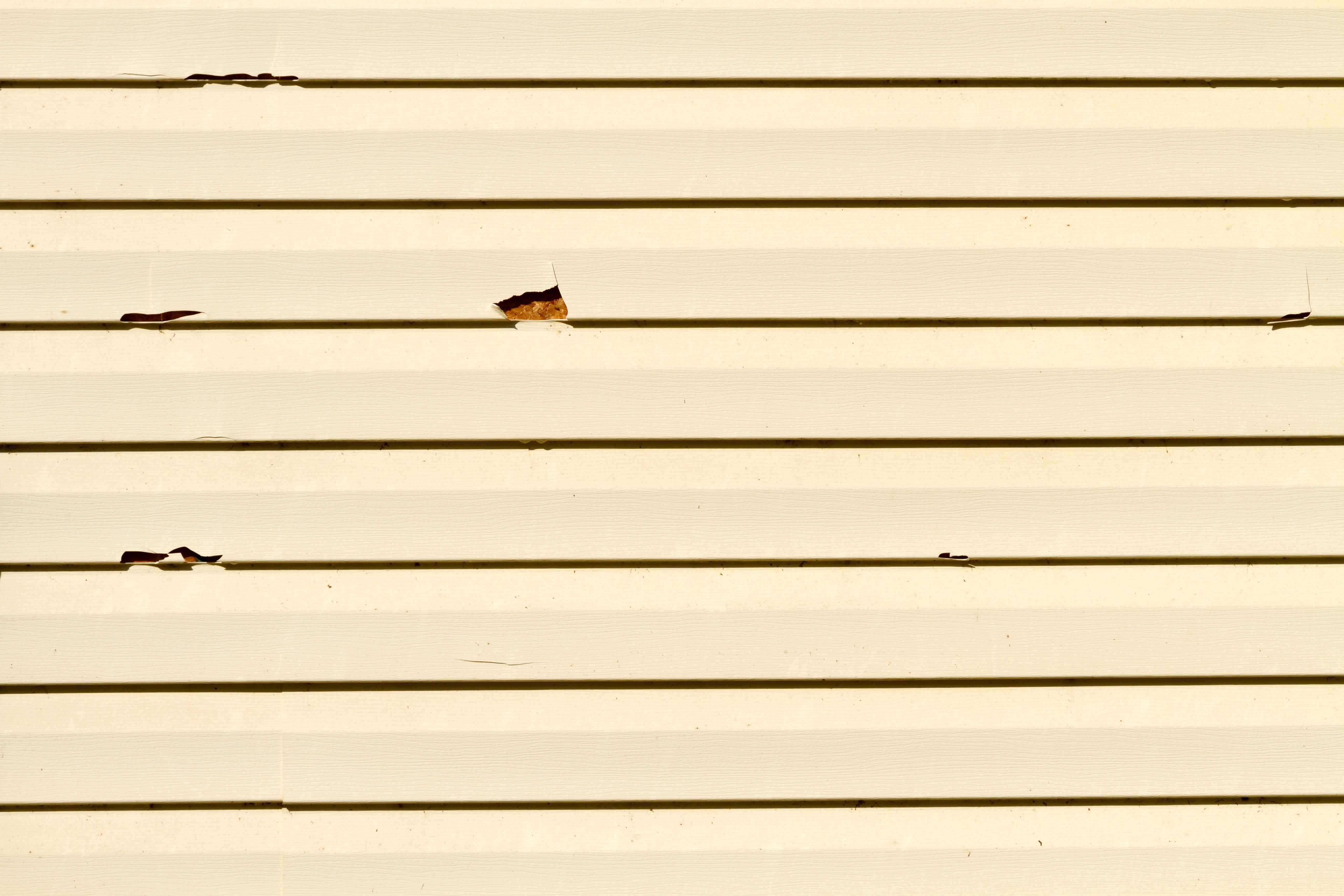

Damaged siding doesn’t always mean you need to replace your home’s entire exterior. A cracked panel, loose board, or small area of peeling paint may only require a targeted repair. However, widespread deterioration, recurring moisture problems, or hidden damage behind the siding can make replacement the more practical long-term solution.
So, how do you know whether to repair or replace your siding? The answer depends on the extent of the damage, the age and condition of your existing material, the possibility of moisture intrusion, and the cost of continued repairs.
Since 2008, Pacific Exteriors has helped homeowners across Seattle, Portland, Atlanta, and Chattanooga understand the difference between siding repair and replacement in order to help them choose an option that addresses the underlying issue, fits their budget, and protects their home for decades to come.
In this guide, we’ll explain when siding repair or replacement makes the most sense, common signs of siding damage, how material lifespan and warranties affect your decision, and why delaying necessary work can lead to more costly problems.
Explore Before You Decide
You don't have to commit to a project to start exploring. Request free siding and roofing samples to help you find the right look for your home.
Explore Free Samples
Siding Repair vs. Replacement: At a Glance
|
Factor |
Siding Repair |
Siding Replacement |
|
Extent of damage |
Isolated damage in a small area |
Widespread damage across multiple areas |
|
Overall condition |
Surrounding siding remains functional |
Siding is deteriorating or nearing the end of its lifespan |
|
Moisture damage |
Limited damage with no significant underlying issues |
Extensive moisture intrusion or damage to underlying materials |
|
Repair history |
Few previous repairs and no recurring problems |
Frequent repairs or recurring damage |
|
Upfront cost |
Generally lower |
Generally higher |
|
Long-term value |
Cost-effective when damage is localized |
May be more practical when repairs are frequent or widespread |
The bottom line: Repair is often best for isolated damage when the surrounding siding remains in good condition. Replacement may make more sense when deterioration is widespread, underlying materials are damaged, or repeated repairs are becoming costly.
If you’ve noticed cracked, warped, or deteriorating siding, contact Pacific Exteriors for a free estimate to discuss your options without the pressure to commit to a particular solution.
Common Signs Your Siding Needs Attention

Siding damage isn't always obvious at first. While some problems are easy to spot, others may indicate moisture intrusion or deterioration beneath the surface.
Knowing what to look for can help you identify issues early and determine whether your siding needs a minor repair or a more comprehensive assessment.
Common signs of siding damage include:
- Cracks, holes, or broken panels: Physical damage can leave gaps in your home's exterior, potentially allowing moisture to reach the materials underneath the siding panels.
- Warping, buckling, or loose siding: Panels that bend, pull away from the wall, or no longer sit properly may indicate installation issues, temperature-related movement, or underlying problems.
- Peeling, bubbling, or blistering paint: These signs may point to weathering or moisture affecting painted wood siding.
- Rotting, soft, or deteriorating material: Wood materials (siding, sheathing, etc.) that feel soft, crumble, or show visible decay may have sustained prolonged moisture exposure.
- Fading, discoloration, or persistent stains: Changes in color can result from normal weathering, algae, mildew, or other environmental conditions. Although some discoloration is primarily cosmetic, persistent staining may warrant further inspection.
- Mold, mildew, or signs of moisture: Recurring dampness, musty odors, or visible moisture on exterior walls may indicate a problem that needs further investigation.
Not every warning sign means your siding needs to be replaced. Some issues are localized and can be repaired, while others may signal widespread deterioration or damage behind the exterior surface.
If you notice multiple warning signs, recurring moisture problems, or visible rot, consider having your siding professionally assessed to understand the extent of the damage and your options.
When Siding Repair Is the Right Choice

Siding repair may be the right choice when damage is localized, the surrounding materials remain in good condition, and the home's exterior can continue protecting it from moisture and the elements.
When most of your siding is still performing as intended, addressing the affected area may restore its function without the cost of replacing an entire wall or home.
Siding repair is often worth considering under the following conditions:
The damage is isolated
The problem is confined to a small, clearly defined section rather than appearing across multiple walls or throughout the exterior.
There are no significant structural issues
The damage has not compromised the underlying sheathing, framing, or other structural components of the home. If the materials behind the siding remain sound and the affected section can be properly repaired, a full replacement may not be necessary.
Moisture damage is limited
Any water intrusion is confined to a small area, and the underlying materials have not experienced extensive rot, mold growth, or deterioration.
Your siding is relatively new and still functional
The current siding system has a lot of years left in its lifespan, repairing one damaged section may be more practical than replacing it.
The damage resulted from a specific event
A storm, falling branch, or accidental impact causing localized damage instead of developing deterioration and structural failure.
You have had few or no previous repairs
If your siding has required few repairs and hasn’t developed recurring problems, a localized repair may be a reasonable long-term solution.
Important note
Before choosing repair, consider whether replacement materials are available and whether they can reasonably match your existing siding. Differences in color, texture, profile, and weathering can make a repaired section more noticeable.
Ultimately, the goal is to determine whether the damage can be corrected without leaving underlying problems unresolved. A professional inspection can help assess the condition of the siding, identify potential moisture or installation issues, and determine whether a targeted repair is likely to provide a lasting solution.
When Siding Replacement Makes More Sense

Siding replacement may be the better choice when damage extends across multiple areas, the material is deteriorating throughout the exterior, or repeated repairs are no longer providing a lasting solution.
Siding replacement is often worth considering under the following conditions:
Damage is widespread
Problems affect multiple walls or large portions of the exterior rather than one isolated section.
When deterioration is distributed across the home, repairing each affected area may become less practical and cost-effective than replacing the siding system.
Underlying structural or moisture issues
Water intrusion has affected the sheathing, framing, or other materials behind the siding, or continues to develop in different areas. Replacement can provide an opportunity to remove damaged materials, evaluate the underlying structure, and address the source of the problem before installing new siding.
Aging siding system
The siding panels and other materials have aged beyond their expected service life, making continued repairs less effective and reliable.
Frequent or recurring repairs
Multiple repairs have been needed over time, especially when problems repeatedly develop in the same areas or appear in new locations. A growing pattern of repairs may indicate that the siding is reaching the limits of its useful life or that a broader installation or moisture issue needs to be addressed.
Although siding replacement generally requires a larger upfront investment, it can address multiple problem areas in one project rather than requiring a series of separate repairs. It may also reduce the likelihood of continued repair expenses when the existing material is extensively deteriorated.
Important note
Replacement alone won’t resolve underlying moisture or structural problems unless those issues are properly identified and corrected during the project.
How Long Should My Siding Last?
|
Siding material |
Typical lifespan |
|
Vinyl |
20-40 years |
|
Natural Wood (including cedar) |
20-40 years |
|
Fiber Cement |
30-50+ years |
|
Metal |
40-70+ years |
|
Stucco |
50-80 years |
|
Stone or Veneer |
30-75 years |
|
Brick |
100+ years |
Keep in mind: These are general estimates, not guaranteed replacement timelines or warranty periods. Siding may need attention sooner if it is improperly installed, exposed to persistent moisture, or poorly maintained. Conversely, well-maintained siding may last beyond these ranges.
Your siding material's expected lifespan is an important factor when deciding between repair and replacement. Since each siding material has a different lifespan, a professional inspection can help evaluate its condition and determine whether repairs or replacement are the better option.
Take the Guesswork Out of Choosing Materials
Compare siding colors, textures, and finishes in your own space and lighting before deciding what's right for your home.
Get Free Samples Shipped to You
Important Warranty Considerations
Your siding's warranty is an important factor when deciding between repair and replacement.
Before moving forward, review your manufacturer and contractor warranties to understand what is covered, how much coverage remains, and whether the damage qualifies for a claim. Some repairs or alterations, such as creating new penetrations in the siding system, may affect warranty coverage depending on the manufacturer's requirements.
Whenever possible, work with the contractor who originally installed your siding to determine the appropriate repair methods and avoid unintentionally compromising existing coverage. If you need a different contractor, choose one familiar with your siding material and its installation requirements.
Pacific Exteriors is a James Hardie Elite Preferred Contractor with experience installing James Hardie fiber cement siding. Working with a qualified siding contractor can help ensure repairs or replacement follow the manufacturer's installation guidelines and applicable warranty requirements.
The Cost of Waiting to Repair Damaged Siding
Putting off siding repairs or replacement may seem like a way to save money, especially when the damage appears minor or the siding still looks relatively intact.
However, damaged or deteriorating siding can become less effective at protecting your home from moisture, wind, and other environmental conditions. Over time, unresolved issues may affect the materials beneath the siding, turning a manageable repair into a more extensive and costly project.
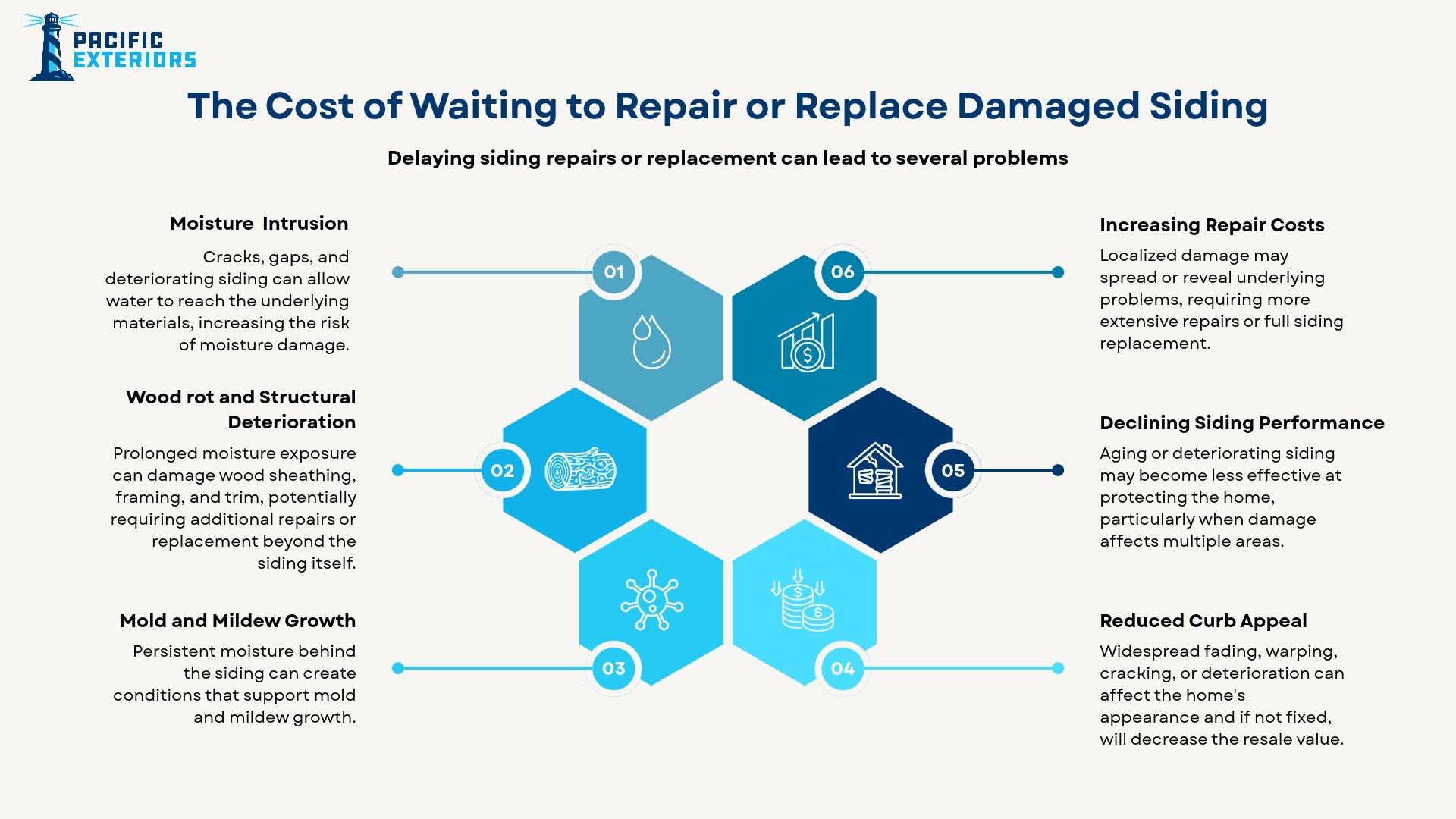
Addressing problems early can help preserve the remaining service life of functional siding, while timely replacement can prevent continued reliance on materials that no longer provide adequate protection.
A professional siding inspection can help determine whether repairs will adequately address the damage or whether replacement is the more practical long-term solution.
How Pacific Exteriors Helps Homeowners Make the Right Choice

At Pacific Exteriors, our goal is simple: to provide honest, straightforward recommendations that protect both your home and your long-term investment.
Whether your siding needs a minor repair or a full replacement, our team takes the time to walk you through your options so you can make a confident, informed decision without pressure.
If you’re unsure whether repair or replacement is the right choice, the best first step is a professional siding inspection. Identifying issues early can significantly increase your options and help prevent more costly damage down the road.
Contact Pacific Exteriors LLC today to schedule your siding inspection. Our experts will assess the condition of your siding, explain your options clearly, and recommend the most cost-effective solution for your home.
Not Ready for a Consultation?
Still exploring your options? Get free siding and roofing samples shipped to your door and see what works best for your home.
Get Free Samples
Frequently Asked Questions
How do I know if my siding needs to be repaired or replaced?
Siding repair is often sufficient when damage is isolated, and the surrounding materials remain in good condition. Replacement may make more sense when deterioration is widespread, moisture has damaged underlying materials, or repairs are becoming increasingly frequent. A professional inspection can help determine the best option for your home.
Is it cheaper to repair or replace siding?
Siding repair generally costs less upfront because it addresses a limited area. However, if your siding has widespread damage or requires frequent repairs, replacement will be more cost-effective over time. The best choice depends on the extent of the damage, the condition of your existing siding, and the cost of the necessary work.
How long does siding typically last?
Siding lifespan varies by material. Vinyl and natural wood siding typically last 20–40 years, while fiber cement can last 30–50 years or longer. Metal siding may last 40–70 years or more, and brick can last over 100 years. Installation quality, maintenance, and moisture exposure can affect actual lifespan.
Can damaged siding cause water damage inside my home?
Yes. Cracks, gaps, deteriorating materials, and faulty installation details can allow moisture to reach the materials behind your siding. If left unaddressed, persistent moisture may damage sheathing, framing, insulation, or interior finishes. Prompt evaluation can help identify the source and extent of the problem.
Should I replace siding if only one section is damaged?
Not necessarily. If the damage is limited to one area, the surrounding siding is functional, and there are no significant underlying issues, a targeted repair may be sufficient. However, replacement may be more appropriate if the damage extends beyond the visible area or matching materials are unavailable.
Does siding age determine whether I should repair or replace it?
Age is an important consideration, but it doesn't automatically determine whether replacement is necessary. Siding that is approaching the end of its expected lifespan may be more prone to recurring problems, while newer siding may only need a localized repair. A professional evaluation can help assess its remaining service life and overall condition.
Will siding repairs affect my manufacturer's warranty?
They can, depending on the manufacturer's warranty terms and the type of repair performed. Certain alterations or improper installation methods may affect coverage. Review your warranty before proceeding and work with a qualified contractor familiar with your siding material and the manufacturer's installation requirements.
What happens if I delay siding repairs or replacement?
Delaying necessary work can allow moisture intrusion and deterioration to worsen, potentially leading to wood rot, damage to underlying materials, and higher repair costs. If your siding is extensively deteriorated, postponing replacement may also leave your home less effectively protected from the elements.
Does Pacific Exteriors help homeowners decide between siding repair and replacement?
Yes. Pacific Exteriors helps homeowners evaluate their exterior remodeling options through clear communication and honest recommendations. As a James Hardie Elite Preferred Contractor, Pacific Exteriors has experience installing James Hardie fiber cement siding. A professional evaluation can help you understand your siding's condition and determine which solution best fits your home's needs.
Topics: