


When investing in a new roof, siding system, or other exterior improvements, homeowners often focus on the product, price, and appearance. But there’s another detail that can significantly affect the long-term value of your investment: the type of manufacturer warranty the product you select provides.
One of the most important distinctions to understand is whether a warranty is prorated or non-prorated. While both can provide protection against covered product defects, the amount of financial coverage available to you can change dramatically over time as the material/product ages.
At Pacific Exteriors, we understand that a warranty can be just as important as the product itself. Since 2008, we’ve been helping homeowners with roofing and siding projects, we've seen why it’s important to know what type of manufacturer warranty you’re getting and understand what the coverage actually provides.
In this guide, we'll explain the difference between prorated and non-prorated warranties, how coverage changes over time, what costs may or may not be covered, and why proper installation and documentation matter when protecting your warranty.
At a Glance: Prorated vs. Non-Prorated Warranty
|
Warranty Type |
How Coverage Changes |
Homeowner Cost |
|
Prorated Warranty |
Coverage generally decreases as the product ages |
Homeowners may pay an increasing share of replacement costs over time |
|
Non-Prorated Warranty |
Coverage remains consistent throughout the warranty term |
Financial coverage stays the same throughout the covered warranty period |
Overall, a non-prorated warranty can provide stronger and more predictable protection during its coverage period.
Indeed, a prorated warranty may still offer value, but homeowners need to understand when proration begins and how the manufacturer calculates the remaining coverage.
What Is a Prorated Warranty?

A prorated warranty is a warranty that decreases in value as the product gets older. Instead of providing the same level of financial protection for the entire warranty period, the manufacturer's contribution toward a covered defect may gradually decline over time.
Think of it this way: the older the product becomes, the less financial value the warranty may provide.
If a covered manufacturing defect occurs early in the warranty period: the homeowner may receive a larger replacement allowance because the product has used relatively little of its expected lifespan.
If the same covered defect occurs later: the manufacturer may contribute substantially less because the product has already been in service for a significant portion of the warranty period.
In other words, the product may still be under warranty. Still, the amount the manufacturer is willing to pay toward a replacement may be significantly lower than it was during the early years of coverage.
How a Prorated Warranty Typically Works:-1-1.png?width=1162&height=752&name=image%20(1)-1-1.png)
During the beginning of the warranty period, the manufacturer may provide full coverage for qualifying manufacturing defects. Once the initial full-coverage period ends, however, the warranty may begin following a proration schedule.
Example of How Prorated Coverage Can Change Over Time
Let's assume an asphalt shingle roof has a 30-year material warranty with the following coverage structure:
- Years 1–10: 100% non-prorated material coverage
- Years 11–30: Coverage gradually decreases
- The warranty covers defective shingles but doesn’t include labor, tear-off, disposal, flashing, or other project costs
Now, let’s assume a verified manufacturing defect requires $8,000 in replacement shingles at the warranty's approved value.
|
Warranty Coverage |
Manufacturer's Material Allowance |
Homeowner's Material Share |
|
|
Year 5 |
100% |
$8,000 |
$0 |
|
Year 15 |
75% |
$6,000 |
$2,000 |
|
Year 20 |
50% |
$4,000 |
$4,000 |
|
Year 25 |
25% |
$2,000 |
$6,000 |
|
Year 30 |
0% or expiration, depending on the terms |
$0 |
$8,000 |
This example is hypothetical, and actual warranty schedules vary by manufacturer. However, it demonstrates why homeowners should look beyond the total number of years listed on a warranty.
Just because a product is still under warranty does not necessarily mean the manufacturer will pay the full cost of replacing it.
What Do Prorated Warranties Typically NOT Cover?
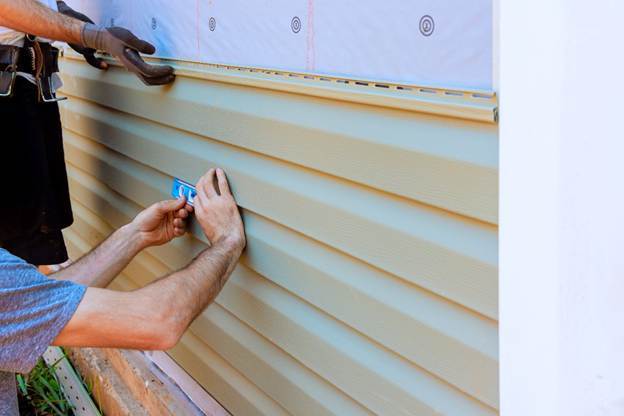
In many cases, prorated warranties provide coverage only for the defective material itself.
Additional expenses may not be included in the warranty, such as:
- Labor: The cost of hiring a contractor to remove and install the replacement product.
- Removal & Disposal: The cost of removing and disposing of defective materials.
- Installation: The cost of installing the replacement materials.
- Related repairs: The cost of repairing other components that may need to be removed, replaced, or repaired during the project.
This means a homeowner could technically have an active warranty and receive some compensation for a covered defect while still facing significant out-of-pocket expenses.
Depending on the size and complexity of the project, these costs can be a significant portion of the total expense.
What Is a Non-Prorated Warranty?
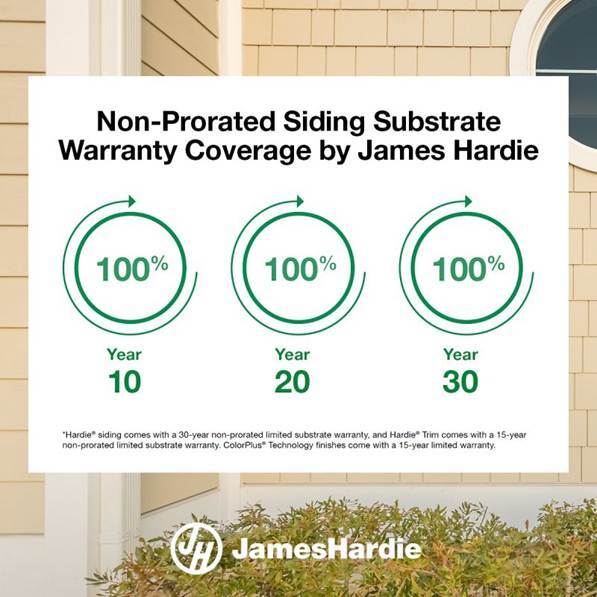
Unlike a prorated warranty, a non-prorated warranty doesn’t reduce coverage simply because the product gets older. The manufacturer's financial responsibility for a qualifying defect remains the same throughout the stated non-prorated coverage period.
For example: under a 30-year non-prorated warranty, a qualifying manufacturing defect in year 2 would receive the same level of coverage as the same qualifying defect in year 25, according to the warranty terms.
What Do Non-Prorated Warranties Cover?
Nonetheless, homeowners should still read the fine print carefully since non-prorated warranties don’t automatically mean every replacement cost is covered.
The warranty may provide consistent coverage throughout the stated period while still limiting what expenses the manufacturer is responsible for.
Coverage may vary for:
- Materials: The warranty covers damage that occurred during the manufacturing process. Yet, it might not cover defects/damage caused by acts of nature, natural wear and tear, etc.
- Removal, disposal, and labor: The cost of removing defective materials, disposing of them, and installing replacement materials may be limited or excluded from coverage.
- Other repairs: Damage to sheathing, flashing, framing, or other components may not be covered unless specifically included in the warranty.
A non-prorated warranty provides consistent coverage over the stated period, but homeowners should still understand exactly what costs and situations the warranty covers.
Is a Non-Prorated Warranty Always Better?
From a homeowner's perspective, non-prorated coverage generally provides more predictable protection because the coverage doesn’t decrease simply because the product gets older.
When comparing warranties, homeowners should consider the total warranty length, non-prorated period, proration schedule, material and labor coverage, exclusions, maintenance and installation requirements, and transferability.
Can a Warranty Transfer When You Sell Your Home?
If you plan to sell your home, warranty transferability is worth considering. Some manufacturer warranties allow remaining coverage to be transferred to the next homeowner, while others may end or provide reduced coverage after the sale.
As a result, transferable warranties can potentially add value and peace of mind when selling your property.
However, not all warranties transfer automatically.
Depending on the manufacturer and product, transferring a warranty may involve specific requirements, such as:
- Registering the transfer within a specific timeframe
- Providing proof of ownership or other documentation
- Paying a transfer fee
- Meeting product registration or installation requirements
- Accepting reduced coverage after transfer
- Limits on how many times the warranty can be transferred
Before selling your home, review the warranty terms carefully. Understanding whether the warranty transfers and what coverage the next homeowner will receive, can help you provide accurate information to potential buyers.
When comparing exterior products, consider transferability alongside warranty length, non-prorated coverage, proration, exclusions, and labor coverage.
Understanding Your Warranty Before You Need It
The best time to understand your warranty is before a problem occurs.
Taking the time to understand the coverage, exclusions, and requirements before purchasing a new roof or siding system can help you make more informed decisions.
The single most important step homeowners can take is to read the warranty carefully and pay close attention to the conditions that could limit or void coverage.
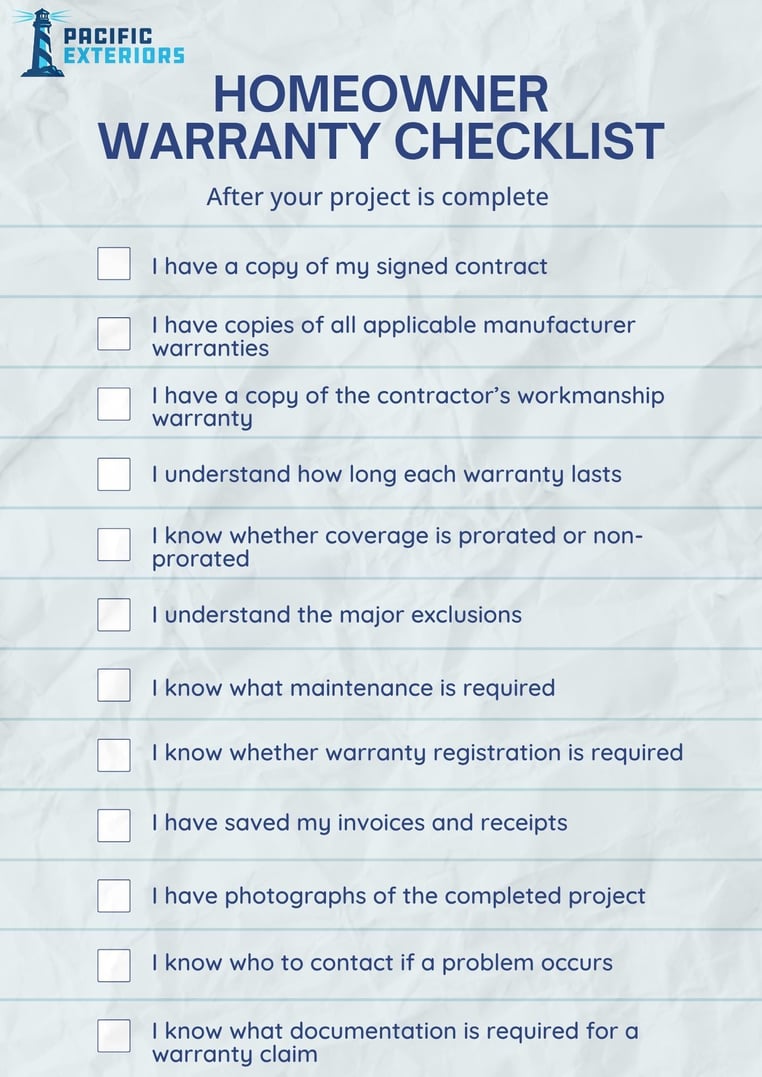
Download our general warranty checklist.
Need Help Understanding Your Exterior Warranty?
Choosing an exterior product involves more than comparing colors, materials, and upfront costs. Understanding the warranty can help you evaluate the long-term protection behind your investment.
Contact Pacific Exteriors to schedule a consultation and talk with our team about your exterior project, product options, installation requirements, and the warranty coverage available for your home.
Why Proper Installation Matters for Warranty Coverage
No matter what type of manufacturer warranty you receive, proper installation is essential in protecting your coverage.
This is why choosing a qualified contractor is just as important as choosing the right product.
Proper installation doesn’t guarantee that a product will never fail, but it can help protect your warranty’s eligibility if a manufacturer’s defect becomes apparent after installation. If an issue occurs, proper installation can help distinguish a manufacturer defect from a problem caused by installation.
Choose Pacific Exteriors: The Contractor Who Helps You Understand the Details

A new roof or siding system is a significant investment, and the warranty should be part of the decision-making process, not an afterthought.
At Pacific Exteriors, we help homeowners understand the products being installed on their homes and the importance of proper installation. As a James Hardie Elite Preferred and Owens Corning Platinum contractor, we provide access to strong manufacturer warranties, along with our labor warranty, to help protect your exterior investment.
Our goal is to give homeowners the knowledge and confidence to make informed decisions about their project and understand the coverage protecting their home.
Contact Pacific Exteriors today to schedule a free, no-obligation exterior consultation and learn more about the exterior options available for your home.
Frequently Asked Questions About Prorated vs. Non-Prorated Warranties
What is the difference between a prorated and non-prorated warranty?
A prorated warranty typically decreases in value as the product ages, meaning the manufacturer may cover a smaller portion of a qualifying replacement over time. A non-prorated warranty generally provides the same level of coverage throughout its stated warranty period, subject to the warranty terms and exclusions.
Is a non-prorated warranty better?
A non-prorated warranty generally provides more predictable financial protection because coverage does not decrease simply because the product gets older. However, homeowners should compare the full warranty terms, including coverage length, exclusions, labor coverage, and maintenance requirements.
Does a prorated warranty cover labor?
Not necessarily. Many manufacturer warranties primarily cover defective materials and may exclude or limit labor, tear-off, disposal, installation, and related repair costs. Always review the specific warranty to determine which expenses are covered.
Does a non-prorated warranty cover the entire replacement cost?
Not always. Non-prorated coverage can remain consistent while still excluding certain costs or types of damage. Labor, removal and disposal, flashing, sheathing, framing, and other repairs may be excluded unless specifically covered by the warranty.
Can a manufacturer's warranty cover installation problems?
Manufacturer warranties typically separate manufacturing defects from problems caused by improper installation. Improper installation that does not follow manufacturer's requirements may limit or void certain warranty coverage, which is why choosing a qualified contractor is important.
How long do exterior product warranties last?
Warranty lengths vary by product, manufacturer, and warranty type. Some warranties may provide an initial non-prorated period followed by prorated coverage. Homeowners should look beyond the headline warranty length and review how coverage changes throughout the term.
What can void a roofing or siding warranty?
Warranty requirements vary, but common issues can include improper installation, failure to follow manufacturer's specifications, inadequate maintenance, improper flashing or clearances, unauthorized modifications, and certain types of damage or misuse. The specific warranty document controls.
What should homeowners look for in a warranty?
Look at the total warranty length, non-prorated coverage period, proration schedule, material and labor coverage, exclusions, maintenance requirements, installation requirements, claim procedures, and transferability. These details can have a significant impact on the warranty's actual value.
Does a warranty transfer if I sell my home?
Some manufacturer warranties may be transferable, while others may have restrictions, registration requirements, or transfer fees. If you're considering selling your home, review the warranty transfer provisions before assuming coverage will carry over to the next homeowner.[GU6]
What should I do if I believe my roofing or siding has a manufacturing defect?
Start by reviewing your warranty documents and gathering your contract, product information, installation records, invoices, and project photos. Then follow the manufacturer's claim process and contact your contractor if installation-related questions need to be evaluated.