

When you notice a crack, warped panel, peeling paint, or other change in your siding, it can be difficult to know whether you’re looking at a minor cosmetic issue or a sign of a larger problem. Some siding problems may allow water, moisture, or pests to reach the wall assembly underneath, where damage can become more extensive if left unaddressed.
That’s why small siding problems shouldn’t always be treated as cosmetic issues. A hairline crack, failing caulk joint, or small area of peeling paint can create an opening for moisture. Over time, water can reach the sheathing, framing, insulation, and interior walls, turning a relatively simple siding repair into a much larger, expensive repair.
Since opening our doors in 2008, Pacific Exteriors has seen firsthand how extensive exterior damage can start with a seemingly minor siding issue. Through our siding installation, replacement, and exterior remodeling work across the Pacific Northwest and Southeast, we’ve seen how problems that may appear small on the surface can develop into more significant damage when left unaddressed.
In this guide, you’ll learn which siding problems can signal moisture intrusion or underlying damage, which may be primarily cosmetic, and when repairing or replacing your siding may make the most sense.
At a Glance: Common Siding Problems Homeowners Should Never Ignore
The short answer: Cracks, loose or warped siding, soft or rotting areas, failed caulk or flashing, persistent mold or algae, deteriorating paint, and pest damage shouldn’t automatically be dismissed as cosmetic.
These problems can indicate existing moisture exposure or create pathways for water and pests to reach the wall assembly behind your siding.
1. What Does Cracked or Damaged Siding Mean?
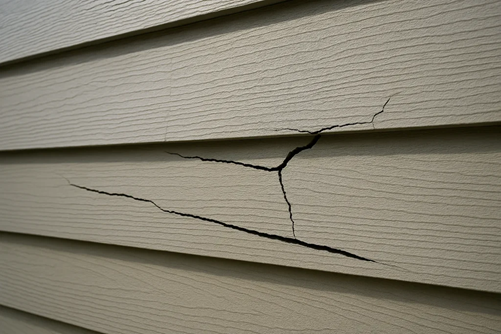
A small crack in siding can be easy to overlook, especially if it’s only visible up close. But cracks, splits, scratches, and other physical damage can compromise the siding material and make it easier for moisture to reach the wall assembly behind it.
Temperature fluctuations throughout the day and across seasons can make existing damage worse: siding materials expand and contract with changing temperatures, and repeated movement can cause cracks or splits to grow over time. Additionally, hail, falling branches, and other impacts can also create or worsen physical damage.
How to Spot It
Look for: Visible cracks, splits, chips, punctures, deep scratches, or other areas where the siding appears damaged or weakened.
How Cracked Siding Can Damage Your Home
Moisture intrusion: Cracks and splits can create openings where rainwater can get behind the siding and reach the wall assembly.
Sheathing and framing damage: If moisture moves beyond the siding, prolonged exposure can contribute to deterioration of sheathing, framing, insulation, and other materials behind it.
More extensive repairs: What begins as a small area of damaged siding can become a much larger repair if moisture or deterioration spreads to the surrounding materials.
What to Do
Don’t assume cracked or dented siding is just a cosmetic eyesore. Have the area evaluated to determine the extent of the damage and what caused it. If moisture has gotten behind the siding, the source of the intrusion and any affected materials should be addressed before repairing or replacing the siding. Addressing the problem early can help prevent a localized issue from developing into more extensive damage.
2. Warped, Buckled, or Loose Siding: A Serious Problem?
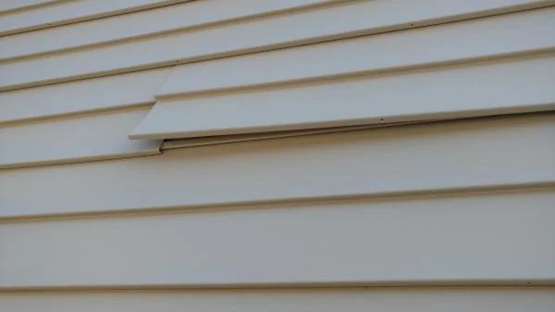
Siding that looks wavy, buckled, bowed, or pulled away from the wall is a warning sign that something may be affecting the siding or the materials behind it.
Warping can result from several issues, including improper installation, intense sun exposure, or trapped moisture. Identifying the cause is important because simply replacing or securing the visible section may not address the underlying problem.
How to Spot It
Look for: Wavy or rippled panels, buckling, gaps, or siding that has pulled away from the wall. Staining, discoloration, or soft areas near the distortion can also point to moisture behind the siding.
How Warped or Loose Siding Can Damage Your Home
Greater storm vulnerability: Loose siding panels can move more during high winds and severe weather, potentially causing panels to detach from the wall and allowing the elements to further damage the surrounding siding system.
Damage to adjacent materials: A distorted or displaced panel can put stress on neighboring pieces, joints, trim, and fasteners, potentially causing additional areas to loosen or deform.
Openings at joints and transitions: Buckling or separation can create larger gaps around siding panels, corners, windows, doors, and other transitions where the exterior needs to be especially secure for water intrusion.
Pest entry: Gaps behind loose or displaced siding can create openings where insects and other pests can enter.
What to Do
A professional evaluation can help identify whether the problem is related to installation, expansion and contraction, moisture, the substrate, or another underlying issue. Depending on the extent of the damage, the solution may range from a localized repair to more extensive siding replacement.
For example: one damaged panel with intact surrounding siding and sheathing may be suitable for a localized repair, while widespread deterioration or multiple damaged areas may call for more extensive replacement.
3. Does Soft or Rotten Siding Mean There Is Water Damage?
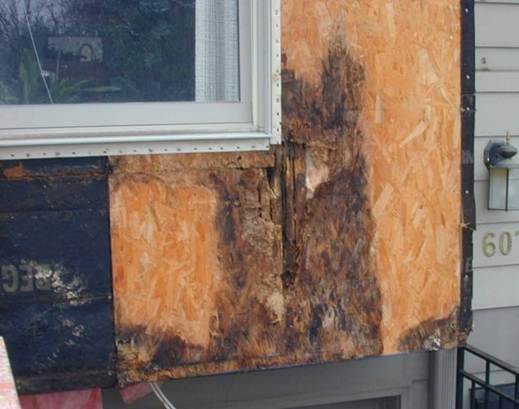
One of the most important signs of siding failure is soft, spongy, swollen, or crumbling material. Rot is usually not the beginning of the problem since it’s often evidence that moisture has already bypassed the exterior siding and reached the materials underneath.
Once water repeatedly enters the wall assembly, it can affect the siding, trim, weather resistive barrier, sheathing, framing, insulation, and eventually interior finishes.
How to Spot It
Look for: Soft or spongy siding, swollen wood, dark discoloration, water stains, blistering or peeling paint, musty odors, wavy siding, or interior drywall and paint damage near an exterior wall.
How Moisture Damage Can Damage Your Home
Deterioration of the wall assembly: Prolonged moisture exposure can cause sheathing, framing, insulation, and other materials behind the siding to deteriorate.
Structural damage: If rot reaches structural framing, the problem can become significantly more extensive than the original siding issue.
Interior damage: Moisture that continues through the wall assembly can eventually affect interior drywall, insulation, paint, and finishes.
Mold and mildew growth: Persistent moisture can create conditions that support mold and mildew growth within concealed areas.
What to Do
Avoid simply painting or caulking over soft or crumbling siding. The affected area should be inspected to determine where the moisture is coming from and whether it has reached the sheathing or framing. Any underlying moisture problem and damaged materials should be addressed before the siding is repaired or replaced.
4. Failed Caulking and Flashing
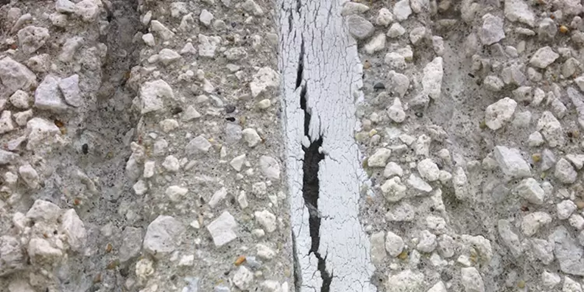
Caulking seals gaps around areas like windows and doors, while flashing directs water away from vulnerable areas like windows and doors. As a result, problems with either can allow moisture behind the siding and lead to extensive damage if left unaddressed.
How to Spot It
Look for: Cracked or shrinking caulk, sealant pulling away from trim, missing sealant, visible gaps, water stains, peeling paint, warped siding, or recurring moisture problems around windows, doors, rooflines, decks, and other transitions.
How Failed Caulking or Flashing Can Damage Your Home
Water intrusion: Failed sealant or improperly functioning flashing can allow water to bypass the exterior and reach the wall assembly.
Damage around openings: Repeated moisture exposure can cause window and door trim, siding, and other surrounding materials to swell, soften, or deteriorate.
Hidden wall damage: Water that gets behind the siding can eventually affect sheathing, insulation, framing, and interior finishes.
Recurring exterior damage: If the underlying flashing or drainage detail is not corrected, paint, caulk, and siding may continue to fail in the same location.
What to Do
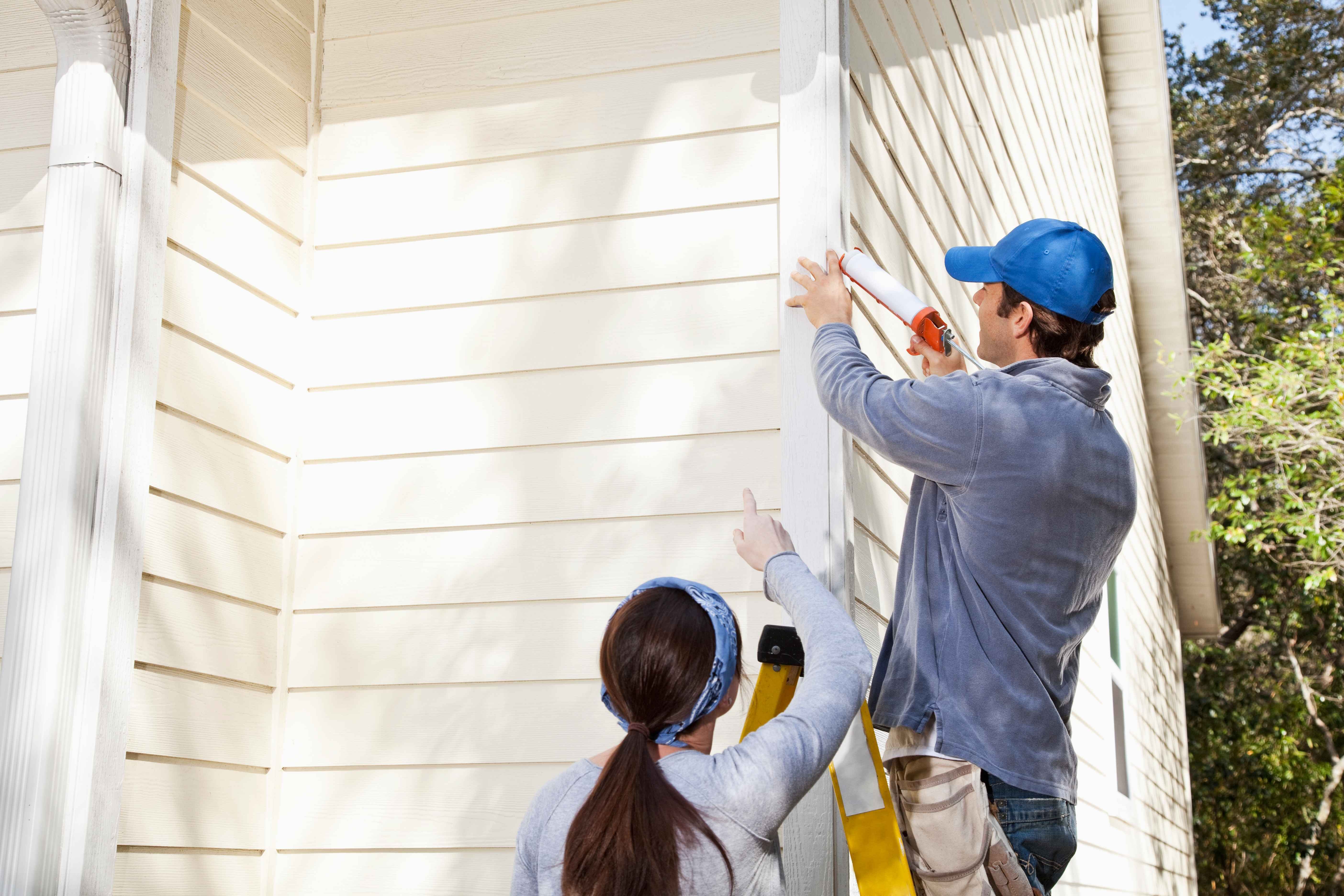
Failed caulking should generally be removed and the joint should be properly cleaned and prepared before new sealant is applied. Likewise, damaged flashing should be replaced. If the same area repeatedly develops moisture damage, have the flashing, drainage, and surrounding siding evaluated to determine whether a larger water-management problem is present.
5. Mold, Mildew, Moss, and Algae
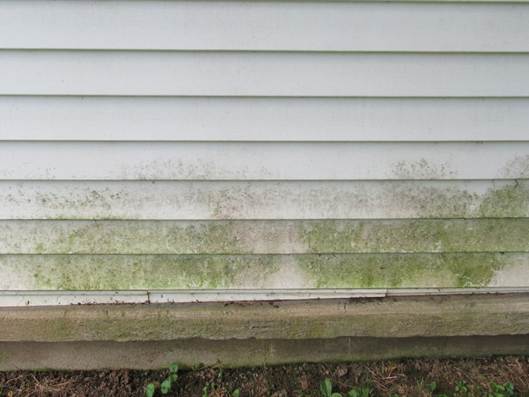
Some surface growth on siding can be primarily cosmetic, particularly light algae or mildew staining on shaded walls that can be easily cleaned off. However, persistent or heavy growth that can’t be washed off shouldn’t automatically be dismissed as a cleaning issue.
Moss, mold, and mildew can hold moisture against siding. Heavy growth can also point to poor drainage, inadequate airflow, overflowing gutters, or another persistent moisture source.
How to Spot It
Look for: Persistent dark staining, green growth, moss buildup, or recurring growth in the same areas of the siding, particularly where the surface stays damp or receives limited airflow.
How Persistent Growth Can Affect Your Home
Siding stays damp longer: Heavy growth can trap moisture against the siding, preventing the surface from fully drying between periods of rain or humidity. Over time, these consistent damp conditions can increase the risk of siding material deterioration.
Moisture can contribute to material damage: Repeated moisture exposure makes the siding more vulnerable to swelling, warping, rot, or other forms of deterioration.
Paint and finishes can deteriorate faster: Persistent moisture can cause paint and protective finishes to peel, blister, crack, or wear prematurely, leaving the siding more exposed to the elements.
Growth can point to an underlying moisture problem: Heavy or recurring growth in one area may indicate that water is not draining or drying properly. Leaking gutters, poor drainage, vegetation, failed caulk, or other sources of excess moisture may need to be addressed to prevent the problem from returning.
Important note: No matter where you live, mold and mildew can develop on siding when moisture lingers on the surface. For example, in the Pacific Northwest that’s home to Seattle and Portland, frequent drizzle, persistent rain, and overcast skies can limit opportunities for siding to fully dry. Meanwhile, in the Southeast, including Atlanta and Chattanooga, heavy rain can be followed by intense sun, but high humidity can still slow evaporation and keep siding damp for longer than it may appear.
What to Do
Minor surface growth can be cleaned when appropriate, but persistent or heavy growth should be investigated for an underlying moisture or drainage problem. Repeatedly cleaning the siding without addressing the source can treat the visible symptom without resolving the condition that is causing it.
6. What Does Peeling, Bubbling, or Blistering Paint Mean?
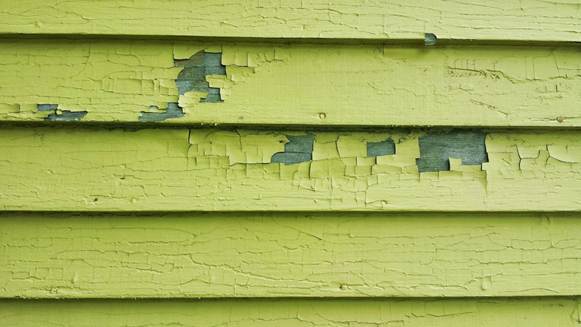
Peeling or bubbling exterior paint is not always just an appearance issue. Paint and other finishes help protect certain siding materials from weather exposure, so when a finish begins cracking, peeling, or blistering, the underlying material can become more exposed to moisture and environmental damage.
How to Spot It
Look for: Peeling, bubbling, blistering, cracking, widespread chalking, or paint that repeatedly fails in the same location.
How Deteriorating Paint Can Damage Your Home
Greater exposure to the elements: When protective finishes deteriorate, the underlying siding material can become more exposed to weather and moisture.
Moisture reaching the siding material: Cracked or peeling finishes can leave areas more vulnerable to water and environmental exposure.
Underlying damage going unnoticed: Recurring paint failure can sometimes be a symptom of moisture, rot, or another siding problem rather than a paint problem alone.
What to Do
Determine why the finish is failing before simply repainting the area. If the siding is soft, cracked, warped, or showing signs of moisture damage, the underlying problem should be addressed before applying new paint. Depending on the condition of the siding, repair or replacement may be more appropriate than another coat of paint.
7. Can Pest Damage to Siding Lead to Bigger Problems?
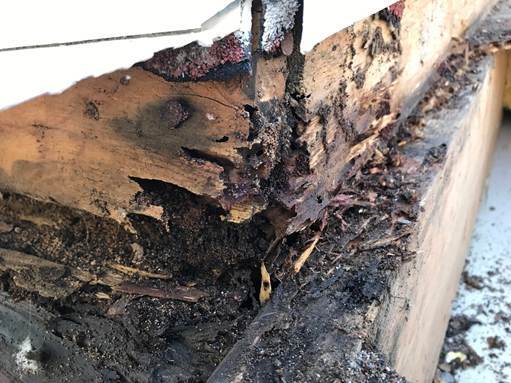
Termite damage
Siding can also show signs of pest activity, and these problems should not be ignored simply because the visible damage appears small. Pests can create openings in the exterior that allow water to reach the wall assembly or provide access to concealed areas behind the siding.
How to Spot It
Look for: Small drilled or punctured holes, chewed or splintered siding edges, sawdust or frass, mud tubes, woodpecker holes, nests behind loose panels, or openings where rodents may be entering.
How Pest Damage Can Damage Your Home
Openings in the exterior: Holes and damaged siding can create pathways for rainwater to reach areas behind the exterior.
Blocked drainage or ventilation: Nests or other pest activity behind siding can interfere with drainage or ventilation openings.
Accelerated wood deterioration: When pest activity and moisture occur together, they can contribute to faster deterioration of wood materials like your home’s framing.
What to Do
Active pest problems should be addressed with a pest-control professional, while damaged siding or trim should be evaluated for openings and moisture damage. Once the pest issue is addressed, the exterior should be properly repaired by a professional so the damaged area does not continue to provide an entry point for pests or water.
How to Prevent Major Siding Repairs
Regular siding maintenance can help homeowners catch small problems before they spread into more extensive repairs. A thorough inspection does not have to be complicated, but it should go beyond simply looking at the siding from a distance.
.jpg?width=516&height=630&name=General%20Siding%20maintenance%20checklist%20(5).jpg)
Protect Your Home with Pacific Exteriors

Siding problems rarely become expensive because of the damaged exterior material alone. The bigger concern is what can happen behind the siding when moisture, pests, or other problems are allowed to continue.
A small crack can become a water-entry point or a warped panel can signal moisture or installation problems underneath.
For homeowners in Seattle, Portland, Atlanta, and Chattanooga, understanding the local conditions that affect siding can make regular inspections even more important. Pacific Exteriors helps homeowners identify exterior problems and determine whether a repair or larger siding project is appropriate.
If you’ve noticed cracked siding, warped panels, rotting wood, failing caulk, moisture damage, or other signs of siding failure, don't wait for the problem to spread.
Contact Pacific Exteriors today to schedule a free, no-obligation estimate and get a clearer understanding of what your home needs.
Frequently Asked Questions About Siding Problems
What are the most common siding problems homeowners should not ignore?
Common warning signs include cracked or damaged siding, warped or loose panels, soft or rotting areas, failed caulking, damaged flashing, persistent mold or mildew, deteriorating paint, and pest-related damage. These issues can allow moisture or pests behind the siding and may become more extensive if left unaddressed.
When should I repair or replace damaged siding?
The right solution depends on the extent and cause of the damage. A localized issue may only require a repair, while widespread deterioration, moisture damage, or underlying wall damage may make replacement more appropriate. A professional evaluation can help determine the condition of the siding and materials behind it.
Can damaged siding cause water damage?
Yes. Cracks, gaps, loose panels, failed caulking, and damaged flashing can create pathways for water to reach the wall assembly. Prolonged moisture exposure can affect sheathing, insulation, framing, and interior finishes.
Is warped or loose siding a serious problem?
It can be. Warped or loose siding may result from installation problems, moisture, temperature-related movement, or other underlying issues. Loose panels can also be more vulnerable during severe weather and may create openings where water or pests can enter.
Should I worry about mold or mildew on my siding?
Not every instance of surface growth indicates serious damage, but persistent or heavy mold, mildew, moss, or algae should not automatically be treated as a cleaning issue. Recurring growth can point to excess moisture, poor drainage, inadequate airflow, or another condition that should be investigated.
Can peeling exterior paint indicate a siding problem?
Yes. Peeling, bubbling, or blistering paint can leave certain siding materials more exposed to moisture and weather. If paint repeatedly fails in the same area, it may also indicate an underlying moisture or siding problem that should be addressed before repainting.
How often should I inspect my siding?
Regular inspections can help homeowners catch small problems before they become more extensive. Walk around your home periodically and look for cracks, loose or warped panels, soft areas, failed caulk, damaged flashing, persistent growth, paint deterioration, and pest-related openings.
Does climate affect siding problems?
Yes. Local weather conditions can influence how long siding stays exposed to moisture. In the Pacific Northwest, including Seattle and Portland, frequent rain, drizzle, and overcast conditions can limit drying. In the Southeast, including Atlanta and Chattanooga, heavy rain and high humidity can also keep siding damp for longer periods.
What should I do if I notice a siding problem?
Avoid covering up the problem before determining its cause. Depending on the issue, the area may need to be inspected for moisture intrusion, damaged materials, drainage problems, installation issues, or pest activity. Addressing the underlying problem early can help prevent a localized issue from becoming a larger repair.
Topics: