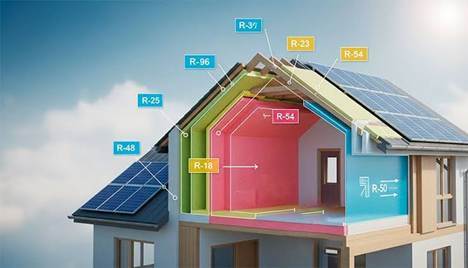
When comparing siding materials, homeowners often focus on durability, appearance, maintenance, and cost. During this research process you may come across the term R-value.
R-value measures how well a material resists heat transfer. Generally, a higher R-value means better insulation. However, most standard siding materials provide relatively little insulation on their own, so choosing siding with the highest R-value doesn’t automatically make it the best option for your home.
At Pacific Exteriors, we help homeowners understand how siding materials perform in real-world conditions. With experience serving homes across the Pacific Northwest and Southeast, we evaluate siding options based on climate, moisture exposure, durability, maintenance, and budget, not just a single performance rating.
In this guide, we'll explain what siding R-values mean, compare the thermal resistance of common siding materials, and explore if R-value really affects your home's insulation, energy efficiency, and long-term performance.
Take the Guesswork Out of Choosing Materials
Compare siding and roofing colors, textures, and finishes in your own space and lighting before deciding what's right for your home.
Get Free Samples Shipped to You
What Is R-Value in Siding?
R-value measures a material’s resistance to heat flow. The higher the R-value, the more effectively a material resists conductive heat transfer. This measurement helps homeowners understand how different materials contribute to a building’s thermal performance, although it does not tell the whole story of a home’s energy efficiency.
Heat naturally moves from warmer areas toward cooler ones. During winter, heat from inside your home can escape through exterior walls. During summer, outdoor heat can move through those same walls into your living space.
Insulation with a higher R-value slows this heat transfer, helping maintain more consistent indoor temperatures and potentially reducing the workload on your heating and cooling system.
However, R-value measures resistance to conductive heat transfer, not a material’s overall ability to prevent energy loss. Air leakage, moisture, thermal bridging, and installation quality can also affect how well an exterior wall performs. This distinction is particularly important when comparing siding materials, since siding is only one component of your home’s exterior.
What’s the difference between siding R-value and the wall assembly R-value?
For homeowners comparing exterior siding, it's important to understand the difference between these two measurements:
- Siding R-value: Measures the thermal resistance of the siding material itself.
- Wall assembly R-value: Reflects the combined thermal resistance of the wall's layers, including siding, sheathing, insulation, and other components.
Your siding is only one part of your home's exterior wall system. The insulation inside your walls, air sealing, and installation quality also play important roles in overall energy performance.
What Are the R-Values of Different Siding Materials?
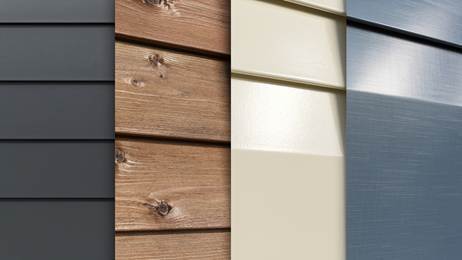
Different siding materials offer different levels of thermal resistance depending on their composition, thickness, density, and whether they incorporate additional insulation.
The table below provides approximate R-values for common siding materials. These figures are general reference points, not guaranteed ratings for every product. Actual values can vary by manufacturer, product design, and thickness.
|
Siding material |
Approximate R-value |
Insulation performance |
|
Standard vinyl siding |
R-0.6 |
Low |
|
Fiber cement siding |
Low |
|
|
Cedar siding |
R-1.35–1.4 per inch |
Higher natural thermal resistance |
|
Uninsulated metal siding |
Very low |
|
|
Insulated vinyl siding |
R-2–R-5 |
Higher, depending on the product |
Note: These figures are general estimates, not guaranteed ratings for every product. Values reported per inch should not be compared directly with values for complete siding panels without accounting for thickness.
Vinyl Siding R-Value
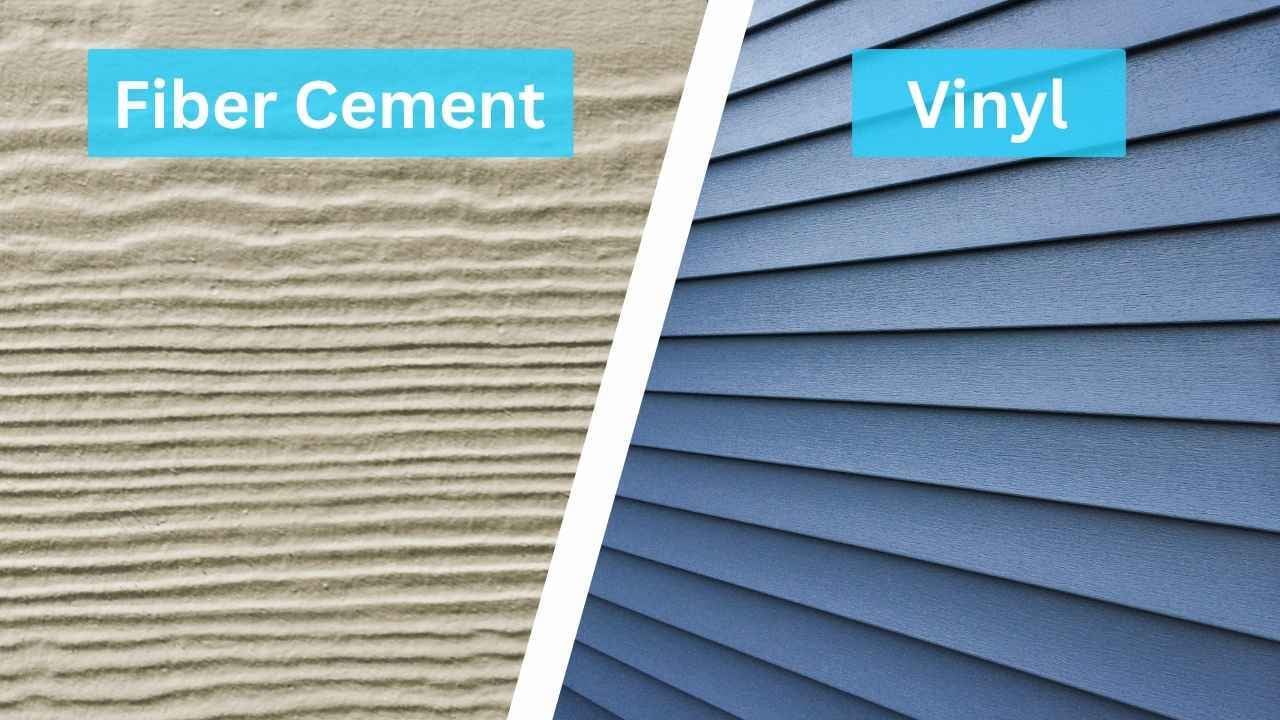
Standard vinyl siding
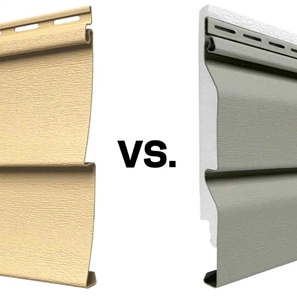
Typically has an R-value of approximately 0.6, meaning it provides relatively little insulation by itself. Its primary purpose is to protect the exterior of your home while offering a range of colors, styles, and finishes.
Insulated vinyl siding
Includes a rigid foam backing, often made from expanded polystyrene (EPS), that increases its thermal resistance. Depending on the product, insulated vinyl siding can offer an R-value of approximately 2 to 5, which is the highest compared to other siding materials.
The foam backing provides additional insulation rather than the vinyl panel alone.
Cedar Siding R-Value
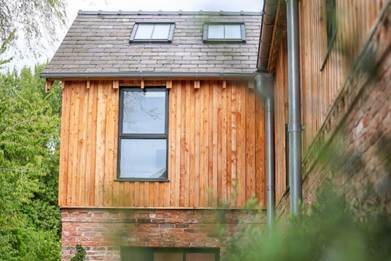
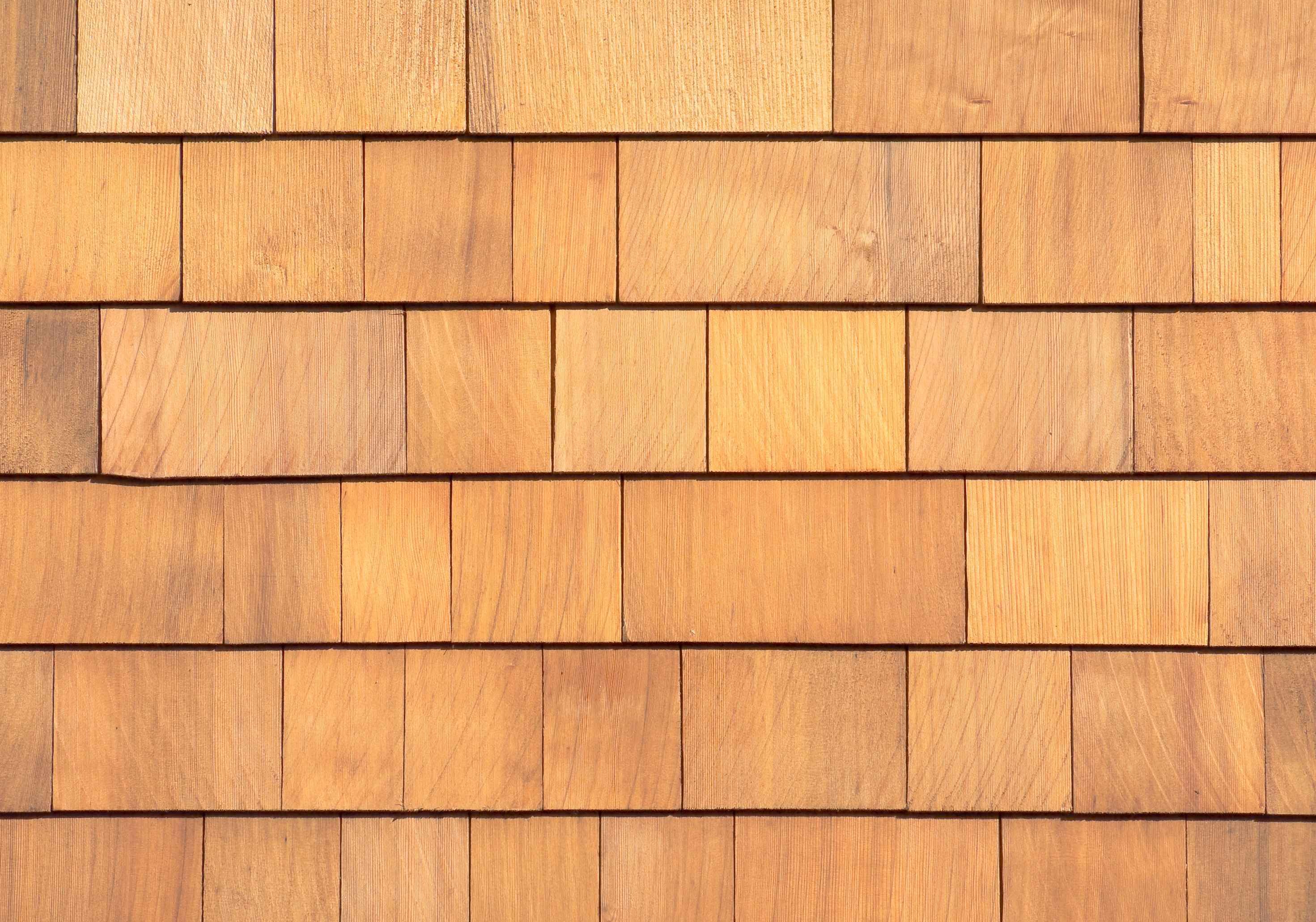
Cedar siding has natural insulating properties because wood's cellular structure contains small air pockets that slow heat transfer. Its average R-value is often cited at 1.35 to 1.4 per inch, the second highest R-value out of all other siding materials.
Indeed, cedar can offer more natural thermal resistance than many standard siding products, but it still should not replace dedicated insulation inside the walls.
Fiber Cement Siding R-Value
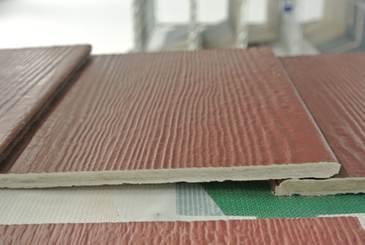
Fiber cement siding typically has a relatively low R-value of approximately 0.15 to 0.5. It’s not designed to function as a primary insulation material. Thicker product lines can potentially have different R-values so it's important to check the specifications for the specific product you're considering.
Metal Siding R-Value
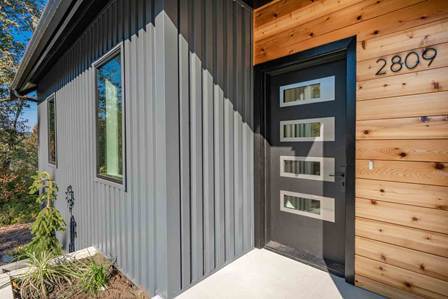
Uninsulated metal siding, including aluminum and steel, provides very little thermal resistance because metal is a conductor of heat. Its R-value is generally considered negligible, meaning the siding itself contributes minimal insulation to your home's exterior walls.
However, metal siding can still provide durable, effective exterior protection when properly installed as part of a complete wall system that includes insulation, air sealing, and other components.
Does a Higher Siding R-Value Mean Better Energy Efficiency?
Not necessarily. A higher R-value indicates better resistance to conductive heat transfer through a material, but it doesn’t tell you everything about how a siding system will perform.
For example: insulated vinyl siding generally offers more insulation than standard fiber cement siding. However, fiber cement can still provide great thermal protection and energy efficiency and may better match a homeowner's priorities for durability, appearance, or long-term performance.
A higher R-value can be beneficial, but it should not outweigh important considerations such as proper drainage, installation quality, and the durability of the complete exterior system.
See the Difference for Yourself
Choosing new siding or roofing is easier when you can see the materials up close. Request free samples to compare colors, finishes, and styles at home.
Order Your Free Samples
How Much Does Siding Contribute to Your Home's Insulation?
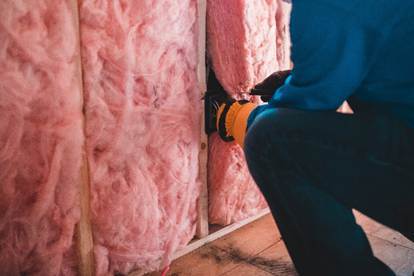
In most homes, siding contributes far less to overall insulation than the insulation installed inside the walls.
Wall cavity insulation, such as fiberglass, mineral wool, or spray foam, provides much of a wall's thermal resistance. Other components, including exterior sheathing and continuous insulation, also affect how effectively the wall slows heat transfer.
Standard siding is primarily a protective outer layer. Its job is to help shed water, protect the underlying structure, and provide the exterior finish.
This is why replacing old siding with a new product that has a similar R-value may not noticeably improve your home's energy efficiency on its own.
However, a siding replacement project can create an opportunity to address other problems that affect comfort, including damaged weather resistant barriers, improper flashing, air leaks, and insulation that has moisture damage.
Can New Siding Lower Your Energy Bills?

New siding can contribute to lower energy bills, but the results depend on your home's existing condition and the improvements included in the project.
Replacing standard siding alone typically provides limited energy savings if the insulation and air sealing behind it remain unchanged.
However, a siding replacement creates an opportunity to improve energy performance by:
- Repairing gaps and damaged siding that contribute to unwanted air movement.
- Correcting damaged house wrap to restore the wall's weather protection.
- Adding exterior insulation to increase the wall assembly's R-value and reduce heat transfer.
- Replacing damaged insulation caused by moisture intrusion.
- Sealing gaps around windows and doors to reduce air leakage.
Even with these improvements, a higher siding R-value doesn’t guarantee lower utility bills. Energy costs also depend on your home's existing insulation, windows, roof and attic, HVAC condition, air leakage, climate, and energy-use habits.
If energy efficiency is your primary goal, consider evaluating the home's overall insulation and air-sealing needs rather than choosing siding based on its R-value alone.
Get Expert Help Choosing Siding for Your Home
Understanding R-values is a useful starting point, but the best siding decision considers the complete exterior system. The right combination of siding, insulation, air sealing, and moisture management can help protect your home while supporting year-round comfort.
Pacific Exteriors helps homeowners throughout the Seattle and Portland areas, as well as Greater Atlanta and Chattanooga, compare exterior remodeling options based on their home's needs, budget, and long-term goals.
Whether you're considering fiber cement, cedar, or another siding material, our team can help you understand your options and the factors that matter beyond R-value.
Ready to explore your siding options?
Contact Pacific Exteriors today to schedule a free, no-obligation exterior consultation and estimate. We'll help you evaluate the possibilities for your home and make an informed decision without pressure.
Not Ready for a Consultation?
Still exploring your options? Get free siding and roofing samples shipped to your door and see what works best for your home.
Get Free Samples
Frequently Asked Questions About Siding R-Values
What siding has the highest R-value?
Among the common options discussed here, insulated vinyl siding generally has the highest standalone R-value, often around R-2 to R-5 depending on the product. Its foam backing provides the added thermal resistance. Cedar wood comes in second place with their natural insulating properties. However, the highest-R-value siding is not necessarily the best choice for every home.
Is fiber cement siding a good choice if energy efficiency matters?
Yes. Fiber cement siding can be part of an energy-efficient wall system, even though the material itself has a low R-value. The wall's insulation, air sealing, moisture management, and installation quality have a greater influence on overall thermal performance than the siding alone.
Does thicker siding provide more insulation?
Not automatically. Greater thickness can increase R-value when the material itself provides meaningful thermal resistance. However, making standard vinyl, fiber cement, or metal siding thicker does not necessarily add much insulation. A foam-backed product or a separate continuous insulation layer is designed to provide additional thermal resistance.
Can insulated siding replace the insulation inside my walls?
No. Insulated siding can add thermal resistance, but it generally cannot replace adequate wall cavity insulation. If your home has insufficient insulation, consider evaluating the entire wall assembly and other parts of the home's thermal envelope.
Does a higher R-value guarantee lower energy bills?
No. Energy savings depend on more than R-value, including air leakage, installation quality, existing insulation, windows, attic conditions, HVAC efficiency, and climate. Improving insulation and sealing air leaks can help, but the results vary from home to home.
Should I choose siding based on R-value or durability?
Durability should be the primary consideration when choosing siding. Your siding needs to protect your home from moisture, weather, and everyday wear over the long term. While R-value can be useful to understand, most standard siding materials provide minimal insulation, so your home's overall energy efficiency depends more on proper wall insulation and air sealing.