When investing in new roofing or siding, one of the first questions homeowners may have is, “What does my manufacturer warranty cover?” You may also wonder whether your roof or siding warranty covers installation labor, what terms like “lifetime” actually mean, or whether improper installation could affect your coverage.
Understanding exterior manufacturer warranties can help you know what protection you have, what exclusions to look for, and who may be responsible if a product fails.
Since 2008, Pacific Exteriors has installed exterior products from leading manufacturers and helped homeowners understand their warranty coverage. As an Owens Corning Platinum Preferred Contractor and James Hardie Elite Preferred Contractor, we understand how manufacturer warranties work alongside contractor workmanship warranties and what homeowners should know about their coverage.
In this guide, we'll explain how manufacturer warranties work, what they typically cover, common exclusions, the difference between prorated and non-prorated warranties, and how to prepare for a warranty claim.
At a Glance: Understanding Manufacturer Warranties
|
What to Know |
Key Takeaway |
|
What it covers |
Primarily covers damage or defects that occurred during the manufacturing process |
|
What it may exclude |
Improper installation, normal wear, neglect, and certain damage |
|
Warranty length |
Varies by product; some financial coverage may decrease over time |
|
Labor |
Not always included; check the specific warranty |
|
Who handles issues |
Manufacturer for product defects; contractor for eligible workmanship issues |
|
Your responsibility |
Follow maintenance requirements and keep warranty documentation |
What Is a Manufacturer Warranty?
A manufacturer warranty is a written agreement from the company that provides specific protection if the product fails during the warranty period. However, the exact coverage depends on the product, manufacturer, warranty level, and requirements outlined in the warranty documentation.
Moreover, manufacturer warranties typically cover defects that occur or are a result of the manufacturing process. They generally do not cover damage caused by improper installation, neglect, accidents, normal wear and tear, or conditions specifically excluded by the manufacturer.
It’s important to note that a manufacturer warranty is different from a contractor workmanship/labor warranty. While the manufacturer is responsible for the product it produces, the contractor is generally responsible for the quality of the installation.
Which Manufacturers Offer Roofing and Siding Warranties?
Roofing and siding warranties come from the manufacturers that produce the materials installed on your home. The specific coverage depends on the brand, product line, finish, and warranty terms.
For example, Pacific Exteriors works with two leading exterior product manufacturers:
- Owens Corning: Manufactures roofing products, including asphalt shingles, with warranty terms that vary by product and coverage level. Pacific Exteriors is an Owens Corning Platinum Preferred contractor, as a result we offer the highest level of protection.
- James Hardie: Manufactures fiber cement siding products with warranties that vary by product and finish but are the same with each James Hardie Alliance contractor tier.
These are examples of manufacturer warranties for residential exterior products. Other roofing and siding manufacturers have their own coverage terms, exclusions, and requirements.
Before starting a roofing or siding project, ask which manufacturer and product line your contractor plans to install. You can then review the applicable written warranty to understand what is covered, how long coverage lasts, and whether labor or related repair costs are included.
What Does a Manufacturer Warranty Cover?
Every manufacturer has its own warranty terms, so homeowners should always review the specific warranty for their product. However, manufacturer warranties commonly address defects in materials or manufacturing.
Depending on the product and warranty, coverage may include:
Material defects
Problems such as premature cracking, splitting, warping, excessive deterioration, or other defects that result from the product itself rather than normal aging or improper use.
Manufacturing flaws
Defects or flaws that occur during manufacturing and cause the product to fail to meet the manufacturer’s quality or performance standards.
Premature finish or coating failure
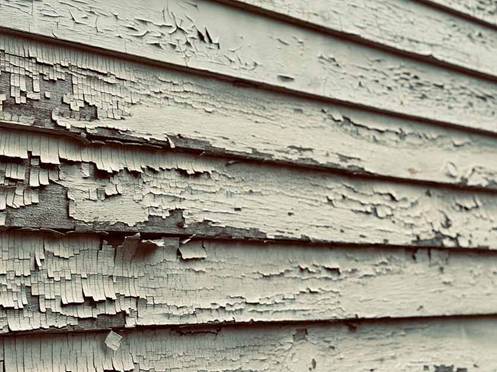
Certain warranties may cover premature fading, peeling, flaking, or other finish problems, particularly when the finish is factory-applied, and the failure meets the manufacturer's warranty requirements.
Specific performance failures
Some products have warranties covering specific performance standards, such as resistance to certain weather conditions or premature product failure. The exact requirements and limitations will be defined in the warranty documentation.
Additional product-specific protections
Some manufacturer warranties may provide coverage for specific issues, such as algae growth or wind damage, depending on the product and warranty terms. Coverage varies by manufacturer and product, so homeowners should review the specific warranty rather than assume a particular issue is covered.
What Does a Manufacturer Warranty Usually Not Cover?
Understanding warranty exclusions is just as important as understanding what’s covered.
For exterior remodeling, exclusions may include:
Improper Installation
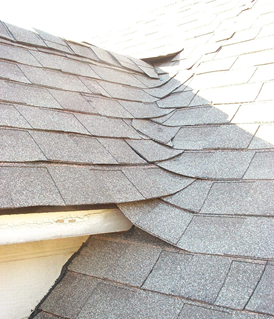
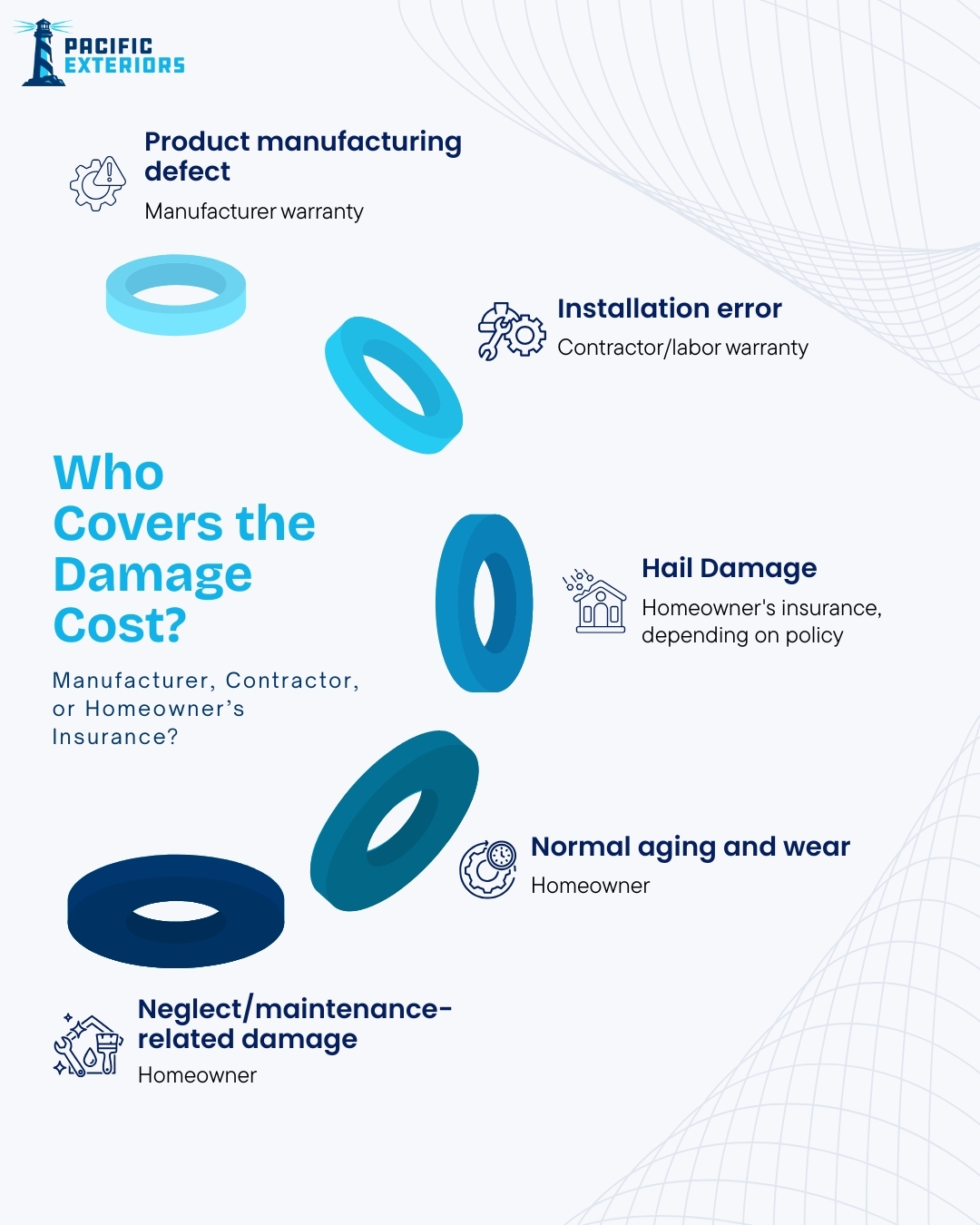
Materials can be defective, but a manufacturer may deny coverage when the failure resulted from improper installation.
Examples can include incorrect fastening, inadequate clearances, improper flashing, absence of weather resistant barriers, or failure to follow the manufacturer’s installation requirements.
This is one reason why choosing an experienced contractor familiar with the manufacturer's installation requirements matters.
Weather and Impact Damage
Wind, hail, falling branches, fire, flooding, and other weather events damaging the product may not qualify as a manufacturing defect. Depending on the circumstances and your policy, this type of damage may instead involve homeowner’s insurance.
Normal Aging and Wear
A warranty generally isn't designed to cover ordinary deterioration that occurs as a product ages.
Color fading, worn sealants, dirt, and other age-related damage may not qualify as a manufacturing defect.
Lack of Maintenance
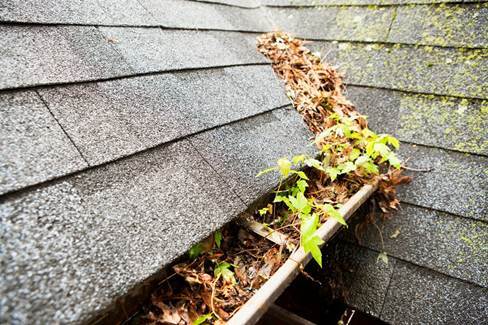
Some warranties require homeowners to follow reasonable maintenance requirements.
For example: James Hardie's 30-year Hardie Plank warranty does not reimburse or replace the damaged product if the cause of failure was the result of neglect, growth of mold/mildew, and lack of proper maintenance (washing when dirty, checking caulking, etc.).
Moreover, ignoring issues such as deteriorated caulk, clogged gutters, drainage problems, or damaged materials can potentially limit coverage if the lack of maintenance caused or worsened the failure.
Homeowner Modifications
DIY modifications can also impact your manufacturer's warranty eligibility.
For example, drilling into siding to install a fixture may create a pathway for water intrusion. If an investigation determines that the modification caused the damage, the resulting problem may not qualify as a manufacturer defect.
A Long Warranty Does Not Always Mean Full Coverage
A warranty that lasts for decades can sound like extensive protection, but the length of the warranty doesn’t necessarily reflect how much coverage you receive throughout that period.
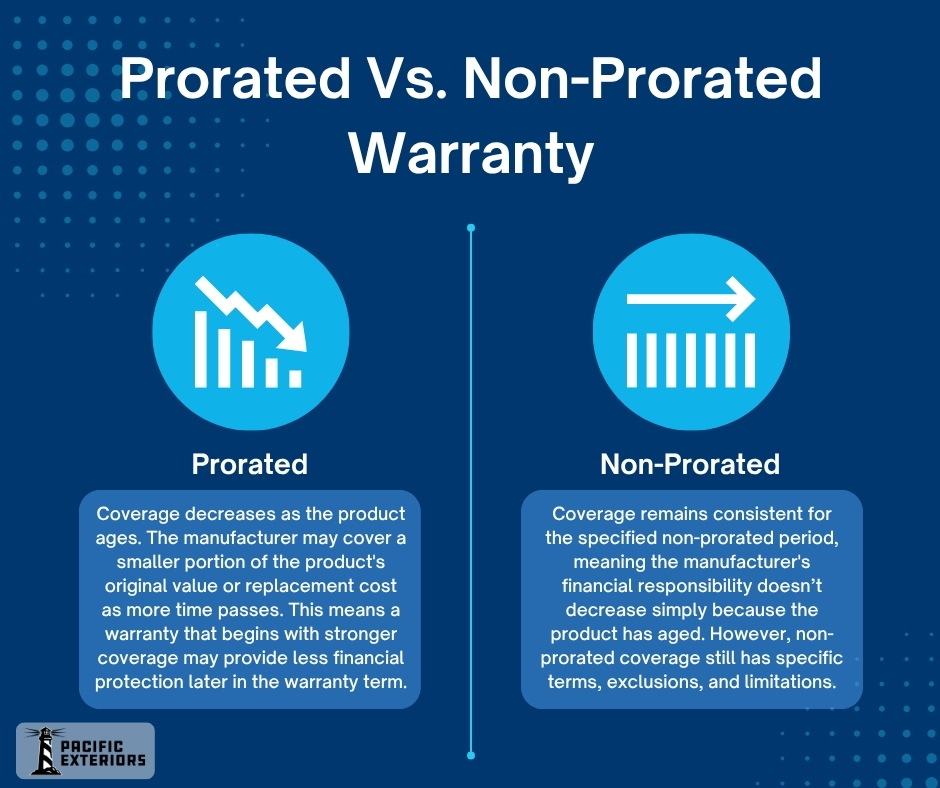
For instance, your warranty coverage may decrease over time. This is known as a prorated warranty, which means the manufacturer’s responsibility gradually decreases as the product ages. Meanwhile, a non-prorated warranty guarantees that the manufacturer’s coverage remains the same no matter what.
What Should You Check in a Roof or Siding Manufacturer Warranty?
|
What to Look For |
What to Check |
|
Covered Product |
Confirm the exact product, product line, finish, and components covered. |
|
Warranty Term |
Check the effective date, expiration date, full-coverage period, and whether coverage becomes prorated over time. |
|
Exclusions |
Review what the warranty doesn’t cover, this can include installation, weather, improper maintenance, and other conditions. |
|
Solutions |
Determine what happens if a claim is approved. The solution may include repair, replacement, or another solution. |
|
Labor & Related Costs |
Check whether the warranty covers installation labor, tear-off, disposal, permits, or other costs associated with repair/replacement. |
|
Maintenance Requirements |
Look for required cleaning, sealing, repainting, or other upkeep needed to maintain coverage and performance. |
|
Registration & Documentation |
Check whether registration is required and keep your warranty certificate, contract, invoice, product information, registration confirmation, and maintenance records. |
|
Transferability |
If you plan to sell your home, check whether the warranty can be transferred to the next homeowner. |
Who Covers the Cost of a Damaged Product?
How Do You Know If Your Roof or Siding Problem Is Covered by the Warranty?
If you notice a potential issue with your siding or roof, start by documenting (photos, dates, videos, etc.) what you see and reviewing the warranty. Then contact the manufacturer and/or contractor according to the warranty's claim process.
The goal is to determine why the problem occurred, not simply where the visible damage appears.
For example: damaged siding could be caused by defective siding, but it could also result from missing flashing or panels with loose nails.
A professional evaluation can help determine whether the issue appears related to the product, installation, maintenance, weather, or another component.
How Manufacturer Warranties Work with Pacific Exteriors

At Pacific Exteriors, we understand that a manufacturer warranty is only one part of protecting your investment. Proper installation is essential to maintaining the performance of your roofing and siding systems and meeting the manufacturer's warranty requirements.
Pacific Exteriors is an Owens Corning Platinum Preferred Contractor and a James Hardie Elite Preferred Contractor, representing the highest contractor certification tiers offered by both manufacturers. These designations reflect ongoing training, product knowledge, and adherence to manufacturer installation standards.
While coverage is ultimately determined by the specific written warranty, our trained teams help protect your investment by installing your system according to applicable manufacturer’s specifications.
Planning a siding or roofing project in Seattle, Portland, Atlanta, or Chattanooga?
Before starting a project, review the manufacturer's warranty to understand what it covers and what exclusions may apply. If an issue occurs later, documenting the problem and determining whether it involves the product, installation, maintenance, or damage can help you identify the appropriate next step.
Our team can help explain the manufacturer warranties associated with your project and answer questions about installation and workmanship coverage.
Contact Pacific Exteriors today and schedule a free, no-obligation exterior estimate to discuss your home's needs, project goals, budget, and available warranty coverage with our team.
Not Ready for a Consultation?
Still exploring your options? Get free siding and roofing samples shipped to your door and see what works best for your home.
Get Free Samples
Frequently Asked Questions About Manufacturer Warranties
How long do manufacturer warranties last?
Warranty periods vary by product and manufacturer. Exterior building products can have warranties lasting decades, but the length of the warranty does not necessarily mean the product is fully covered for that entire period.
Does a manufacturer warranty cover installation labor?
Not always. Some warranties primarily cover defective materials, while enhanced or system warranties may provide labor coverage. Always check the specific warranty terms.
What is the difference between a manufacturer warranty and a workmanship warranty?
A manufacturer warranty generally addresses defects in the product itself. A workmanship warranty addresses certain problems caused by the installation process.
Can improper installation void a manufacturer warranty?
Improper installation can void coverage when the product fails because installation did not follow the manufacturer's requirements. This is why manufacturer-approved installation practices are important.
What does a non-prorated warranty mean?
A non-prorated warranty means the covered value does not decrease based on the product's age during the applicable non-prorated coverage period. The warranty's specific terms and exclusions still apply.
Does a lifetime warranty mean the product is covered forever?
Not necessarily. "Lifetime" warranties have specific definitions and conditions established by the manufacturer. Always review the actual warranty document rather than relying on the term "lifetime" alone.
What should I keep for my manufacturer warranty?
Keep your contract, invoice, proof of purchase, warranty certificate, registration confirmation, product information, installation records, maintenance records, and photos of the completed project.
Who handles a manufacturer warranty claim?
It depends on the warranty. The homeowner may need to submit the claim directly to the manufacturer, while a certified contractor may assist with certain enhanced or system warranties. The manufacturer ultimately evaluates claims according to its warranty terms.
Does maintenance affect my warranty?
It can. Some manufacturer warranties require reasonable maintenance and can exclude damage caused or worsened by neglect. Follow the manufacturer's maintenance requirements and keep records of significant maintenance and repairs.