
Many homeowners searching for affordable exterior options come across the term pop-on siding and assume it refers to a completely different material. In reality, pop-on siding isn't a material at all; it's an installation method
Rather than removing the existing siding, installers place new siding directly over the old exterior, allowing the new panels to "pop" or lock together using an interlocking fastening system. The approach can reduce labor costs and shorten installation time, but it also comes with significant trade-offs that homeowners should understand before planning.
With more than 15 years of experience installing and replacing siding throughout the Pacific Northwest and Southeast, Pacific Exteriors has evaluated thousands of homes with aging, damaged, and weathered exteriors. Our team understands how hidden damage can impact a home's exterior, which is why we believe a thorough inspection is essential before every siding project.
As a result, Pacific Exteriors does not recommend or install pop-on siding. Overlay installations can conceal moisture damage, rot, and structural issues while often conflicting with manufacturer installation requirements and warranty guidelines.
At a Glance: Is Pop-On Siding Right for You?
|
Factor |
Pop-On Siding |
Traditional Siding Replacement |
|
Removes old siding |
No |
Yes |
|
Inspects wall sheathing |
Limited |
Complete inspection |
|
Installation speed |
1–3 weeks |
|
|
Upfront cost |
Higher |
|
|
Moisture problems discovered |
Sometimes |
Yes |
|
Upgrade house wrap & flashing |
Limited |
Yes |
|
Long-term durability |
Depends on existing wall |
Longer |
|
Best for |
Cosmetic upgrades & tight budgets |
Long-term protection |
Understanding Pop-On Siding
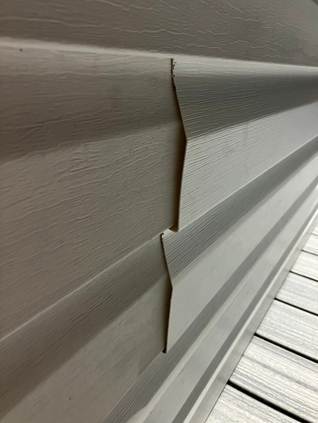
What Does "Pop-On Siding" Mean?
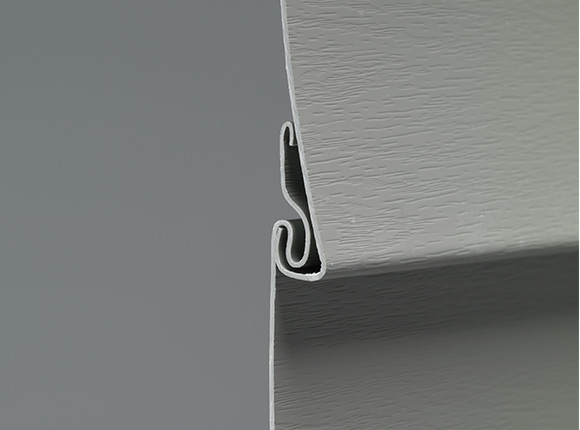
The term pop-on siding is an industry nickname rather than an official construction term. You won't typically find it in manufacturer specifications or building codes. Still, many homeowners and contractors use the phrase to describe siding systems installed by locking panels together, rather than fastening every visible edge.
The name comes from the distinctive "pop" or "snap" sound and feel that occurs when one siding panel interlocks with another during installation. Rather than describing the material itself, the term refers to the installation method.
Professionals are more likely to refer to it as:
- Overlay siding
- Siding-over-siding installation
- Interlocking siding system
- Snap-lock siding
A pop-on installation typically uses vinyl or metal siding with interlocking systems. In some cases, people also use the term to describe installing new siding over an existing siding system rather than performing a complete tear-off. However, the meaning can vary by contractor and region.
What Materials Are Used?
Most pop-on siding systems use:
|
Material |
Common? |
|
Hollowback vinyl |
Most common |
|
Insulated vinyl |
Common |
|
Metal siding |
Less common |
|
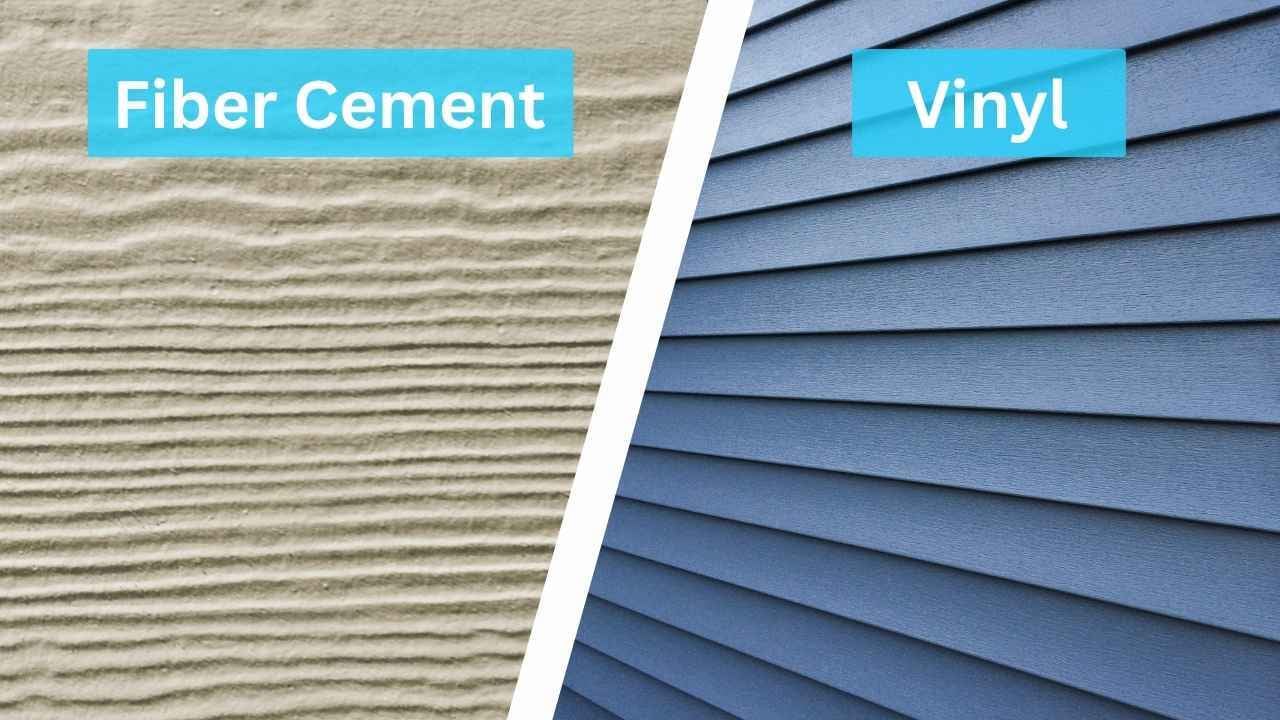
Fiber cement |
Not common |
Because vinyl is lightweight and flexible, it's the most commonly used material for pop-on siding installations.
How Is Pop-On Siding Installed?
.jpg?width=1920&height=1080&name=Pop-on%20installation%20process%20(4).jpg)
Unlike a traditional siding replacement, a pop-on siding installation typically eliminates the need to remove the home's existing siding. Instead, contractors install a new layer of siding over the existing siding, but only if the existing siding and the wall beneath it are structurally sound and suitable for an overlay installation.
Pros of Pop-On Siding
Less labor. Less demolition. Faster installation.
While pop-on siding isn't the right solution for every home, it can offer several advantages when installed over a structurally secure, dry exterior. For homeowners looking for a faster and more affordable exterior update, an overlay installation may be a practical option.
Lower Upfront Cost
Because the existing siding typically remains, contractors spend less time on demolition and disposal. This often results in lower labor costs and a more affordable overall project compared to a full siding replacement.
Faster Installation
Without needing to remove the old siding and rebuild the wall assembly, many pop-on siding projects can be completed in just a few days. This shorter timeline minimizes disruption to homeowners and reduces labor costs.
Less Mess During Installation
Since little or no demolition is involved, there is less debris, dust, and construction waste around the property. This can make the installation process more convenient for homeowners.
Improved Curb Appeal

When installed correctly over an exterior that is in good condition, pop-on siding can dramatically improve a home's appearance. The finished product often looks similar to a traditional vinyl siding installation.
Drawbacks of Pop-On Siding
Although pop-on siding offers a lower upfront cost, homeowners should carefully consider its limitations before choosing an overlay installation. Because the existing siding remains in place, problems hidden behind the wall often remain hidden.
Hidden Moisture and Rot Can Go Undetected
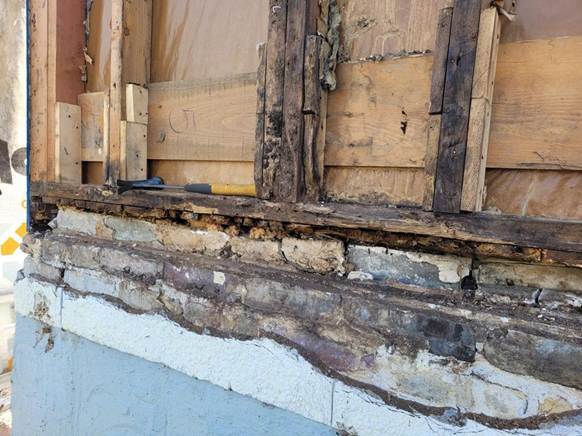
One of the biggest disadvantages is that contractors cannot fully inspect the wall sheath without removing the existing siding. If moisture damage, mold, or rot already exists, installing new siding over it can allow the problem to worsen over time.
Limited Opportunity to Upgrade the Wall System
A full siding replacement allows contractors to replace damaged sheathing, install a new weather-resistant barrier, improve flashing, upgrade insulation, and address structural issues. A pop-on installation typically doesn't provide the same opportunity.
Increased Risk in Wet Climates
In regions with frequent rain or high humidity, trapped moisture can become a serious concern if the wall assembly isn't properly designed for drainage. Homes in climates like the Pacific Northwest and Southeast often benefit more from a complete siding replacement than an overlay installation.
Potential Resale Concerns
Some buyers and home inspectors view overlay siding cautiously because it can conceal damage beneath the surface. Questions about what's behind the siding may affect buyer confidence during a home sale.
Higher Long-Term Repair Costs
While the initial installation is less expensive, hidden moisture, loose panels, or deteriorating sheathing can lead to costly repairs later. In some cases, homeowners end up paying for both the pop-on installation and a full siding replacement in the future.
Pop-On Siding Installation Vs. Traditional Installation
Many homeowners assume pop-on siding is a different type of product than traditional vinyl siding, but that's a common misconception. In many cases, both installations use the same vinyl siding panels. The difference isn't the siding material itself; it's how the siding is installed and what's underneath it.
|
Feature |
Pop-On Siding |
Traditional Replacement |
|
Removes old siding |
No |
Yes |
|
Repairs sheathing |
Rarely |
Yes |
|
New weather barrier |
Usually No |
Yes |
|
Flashing upgrades |
Limited |
Yes |
|
Hidden damage found |
Often No |
Yes |
|
Wall thickness |
Increases |
Stays original |
|
Long-term value |
Moderate |
Higher |
How Does Pop-On Siding Perform in Different Climates?
Humid & Rainy
Frequent rain and high humidity increase the importance of proper moisture management. If water becomes trapped between the old and new siding, it may take much longer to dry, creating conditions that can lead to rot, mold, or deteriorated sheathing over time.
In wet climates, contractors often recommend incorporating a drainage plane or rainscreen system to help moisture escape. A thorough inspection is also essential to ensure existing water damage isn't sealed behind the new siding.
High-Wind Areas
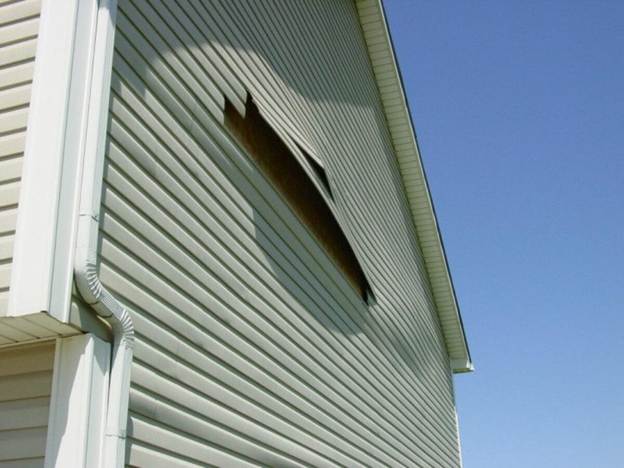
Strong winds place significant stress on siding systems. If panels aren't fastened according to manufacturer specifications or aren't properly locked together, they may:
- Crack or get punctured from storm debris
- Loosen over time
- Blow off during severe storms
Proper fastening, starter strips, and trim installation are critical to helping the siding withstand high winds.
Hot Climates
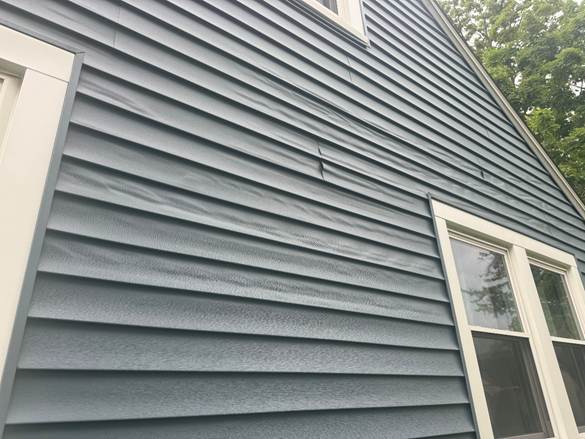
High temperatures cause many siding materials, notably vinyl, to expand and contract throughout the day due to temperature fluctuations. Not to mention, vinyl also can melt with extremely hot temperatures and reflected sunlight on the panels.
Installers must leave the proper expansion gaps and avoid overdriving fasteners so panels can move naturally with extreme temperatures.
Cold Climates
Cold temperatures make vinyl less flexible and more susceptible to cracking from impact. Seasonal freeze-thaw cycles and repeated expansion and contraction can also place additional stress on panels.
Following manufacturer installation guidelines helps minimize the risk of cracking, warping, or joint separation during winter months.
Is Pop-On Siding a Good Fit for You?
The answer depends on your home's condition, your budget, and your long-term goals.
It may be worth considering if:
Your existing siding is structurally stable, free of moisture damage, and you're looking for a budget-friendly way to update your home's exterior.
Since pop-on installation requires less demolition, it can often be completed more quickly and at a lower upfront cost than a traditional siding replacement. It may also make sense if you're preparing to sell your home soon and want to improve curb appeal without investing in a full tear-off.
It may not be the best investment if:
Your home has experienced leaks, shows signs of water intrusion, or you're concerned about hidden rot or structural damage.
Moreover, covering the existing siding can conceal problems that continue to worsen behind the new exterior. If you plan to stay in your home for many years, a traditional siding replacement is often the better long-term investment because it allows contractors to inspect the wall assembly, make necessary repairs, and install updated weather barriers before the new siding is installed.
While pop-on siding can reduce upfront costs, it's important to consider the long-term value, not just the initial price.
When a Traditional Siding Replacement Is the Better Choice
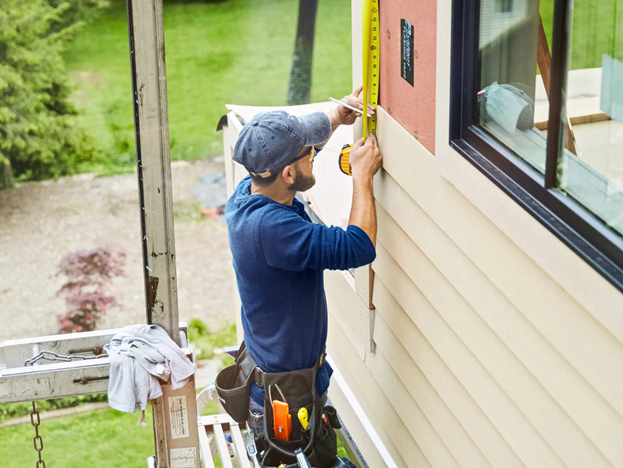
Although a pop-on installation can work under the right conditions, a full siding replacement is often the better long-term investment because it addresses the entire wall system, not just its appearance.
A traditional replacement is generally recommended if:
- Your existing siding is aging or deteriorating: Older siding is more likely to have hidden damage that won't be visible without removing it.
- There are signs of water intrusion or rot: Soft spots, staining, mold, mildew, or peeling paint often indicate moisture has become trapped behind the siding panels.
- You live in a wet or humid climate: Homes in regions with frequent rain or humidity benefit from a full inspection and the installation of modern weather barriers and flashing.
- You want to upgrade moisture protection: A complete replacement allows contractors to install new house wrap, flashing, drainage systems, and other components that improve the home's weather resistance.
- Energy efficiency is a priority: Removing the old siding provides an opportunity to add insulation or improve the wall assembly before the new siding is installed.
- You plan to stay in your home for many years: While the initial cost is higher, a full replacement provides greater peace of mind by identifying and repairing hidden issues before they become expensive structural repairs.
For many homeowners, the decision isn't simply about saving money today; it's about choosing the solution that will best protect their home for decades to come. A professional inspection can determine whether your existing siding is a good candidate for an overlay installation or whether a traditional siding replacement will deliver better long-term value.
Advice from the Pacific Exteriors Team
Pop-on siding can provide an attractive, cost-effective exterior update when the existing wall system is already in excellent condition. Its faster installation and lower upfront cost may appeal to homeowners with limited budgets or those looking for a short-term cosmetic improvement.
Nonetheless, Pacific Exteriors generally does not recommend pop-on siding for most homes.
Although an overlay installation may save money initially, those savings can quickly disappear if hidden damage leads to expensive repairs or a premature replacement. A complete siding replacement allows your contractor to inspect the wall assembly, repair any underlying issues, install new weather-resistant barriers and flashing, and provide your home with a stronger, longer-lasting exterior.
Ultimately, the best choice isn't simply the least expensive one, it's the solution that protects your home, addresses existing problems instead of concealing them, and delivers lasting value for years to come.
Why Homeowners Choose Pacific Exteriors

Choosing new siding is about more than improving curb appeal; it's about protecting one of your largest investments.
Pacific Exteriors offers free siding inspections and personalized recommendations based on your home's condition, local climate, and long-term goals. Our experienced team will thoroughly inspect your existing siding, identify any signs of moisture intrusion or structural damage, and help you determine the best solution for your home.
If a full siding replacement is the right choice for you and your home, we'll walk you through your material options, explain the installation process, and provide a detailed estimate with no obligation.
Contact Pacific Exteriors LLC today to schedule your free siding consultation and receive an expert assessment of your home's exterior.
Frequently Asked Questions
Is pop-on siding an official industry term?
No. It's an informal nickname describing interlocking siding installations.
Can pop-on siding be installed over wood siding?
Yes, provided the wood is dry, flat, structurally stable, and free of rot or moisture damage.
Can damaged panels be replaced individually?
Yes, individual panels can usually be removed and replaced without replacing the entire wall.
Does improper installation void the warranty?
Yes, many manufacturers deny warranty claims when failures result from incorrect installation rather than product defects.