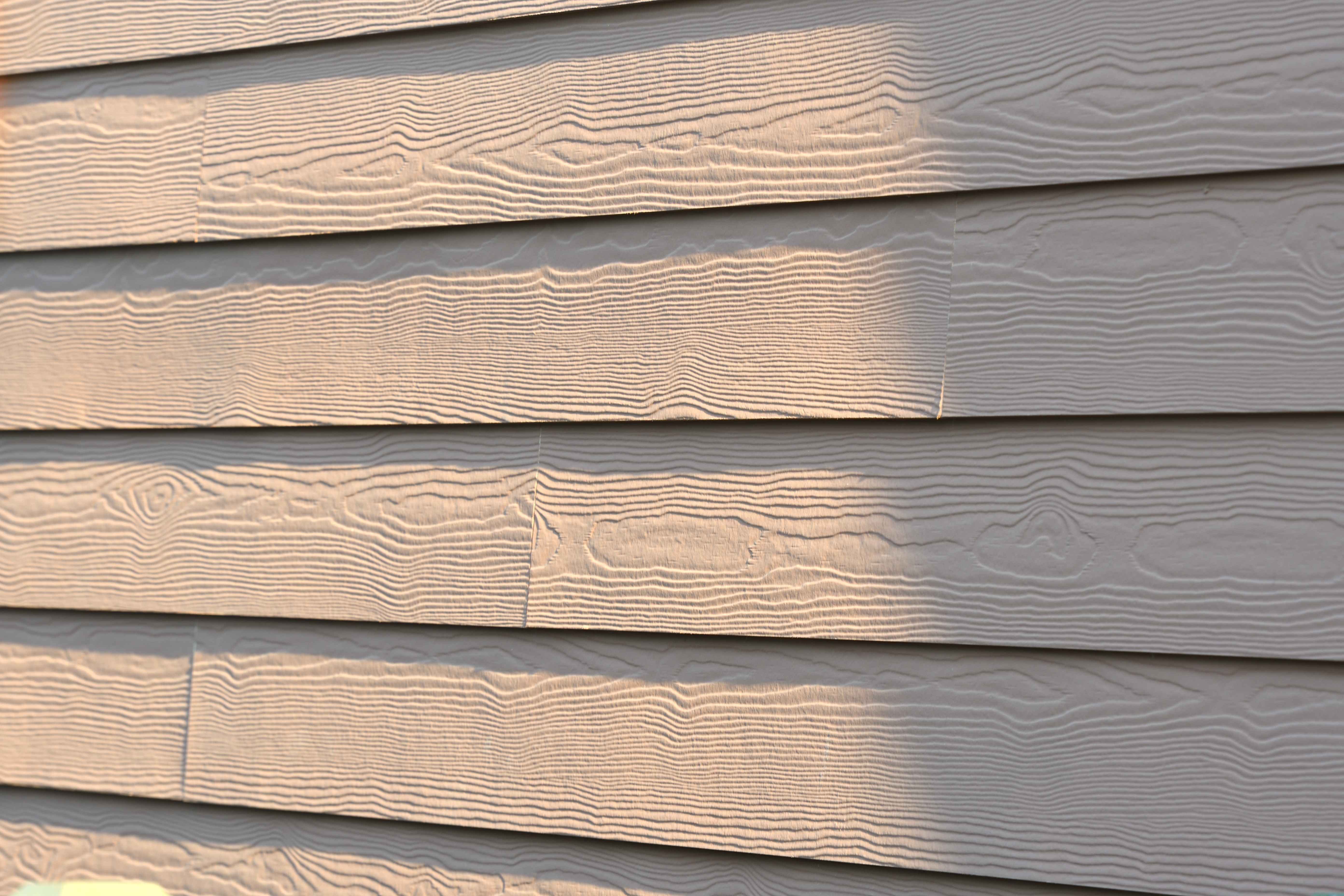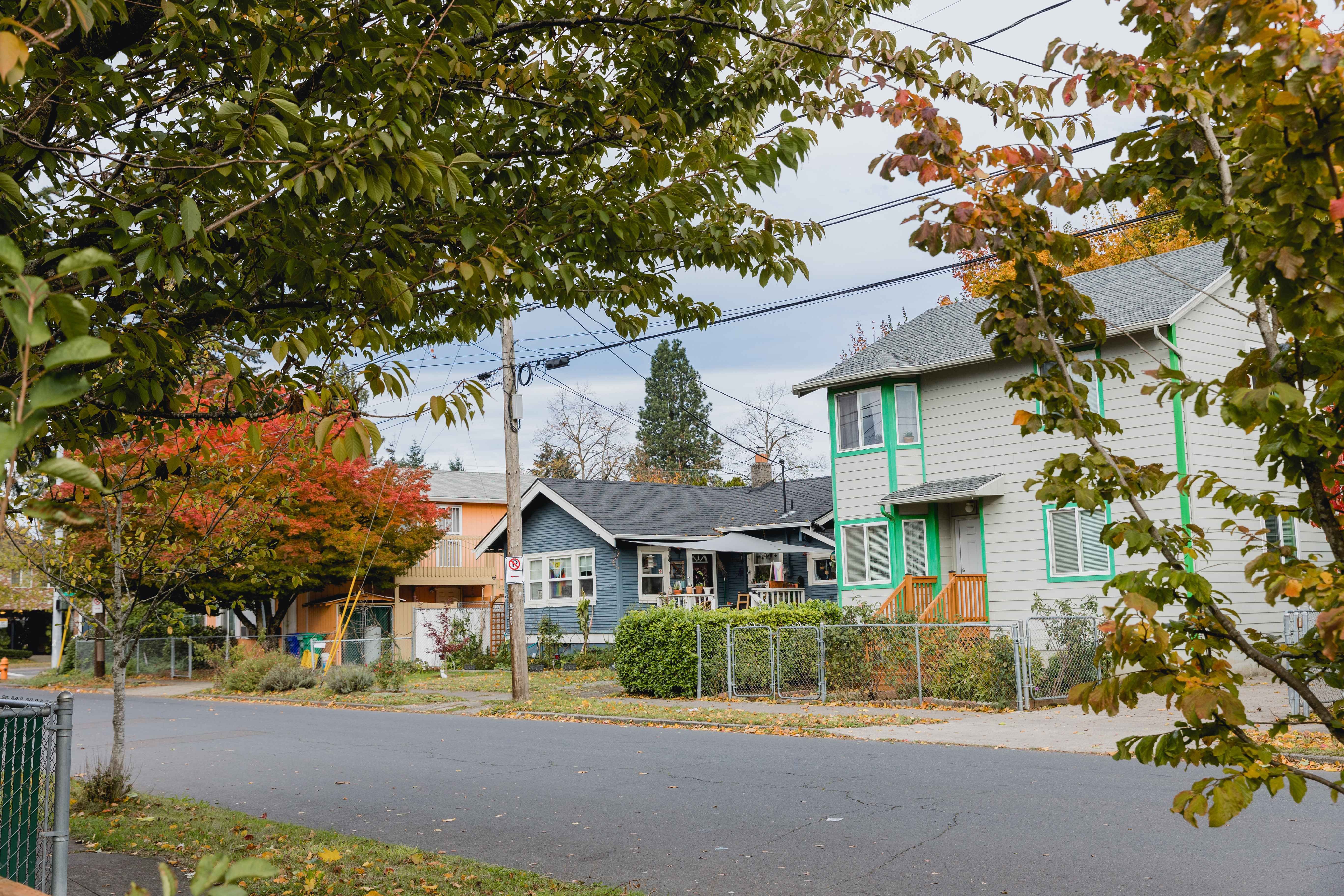


Seattle’s months of moisture, cloudy weather, wind-driven rain, moss, mildew, and limited drying time can put consistent stress on siding and the systems behind it.
The good news is that seasonal siding maintenance can help homeowners catch small problems before they become expensive repairs. Regular inspections, gentle cleaning, functioning gutters, proper vegetation clearance, and timely repairs can all help protect your siding and the wall assembly behind it.
Since 2008, Pacific Exteriors has helped homeowners throughout the Seattle area maintain and improve their home's exterior. Whether you're dealing with mold and mildew or damaged siding, understanding what to look for each season can help you make informed decisions about your home's maintenance.
In this guide, you’ll learn what to inspect, clean, and maintain throughout the year to help protect your siding from Seattle’s wet climate and catch potential problems early.
At a Glance: Seasonal Siding Maintenance in Seattle
|
Season |
Main Maintenance Focus |
Key Tasks |
|
Spring |
Inspect and clean |
Check for winter damage, moisture issues, damaged caulk or flashing, gutter problems, and buildup. Gently clean siding and clear areas around the home. |
|
Summer |
Maintain and prepare |
Complete maintenance that benefits from dry weather, such as painting, caulking, touch-ups, etc. Trim vegetation and address any remaining issues before fall. |
|
Fall |
Prepare for rainy season |
Clean gutters and downspouts, clear leaves and debris from the siding, inspect for summer heat or UV damage, and address problems before heavy rain returns. |
|
Winter |
Monitor after storms |
Check for gutter overflow, loose siding, damaged flashing, new stains, fallen branches, and other signs of storm or moisture damage. |
Why Seasonal Siding Maintenance is Important for Seattle Homes
Seattle's long wet season, high humidity, shade, and wind-driven rain can keep siding damp for extended periods. Seasonal maintenance helps homeowners catch moisture-related problems before they become more extensive.
.jpeg?width=657&height=760&name=Why%20Seasonal%20Siding%20Maintenance%20is%20Important%20for%20Seattle%20Homes%20(1).jpeg)
Seasonal siding maintenance isn't just about keeping the exterior looking clean. It's about managing moisture, catching problems early, and helping the siding system shed water properly year-round.
Spring Siding Maintenance: Inspect After Seattle's Wet Winter Season
Spring is the time to take a closer look at your home's exterior after months of Seattle rain, moisture, wind, and changing temperatures. A thorough spring siding inspection can help identify winter damage, remove accumulated buildup, and catch moisture problems before they become more extensive.
Inspect Siding for Winter Damage
Start with a full visual inspection of the siding and trim during daylight. Walk around the entire perimeter of your home to see if there have been any changes to your exterior that may have developed during the winter.
Pay particular attention to:
|
Type of Damage |
What to Look For |
|
Cracked or loose siding |
Cracks, broken sections, or panels that have shifted out of position. |
|
Warped, buckled, or swollen panels |
Boards that no longer sit flat or appear raised from the wall. |
|
Peeling, bubbling, or blistering paint |
The finish is separating from the siding surface. |
|
Soft or spongy trim |
Pay particular attention to trim around windows, doors, and other exposed areas. |
|
Recurring mold, dark stains or discoloration |
Dark spots, streaks, or stains that remain after the siding has dried. |
|
Damaged or deteriorated caulk |
Look for caulk that has cracked, shrunk, split, or separated from the surrounding materials. |
The important step is determining why the damage occurred.
For example: a small area of peeling paint may simply need maintenance, while recurring bubbling or deterioration in the same location could indicate that moisture is getting behind the siding.
Check Windows and Doors
Look for cracked or separated caulk, gaps between siding and trim, peeling paint, swollen or soft trim, dark staining, damaged flashing, and blocked drainage paths.
Because these openings interrupt the home's exterior water-management system, problems around windows and doors can allow moisture to get behind the siding, which can ultimately compromise your home’s structure.
Important note
Don't automatically solve every problem with new caulk. Caulk is not a substitute for properly functioning flashing or drainage. If a recurring leak is present, the source and water path should be identified and corrected.
Inspect the Roof and Gutters
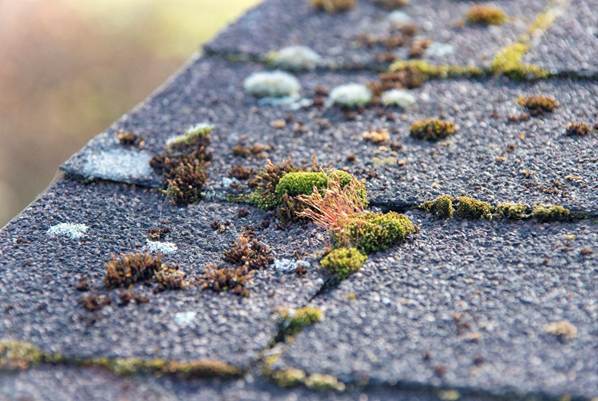
After Seattle's wet winter, inspect roof edges and roof-to-wall intersections for signs of moisture or drainage problems.
Look for:
- Water stains: Dark streaks or discoloration on both siding and gutters can indicate recurring runoff from gutters or moisture exposure.
- Algae or mildew: Growth in damp areas may signal prolonged moisture or poor drainage.
- Peeling paint or soft trim: These can indicate repeated moisture exposure or deterioration.
- Damaged flashing: Check for loose, bent, or deteriorated flashing. This can allow water to flow down the siding instead of into the gutter.
Check gutters and downspouts: Look for winter damage, leaks, loose sections, clogs, and overflow. Make sure downspouts direct water away from the siding and foundation.
Why gutters matter for siding
A clogged or damaged gutter can repeatedly dump water onto the same section of exterior wall. Over time, repeated moisture exposure can contribute to staining, paint failure, rot, and hidden damage.
Check Lower Siding and Foundation-Level Areas
The bottom portion of siding deserves extra attention after Seattle's long, wet winters. Months of frequent rain, cool temperatures, and limited drying time can leave lower siding and trim exposed to persistent moisture. Splash-back from rain, wet landscaping, soil, and mulch can make these areas especially vulnerable.
During your spring inspection, look for:
Rot
Soft, crumbling, or discolored wood can indicate moisture damage that may require further evaluation.
Algae or mildew
Green, dark, or fuzzy growth is common in damp, shaded areas and can indicate that the siding is not drying properly.
Soil or mulch touching the siding
Keep soil and mulch below the siding to reduce direct moisture exposure and improve drainage.
Persistent dampness
Areas that remain wet long after rain may have poor drainage, limited airflow, or water-management issues.
Water stains
Repeated staining near the bottom of the siding can indicate splash-back or runoff problems.
Insect activity
Look for pest damage, nests, holes, or other signs of activity around damp or deteriorated areas.
Keep the area clear: Maintain enough space around the siding for water to drain and for regular inspections. Pull leaves and debris away from the wall, and trim dense shrubs and vegetation back from the siding to improve airflow and help the area dry.
Clean Siding Gently
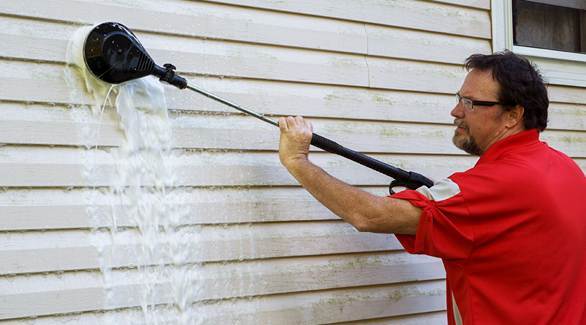
Spring is a good time to remove dirt, algae, mildew, and other buildup that accumulated during the wet, cold season.
For cleaning, use:
- A garden hose
- Mild cleaning solution (dish soap/white vinegar mixed with water) when appropriate
- A soft sponge, cloth, or brush
Make sure to spray water downwards and to clean from top to bottom to ensure cleanliness and to avoid water getting behind panels.
Important note
Never assume that recurring mildew is only a cleaning problem. If growth repeatedly returns in the same location, look for the underlying moisture source. It could be poor drainage, gutter overflow, vegetation, or a leak.
Summer Siding Maintenance: Use Seattle's Dry Season for Repairs
Seattle's drier summer weather provides a valuable opportunity to complete maintenance that requires clean, dry surfaces and adequate curing time.
Complete Maintenance That is Best in Dry Conditions
Siding damage should be addressed as soon as it’s identified, regardless of the season. However, Seattle’s drier summer weather provides a good opportunity to complete more extensive maintenance and exterior work that benefits from consistent dry conditions.
This may include repairing or replacing warped or deteriorated siding. Summer is also a practical time to schedule exterior inspections, complete caulking, touch-ups, and other maintenance projects that require adequate drying time.
Taking care of these issues promptly can help prevent them from becoming more extensive when Seattle’s wetter weather returns.
The goal: Address siding problems promptly and use the summer’s favorable conditions to complete more complex maintenance before the next wet season.
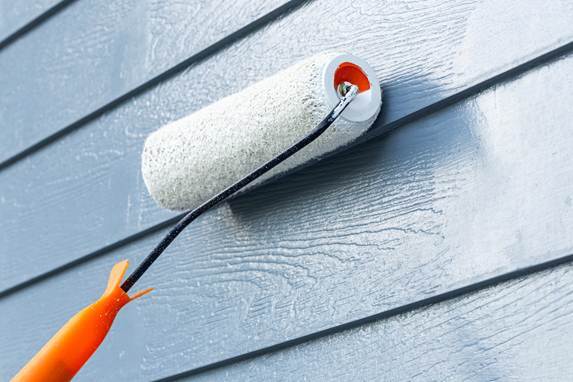
Repaint or Touch Up Siding
Seattle's drier weather provides better conditions for surface preparation, painting, and proper curing. Before the next wet season, inspect the finish for signs of wear and determine whether the siding needs a simple touch-up or more extensive preparation.
|
What to Look For |
What It May Indicate |
|
Chalking or fading: Powdery residue or faded color on the surface. |
The finish may be breaking down from weather exposure. |
|
Peeling or cracking: Flaking, cracking, or separating paint. |
Moisture exposure or failing adhesion. |
|
Blistering or bubbling: Raised areas beneath the paint. |
Moisture or adhesion problems. |
|
Small chips or scrapes: Minor, isolated surface damage. |
Often suitable for a localized repair and touch-up. |
|
Recurring paint failure: Paint repeatedly fails in one location. |
May indicate an underlying moisture or drainage problem that should be corrected first. |
When is a touch-up enough?
A small chip, scrape, nail hole, or isolated exposed edge may only require a localized repair and touch-up.
Widespread peeling, cracking, bubbling, or adhesion failure may indicate that more extensive repainting or replacement is needed.
Trim Vegetation Away from the Siding

Summer is a good time for Seattle homeowners to trim vegetation away from their siding before fall and winter.
As the weather becomes wetter and windstorms become more common, overgrown branches and dense landscaping can hold moisture against the exterior and increase the amount of leaves and debris collecting around the siding.
Branches and vegetation can:
- Rub against siding: Wind can cause branches to repeatedly scrape against siding and painted surfaces, leading to wear or damage.
- Trap leaves and debris: Falling leaves can collect against the siding, stay wet, and slow drying.
- Reduce airflow: Dense vegetation limits air circulation around the exterior, making it harder for siding to dry during Seattle's damp months.
- Hold moisture against the wall: Wet branches, leaves, and vegetation can keep siding and trim damp for extended periods.
- Hide damage: Overgrown landscaping can make it difficult to spot cracks, rot, loose siding, or deteriorated caulk during routine inspections.
- Create wind-related hazards: During Seattle's fall and winter windstorms, large or weak branches can break and strike the siding, trim, roof, or windows.
As a general rule of thumb, keep vegetation 2-3 feet away from siding.
Fall Siding Maintenance: Prepare for Seattle's Rainy Season
Fall is one of the most important times of year for Seattle siding maintenance.
The objective is simple: make sure your home is ready for months of rain before the wet season intensifies.
Clean Gutters and Downspouts
Seattle's fall leaves, needles, moss, and other debris can quickly collect in gutters and block water from draining properly.
Before heavy rainfall increases, clean out:
- Leaves and needles: Remove accumulated plant debris that can block water flow.
- Moss and dirt: Clear buildup that can restrict drainage and contribute to overflowing gutters.
- Other debris: Check for nests, small branches, and anything else obstructing the gutter or downspout
A functioning gutter system helps keep roof runoff from repeatedly soaking your siding.
Inspect For Heat Damage from the Summer Sun
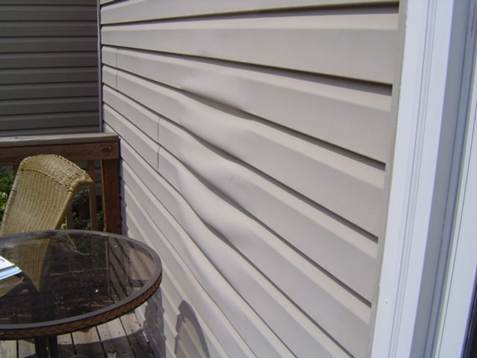
Summer heat and prolonged sun exposure can cause siding panels to expand, contract, or become distorted.
Pay particular attention to:
- Warped or buckled panels: Panels that no longer sit flat against the wall and are uneven or wavy.
- Loose or displaced panels: Siding that has shifted, pulled away from the wall, or no longer fits tightly with neighboring panels.
- Faded or discolored areas: Uneven fading can be a sign of prolonged UV exposure and may be more noticeable on south- or west-facing walls.
- Cracks or splits: Heat-related expansion and contraction can contribute to stress on already damaged or weakened siding.
- Damaged paint or finish: Look for blistering, peeling, or other changes to the finish that may have developed after months of sun and heat exposure.
Check sun-facing walls closely
South- and west-facing walls typically receive more direct sunlight, so inspect these areas carefully for heat and UV-related changes.
Remove Fallen Leaves Against the Exterior

Clear away leaves and other debris that are sitting directly against your home's exterior since wet leaves can hold moisture against siding, limit airflow, and slow drying.
We get it: if your home has a large tree that drops a lot of leaves in the fall, collecting every single leaf from your property can be time-consuming and unrealistic. You don't need to collect every leaf in your yard. Focus on removing leaves, mulch, soil, dense vegetation, stored materials, and other debris that are directly against the siding or foundation. This helps the exterior breathe and dry during Seattle's wet season.
The goal isn't a perfectly clean yard: It's simply to keep the area immediately around your home's exterior clear enough for the siding to breathe, dry, and remain accessible for inspection as Seattle's rainy season ramps up at this time.
Winter Siding Maintenance: Monitor Your Home After Major Storms

Winter siding maintenance in Seattle is less about performing major exterior work and more about monitoring your home after periods of heavy rain and wind.
When conditions are safe, check your home's exterior after a significant storm to catch new damage before it becomes a larger moisture problem.
Look for:
Gutter overflow
Water spilling over the sides can indicate clogs, drainage problems, or damage.
Detached downspouts
Make sure downspouts remain connected and direct water away from the home.
Loose or displaced siding
Wind can loosen damaged or poorly secured panels.
New stains or discoloration
Dark streaks or wet spots may indicate water is repeatedly reaching the siding.
Bent or displaced flashing
Damaged flashing can create pathways for water to enter behind the siding.
Broken branches
Remove branches that have fallen against the siding or other parts of the home when it’s safe to do so in order to prevent siding from being scratched or dented.
Interior warning signs
New leaks, damp walls, bubbling or peeling paint, and musty odors can indicate that moisture has entered the home.
If you notice water intrusion: Contain the water if possible, move or protect affected belongings, and begin safe drying as soon as possible. If the source is not obvious or the moisture continues, have the area professionally evaluated.
Prioritize safety: Avoid climbing onto wet roofs or using ladders during wind and rain. If exterior damage is non-urgent, wait for a safe, dry weather window to inspect and address it.
A Simple Seasonal Siding Maintenance Checklist
.jpg?width=666&height=942&name=Seasonal%20Siding%20Maintenance%20Checklist%20(1).jpg)
If you don't have time for a detailed inspection every few months, focus on the highest-priority tasks.
Signs Your Siding May Need Professional Attention
Routine maintenance can address minor siding issues, but persistent or recurring problems may require professional attention. If you continue to see moisture stains, rot, warping, loose siding, or other damage after cleaning or making DIY repairs, the underlying cause may not have been addressed.
When an issue keeps coming back, don't continue treating the symptoms. Have the exterior evaluated to identify the source and determine the appropriate repair.
Protect Your Siding Before Small Problems Become Bigger Repairs

Seattle's wet climate makes siding maintenance an ongoing process. The most important goal isn't simply keeping siding clean; it's preventing small issues from developing into major damage that requires extensive repair and bills.
Regular inspections and appropriate maintenance can help preserve your siding’s appearance and performance for years to come.
Seeing rot, soft spots, recurring moisture stains, or other siding problems that can’t be fixed with maintenance?
Pacific Exteriors can have one of our team members come out and inspect your home’s exterior to help you understand what may be happening and recommend next steps.
Ready to take a closer look at your home's exterior?
Contact Pacific Exteriors today to schedule a free, no-obligation estimate. We'll help you evaluate your siding and discuss options based on your home's condition, your goals, and your budget without unnecessary pressure or upselling.
Frequently Asked Questions
How often should Seattle homeowners inspect their siding?
Seattle homeowners should inspect their siding at least twice a year, ideally in spring after the wet season and in fall before heavy rainfall returns. Additional inspections after major storms can help identify new damage early.
What is the best time of year to clean siding in Seattle?
Spring is generally a good time to clean siding because it removes dirt, algae, mildew, and other buildup accumulated during the wet season. Cleaning during a dry-weather window also gives the siding time to dry properly.
What siding maintenance should be done before winter?
Before winter, clean gutters and downspouts, clear leaves and debris away from the siding, trim vegetation, and inspect for damaged siding, deteriorated caulk, and flashing problems. Addressing these issues before heavy rain can help reduce moisture-related problems.
Can I pressure wash my siding?
Pressure washing can damage some siding materials or force water behind siding if done improperly. A garden hose and appropriate gentle cleaning method are often safer options. Always follow the siding manufacturer's cleaning recommendations.
Why does mold or mildew keep coming back on my siding?
Recurring mold or mildew may indicate that the area is staying damp because of poor drainage, gutter overflow, dense vegetation, limited airflow, or another moisture source. Cleaning may remove the growth temporarily, but recurring problems should be evaluated to identify the underlying cause.
How do I know if siding damage is more than a cosmetic problem?
Damage such as widespread rot, soft or spongy areas, recurring moisture stains, persistent leaks, warping, or siding problems that return after DIY repairs may indicate an underlying moisture or installation issue. A professional evaluation can help determine the source and appropriate repair.
Does Seattle rain damage siding?
Rain alone does not necessarily damage properly installed and maintained siding. However, prolonged moisture exposure, poor drainage, wind-driven rain, damaged flashing, failed sealants, and inadequate water management can contribute to deterioration over time.
When should I replace siding instead of repairing it?
Replacement may be appropriate when damage is widespread, recurring, or affects the siding system beyond isolated areas. If problems continue despite cleaning or localized repairs, have the exterior evaluated to determine whether repair or replacement makes sense.
What should I do if I find water damage behind my siding?
If you suspect water is getting behind the siding, address the source rather than simply covering the affected area with caulk or new siding. A professional evaluation can help identify where moisture is entering and whether underlying materials have been affected.