

At a Glance: The 7 Warning Signs
Knowing when to replace your siding can help you avoid costly structural repairs. Common signs your home may need new siding include:
|
Warning Sign |
What It Usually Means |
Priority |
|
Cracks, Warping, or Buckling |
Moisture may be getting behind the siding |
High |
|
Rot or Soft Spots |
Wood decay has begun |
High |
|
Water Intrusion |
Moisture is entering the wall system |
High |
|
Mold or Mildew Keeps Returning |
Hidden moisture behind siding |
Medium-High |
|
Constant Repairs |
Siding may be at the end of its lifespan |
Medium |
|
Rising Energy Bills |
Air leaks and wet insulation |
Medium |
|
Storm Damage |
Openings allow future water intrusion |
High |
Recognizing these warning signs early can help you determine whether a repair is sufficient or if a full siding replacement is the best long-term investment for protecting your PNW home.
Your home's siding serves as the first line of defense against constant drizzle, wind, moisture, pests, and temperature fluctuations that are common throughout the Pacific Northwest, including Seattle, Woodinville, Portland, Salem, and surrounding communities.
As a result, these weather conditions can gradually wear down siding. While the damage often develops slowly, it isn't always visible from the outside, meaning a home that appears perfectly fine from the outside may actually be hiding serious issues beneath the surface.
Nonetheless, the challenge is knowing when your siding has reached the point where repairs are no longer enough.
Pacific Exteriors has helped thousands of homeowners across Washington, Oregon, and throughout the Pacific Northwest protect their homes with professionally installed siding systems designed to withstand the PNW’s unique climate. From older homes in Seattle and Tacoma to newer neighborhoods in Kirkland and Hillsboro, our team has seen firsthand how small exterior issues can quickly become costly structural repairs when left untreated.
In this guide, we'll help you identify the seven most common signs your home may need new siding, explain what causes each issue, discuss when repairs may still be an option, and show you how replacing failing siding can better protect your home against the Pacific Northwest's climate.
Why Pacific Northwest Weather Is Hard on Siding

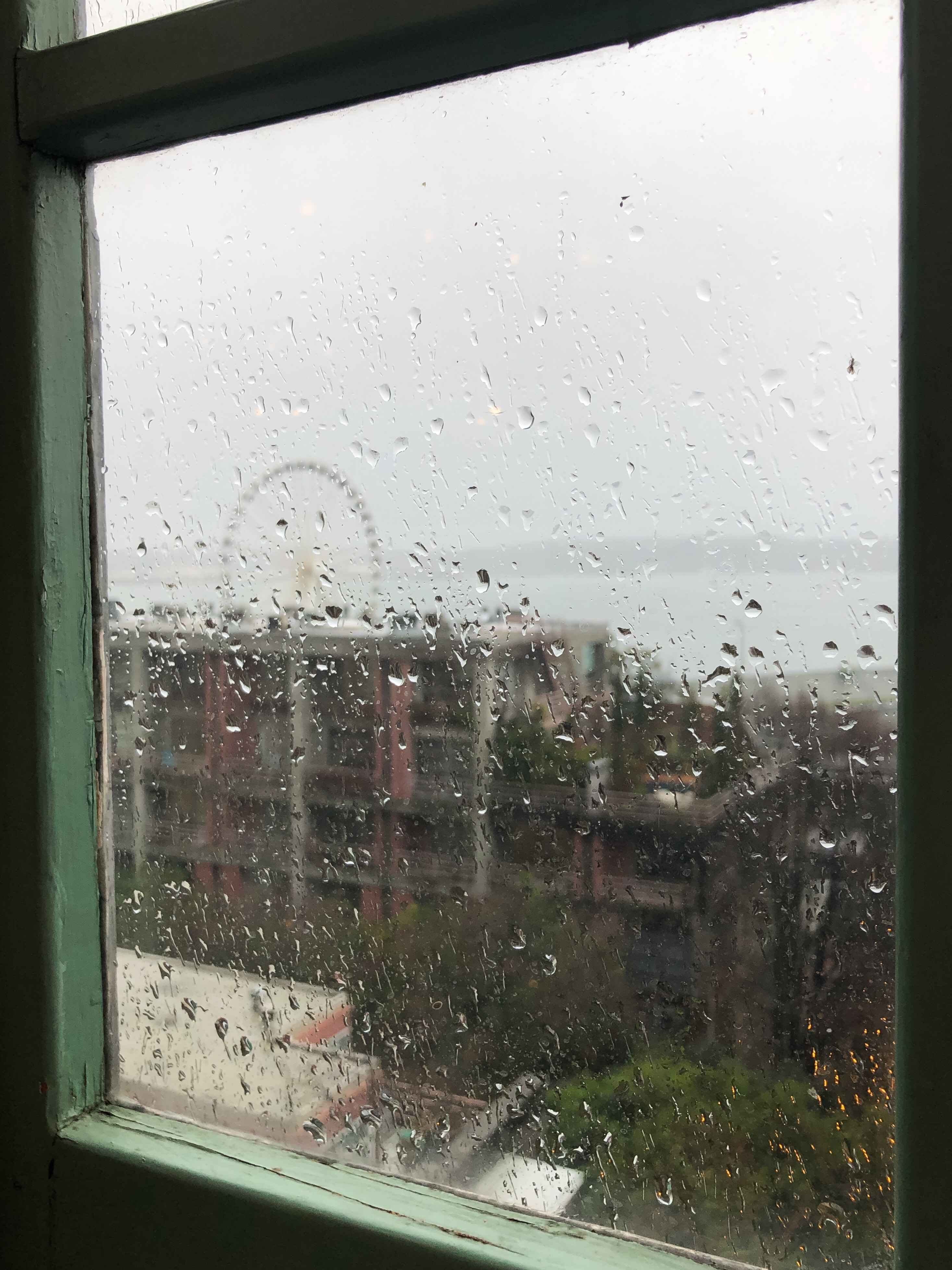
Unlike many parts of the United States that experience heavy storms followed by weeks of sunshine, homes throughout the PNW remain exposed to moisture for much of the year. From approximately October through May, frequent rain, high humidity, cool temperatures, and overcast skies leave siding with little time to fully dry.
Over time, this constant exposure can allow moisture to work its way behind the siding, where damage often develops out of sight. What begins as a small gap, failed seal, or cracked board can gradually lead to more extensive problems if left unaddressed.
Because these problems develop gradually, many homeowners don't notice them until repairs become much more extensive and expensive.
1. Cracks, Warping, or Buckling Siding
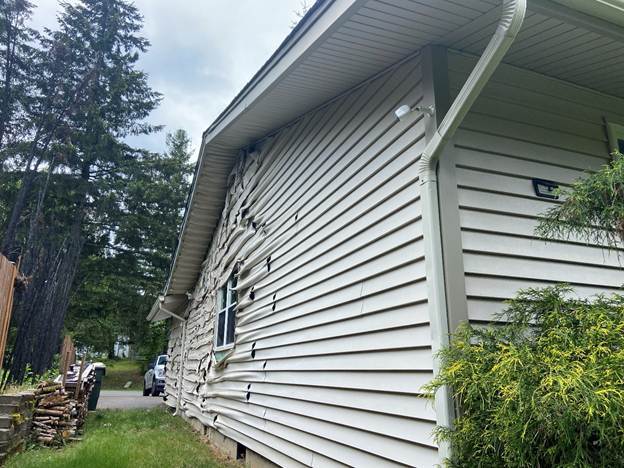
Small cracks may not seem concerning at first, but they often indicate that your siding is beginning to lose its ability to protect your home.
As materials age and endure years of exposure to the PNW’s wet climate, even minor cracks can widen over time, allowing moisture to penetrate behind the siding. Once water reaches the wall assembly, damage can continue long after the visible problem first appears.
|
What You See |
What It Could Mean |
|
Hairline cracks |
Aging siding |
|
Buckled boards |
Moisture behind siding |
|
Warping |
Water absorption |
|
Gaps between panels |
Expansion/contraction or installation issues |
In the PNW, cracked, warped, or buckled siding commonly results from:
Long-term moisture intrusion
Repeated exposure to rain and humidity causes siding materials to absorb moisture, weakening their structural integrity over time.
Improper installation
Incorrect fastening, insufficient expansion gaps, or poor flashing installation can place stress on the siding and allow moisture to enter behind it.
Natural aging
Years of weather exposure gradually reduce the flexibility and strength of siding, making it more prone to cracking and warping.
Expansion and contraction
Daily and seasonal temperature changes cause siding materials to expand and contract, which can lead to movement, gaps, and distortion over time.
Wind-driven rain
Strong winds can force water into seams, joints, and small openings that would otherwise shed moisture.
Heat exposure
Vinyl siding can warp when exposed to prolonged high temperatures or reflected sunlight from Low-E windows, while wood siding may swell during wet periods and shrink as it dries, leading to cracking, splitting, or cupping.
Even if only one section of your siding appears damaged, it's important to determine whether the issue is isolated or a sign of more widespread moisture damage. A professional inspection can identify hidden problems before they lead to costly repairs.
2. Rot or Soft Spots
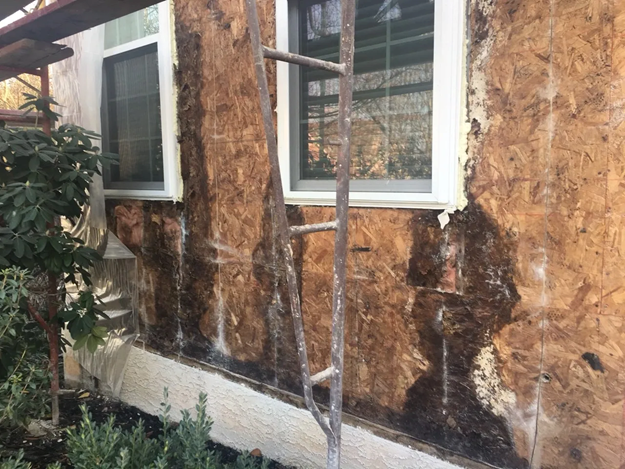
Wood rot is one of the most common issues siding contractors discover during siding replacement projects, especially in moisture-heavy climates like the PNW. While siding is designed to protect your home from rain and humidity, small failures in the exterior system can allow water to seep behind the surface and create the ideal environment for decay.
Unfortunately, rot often begins in areas homeowners rarely inspect. By the time soft spots, discoloration, or visible deterioration appear, moisture may have already affected the materials behind the siding.
Check these common areas where moisture damage often begins:
|
Common Location |
Why It Happens |
|
Around windows |
Failed flashing |
|
Around doors |
Water intrusion |
|
Under gutters |
Constant moisture |
|
Roof intersections |
Flashing failure |
|
Trim boards |
Water absorption |
- Windows and doors: Failed caulking, damaged flashing, and deteriorating trim can allow water to collect around window openings and door frames.
- Roof-to-wall intersections: These areas depend on proper flashing to redirect water away from the home and are common locations for hidden leaks.
- Exterior trim boards and fascia: Exposed edges and joints make trim more vulnerable to absorbing moisture over time.
- Areas beneath gutters: Overflowing or poorly directed water can keep siding and surrounding materials consistently damp.
Common warning signs of siding-related rot include:
Peeling or bubbling paint
Moisture trapped beneath the surface can cause exterior finishes to lift, crack, or deteriorate.
Dark discoloration
Stains or dark patches may indicate organic growth due to prolonged moisture exposure or developing wood decay.
Soft or spongy areas
Wood that feels weak or compresses easily when pressed may already be affected by rot.
Musty odors
Persistent smells near exterior walls can signal hidden moisture or mold growth behind the siding.
Cracking or splitting trim
Damaged trim can expose vulnerable areas and allow additional water intrusion.
Warped or separating siding boards
Movement between siding panels can create openings where moisture enters.
Rot rarely remains contained to one area. Once moisture penetrates behind the siding, it can spread into the sheathing, framing, and insulation, creating more extensive damage that requires repairs beyond the siding itself.
Addressing rot early can help prevent larger structural problems, reduce repair costs, and ensure your new siding is installed over a stable, protected surface.
3. Water Is Getting Behind Your Siding
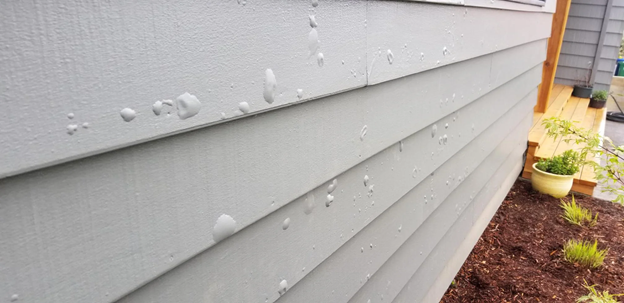
Visible water damage almost always indicates a larger issue is developing behind your siding. Siding is designed to shed rain and protect your home's exterior. Nevertheless, damaged materials, failed seals, or aging weather barriers can allow moisture to penetrate behind the siding and become trapped within the wall system.
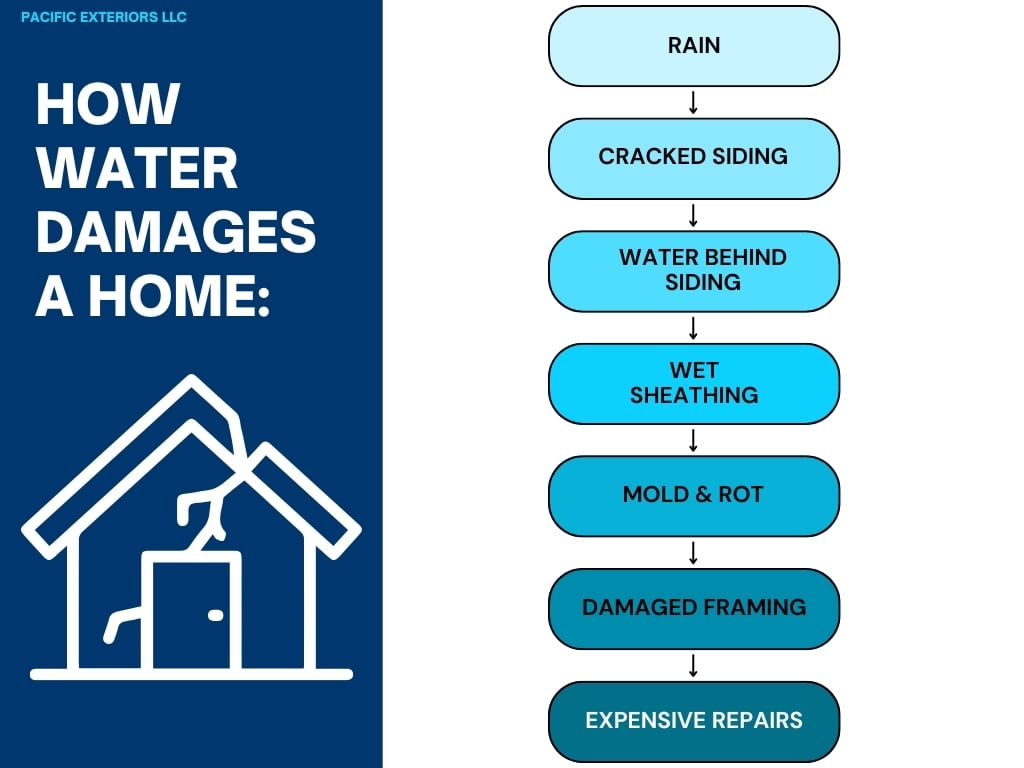
Once water enters behind the siding, it can continue spreading through the sheathing, insulation, and framing. Because much of this damage occurs out of sight, homeowners may not notice a problem until visible signs begin appearing on the exterior or inside the home.
|
If You Notice... |
It May Mean... |
|
Mold returns after cleaning |
Moisture behind siding |
|
Black streaks |
Organic growth from trapped moisture |
|
Musty smell |
Mold inside wall cavity |
|
Soft trim |
Rot has begun |
Signs of moisture intrusion include:
Water stains
Dark streaks, discoloration, or staining on siding and trim can indicate that water is entering or sitting behind the exterior surface.
Bubbling or peeling paint
Moisture trapped beneath paint can cause finishes to blister, peel, or separate from the siding material.
Warped siding
Panels that appear wavy, swollen, or uneven may be absorbing moisture or losing their structural stability.
Loose or separating panels
Siding that pulls away from the home can create openings where additional rainwater can enter.
Mold or mildew growth
Persistent moisture creates conditions where mold and mildew can develop on exterior surfaces or within wall cavities.
Interior drywall damage
Water that travels beyond the siding system can lead to stains, soft spots, cracking, or deterioration on interior walls.
Musty smells
A persistent damp or earthy odor may indicate hidden moisture, mold growth, or trapped water behind the siding.
Water damage is rarely resolved on its own. If moisture intrusion is left unaddressed, it can lead to deteriorated sheathing, damaged framing, reduced insulation performance, and more extensive repairs. Identifying the source of the problem early can help protect your home and prevent a minor siding issue from becoming a major structural concern.
4. Mold, Mildew, or Fungus Keeps Coming Back
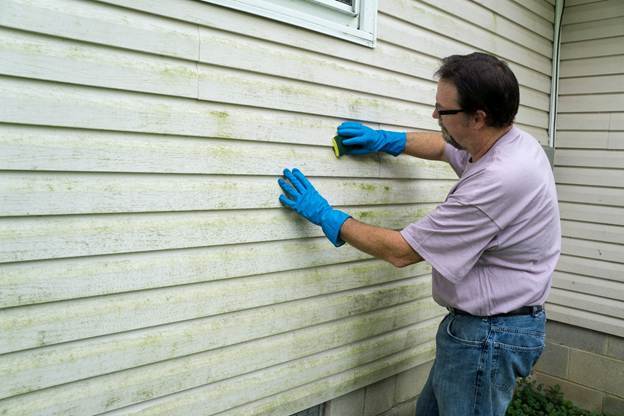
Some mildew on the exterior of your home isn't unusual. The PNW’s damp climate naturally encourages algae, mildew, and other organic growth, especially on shaded or north-facing walls that receive little direct sunlight.
However, if mold, mildew, or fungus repeatedly returns to the same area shortly after cleaning, it may indicate a deeper moisture problem. Rather than being caused by surface moisture alone, recurring growth can be a sign that water is becoming trapped behind the siding, creating the damp conditions mold needs to thrive.
|
If You Notice... |
It May Mean... |
|
Mold returns after cleaning |
Moisture behind siding |
|
Black streaks |
Organic growth from trapped moisture |
|
Musty smell |
Mold inside wall cavity |
|
Soft trim |
Rot has begun |
Watch for these warning signs:
Mold returning after cleaning
Recurring growth in the same location often suggests an underlying moisture issue rather than a surface stain.
Buckled or warped siding
Distorted panels can indicate moisture has penetrated behind the siding and affected the materials underneath.
Soft or deteriorating trim
Wood trim that feels soft or shows signs of decay may be absorbing excess moisture.
Bubbling or peeling paint
Paint that loses adhesion often signals moisture trapped beneath the surface.
Persistent musty odors
A smell near exterior walls can indicate hidden mold or moisture inside the wall assembly.
Black staining near windows, doors, or seams
Dark discoloration around joints and openings may indicate repeated water intrusion.
Under the right conditions, mold can begin growing within 24 to 48 hours after moisture becomes trapped inside a wall cavity. As moisture persists, the damage often extends beyond the siding itself.
Long-term moisture exposure can contribute to:
- Wood decay: Damp framing, sheathing, and trim can gradually rot and lose structural strength.
- Poor indoor air quality: Mold spores can affect the air inside your home if growth spreads into wall cavities. This can pose a health risk in terms of respiratory health and even cognitive health, especially for children, the elderly, and people with chronic illnesses.
- Damaged insulation: Wet insulation loses much of its insulating value, reducing your home's energy efficiency.
- Structural deterioration: Ongoing moisture intrusion can weaken the wall system and lead to more extensive repairs.
Replacing damaged siding can eliminate recurring mold problems, but lasting results depend on identifying and correcting the source of the moisture during the replacement process. Addressing failed flashing, damaged weather barriers, improper installation, or drainage issues helps ensure the new siding can protect your home as intended.
5. You're Constantly Painting, Caulking, or Making Repairs
Routine maintenance is expected.
Constant maintenance is not.
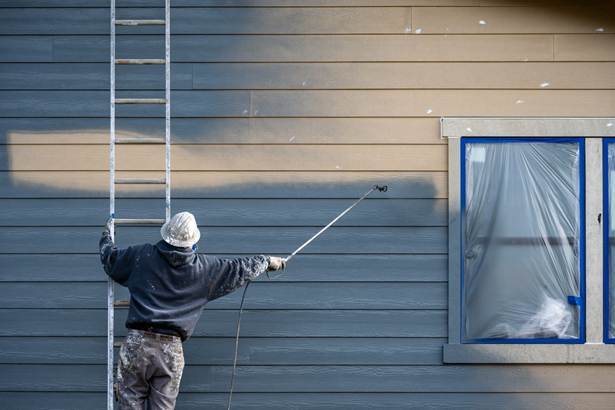
If you find yourself repainting, recaulking, replacing trim, or repairing the same sections of siding every few years, it may be a sign that the siding has reached the end of its useful life. While these repairs can temporarily improve your home's appearance, they often address the symptoms rather than the underlying problem.
|
Storm Damage |
Why It Matters |
|
Loose siding |
Water entry point |
|
Cracked panels |
Exposed sheathing |
|
Bent flashing |
Moisture intrusion |
|
Fallen branches |
Hidden structural damage |
Repeated maintenance often indicates:
Moisture infiltration
Water is finding its way behind the siding, causing ongoing damage that surface repairs can't resolve.
Aging siding materials
Years of exposure to rain, UV rays, and temperature changes gradually weaken the siding's ability to protect your home.
Failed paint adhesion
Paint that repeatedly peels, blisters, or flakes may indicate excess moisture or deteriorating siding beneath the surface.
Compromised underlying materials
Rotten sheathing, trim, or other underlying materials can prevent repairs from lasting.
Natural wear and tear
Over time, siding naturally expands, contracts, and weathers, making it more susceptible to cracking, warping, and other recurring issues.
Eventually, repeated repairs begin costing nearly as much as replacement while providing only temporary solutions.
A new siding system can reduce long-term maintenance costs, improve energy efficiency, better protect your home from moisture, and provide longer-lasting performance in the PNW's demanding climate.
6. Your Energy Bills Continue to Rise

Many homeowners don't realize that failing siding can contribute to higher heating and cooling costs. While siding isn't the primary source of insulation, it plays an important role in protecting your home's building envelope from air and moisture infiltration.
As siding ages, gaps, cracks, loose panels, and deteriorating seals can allow outside air to enter and indoor air to escape. If moisture penetrates behind the siding, it can also reduce the effectiveness of the insulation inside your walls, making it more difficult to maintain a comfortable indoor temperature.
Signs your siding may be affecting your home's energy efficiency include:
Higher heating and cooling bills
Increased energy usage may indicate your home is losing conditioned air through gaps in the exterior.
Cold interior walls
Exterior walls that feel noticeably cold during winter can signal inadequate insulation or air leakage.
Drafts near windows or exterior walls
Breezes around windows, doors, or wall outlets may indicate gaps in the siding or weather barrier.
Uneven room temperatures
Rooms that are consistently warmer or cooler than the rest of the home may be experiencing heat loss through the exterior walls.
HVAC systems working overtime
Air leaks and reduced insulation performance can make it more difficult to maintain consistent indoor temperatures.
Modern siding systems, when paired with properly installed weather barriers and insulation, help improve your home's thermal performance while reducing air leakage.
By reducing air leakage and helping keep moisture out of the wall assembly, a professionally installed siding system can improve indoor comfort and increase energy efficiency.
While rising utility bills can have several causes, deteriorating siding is often an overlooked factor. Many homeowners notice more consistent indoor temperatures, fewer drafts, and improved comfort after replacing aging or moisture-damaged siding.
7. Your Home Has Experienced Storm Damage
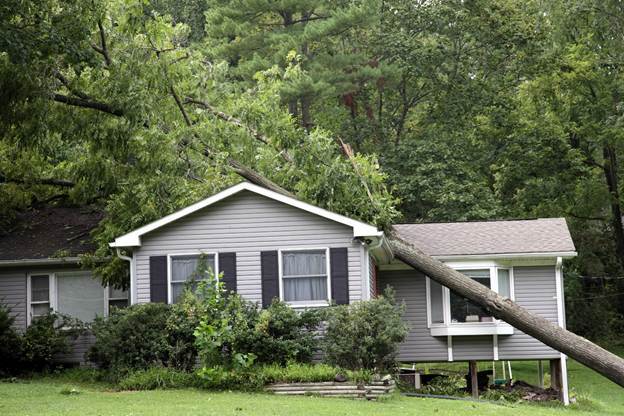
While PNW storms may not bring hurricanes or tornadoes, they can still take a significant toll on your home's exterior. Heavy rainfall, strong winds, fallen branches, and wind-driven debris can damage and loosen siding, which creates openings where moisture can enter the wall system.
Some storm damage is immediately visible, but other problems are far less obvious. Even a small crack, loose panel, or damaged piece of flashing can allow water to penetrate behind the siding, where it may continue causing hidden damage long after the storm has passed.
Common types of storm damage include:
Loose or cracked siding panels
Exposed areas leave your home's sheathing and framing vulnerable to direct moisture exposure.
Dented siding
Impact damage may compromise protective finishes or affect how panels fit together.
Deteriorated caulking and flashing
Damaged sealants or flashing around joints, windows, and doors reduce your home's ability to keep moisture out.
Signs of water intrusion
Staining, dampness, or moisture around exterior walls may indicate the siding system has been compromised.
If you've noticed one or more of these warning signs, don't wait until the damage becomes more extensive. A professional siding inspection can determine whether a targeted repair is sufficient or if a full replacement is the best long-term solution for protecting your home.
Protect Your Home Before Minor Problems Become Major Repairs

Small siding issues rarely stay small in the PNW.
The combination of persistent rain, humidity, wind-driven storms, and limited drying time allows moisture to spread quickly behind damaged siding.
The earlier problems are identified, the more options homeowners typically have and the more likely they are to avoid costly structural repairs.
At Pacific Exteriors, we've been helping homeowners throughout the PNW protect their homes since 2008. Our experienced team understands how the region's climate affects your home’s exterior and installs siding systems designed to withstand years of moisture, wind, and changing weather conditions. From thorough inspections to complete siding replacements, we focus on long-lasting solutions that improve durability, energy efficiency, and curb appeal.
Schedule your free siding inspection with Pacific Exteriors today to determine whether your home needs a simple repair or a complete siding replacement. We'll provide an honest assessment, explain your options, and help you protect your investment with confidence.
Topics: