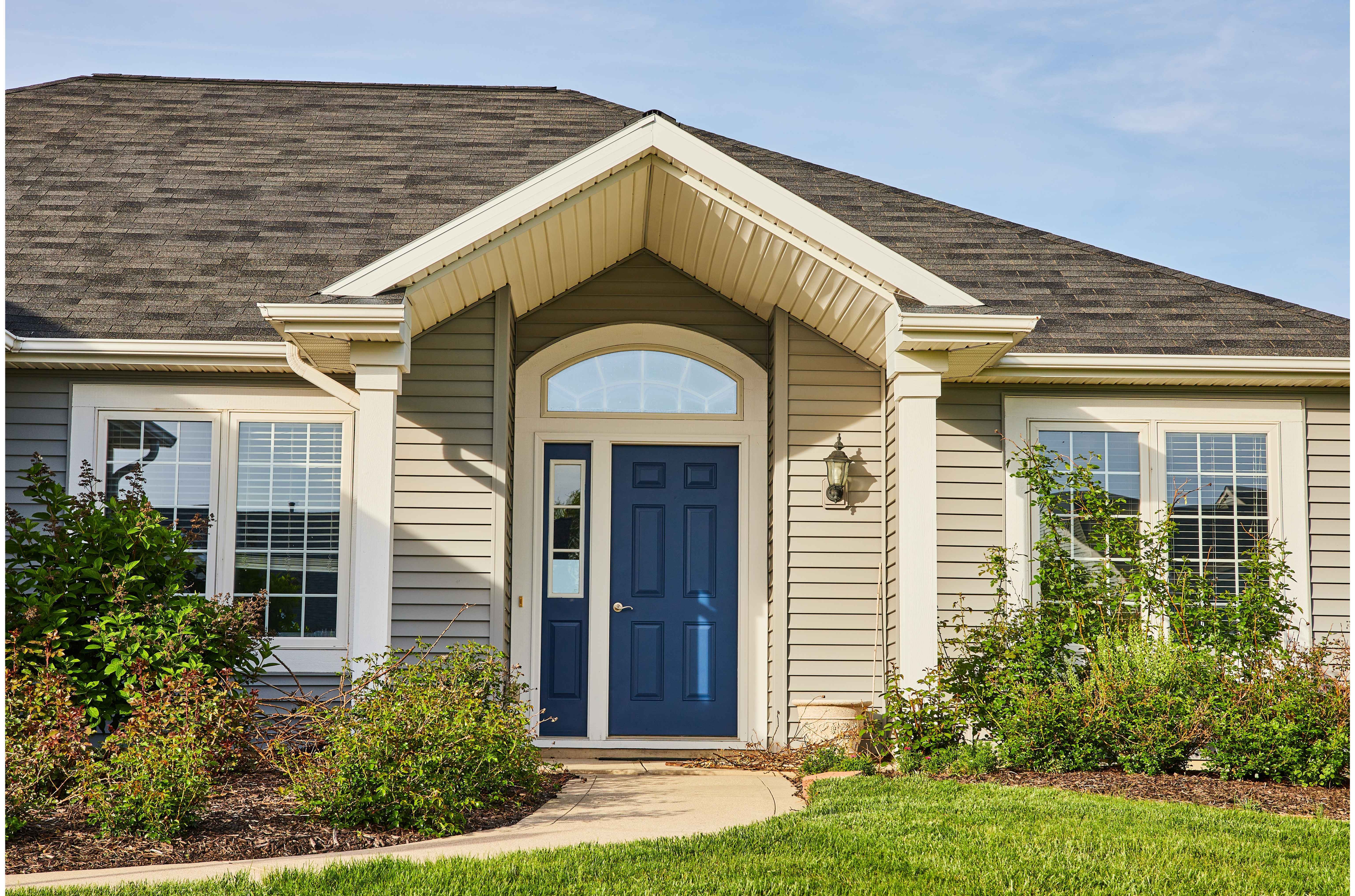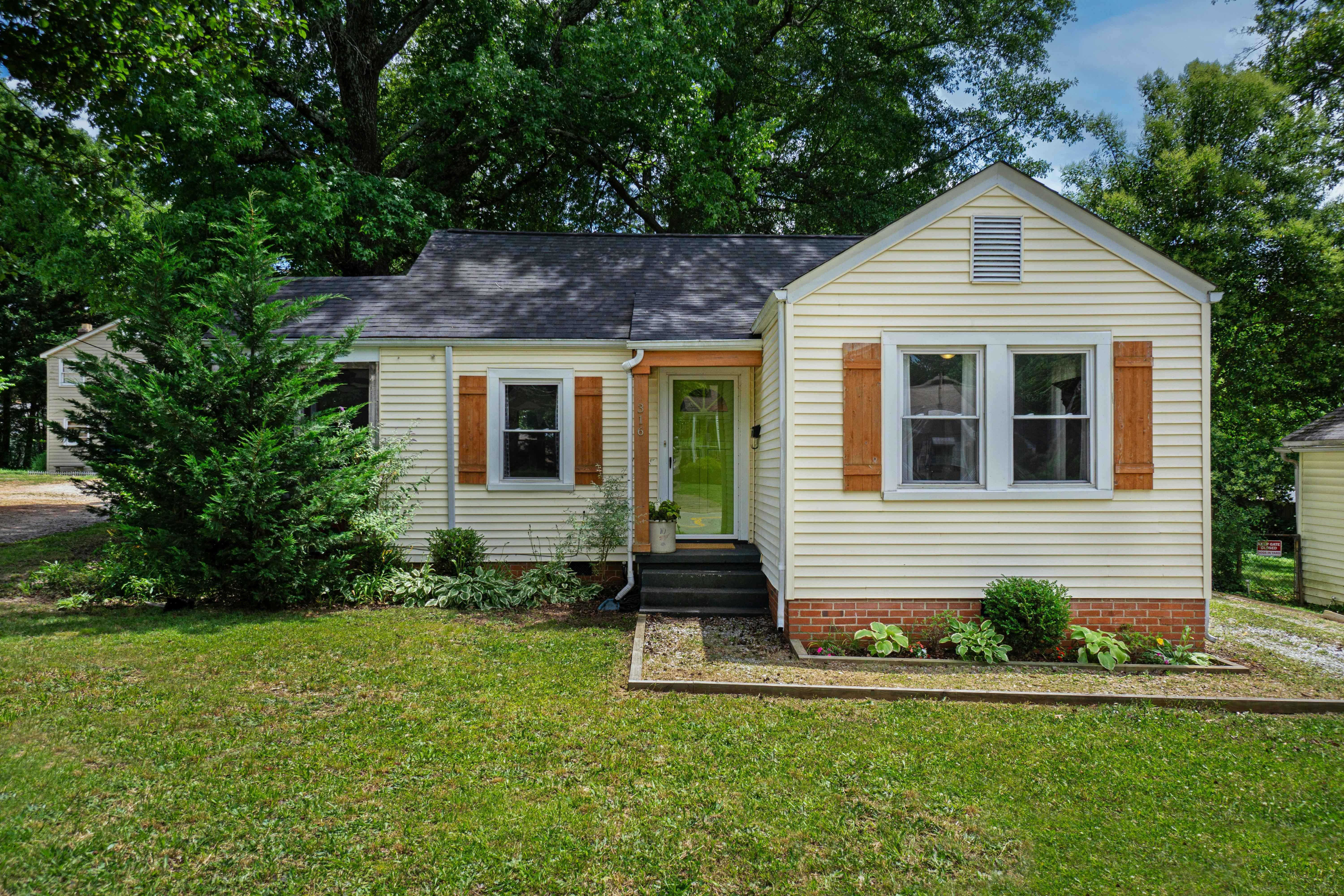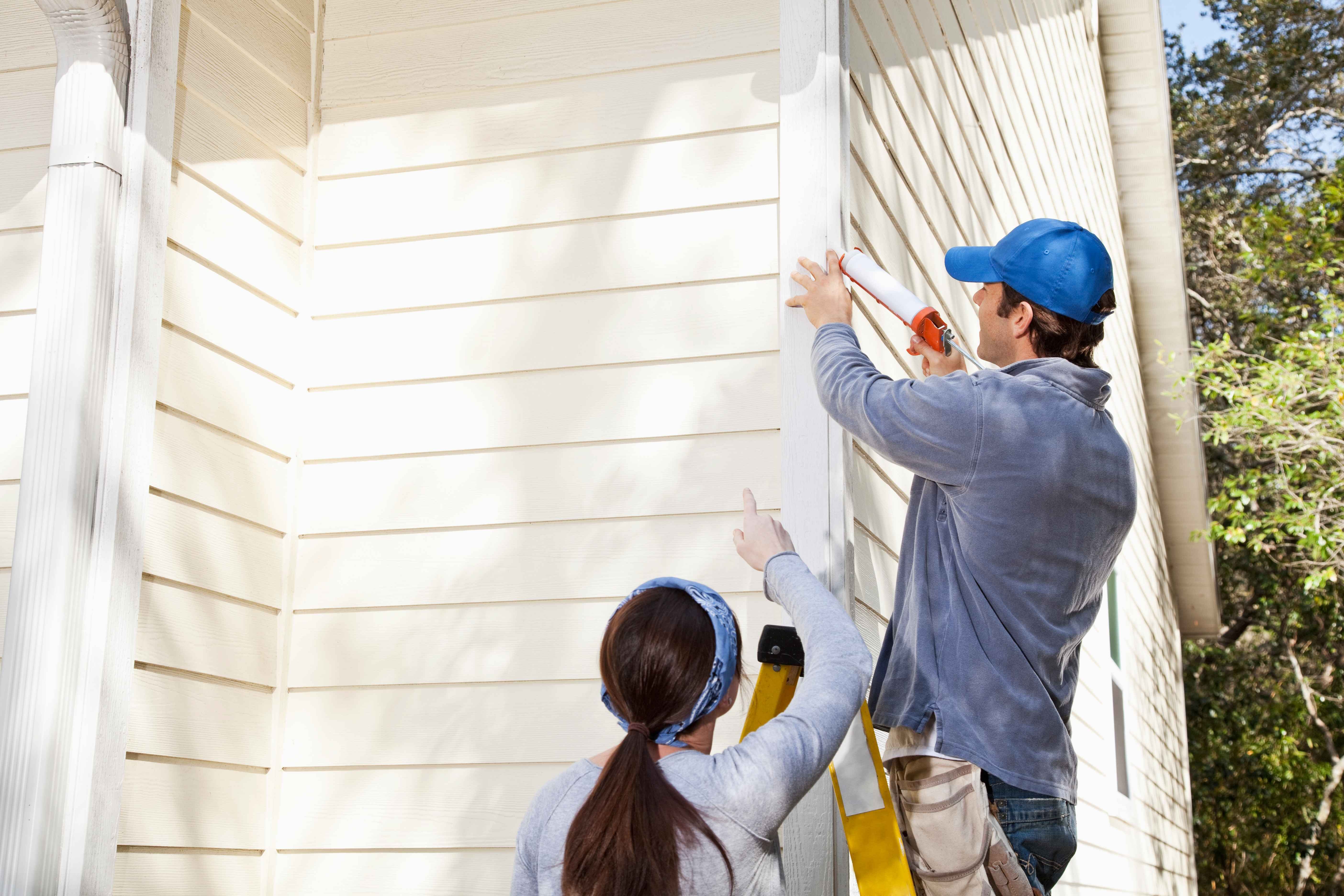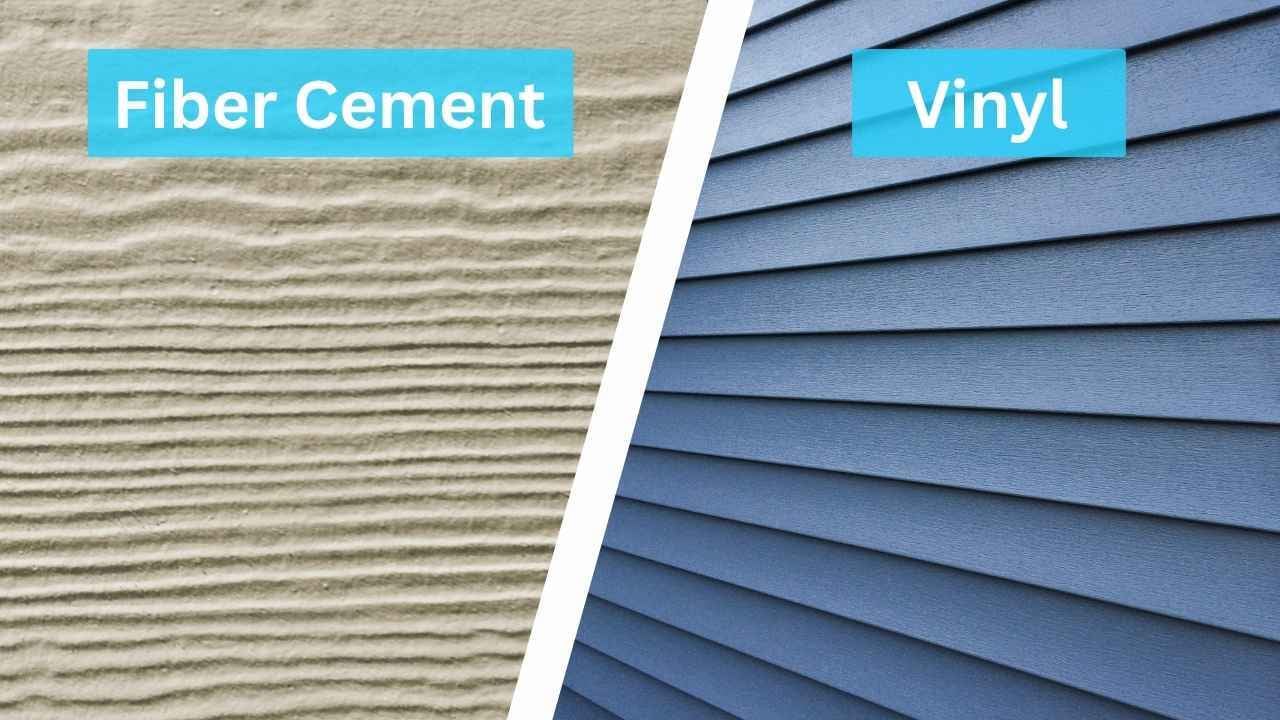


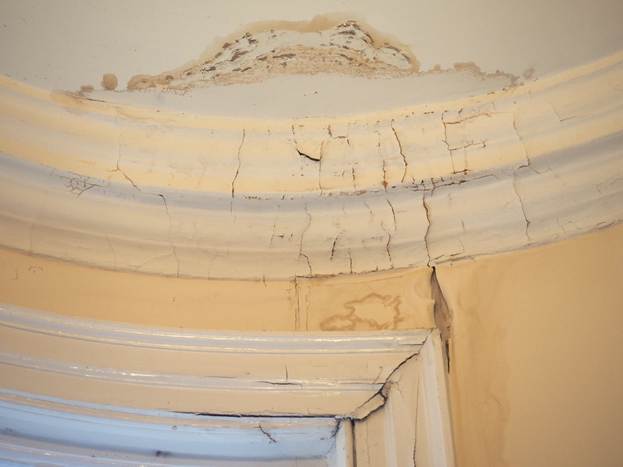
Portland's climate makes the city able to grow beautiful, lush greenery, but it's also one of the biggest threats to your home's exterior.
From months of constant rain and windstorms to seasonal temperature swings and hot summers, homes throughout the Portland metro area face unique conditions that can gradually wear down siding, roofing, windows, trim, and other exterior components.
At Pacific Exteriors, we've spent more than 15 years helping homeowners in Portland and the Pacific Northwest protect their homes from the region's challenging weather conditions. Our team has repaired and replaced thousands of siding and roofing systems, giving us firsthand experience with the damage Portland's climate causes, and more importantly, how to prevent it.
In this guide, we'll explain the most common exterior damage found in Portland homes, why it happens, how to identify it early, and what homeowners can do to prevent it.
Why Portland's Climate Is Tough on Home Exteriors

Portland’s marine warm-summer Mediterranean climate creates unique challenges for home exteriors. While the city’s mild temperatures and lush greenery make it a desirable place to live, the same conditions increase moisture exposure, accelerating wear on siding, roofing, trim, windows, and other exterior components.
For instance, nearly 90% of Portland’s annual rainfall occurs between October and May, creating a prolonged wet season where exterior materials can remain damp for days or weeks at a time. Unlike climates with heavy rain followed by long drying periods, Portland’s persistent drizzling rain, high humidity, and overcast conditions create ideal conditions for rot, mold, moss, mildew, and water intrusion.
Annual rainfall varies throughout the region, from approximately 35 inches near Portland International Airport to more than 60 inches in the West Hills. Homes surrounded by trees, located in shaded areas, or exposed to frequent wind-driven rain often experience even greater moisture-related risks due to slower drying times.
Exterior Damage at a Glance: Common Issues
Portland's rainy climate, high humidity, and seasonal storms expose homes to constant moisture, making exterior damage a common concern for homeowners. The most common problems include moisture intrusion, wood rot, mold and mildew growth, roof leaks, storm damage, clogged gutters, and deteriorating window trim. If left untreated, these issues can allow water to spread into your home's sheathing, framing, insulation, and other structural components.
Fortunately, most exterior damage begins with small warning signs. Regular inspections, routine maintenance, and prompt repairs can help prevent minor issues from becoming costly structural repairs.
Common Exterior Damage in Portland Homes
Many homeowners don't notice exterior damage until it has already become an expensive repair. A small crack in siding, brittle caulking around a window, or a clogged gutter may seem insignificant. But in Portland's climate, these minor issues often allow moisture to spread behind your home's exterior, leading to wood rot, mold growth, damaged insulation, and structural deterioration.
While some exterior issues are easy to spot, many problems develop behind siding, under roofing materials, or around windows and trim where they remain hidden until significant damage occurs.
Siding Damage
Your siding is your home’s first line of defense against Portland’s wet climate, wind-driven rain, humidity, and seasonal temperature changes. Over time, constant moisture exposure, UV rays, and weather fluctuations can weaken siding materials and create opportunities for water intrusion, rot, mold growth, and structural damage.
Common causes of siding damage include poor drainage, failed caulking or flashing, storm exposure, aging materials, and improper installation.
Moisture Damage Behind Siding
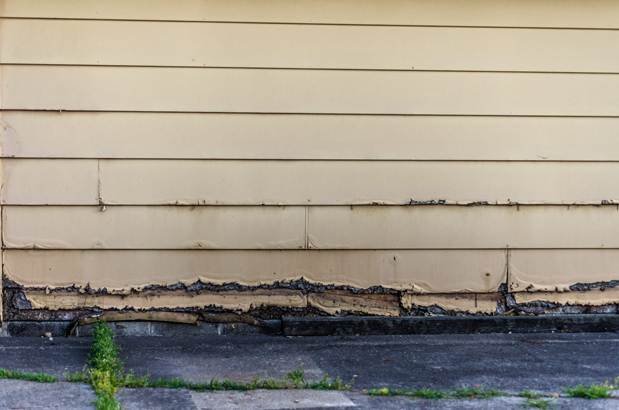
Moisture intrusion is one of the most common siding problems in Portland homes. Water can enter behind siding through small failures in the exterior system and remain trapped, leading to damage that affects the weather barrier, sheathing, insulation, and framing.
Common causes of moisture damage include:
- Failed caulking and flashing: Cracked caulking, missing seals, or improperly installed flashing can allow rainwater to enter around siding joints, windows, and doors instead of directing it away from the home.
- Damaged siding panels: Cracks, holes, or deteriorated sections create entry points where Portland’s frequent rainfall can penetrate behind the siding.
- Poor installation practices: Incorrect fastening, improper overlap, or failure to follow manufacturer guidelines can prevent siding from effectively shedding water.
Warning signs of moisture damage:
- Peeling or bubbling paint
- Musty odors
- Soft, swollen, or warped siding
- Exterior staining
- Wood rot
Because many moisture issues occur behind the visible surface, homeowners often do not realize there’s a problem until significant damage has already developed.
Warping and Buckling
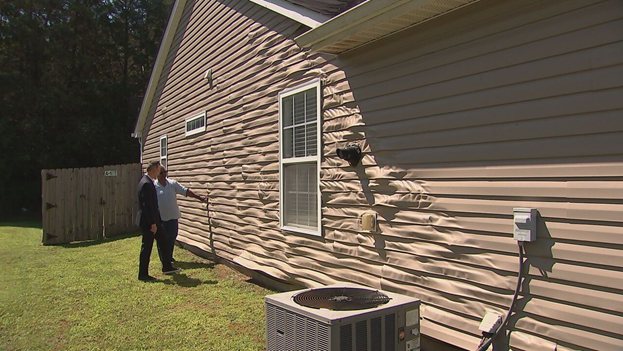
Common signs of warped or buckled siding include:
- Uneven siding: Panels that no longer appear straight or aligned may indicate moisture absorption or installation issues.
- Bulging sections: Raised or swollen areas often occur when siding absorbs water or when moisture becomes trapped behind the material.
- Buckled sections: Waves, bends, or ripples across siding surfaces can indicate the material has expanded beyond its ability to move naturally.
Cracked or Split Siding
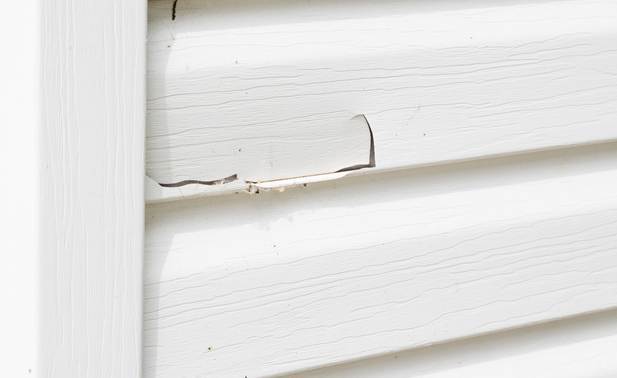
Common issues include:
- Cracks: Small surface cracks may seem minor but can expand over time and allow water to penetrate.
- Split seams: Separation along siding joints can create openings where rainwater can enter behind the siding.
- Open joints: Gaps between siding panels allow moisture, insects, and debris to enter the wall assembly.
These siding materials are especially vulnerable, including:
- Wood siding: Natural wood can absorb moisture, swell, crack, and eventually develop rot if not properly maintained.
- Vinyl siding: Vinyl siding tends to become brittle as temperatures fluctuate. This makes it more likely to crack, split, or become brittle during temperature changes or storms.
Mold and Mildew Growth
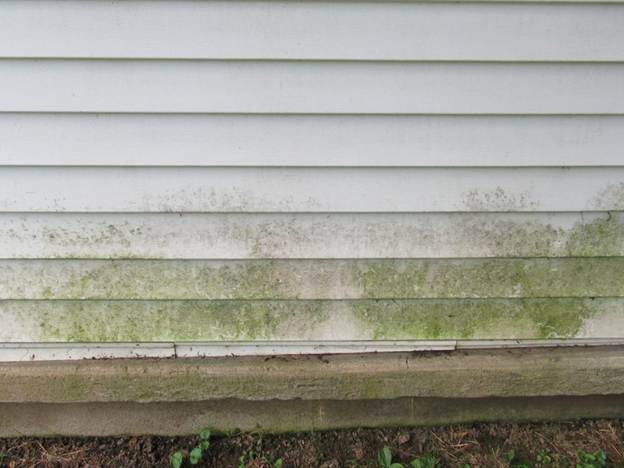
In Portland’s damp climate, where homes experience frequent rainfall and moderate humidity, siding may not have enough time to fully dry, increasing the risk of mold and mildew.
Common causes include:
- Poor drainage: Moisture can remain trapped against siding materials and create the ideal conditions for mold and mildew growth. Issues such as clogged gutters, improper grading, or landscaping placed too close to the siding can contribute to ongoing moisture exposure.
- Failed caulking or flashing: Damaged, missing, or improperly installed flashing or caulking can create openings where water enters behind the siding. This trapped moisture can lead to staining, mold growth, and damage to the wall structure over time.
Warning signs to watch for:
- Green or black growth: Visible mold or mildew can signal that moisture is consistently present on or behind the siding.
- Musty odors: Unusual smells near exterior walls may indicate hidden moisture problems developing behind the siding.
Loose or Missing Siding Panels
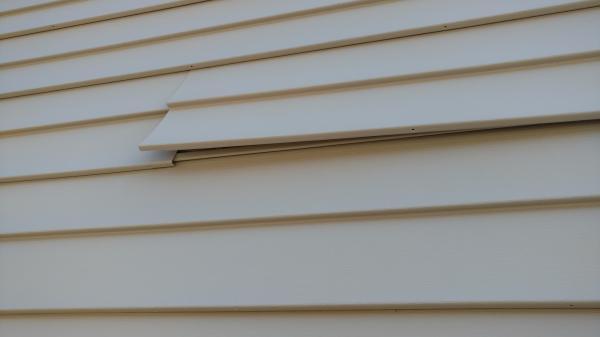
Even a small area of missing or loose siding can leave the home’s protective barrier exposed and create an entry point for moisture and pests.
Common causes of loose or missing siding include:
- High winds and severe weather: Strong gusts can pull siding panels away from the wall, especially if fasteners have loosened, were improperly installed, or have deteriorated over time.
- Poor installation practices: Incorrect fastening, insufficient overlap, or improper attachment methods can prevent siding from staying securely in place.
Even one missing siding section can expose the home to:
- Wind-driven moisture: Strong winds can force rain behind remaining siding and into areas that are difficult to dry.
- Insects: Creates openings where wood-eating pests can enter and cause additional damage to the siding system.
Roofing Damage
When roofing problems develop, water can quickly spread beyond the roof itself and impact other exterior components, including siding, windows, insulation, framing, and interior finishes.
Roof Leaks
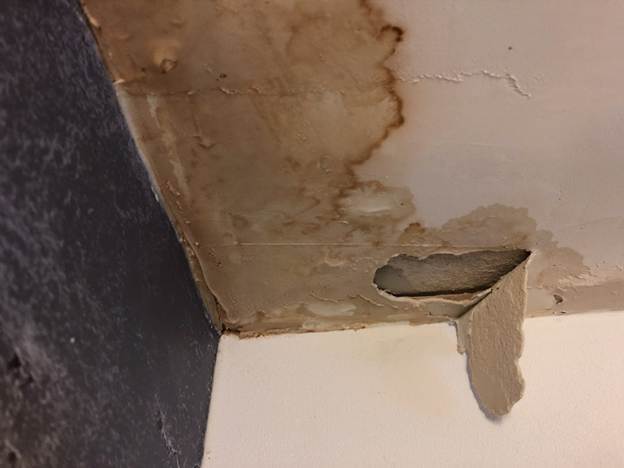
Roof leaks are one of the most common roofing problems and should never be ignored. Even a small opening in the roofing system can allow water to travel through the attic, insulation, and framing before any visible signs appear inside the home.
Common causes of roof leaks include:
- Missing or damaged shingles: Strong winds, aging materials, or physical damage can remove or weaken shingles, which create openings where water can enter.
- Lifted shingles: Shingles that are loose or raised by wind allow rainwater to move underneath the roofing system and may create water ponds instead of shedding away from the home.
- Damaged flashing: Flashing protects vulnerable areas around chimneys, vents, skylights, and roof edges. When flashing is cracked, missing, or improperly installed, water can penetrate these areas.
- Aging roofing materials: Over time, roofing materials lose their ability to resist moisture, making them more vulnerable to cracks, deterioration, and leaks.
- Poor installation practices: Incorrect installation methods, improper fastening, or inadequate sealing can reduce the roof’s ability to protect the home.
Warning signs of a roof leak include:
- Water stains on ceilings or walls
- Damp insulation or attic materials
- Peeling paint or bubbling drywall
- Musty odors inside the home
- Missing or damaged roofing materials
Storm and Wind Damage
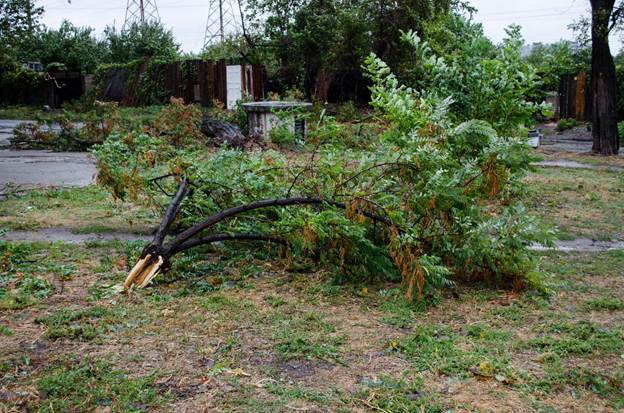
Common storm-related roof damage includes:
- Loose or missing shingles: High winds can lift shingles or remove them completely, exposing areas of the roof to moisture.
- Fallen branches and debris: Impact from trees or debris can puncture roofing materials, damage gutters, or create weak points in the roof system.
- Gutter and fascia damage: Heavy storms can loosen gutters, damage fascia boards, and prevent proper water drainage.
After major windstorms, homeowners should inspect visible areas of the roof or schedule a professional roof inspection to identify damage before it worsens.
Moss and Algae Growth
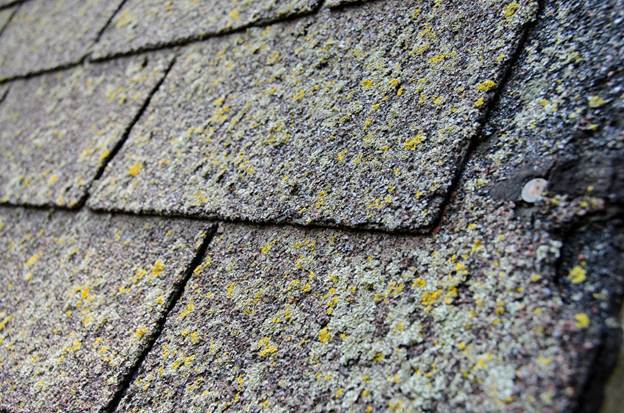
While moss may seem like a minor cosmetic issue, it can create long-term problems when left untreated.
How moss damages roofing:
- Traps moisture against shingles: Moss holds water against the roof surface, preventing materials from properly drying.
- Lifts roofing materials: As moss grows underneath shingles, it can separate them from the roof surface and create gaps where water can enter.
- Accelerates roof deterioration: Constant moisture exposure can shorten the lifespan of roofing materials and cause premature aging.
Gutter Overflow
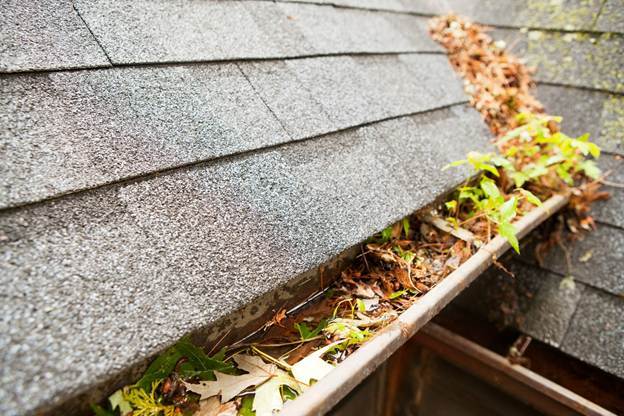
When gutters become clogged or damaged, water can overflow and collect in areas where it can cause serious damage.
Common causes of gutter overflow include:
Organic debris: Fallen leaves, pine needles, and branches can block water flow and prevent gutters from draining properly.
Shingle granules: Aging shingles naturally shed granules, which can accumulate in gutters and restrict drainage.
Overflowing gutters can lead to:
- Fascia rot: Constant water exposure can deteriorate the wood behind gutters and weaken the roof edge.
- Foundation erosion: When gutters fail to direct water away from the home, excess moisture can accumulate around the foundation and contribute to water intrusion and structural issues.
- Siding damage: Overflowing water can run down siding, cause staining, and allow moisture to enter behind exterior materials.
Cleaning gutters every fall and spring is one of the simplest ways to prevent expensive exterior repairs.
Window and Exterior Trim Damage
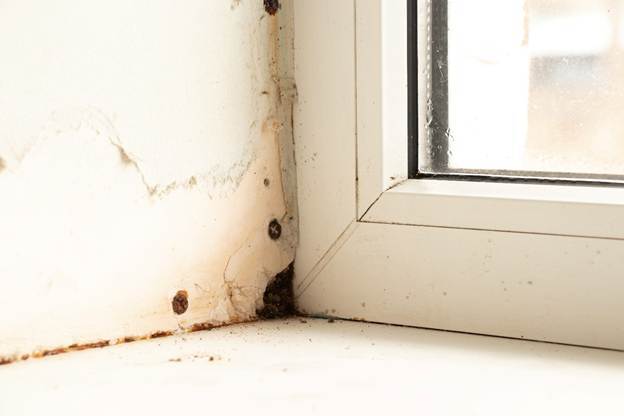
Windows and exterior trim are common areas for moisture intrusion because they depend on properly installed flashing, intact caulking, and effective drainage.
Common signs of window and trim damage include:
- Failed caulking: Cracked, shrinking, or missing caulk can allow water to enter around windows and doors.
- Flashing problems: Damaged or improperly installed flashing can trap moisture behind siding and window assemblies.
- Wood trim rot: Soft wood, dark staining, peeling paint, or crumbling corners may indicate moisture damage.
- Condensation damage: Excess moisture on windows can contribute to mold growth, damaged trim, and failing seals.
Preventing Exterior Damage
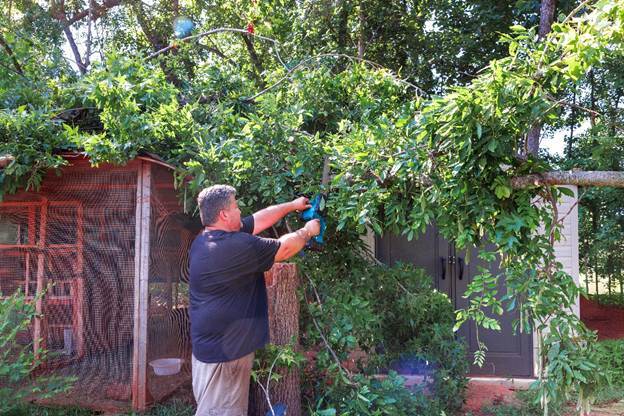
Routine maintenance is one of the most effective ways to protect your home from Portland’s wet climate. Small issues like cracked caulking, clogged gutters, or minor siding damage can quickly allow moisture to enter behind exterior materials and lead to more expensive repairs involving siding, roofing, insulation, or structural components.
Pacific Exteriors recommends homeowners regularly:
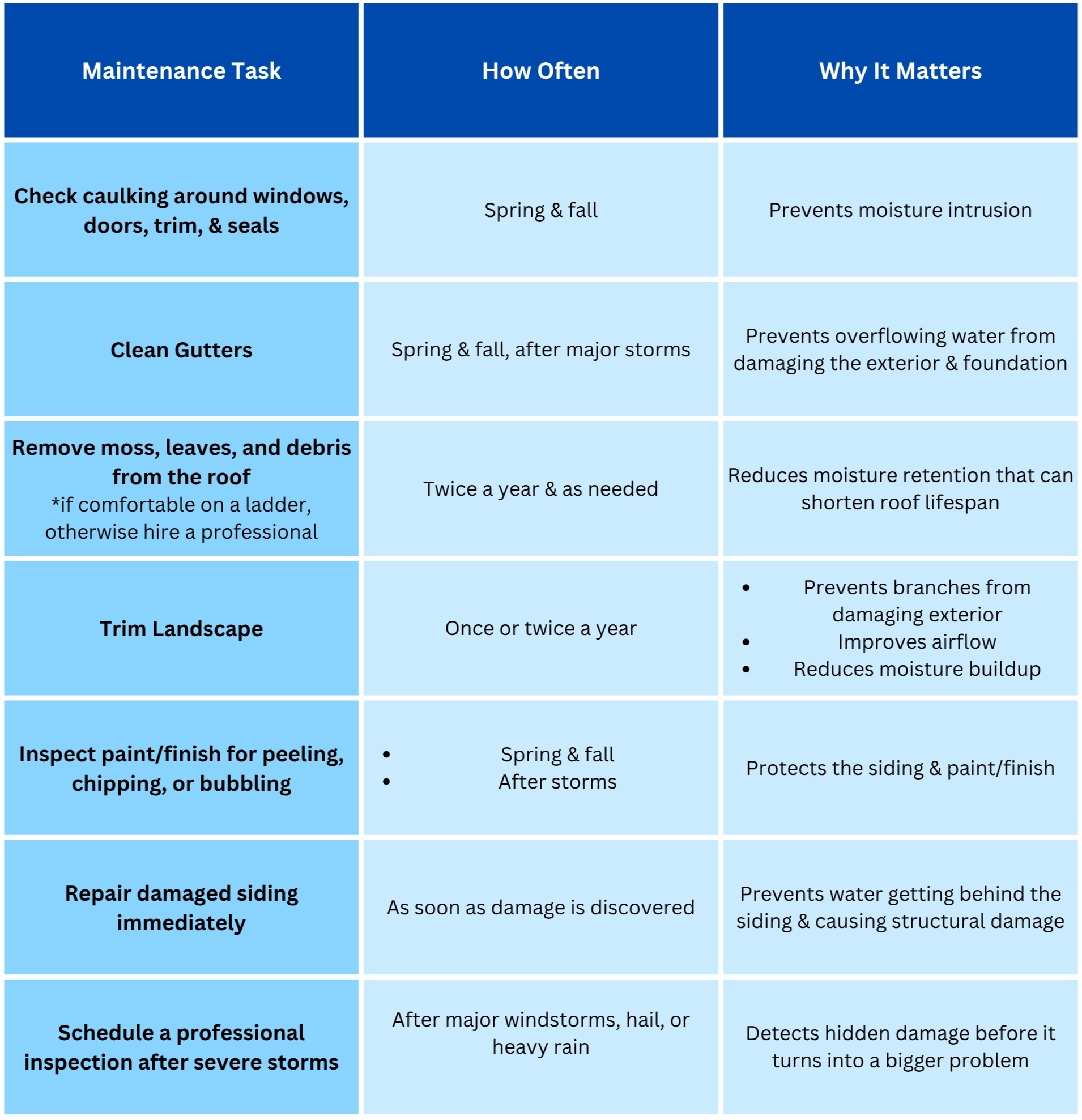
Small maintenance issues rarely stay small in Portland’s wet climate. Regular inspections and timely repairs help extend the lifespan of your home’s exterior and prevent costly damage.
Protect Your Portland Home with Pacific Exteriors

Living in Portland means your home experiences months of rain, wind, humidity, and moisture every year. While these conditions are part of life in the Pacific Northwest, they don't have to result in your home needing expensive repairs.
At Pacific Exteriors, we've helped homeowners throughout Portland and the Pacific Northwest protect their homes from moisture damage, siding deterioration, roofing problems, and hidden structural issues for more than 15 years. Our experienced team understands how Portland's climate affects every part of a home's exterior and provides long-lasting solutions designed specifically for the region.
Whether you've noticed damaged siding, roof leaks, deteriorating window trim, or simply want peace of mind before the rainy season begins, we're here to help.
Schedule your free exterior inspection today with Pacific Exteriors and let our experts identify small problems before they become costly repairs. Protect your home's value, improve its durability, and ensure your exterior is ready for Portland after the summertime.
Topics: