
If you're researching new siding for your home, you've probably discovered that there is no shortage of recommendations online. Some contractors and sites recommend fiber cement. Others push vinyl. Some homeowners swear by cedar, while others prefer engineered wood.
But what is actually the best siding for Washington State?
We get this a lot.
Since 2008, Pacific Exteriors has helped homeowners throughout Seattle, Bellevue, Bellingham, Portland, and communities across the Pacific Northwest protect their homes with siding systems designed specifically for regional weather conditions.
In this guide, we'll explain which siding materials perform best, what causes siding failures, and how to choose a solution that best suits your needs, stays in budget, and protects your home for decades.
Our Take: Fiber Cement is Best, But it’s Not The Only Good Option
For most homeowners in Washington, Oregon, and throughout the Pacific Northwest, fiber cement siding is the best overall siding choice. It consistently delivers the durability, weather protection, and long-term value that Pacific Northwest homeowners need.
Nonetheless, the best siding for your home ultimately depends on your priorities:
Fiber Cement (James Hardie): Best overall combination of durability, appearance, and value, but has a high initial cost.
Metal: Best long-term investment for homeowners prioritizing maximum lifespan and minimal maintenance. Nonetheless, metal siding is also prone to dents and scratches from heavy and sharp objects.
Cedar: Best choice for homeowners seeking a traditional Pacific Northwest aesthetic and natural wood appearance. However, it requires ongoing maintenance, including routine staining or sealing, to protect against moisture and weathering.
If you are wondering which siding material will perform best for your home and style, here are the best types of siding to consider for your home improvement:
Why the PNW Climate Is Hard on Siding

Unlike regions that experience occasional rainstorms, PNW homes face months of steady rainfall, high humidity, and seasonal temperature fluctuations. Typically, the PNW rainy season can last from October to May, which can create conditions that allow water to slowly find its way to vulnerable siding systems.
Honestly, we find that many homeowners underestimate how much moisture their siding is exposed to throughout the year.
Over time, moisture intrusion can lead to mold growth, wood rot, damaged sheathing, insulation problems, and expensive repairs that remain hidden until significant damage has already occurred.
With that in mind, picking the right siding can mean the difference between decades of protection and security, and costly repairs caused by moisture intrusion, mold, rot, or early structural failure.
Comparing the 3 Most Popular Siding Materials
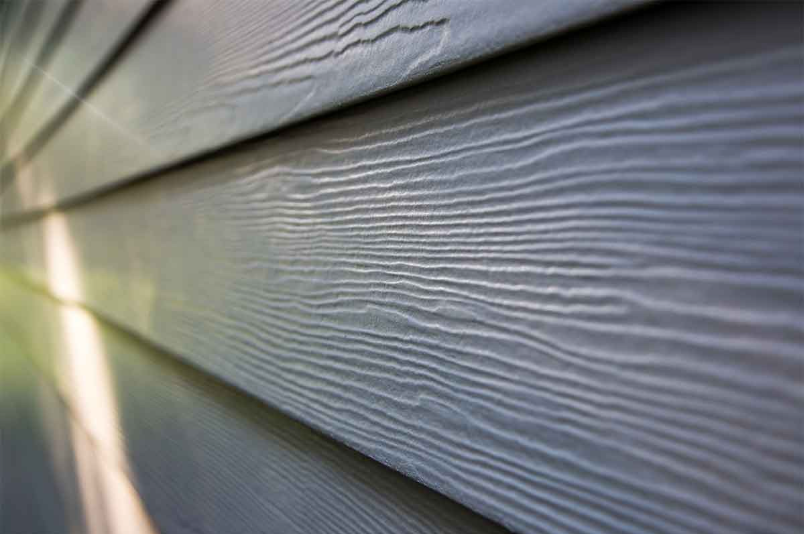
1. James Hardie Fiber Cement
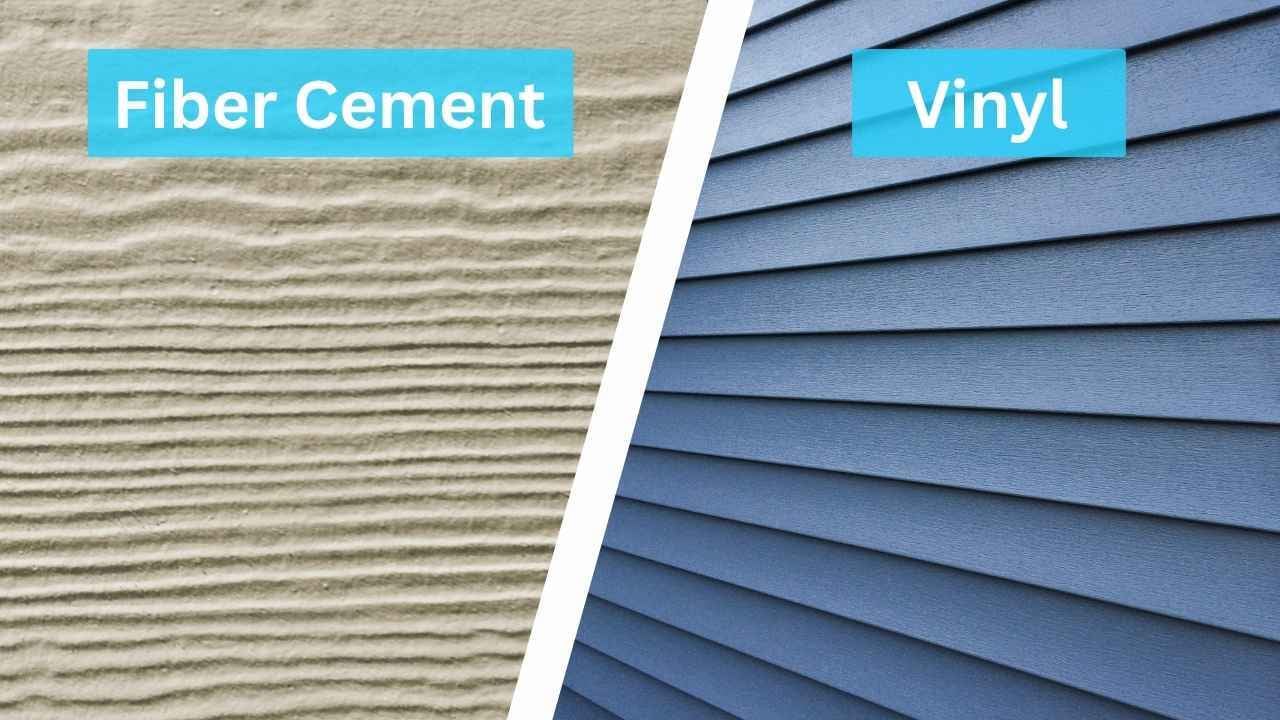
Fiber cement is composed of Portland cement, sand, water, and cellulose fibers, creating a product that withstands moisture and pests far better than traditional wood-based materials.
For most homes in the PNW, James Hardie fiber cement siding is the material Pacific Exteriors recommends most often. It consistently performs well in the PNW climate since it was designed to combat the many siding challenges homeowners face here.
Moreover, fiber cement does not absorb water in the same way as other siding materials tend to do. This significantly reduces the risk of swelling, warping, cracking, or rotting over time. For homeowners concerned about long-term durability, this is one of the biggest advantages of fiber cement siding.
Another major benefit is the long-term protection it provides. James Hardie products are backed by strong manufacturer warranties and are engineered to withstand harsh weather conditions common throughout the Pacific Northwest. Fiber cement is also non-combustible, making it one of the most fire-resistant siding options available today.
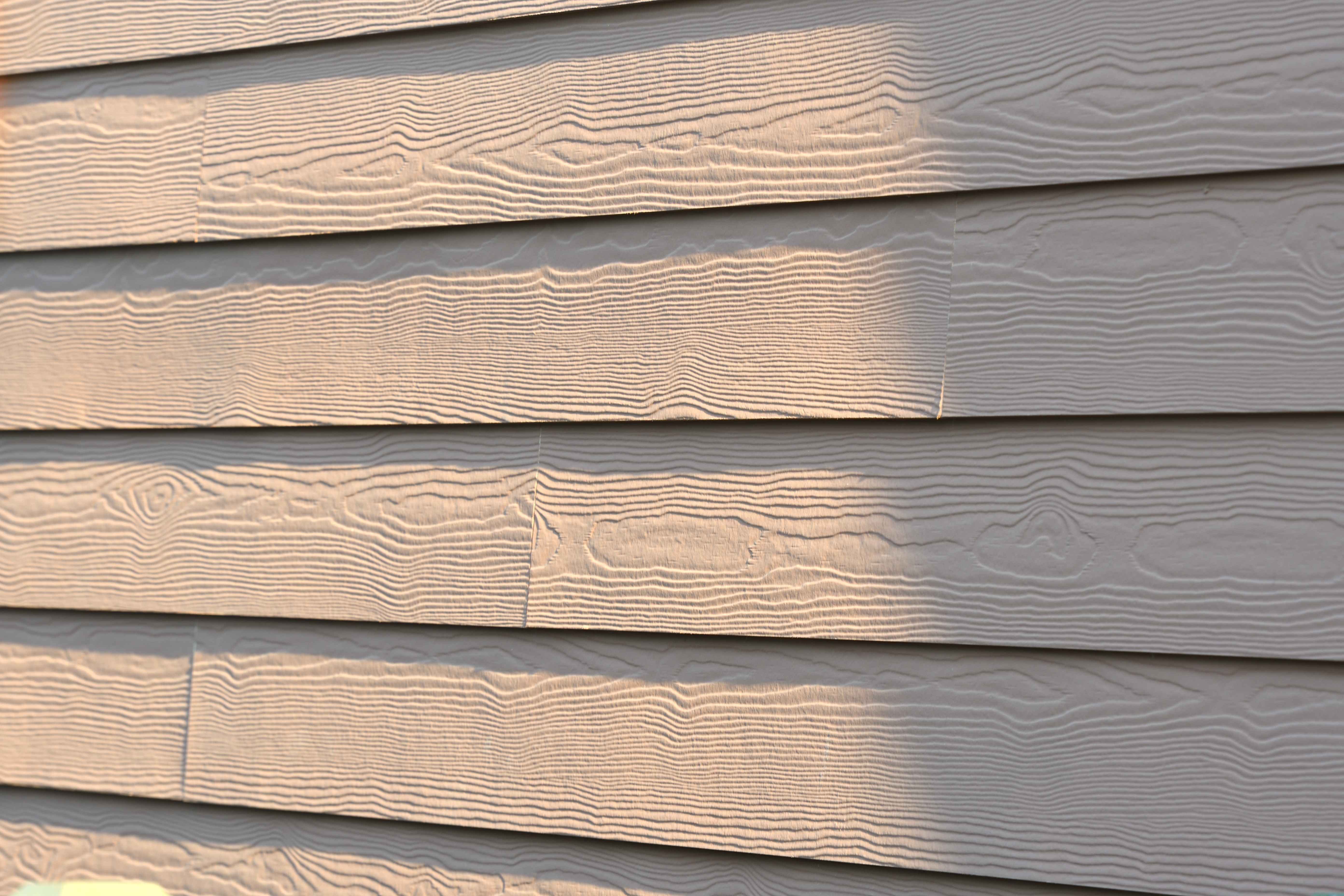
In addition to its durability, fiber cement siding offers impressive design versatility for homeowners who want both performance and curb appeal. It can be manufactured to mirror traditional wood lap siding, cedar shingles, board-and-batten designs, and other styles while offering much better durability and lower maintenance requirements. Indeed, homeowners can achieve the look of natural wood siding with cedar, but it comes with ongoing maintenance like regular sealing, staining, and inspections to protect it from moisture, weathering, and discoloration. In contrast, fiber cement options like James Hardie typically only require occasional washing to keep their appearance clean and well-maintained.
It should be noted that installation quality plays a major role in the long-term performance of fiber cement siding. Fiber cement and other premium siding products only perform as well as they are installed. Even budget-friendly siding material can outperform a premium product if it is installed correctly. Improper installation can allow water to penetrate behind the siding, leading to moisture-related damage and reducing the siding’s lifespan. We've even seen cases where newly installed siding needed significant repairs or replacement because it was installed incorrectly, causing sections to loosen, fail, or detract from the home's appearance.
Working with a qualified team, such as Pacific Exteriors LLC, a James Hardie Elite Preferred Contractor, helps ensure your siding performs as intended.
Benefits
Exceptional performance in wet climates: Resists swelling, warping, and deterioration that can affect other siding materials over time.
Rot and insect resistant: Not susceptible to rot, termites, wood-boring insects, or other pests that can eat away at your siding.
Low maintenance: Homeowners typically only need occasional cleaning rather than regular sealing, staining, or repainting.
Long manufacturer warranties: James Hardie provides a 30-year, non-prorated warranty, meaning the total protection of your siding is continuous and doesn’t decrease over time.
Wide variety of styles and colors: Has a broad range of factory-finished color options, textures, and finishes. Hardie also has a selection that replicates wood finishes like cedar shingles, board-and-batten designs, and more.
Highly fire-resistant: Is a non-combustible material that will not ignite when exposed to direct flames and extreme heat.
Potential Drawbacks
- High upfront cost
- Requires skilled installation
- Heavier material than many alternatives
Expected Lifespan
30–50+ years with proper installation and maintenance.
2. Metal Siding
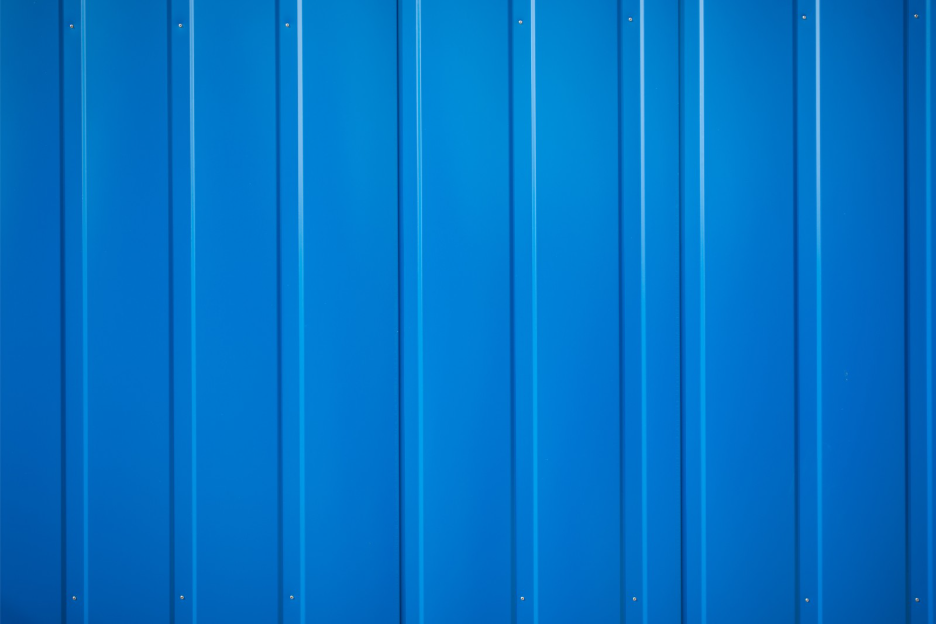
Today, many homeowners choose metal siding because of its exceptional durability, clean appearance, and minimal maintenance requirements.
One of metal siding's biggest strengths is its ability to handle moisture. Unlike wood-based products, metal does not absorb moisture, which relieves concerns about rot, warping, or pests.
It also performs remarkably well against extreme weather conditions and could be considered bulletproof. Strong winds, heavy rain, and temperature fluctuations generally have very little impact on properly installed metal systems. For homeowners who prioritize longevity above all, metal siding is one of the best investments available because of its outstanding 40–70 year lifespan.
Products such as Nu-Ray metal siding perform exceptionally well in wet climates because they are not susceptible to rot, insect damage, or moisture absorption. Additionally, Longboard aluminum siding provides a tasteful solution for homeowners seeking the look of wood. Its realistic wood-grain finish provides a warm, authentic appearance while preserving the durability, longevity, and weather resistance of metal siding. This allows homeowners to achieve a cozy, natural look rather than an industrial one.
Benefits
Incredible durability: Built to withstand years of exposure to harsh weather conditions.
Weather resistance: Performs well against heavy rain, wind, and temperature fluctuations.
Fire resistance: Non-combustible material helps improve overall home protection.
Low maintenance: Requires very little upkeep compared to many traditional siding materials.
Long lifespan: Can last for decades when properly installed and maintained.
Sustainable and recyclable: Commonly made from recycled steel or aluminum and can be recycled again when it eventually reaches the end of its lifespan.
Potential Drawbacks
- Higher installation costs
- Dents require replacement over repair
- Longer time to install
- Susceptible to corrosion/rust if protective coatings become damaged
- Industrial appearance may not fit every home style
Expected Lifespan
40–70 years with maintenance.
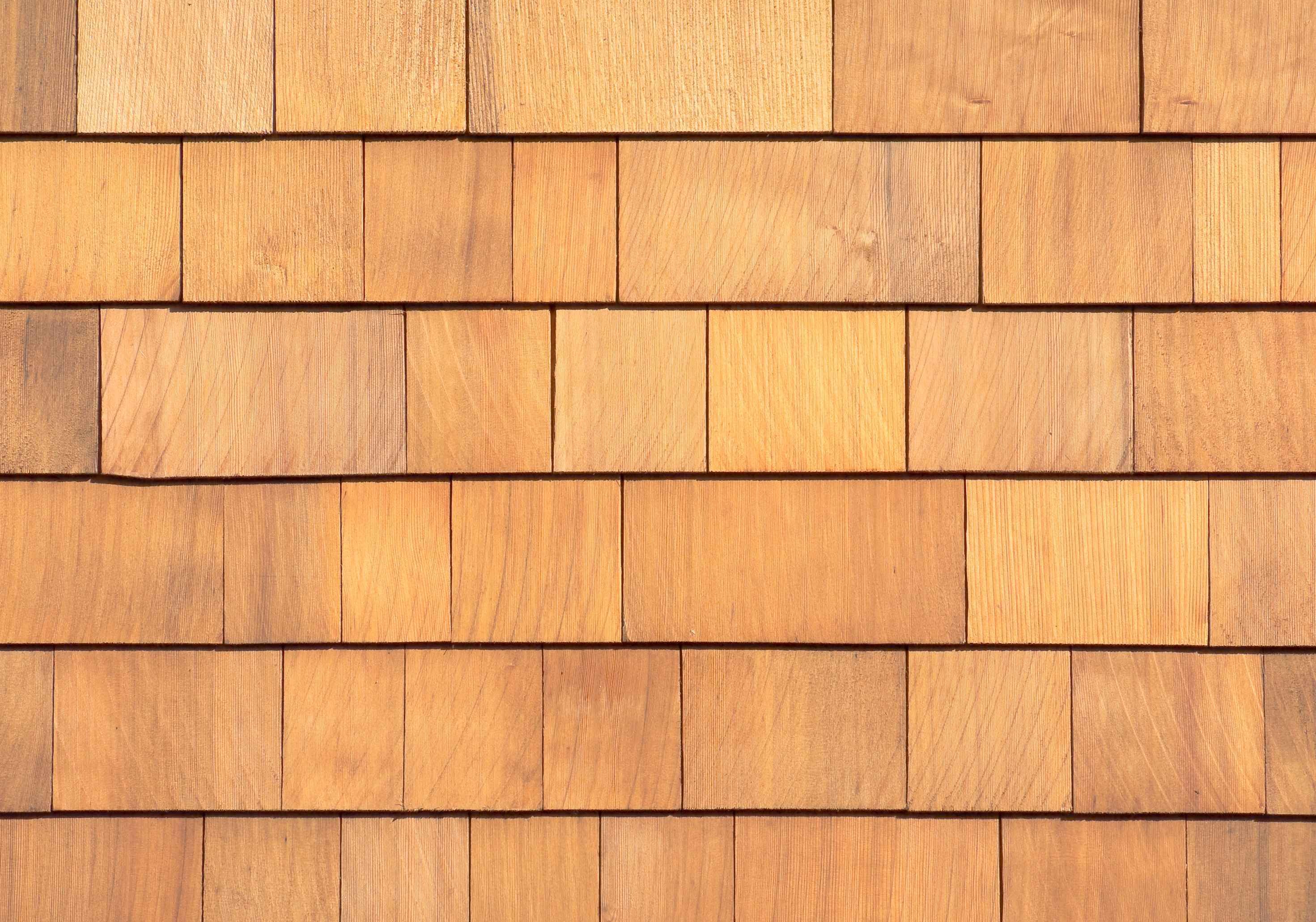
3. Cedar Siding
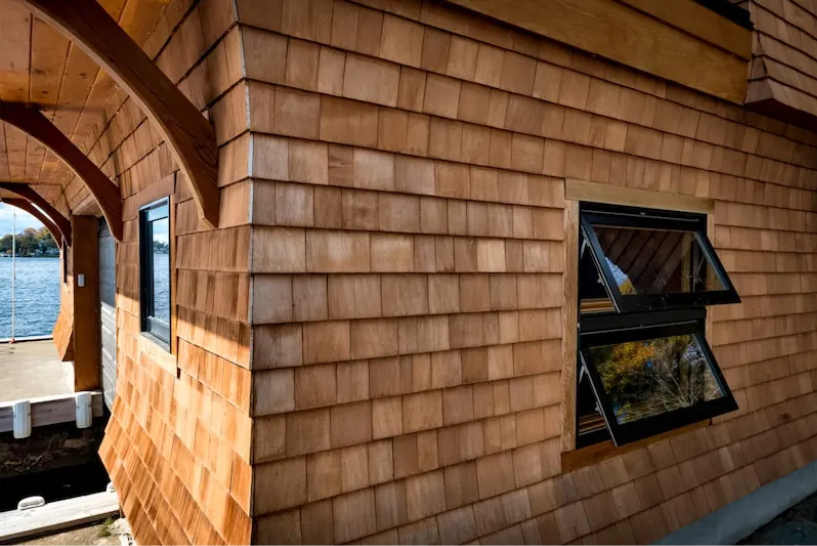
Cedar siding has been part of Pacific Northwest structures for generations. Many homeowners are drawn to cedar because of its natural beauty, warmth, and connection to the region's history.
Unlike many other wood types, cedar naturally contains oils that act as a shield against moisture, insects, and decay. This natural resistance is one reason cedar has remained popular in coastal communities despite harsh environmental conditions.
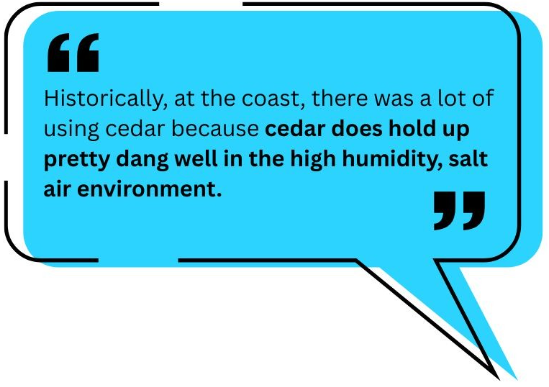
Many coastal homes continue to use cedar not only for its beauty and tradition, but also because it has a long track record of performing well in high humidity and salt-air environments, as it naturally withstands humid environments better than many other wood species.
For homeowners seeking a classic Pacific Northwest look, cedar is often the go-to choice. It offers distinct textures and natural character that many manufactured products attempt to replicate.
However, cedar requires a long-term commitment to maintenance. Over time, exposure to rain, UV rays, and changing temperatures can cause staining, fading, and deterioration if the wood is not properly protected. Regular sealing, staining, and inspections are necessary to maximize its lifespan and aesthetic appeal.
Benefits
Beautiful natural appearance: Offers a look that many homeowners associate with traditional PNW architecture. Its natural grain patterns and rich color variations create a distinctive look that manufactured materials often attempt to replicate.
The best insulation: Provides strong natural insulation that keeps your home cool during the summer months and warm during the winter. As a result, this can help your utility bills stay low.
Naturally resistant to decay: Contains natural oils and preservatives that help protect it from moisture, insects, and fungal growth.
Versatile design options: Can be installed in a variety of styles, which allows homeowners to achieve everything from a rustic cabin aesthetic to a more refined coastal design.
Renewable and biodegradable: Sourced from renewable forests and will eventually biodegrade. For environmentally conscious homeowners, it can be an appealing alternative to synthetic siding materials.
Potential Drawbacks
- Requires ongoing maintenance
- The most expensive
- Needs regular staining or sealing
- More vulnerable if maintenance is neglected
As Jeremy, Project Manager at Pacific Exteriors, explains:
Expected Lifespan
20–40 years with restaining every 5 years.
Siding Material Comparison
| Material | Cost | Durability | Moisture Resistance | Maintenance | Lifespan |
| Fiber Cement | $$$ | Excellent | Excellent | Low | 30-50+ years |
| Metal | $$$$ | Excellent | Strongest | Very low | 40-70 years |
| Cedar | $$$$$ | Good | Good | High | 20-40 years |
The Best Siding for Your Goals
Best Overall Siding
James Hardie Fiber Cement
For the majority of Pacific Northwest homeowners, fiber cement provides the best balance of durability, appearance, maintenance, and long-term value.
Best Long-Term Investment
Metal Siding
If you want siding that is made out of armor, then metal siding offers exceptional durability and weather resistance.
Best Traditional Northwest Look
Cedar Siding
Homeowners seeking natural beauty and classic Pacific Northwest character often prefer cedar.
Ready to Protect Your Home?
Siding is not just about looks and charm; it's your home's first line of defense against the elements.
At Pacific Exteriors, we help homeowners choose siding systems specifically designed for Pacific Northwest weather. Whether you're comparing fiber cement, metal, or cedar siding, our team can help you understand the pros and cons of each option and recommend the best fit for your home and budget.