
Georgia’s climate, especially in the Greater Atlanta area, creates one of the most demanding environments for exterior siding in the United States. Long humid summers, intense UV exposure, heavy rainfall, and seasonal storms all work together to test how well a home’s exterior can perform over time.
For homeowners comparing James Hardie fiber cement siding and vinyl siding, the decision often comes down to one question:
Do you want the lowest initial cost, or the best long-term protection?
At Pacific Exteriors, we help homeowners understand how different siding materials perform in real-world conditions so they can make a confident, long-term investment. After all, we’ve been doing this a long time — both in Georgia and in the Pacific Northwest. We’ve seen the pros and cons for all siding choices.
Here’s our take.
From Savannah to Atlanta: The Ultimate Defense Against Georgia Weather
For most homeowners in the Greater Atlanta area, James Hardie fiber cement siding is the better choice for long-term performance, durability, and value.
While vinyl siding offers a lower upfront cost, Georgia's intense climate can accelerate wear over time. These conditions can contribute to fading, warping, moisture-related issues, and increased maintenance requirements.
Why James Hardie fiber cement performs better in Georgia
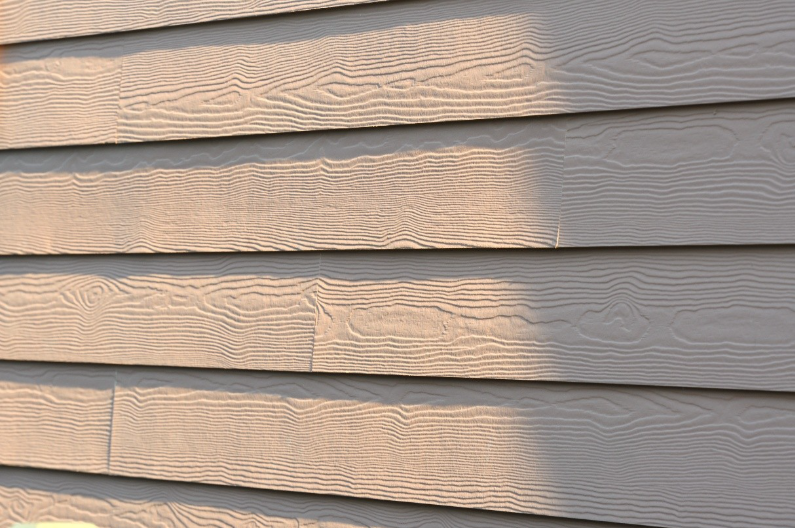
Fiber cement siding is manufactured to withstand harsh weather conditions and provides superior resistance to moisture, heat, pests, and storm damage. Moreover, it remains stable in extreme temperatures and delivers reliable long-term performance.
Long-term value: Although James Hardie siding requires a higher initial investment, its durability and lower maintenance leads to lower overall costs over the life of the home compared to vinyl siding. Ultimately, it’s a smarter long-term investment for Georgia homeowners.
Understanding Georgia’s Climate Challenges for Siding
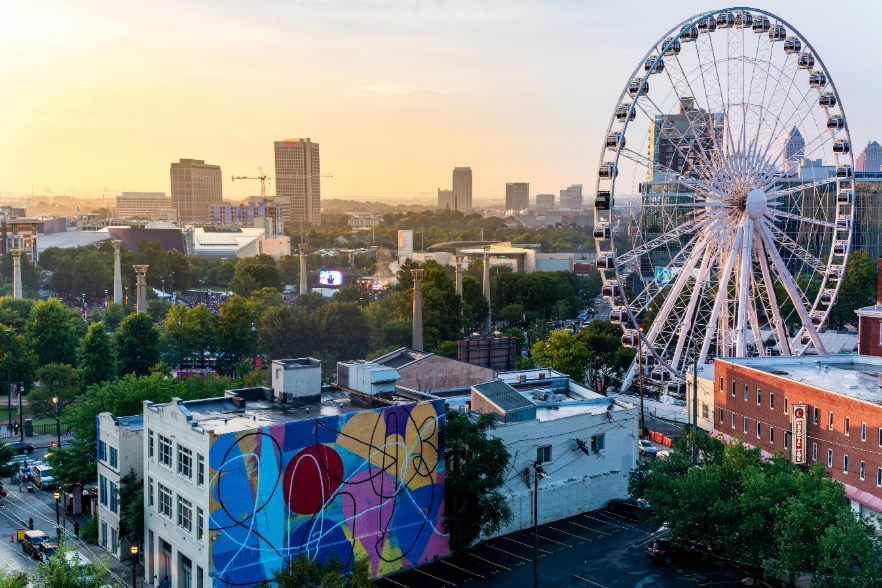
The Greater Atlanta climate is classified as humid subtropical, which means siding must withstand a combination of heat, moisture, and storm activity throughout the year. Georgia’s repeated wet-dry cycle combined with intense sun wreaks havoc on siding, especially for less durable siding materials.
In particular, homes in the more rural and heavily wooded areas surrounding Atlanta often experience even greater siding wear than homes closer to the city. These areas typically receive more rain and severe weather as storm systems move west to east from Alabama.
Key climate stressors include:
- Long, hot summers with intense UV exposure
- High humidity and frequent rainfall (50-60 inches annually)
- Severe weather, including thunderstorms, hail, strong winds, and occasional tornadoes
- Persistent pest activity, including termites, carpenter ants, and woodpeckers
These environmental pressures don’t just affect your home’s appearance; they can also directly impact structural performance, moisture management, and long-term durability of the home’s exterior.
Vinyl Siding and Georgia Weather: What to Expect
Vinyl siding remains a tempting siding choice for homeowners across the region primarily because of its low upfront cost, versatility, and fast installation.
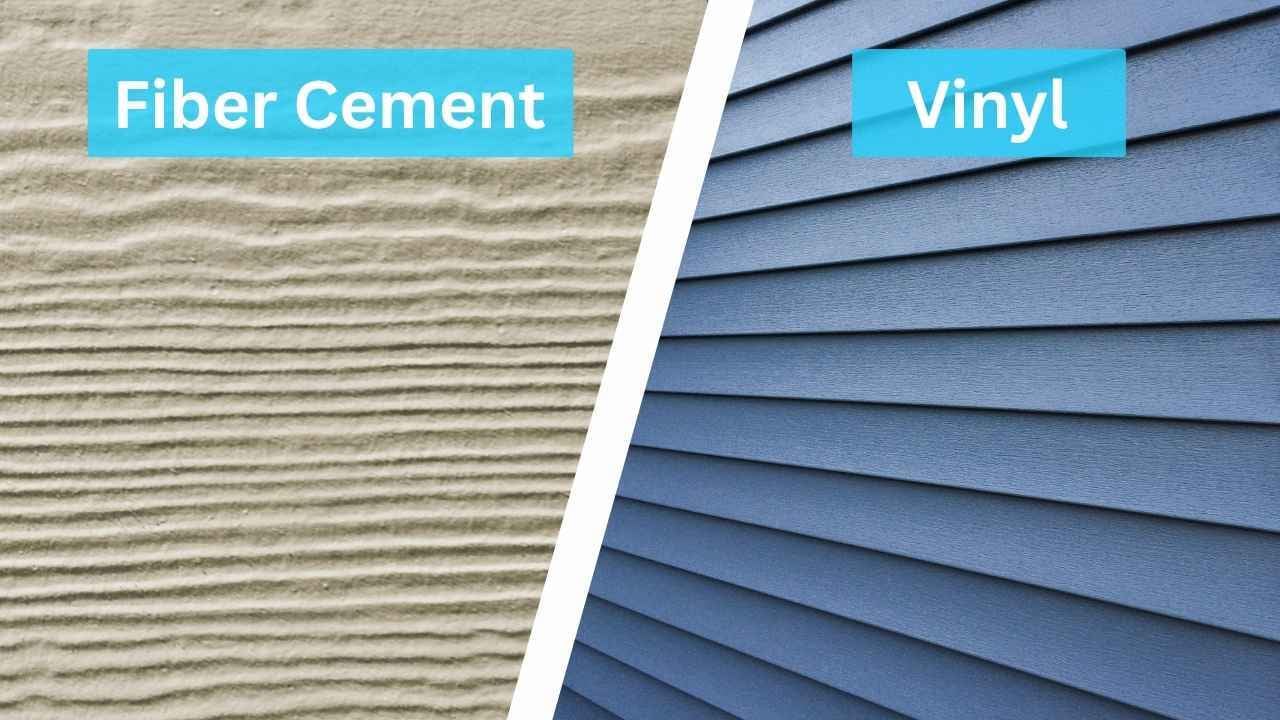
Vinyl is made primarily from polyvinyl chloride (PVC), a durable plastic material engineered to withstand moisture exposure. It is also available in a wide range of colors and styles.
However, Georgia’s climate places constant stress on vinyl siding, and over time, these conditions tend to reveal its limitations.
Vinyl Siding Advantages
Lower initial cost compared to fiber cement: Typically, one of the most budget-friendly siding options, which is appealing for homeowners concerned about the initial cost of a project.
Quick and easy installation: Lightweight and designed for easy, fast installation that can be achieved by standard construction tools. Since the installation is quick and requires fewer crew members, it also reduces labor costs.
Wide variety of colors and styles: Available in many colors, textures, and styles, allowing homeowners to achieve a variety of exterior looks.
Resistant to insects and rot: Since vinyl is made from polyvinyl chloride (PVC), it doesn’t provide food for pests like termites and other wood-destroying insects.
Vinyl Siding Drawbacks
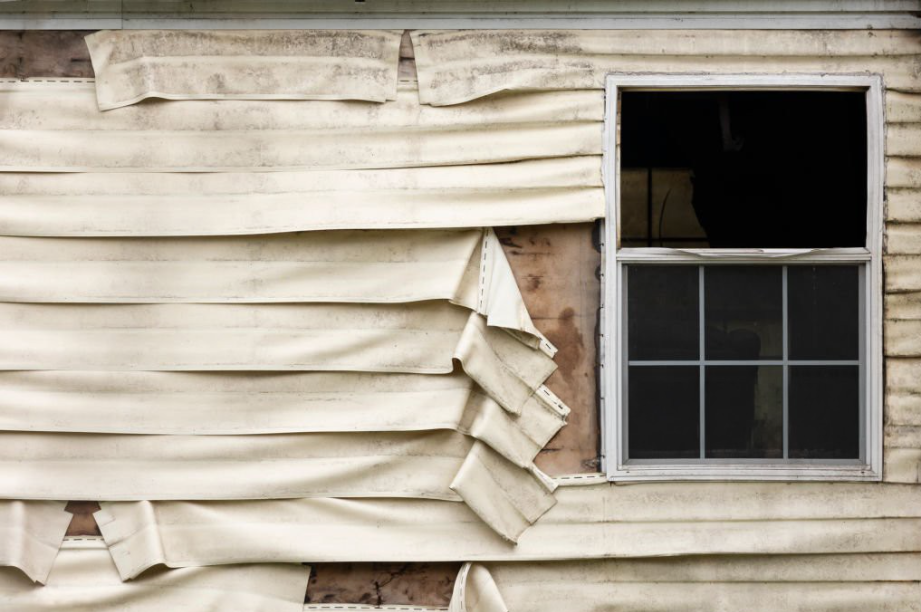
Heat damaged vinyl siding
Heat and UV Damage:
- Vinyl’s plastic composition can soften or warp under extreme heat (can even melt from a BBQ grill!
) - South and west-facing walls often warp faster due to extreme sun exposure.
- UV exposure can make color fading noticeable within 5–7 years.
This warping can open gaps in a home’s exterior, making it vulnerable to more weather damage. - UV exposure can make color fading noticeable within 5–7 years.
Moisture and Humidity Problems:
- Moisture can become trapped behind panels in humid conditions.
- Trapped moisture encourages mold, mildew, and algae growth.
- Vinyl itself cannot rot, but it can conceal moisture intrusion behind the siding system, allowing water damage to the underlying sheathing and framing to go unnoticed.
- Since it can conceal moisture, regular inspections are needed, especially after storms
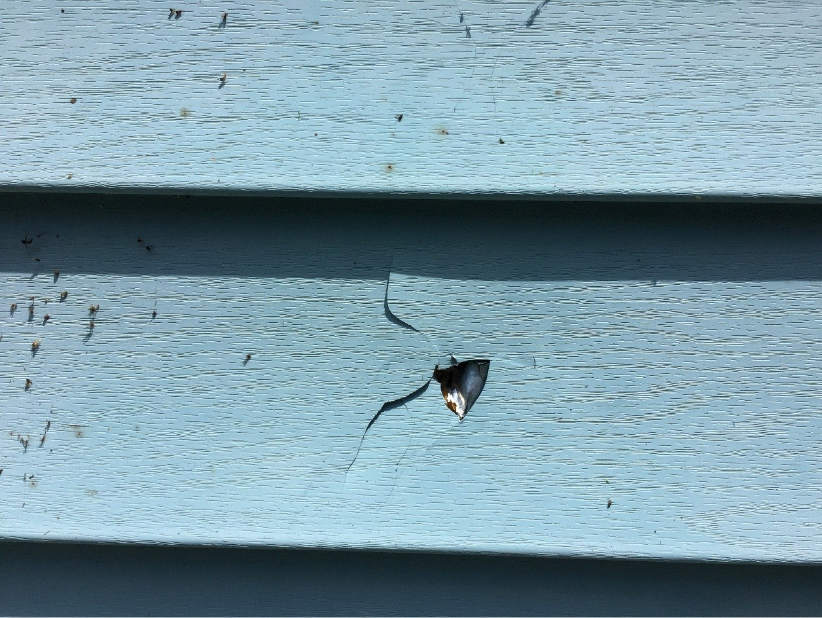
Hail damage on vinyl siding
Storm Vulnerability:
- Panels can crack or loosen during hail or high winds.
- Can completely detach from the home, requiring individual panel replacement, which can become a recurring maintenance expense over time.
- Wind-driven rain can force moisture into seams and gaps, increasing the risk of moisture intrusion behind the siding.
Long-Term Performance Concerns:
- Lifespan of 20–40 years (often shorter in harsh climates).
- Modern vinyl still shares many of the performance limitations found in earlier generations.
- Requires more ongoing maintenance compared to fiber cement.
- Premature replacement is more common in regions with intense sun exposure and frequent storms.
Vinyl can perform adequately in mild climates, but Georgia is far from a mild climate.
James Hardie Fiber Cement: Built for Harsh Southern Conditions
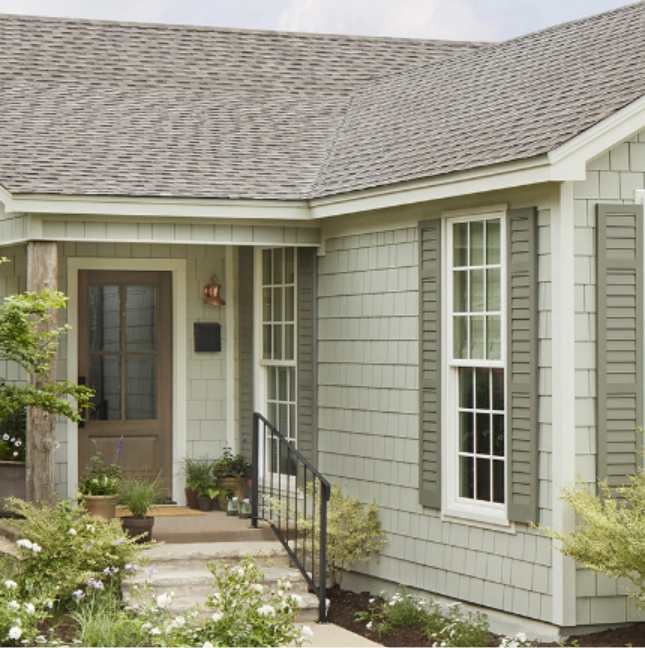
James Hardie fiber cement siding is engineered specifically for extreme environments like the Southeast.
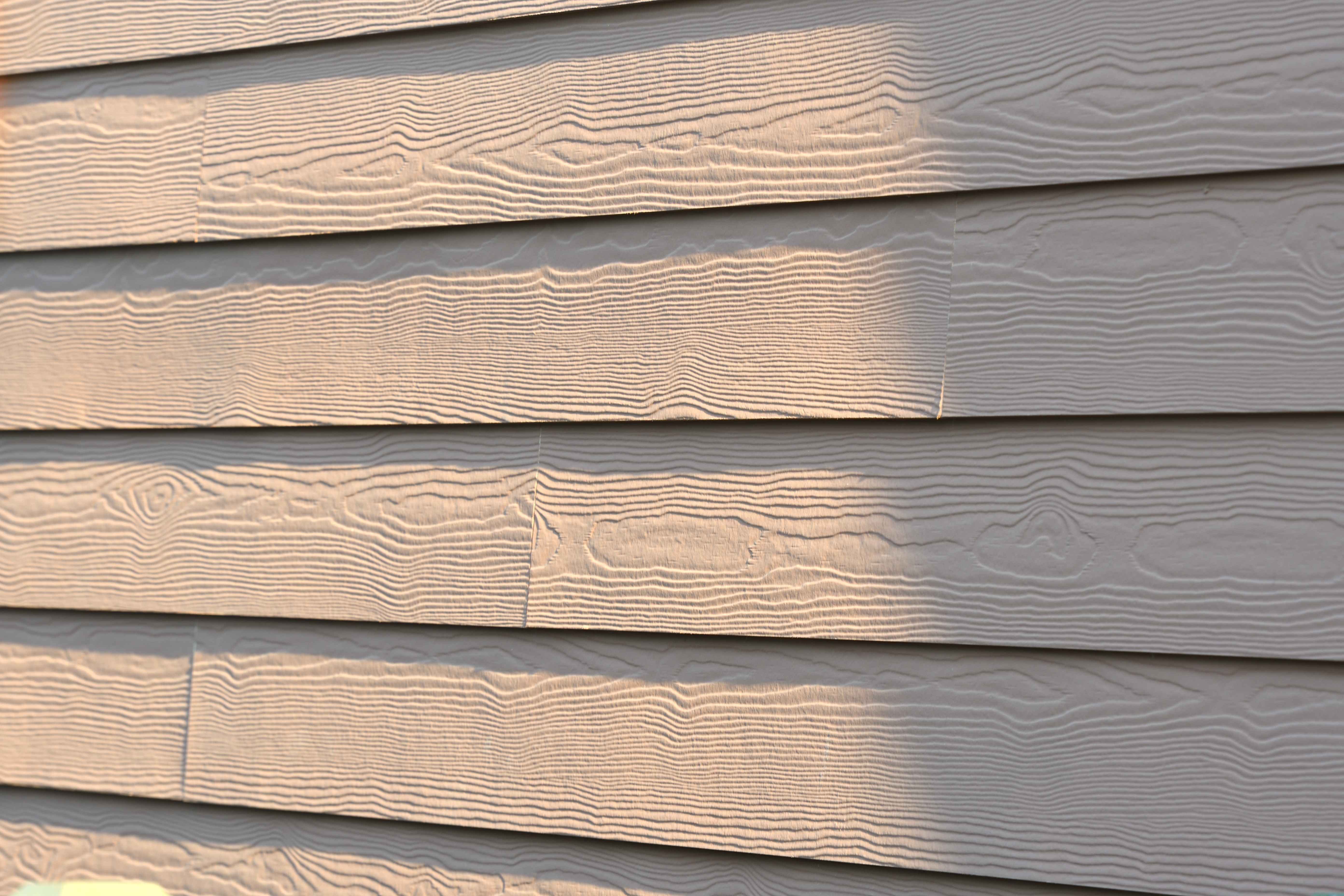
Made from a blend of Portland cement, sand, water, and cellulose fibers, fiber cement siding is designed to provide exceptional durability while maintaining the look of real wood siding.
The Peach State vs. Hardie: Siding Engineered for Georgia
Moisture Resistance: Highly water-resistant and designed to shed water easily, helping prevent mold growth. It resists swelling, rot, and warping that can occur when other materials are exposed to humidity and extreme heat. This makes it ideal for high humidity, rainy environments. It is also resistant to termites, carpenter ants, and woodpeckers.
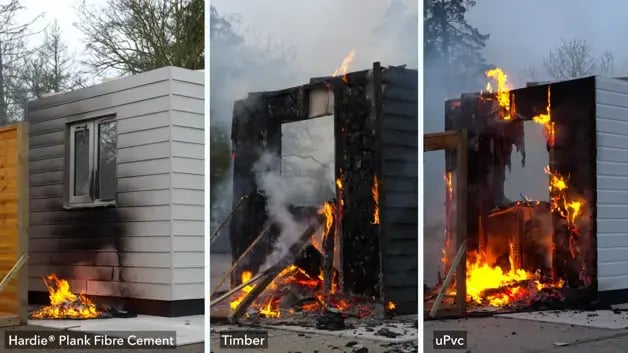
Heat and UV Stability: Designed to resist UV degradation and will not melt, crack, warp, or fade in intense summer heat. Not to mention, it’s non-combustible with a flame spread index of 0 (don’t have to worry about BBQing along the side of your house). Also, Hardie’s ColorPlus® Technology finish is factory-applied and baked onto each panel, helping reduce fading, chipping, and peeling compared to traditional paint.
Storm and Impact Resistance: Offers strong resistance to hail and wind-driven damage, which helps reduce cracks and visible surface damage. It is engineered to withstand category 5 hurricane winds (157+ mph), and remains securely in place during severe weather events. Overall, not likely to require repairs after severe storm events.
Long-Term Value: When properly installed and maintained, it offers a lifespan of 30–50+ years. It requires lower maintenance over time while maintaining its appearance and structural performance. Over time, it can also enhance resale value by providing protentional buyers a durable, low-maintenance exterior.
Nobody’s Perfect: James Hardie Drawbacks to Consider
No siding material is perfect, and James Hardie comes with a few trade-offs homeowners should consider.
Higher Cost:
- Costs more than vinyl siding in terms of both materials and installation.
- Initial cost can be higher due to product quality, durability, and brand positioning.
- Long-term savings may offset some of the initial expenses, but the purchase price is still a key consideration for many homeowners.
Complex Installation Requirements:
- Requires proper cutting, handling, and fastening techniques specific to fiber cement.
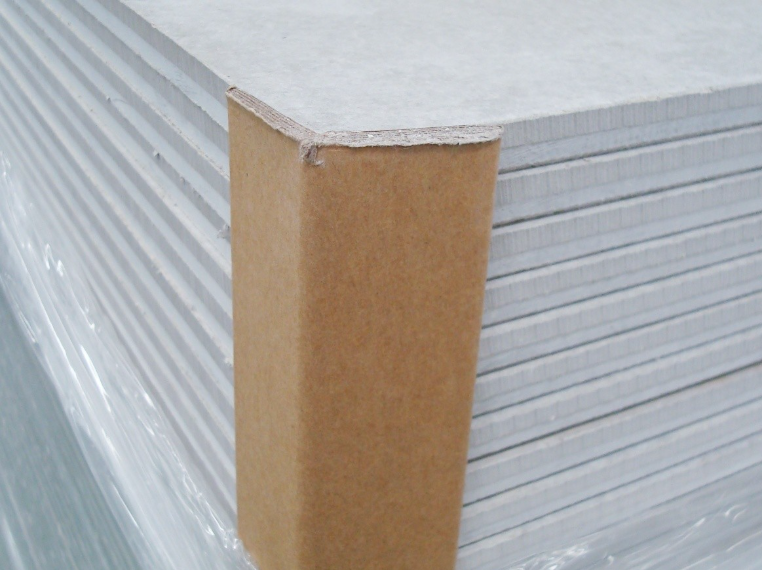
- Heavy weight (300 pounds for 100 square feet) which can increase labor time and difficulty.
- Improper installation can impact performance and longevity, making contractor experience critical.
- Certified or highly experienced installers are recommended, which can limit contractor options in some areas.
Color and Finish Guidelines:
- Typically needs to be repainted every 10-15 years if you choose not to use Hardie’s ColorPlus Technology finish.
- If you repaint your James Hardie siding that does use their ColorPlus® Technology after installation, the ColorPlus® Technology Limited Finish Warranty will be voided.
Side-by-Side Performance Comparison
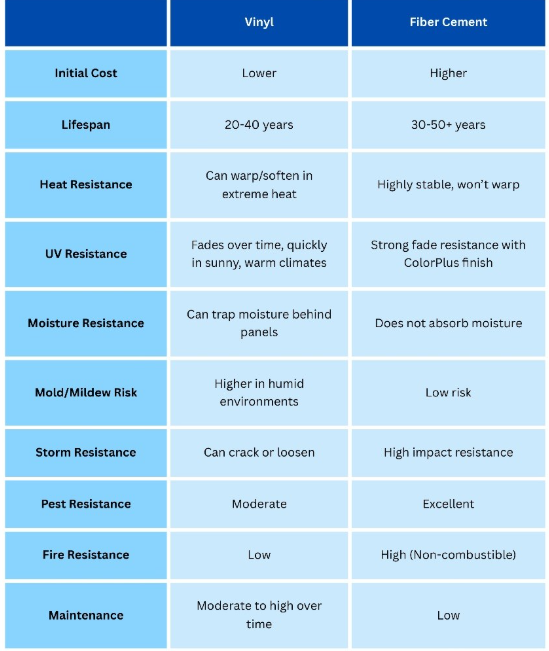
The Bottom Line: Why Georgia Homeowners Are Smart to Bet on Hardie for the Long Haul
For most homeowners in the Greater Atlanta area, James Hardie fiber cement siding is the superior long-term solution.
Fiber cement consistently performs well in high-humidity environments, extreme summer heat and UV exposure, severe storm conditions, pest-prone regions, and where long-term protection is a priority. Overall, choosing fiber cement is saving you money in the long run when considering maintenance and costly repairs due to damage from the Georgia elements.
According to Duwane, Georgia estimator for Pacific Exteriors, most fiber cement issues he encounters are not caused by the material itself, but rather by installation errors. These installation errors consist of inexperienced installers or homeowners wanting to take on a complex DIY project.
On the other hand, Georgia's mixture of heat, humidity, UV exposure, and severe weather creates conditions that expose many of vinyl siding's weaknesses, making it a less desirable choice for long-term protection and value.
While vinyl siding may offer a lower upfront cost, homeowners who choose vinyl often spend more on maintenance, repairs, and replacement over time than those who invest in fiber cement siding.
For this reason, many homeowners in the Greater Atlanta area choose James Hardie fiber cement siding as a long-term investment. Although the initial cost is higher, its durability, weather resistance, and lower lifetime maintenance requirements often result in greater value and fewer unexpected expenses over time.
Work With Trusted Professionals
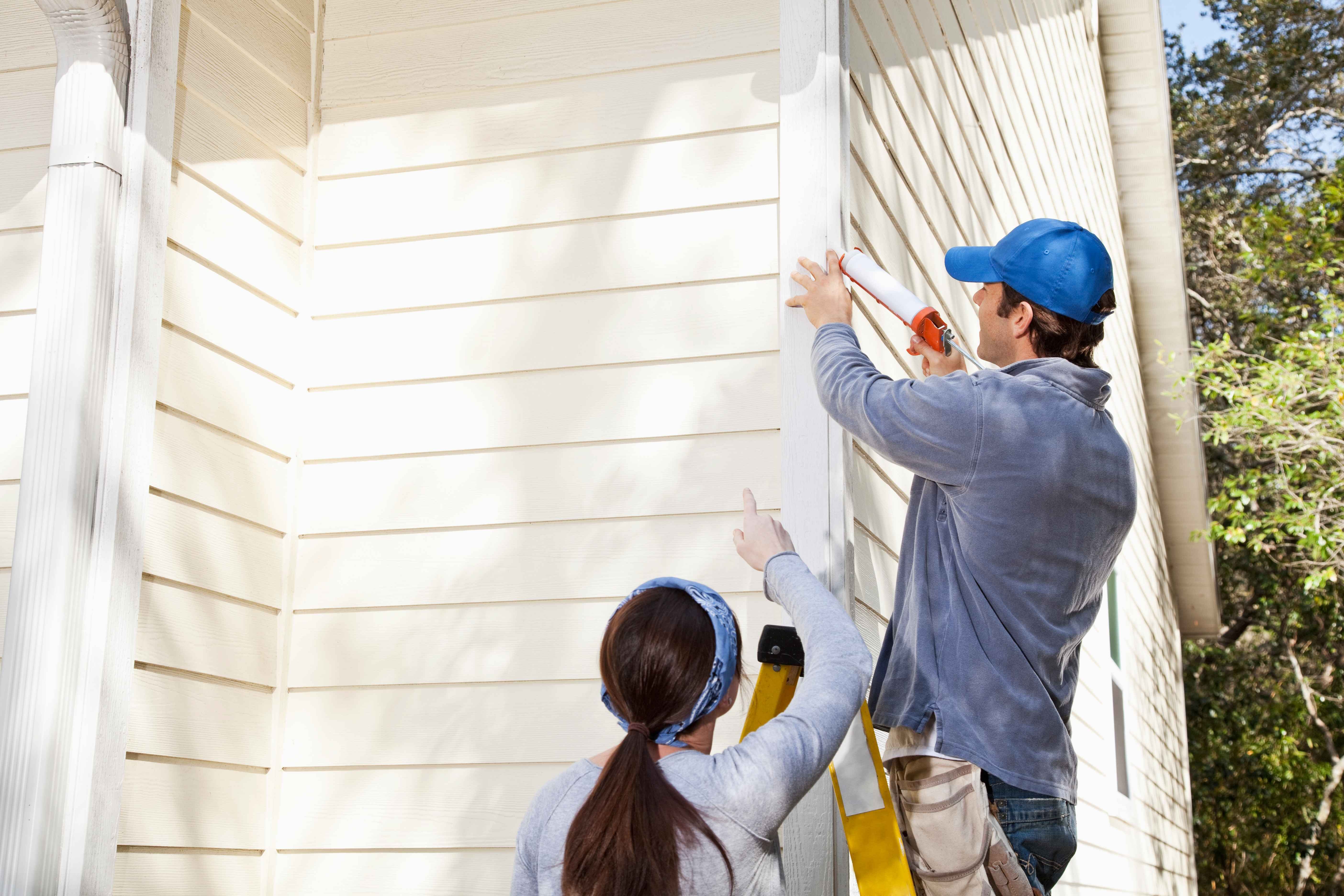
While no siding material is completely immune to damage, the biggest risk to both fiber cement and vinyl is improper installation. This is why choosing an experienced siding contractor is just as important as choosing the right siding material for your home.
At Pacific Exteriors, a James Hardie Elite Preferred Contractor, we can help protect your home from Georgia’s heat, humidity, and storms by installing high-quality siding systems designed to protect your home for decades to come.
Get a Free Siding Consultation
Contact Pacific Exteriors today for a free siding inspection and estimate.