
If you've noticed a leak, missing shingles, water stains on your ceiling, or other roofing problems, you're probably asking the same question many homeowners face:
Should I repair my roof or replace it entirely?
Deciding between roof repair and roof replacement depends on several factors, including the age of your roof, the extent of damage, and the long-term financial impact of each option.
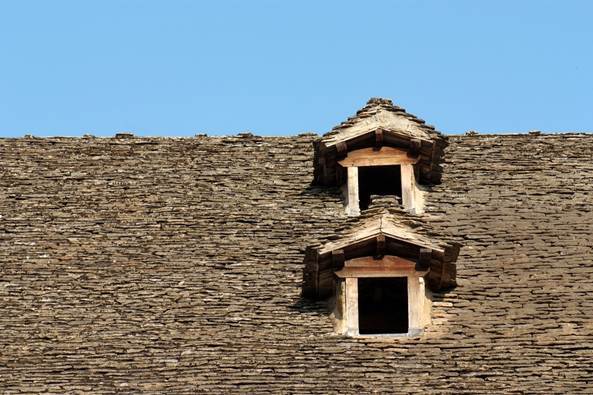
In general, roof repair is best suited for newer roofs or isolated issues that can be addressed without compromising the overall roof system.
Meanwhile, roof replacement becomes the more practical and cost-effective solution when damage is widespread, recurring, or when repair costs begin to approach the cost of a full replacement.
At Pacific Exteriors, we help homeowners make informed roofing decisions based on the actual condition of their roof with no sales pressure involved.
In this guide, we'll explain when roof repairs make sense, when replacement is the better investment, what warning signs you should never ignore, and the long-term costs of delaying service:
Common Signs Your Roof Needs Attention
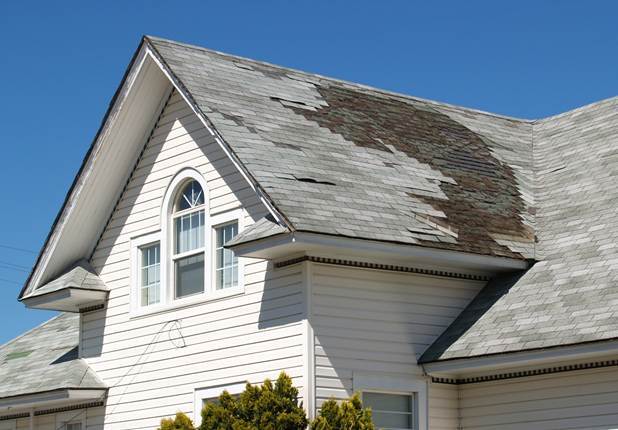
Many roofing problems begin developing long before homeowners notice large amounts of water dripping from their ceiling. In fact, some of the most expensive roof repairs we encounter started as small issues that went unnoticed for months or even years. Because your roof is constantly exposed to rain, wind, UV rays, and debris, even minor complications today can quickly develop into extensive, costly projects down the road.
One of the most overlooked roofing problems is a small leak around roof openings and fixtures, such as plumbing vents, pipe boots, skylights, and chimney flashing. Unlike major leaks that quickly create visible interior damage, these smaller leaks often allow moisture to enter slowly over months or even years without obvious warning signs.
These hidden leaks can quietly damage roof decking, reduce the effectiveness of attic insulation, and create moisture conditions that promote mold growth. By the time homeowners notice a problem inside the home, significant damage may have already occurred beneath the roofing system.
That's why understanding the early warning signs of roof failure can help homeowners avoid more extensive repairs later.
Some of the most common signs of roof damage include:
- Missing, cracked, or curling shingles, along with granule loss on asphalt shingles
- Water stains on ceilings or walls that can lead to mold or mildew in the attic
- Sagging or uneven roof sections
- Damaged flashing around chimneys and vents, and clogged or failing gutters
- Moss, algae, or dark streaks on roofing materials
- Unexplained increases in energy bills
If you notice any of these warning signs, scheduling a professional roof inspection can help identify problems before they become more costly and damage your home.
When Roof Repair Is the Right Choice
Not every roofing problem requires a full replacement. In many situations, a properly performed roof repair can restore protection, extend the life of the roof, and save homeowners money. Nonetheless, the key is determining whether the damage is isolated or part of a larger roofing issue.
Roof repair is often the best choice when:
The damage is limited to a small area: The issue is confined to a specific section of the roof and can be a targeted fix.
Your roof is relatively new: The roof system still has a lot of years left in its lifespan, so repairing isolated problems is more practical than replacing the entire structure.
No structural issues: The structure of the roof (decking, framing, and other supporting components) is still in good condition, meaning the damage is surface level.
Damage caused by a specific event: Issues stem from identifiable incidents like wind debris or heavy hail, rather than long-term deterioration and structural failure.
Repair costs are significantly lower than replacement costs: Repairing a portion of the roof can more cost-effective than investing in a full roof replacement — but bigger repair jobs may cost nearly as much as a completely new roof.
Few or no previous repairs: Hasn’t needed repeated fixes, which suggests the current roof problem isn’t apart of ongoing decay.
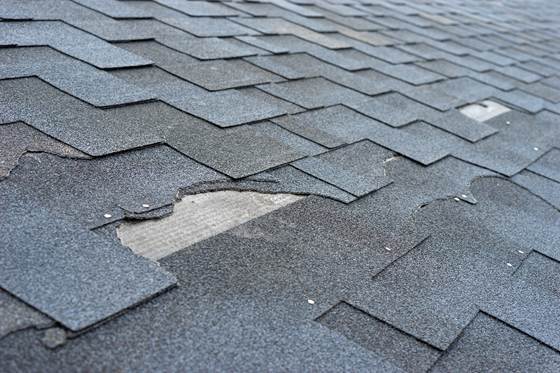
Examples of repairable roofing issues include:
- A few missing shingles after a windstorm
- Localized flashing damage
- Minor roof leak in one area
- Small areas of moss growth
- Isolated hail or storm damage
Key Considerations of Roof Repair
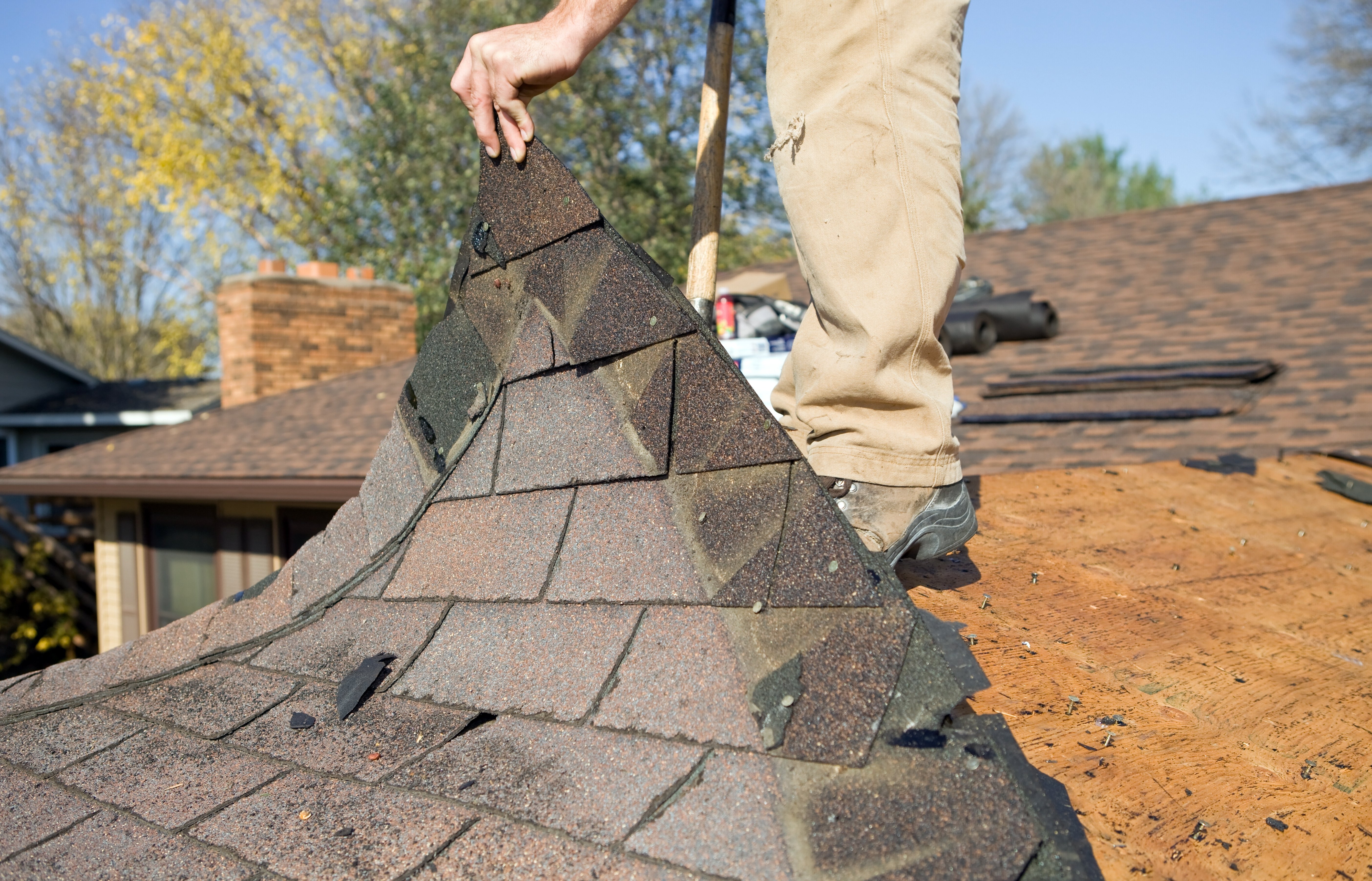
While repairs are often the most cost-effective solution for isolated roofing problems, homeowners should understand that small repairs can sometimes be more complex than they appear. Repairing a limited section of roofing often requires detailed work to integrate new materials into an existing roof system, which can make the cost per square foot higher than many homeowners expect.
Not to mention, even small repairs are completely visible. Even when contractors use the same roofing manufacturer and color profile, new materials rarely match older roofing perfectly due to it being younger in age.
Kevin Moody, Project Manager, reveals what can happen during the repair process:
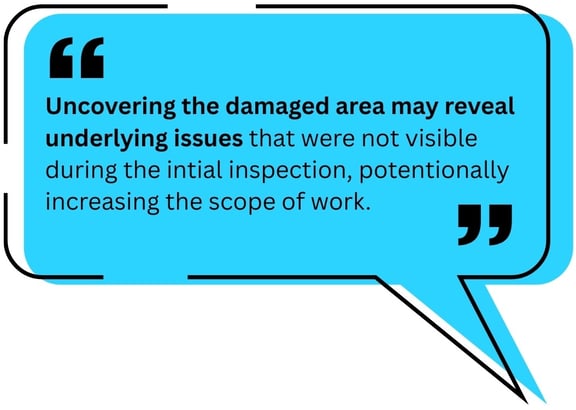
For this reason, it's important to view repairs as a targeted solution rather than simply a quick fix.
Waiting too long can turn what could have been a simple repair into a much larger project.
When Roof Replacement Makes More Sense
While repairs can solve isolated roofing problems, they are not always the long-term solution. In some cases, recurring issues indicate that the roofing system as a whole is reaching the end of its life.
A roof replacement allows homeowners to address underlying problems rather than continually relying on repeated repairs to the point where it becomes a cycle. It also provides the opportunity to upgrade underlayment, ventilation, flashing, and other critical components that contribute to long-term performance.
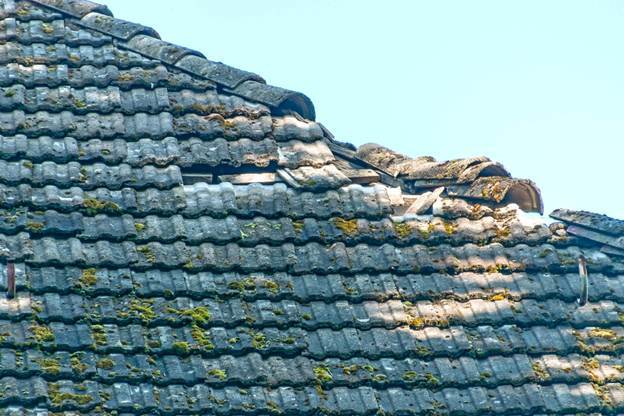
A roof replacement is often recommended when:
Widespread damage: Damage is not confined to one section but instead affects multiple areas of the roof.
Aging roofing system: The materials have aged beyond their expected life, making continued repairs less effective and reliable.
Damaged structural components: Visible signs of roof sagging, soft spots, cracks in interior walls, etc., that indicate repairs will not prevent future deterioration or recurring problems.
Repair costs are adding up: Ongoing repairs can eventually add up over time, sometimes approaching or even matching the cost of a full roof replacement.
Frequent repairs: Repeated maintenance issues can signal that the roof is deteriorating and is at the end of its service life.
If your roof has required multiple repairs in recent years, replacing it may provide better value than continuing to invest in temporary fixes and using the “patch-it-up and pray” method.
Roof Repair Vs. Replacement Comparison
| Factor |
Roof Repair |
Roof Replacement |
| Best For |
Isolated or minor damage |
Widespread or recurring damage |
|
Initial Cost |
Lower |
Higher |
|
Roof Age |
Generally less than 10-15 years old |
15-20+ years old |
|
Frequency of Issues |
One-time/rare |
Frequent/ongoing repairs |
|
Structural Condition |
None |
Structural issues present (sagging, soft spots, etc.) |
|
Appearance |
Won’t perfectly match the existing roof |
Uniform/cohesive appearance |
|
Long-Term Value |
Lower if repairs continue to be needed |
High overall ROI |
How Long Should My Roof Last?
| Material | Average Lifespan |
|
Asphalt Shingles |
Three Tab: 20-30 years Architectural: 30-50 years |
|
Metal |
40-70 years |
|
Clay/Concrete Tile |
50-100 years |
|
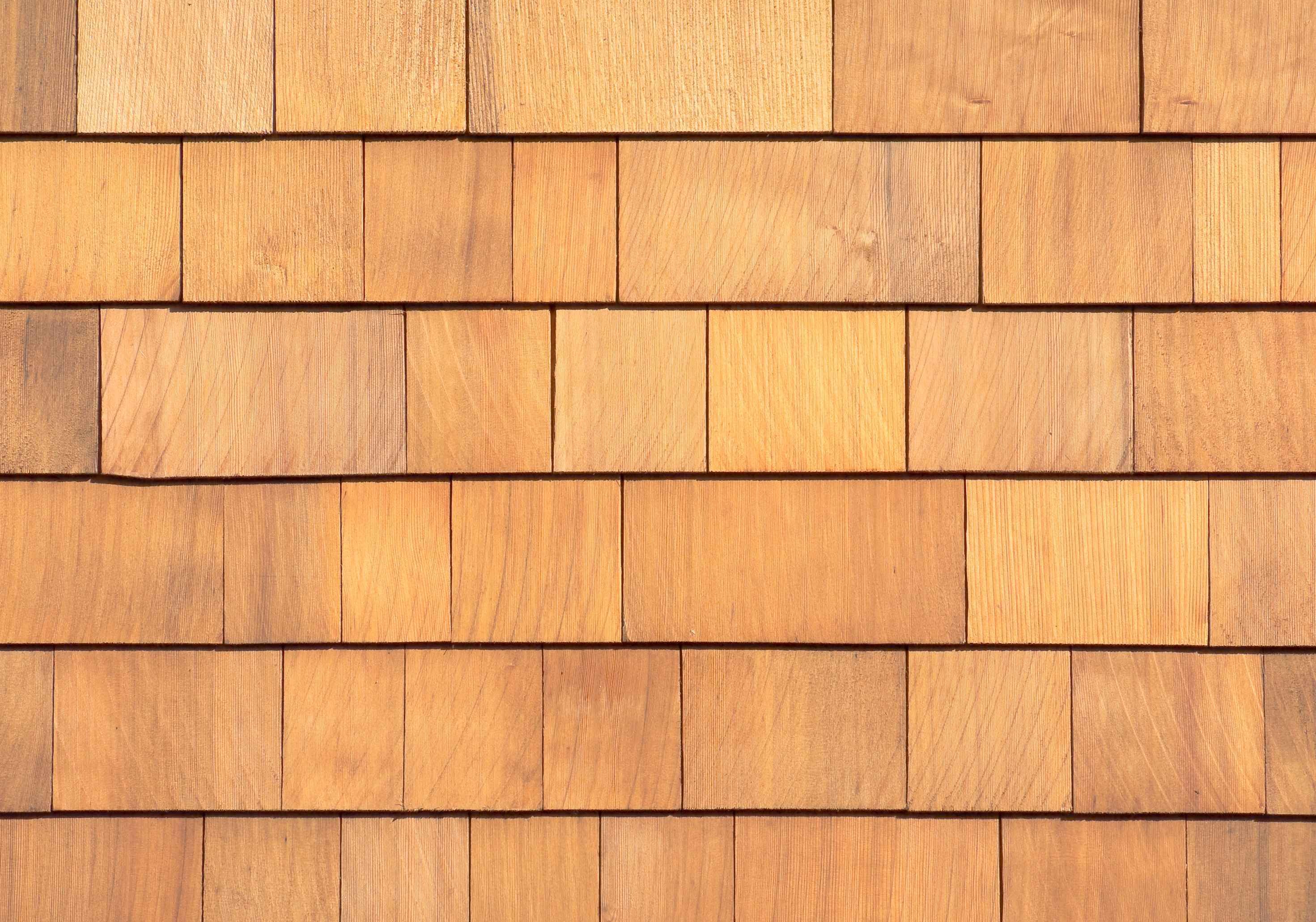
Wood Shingles |
30 years with maintenance |
|
Flat Roofing Systems |
15-30 years |
|
Slate |
60-150 years |
Roof age is an important factor when deciding between repair and replacement since materials naturally deteriorate over time and with the seasons. This ageing can make roofs more vulnerable to leaks, wind damage, and moisture intrusion.
However, because different roofing materials age differently, a professional inspection is the best way to determine if your roofing needs replacing or repairs.
Important Warranty Considerations
Warranty coverage is another factor homeowners should consider when deciding between roof repair and replacement.
While reputable roofing contractors typically stand behind their repair work, certain repairs or modifications can affect existing manufacturer warranties. New penetrations or alterations to a roofing system may void portions of the original warranty depending on the roofing manufacturer and installation requirements.
Whenever possible, homeowners should work with the contractor who originally installed the roof or verify that any repair work will not compromise existing warranty coverage.
It's also important to understand that not all roofing warranties offer the same level of protection. The quality and duration of coverage often depend on the contractor's certifications with the roofing manufacturer. For example, Pacific Exteriors is an Owens Corning Platinum Preferred Contractor, which allows the company to offer some of the highest levels of manufacturer-backed warranty protection available through Owens Corning.
Before authorizing any roofing work, homeowners should ask what warranty coverage applies, who backs the warranty, and whether the repair could affect any existing manufacturer protections.
The True Cost of a Waiting Game
Many homeowners naturally focus on the immediate cost difference between repair and replacement. While a repair typically requires a lower cost, it's important to consider the potential long-term costs that can result from postponing replacement when a roof is nearing the end of its lifespan.
What starts as a minor leak can eventually impact multiple parts of the home. Moisture rarely stays in one place, and roofing problems often spread beyond the original point of entry.
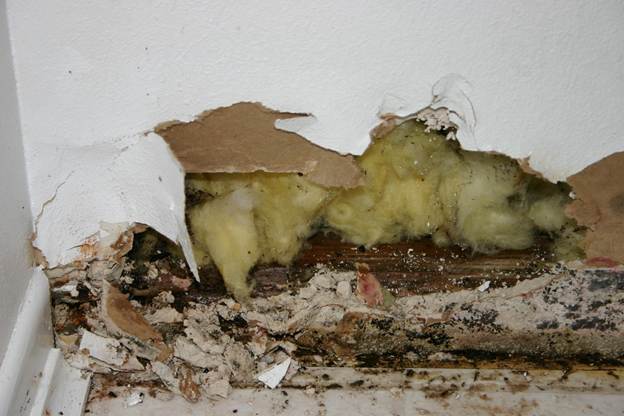
Interior Water Damage: Water can damage drywall, insulation, flooring, ceilings, paint, and personal belongings. This water intrusion can also lead to mold growth, which is a severe health hazard, especially for children, the elderly, and people with preexisting conditions.
Emergency Repair Costs: As roof issues worsen rapidly, homeowners may be forced into urgent, short-notice repairs. Emergency roofing work often comes at a premium due to needing rapid response times, limited scheduling availability, and the increased complexity of addressing active damage and preventing further deterioration in a short timeframe.
Growing Structural Damage: Persistent leaks can weaken roof decking, rafters, trusses, and other structural components. Once structural damage occurs, repair costs often increase significantly.
Higher Energy Bills: An aging roofing system can allow conditioned air to escape while the outside air enters. This forces HVAC systems to work overtime throughout the year.
Lower Resale Value: Visible roof issues can raise concerns among potential buyers and home inspectors, potentially affecting property value and slowing the selling process.
How Pacific Exteriors LLC Helps Homeowners Make the Right Choice

At Pacific Exteriors, our goal is simple: to provide honest, straightforward recommendations that protect both your home and your long-term investment.
Whether your roof needs a minor repair or a full replacement, our team takes the time to walk you through your options so you can make a confident, informed decision without pressure.
If you’re unsure whether repair or replacement is the right choice, the best first step is a professional roof inspection. Identifying issues early can significantly increase your options and help prevent more costly damage down the road.
Contact Pacific Exteriors LLC today to schedule your roof inspection. Our experts will assess the condition of your roof, explain your options clearly, and recommend the most cost-effective solution for your home.