
4 Reasons You Shouldn’t Get a Siding Replacement, and When You Should
December 25th, 2025
3 min read
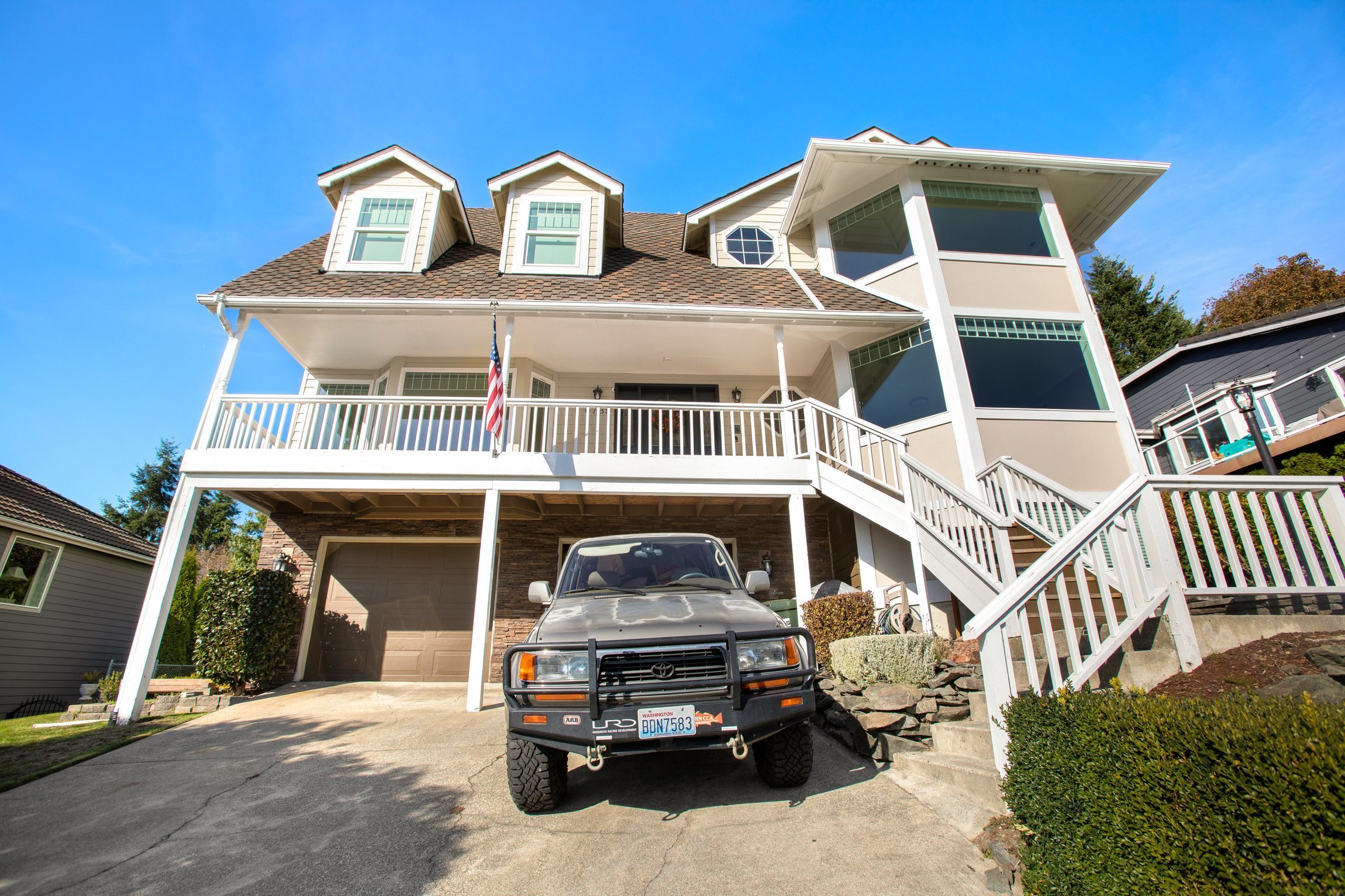
After nearly 20 years of evaluating homes, we’ve seen just about everything when it comes to siding. We’ve walked countless homeowners through whether they actually need a replacement or if a simple repair will do the trick.
In fact, we say “not yet” as often as we say “yes” when it comes to full siding replacements. Our goal is to make sure you have all the facts before making a big, expensive decision.
Siding replacement is a major investment — one that can dramatically boost your home’s appearance and protect it from the elements for decades. But it’s not always necessary right away. Here’s how to know if you can wait, and the clear signs that mean you probably shouldn’t.
When You Shouldn’t Replace Your Siding
If you’re considering if you need a siding replacement, sometimes you can get away with a simple repair or a fresh coat of paint. Other times, it can be an entire house re-side project. When these things are true, you might be able to skip a replacement:
1) Your Siding Is In Great Shape
Just because your siding is a few years old doesn’t mean it needs to be replaced. We’ve also met with homeowners who just purchased a new home and aren’t sure how old the siding is, but sometimes that doesn’t matter.
If you don’t see any cracks, warps, gaps, rot, or peeling paint, your siding is still doing its job. A lot of homeowners are surprised to find that what looks “old” just needs some maintenance — a deep cleaning, a fresh coat of paint, or some touch-ups can completely refresh the look of your home without the cost of full replacement.
Dull or dirty siding can usually be fixed with a good cleaning or a fresh coat of paint:
2) There’s No Visible Damage
Cracks, holes, loose or missing boards, mold, rot, and mildew are the biggest red flags for replacement.
But if you walk around your house, check around your windows, doors, and siding edges and don’t see stains, swelling, softness, or mold, your siding may still be protecting your home just fine.
If you’re unsure about what is real damage, it’s always best to have a professional take a look. We have a “Quick Qualify” tool on our site where you can upload photos and one of our team members will take a look for you. If you don’t have any damage, we often recommend monitoring your siding over the next season and re-checking after heavy rains before committing to a major project.
3) You Can Get Away With Repairs
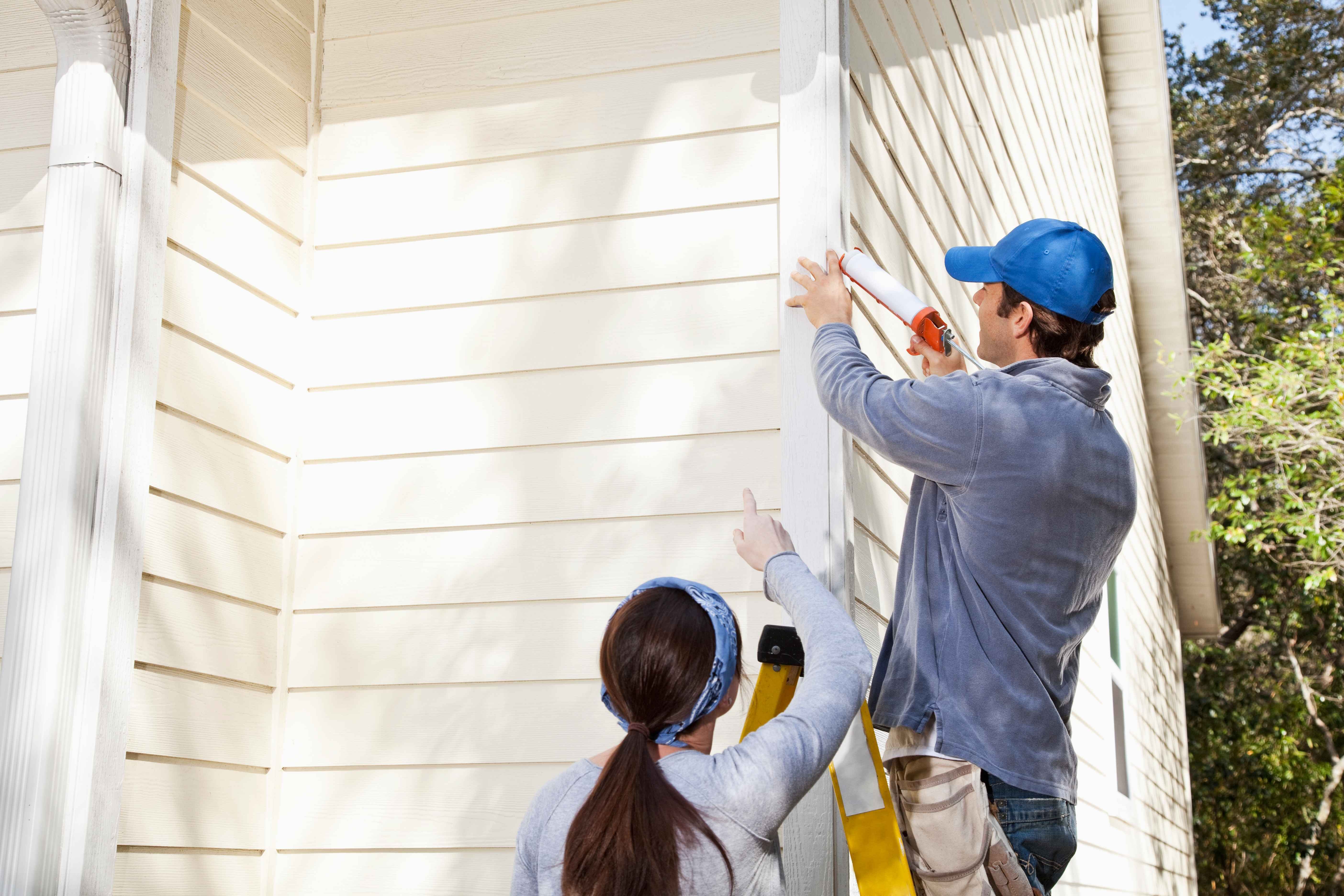
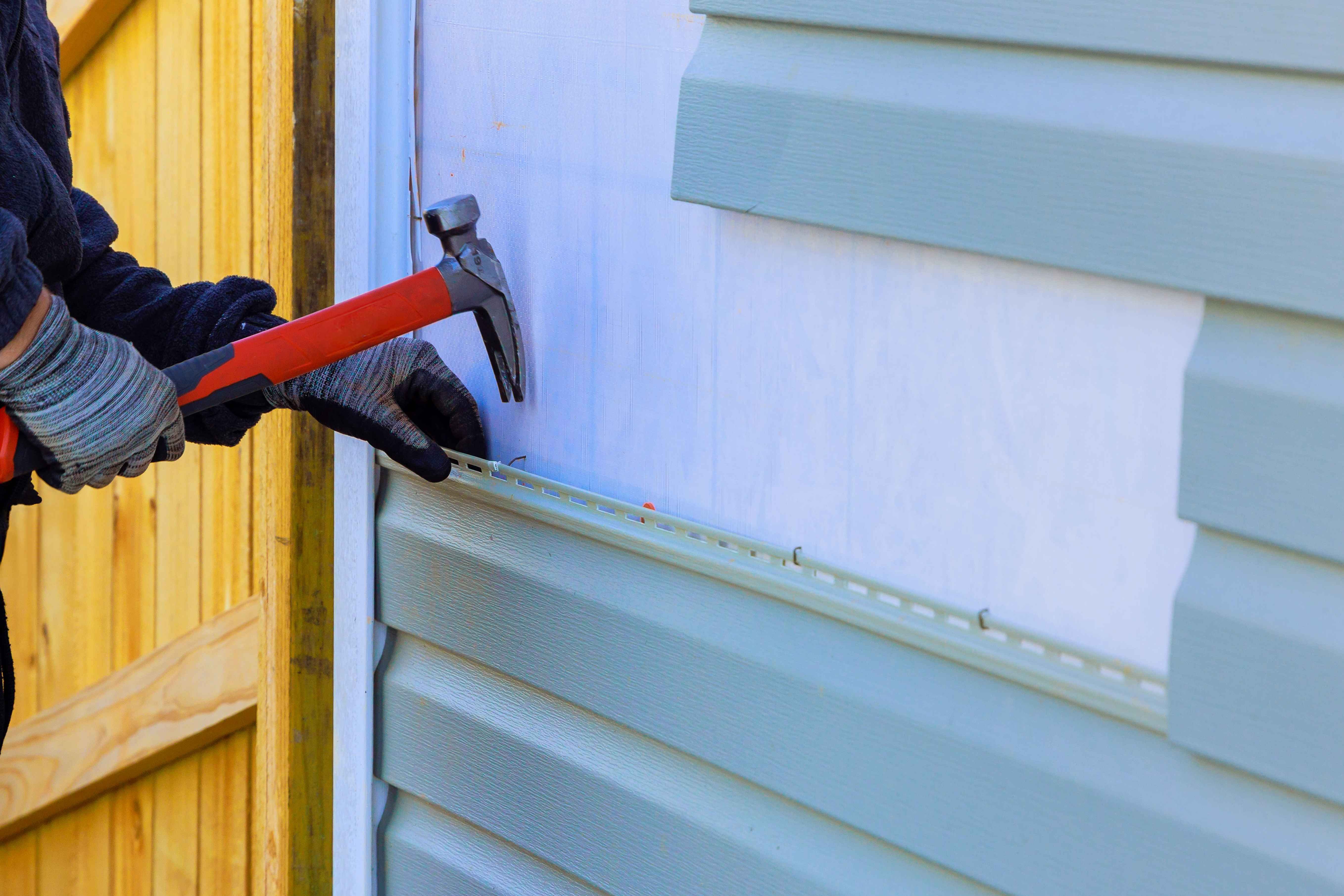
If your siding is in otherwise good condition, and have one or two damaged boards, a loose panel, or a section that needs caulking, you might be able to fix it without replacing everything.
Many times we’re called out to evaluate a “full replacement” only to find that a small repair will buy the homeowner another five to ten years. If a professional contractor gives you that recommendation and you have no other siding needs, it’s a sign they have your best interest in mind.
4) You’ve Only Seen One Bid
While it’s not a sign your siding is telling you, moving forward with a replacement based on a singular bid might not be a great idea. One of the biggest mistakes we see is homeowners jumping into a replacement after getting just one quote.
Siding replacement is a big investment and can vary greatly depending on the contractor, materials, and scope of work. Getting multiple bids gives you a chance to compare apples to apples — not just on price, but on installation methods, warranties, and the quality of materials. A little extra time gathering information can save you thousands and prevent regret later. This will also protect you from getting pushed into a project you might not need just yet.
When You Should Consider Replacement
While repairs and maintenance can extend the life of your siding, there are times when a full replacement is the most practical and cost-effective option.
- You’re Constantly Chasing Repairs: If you’re patching, repainting, or replacing sections every year, those costs and headaches add up. New siding can eliminate ongoing issues once and for all.
- Your Siding Is Run Down: Faded vinyl, peeling or bubbling paint, or siding that simply looks worn down are all indicators that it’s losing its protective abilities — and curb appeal.
- You Have a Pest Problem: Termites, carpenter ants, or other pests can sneak into compromised siding and damage the structure beneath. Replacement removes their entry points and protects your home long-term.
- It’s Reaching the End of Its Lifespan: Siding materials don’t last forever. If you notice warping, cracking, holes, or drafts inside your home, your siding is likely due for replacement.
How to Move Forward
Siding replacement is an investment that should be made with confidence — not pressure. If your siding is in good shape, can be repaired, or simply needs a little TLC, there’s no harm in waiting. On the other hand, ignoring signs of damage can lead to more costly repairs down the road.
If you’re not sure what category your home falls into, we can help. Our team has been evaluating siding for nearly two decades, and we’ll always give you an honest answer. Whether that means repair, replacement, or just routine maintenance.
Book your free inspection today to get a clear picture of what your home really needs.
Vanessa joined Pacific Exteriors in November of 2023. She enjoys the opportunity to try new things and continuously evolve her knowledge of the industry. With a professional focus on marketing, Vanessa is passionate about finding creative ways to engage with clients. Outside of work, she enjoys reading, spending time with her two cats, and attending concerts.