
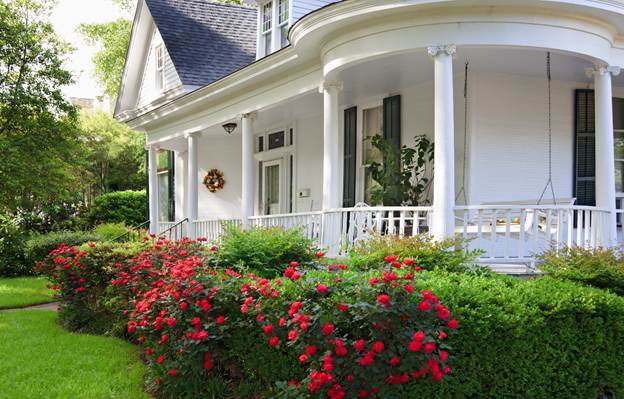
Thinking About Vinyl for Your Southern Home?
Vinyl siding has been one of the most popular siding options in the United States since its introduction in the 1950s.
It's affordable, widely available, and comes in a variety of colors and styles. For many homeowners, the lower upfront cost makes it an attractive choice.
However, the climate in the South provides unique challenges that can significantly impact vinyl siding's long-term performance. Intense heat, high humidity, strong UV exposure, severe storms, and frequent temperature fluctuations can all take a toll on vinyl over time and reveal its vulnerabilities.
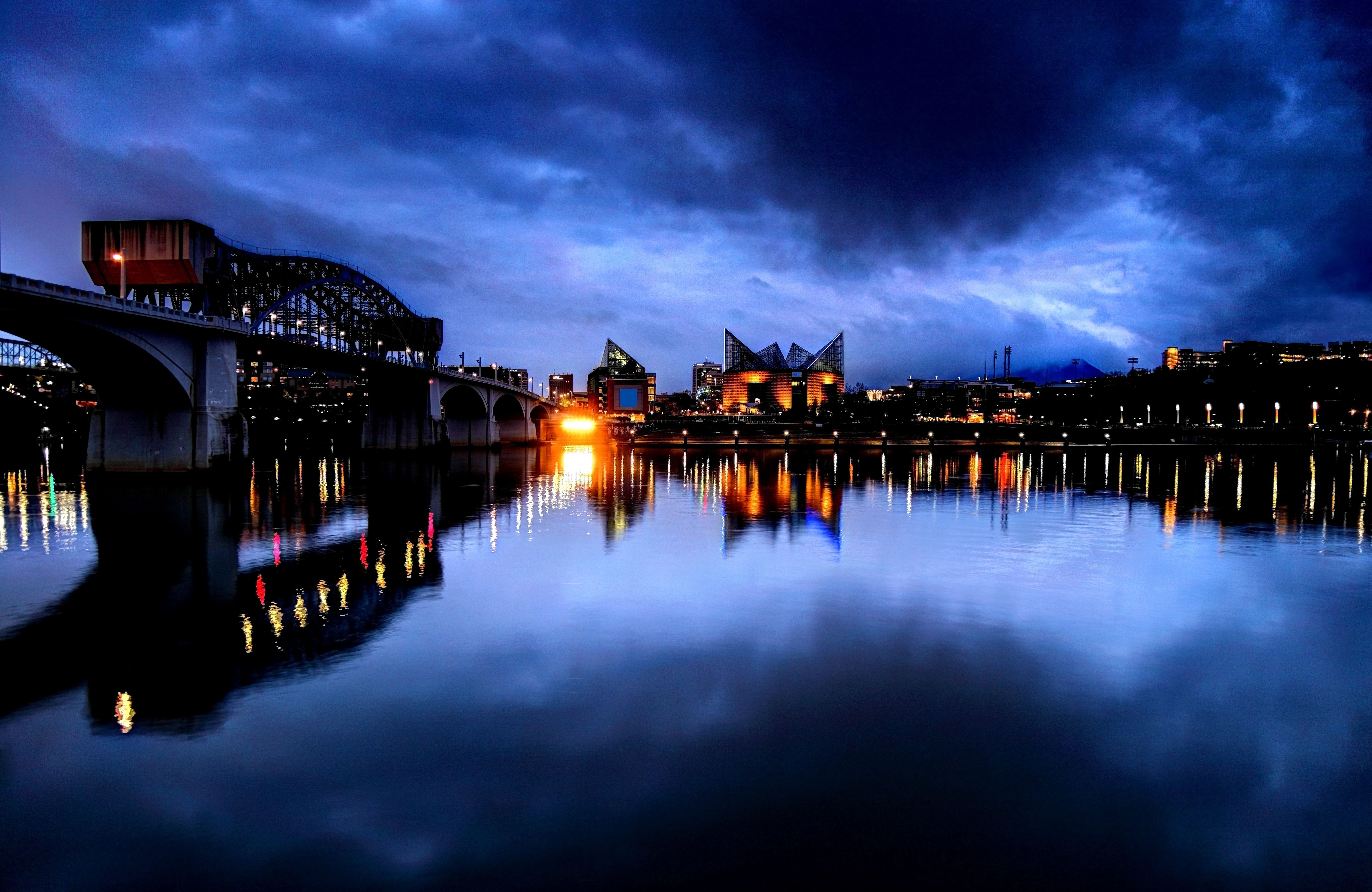
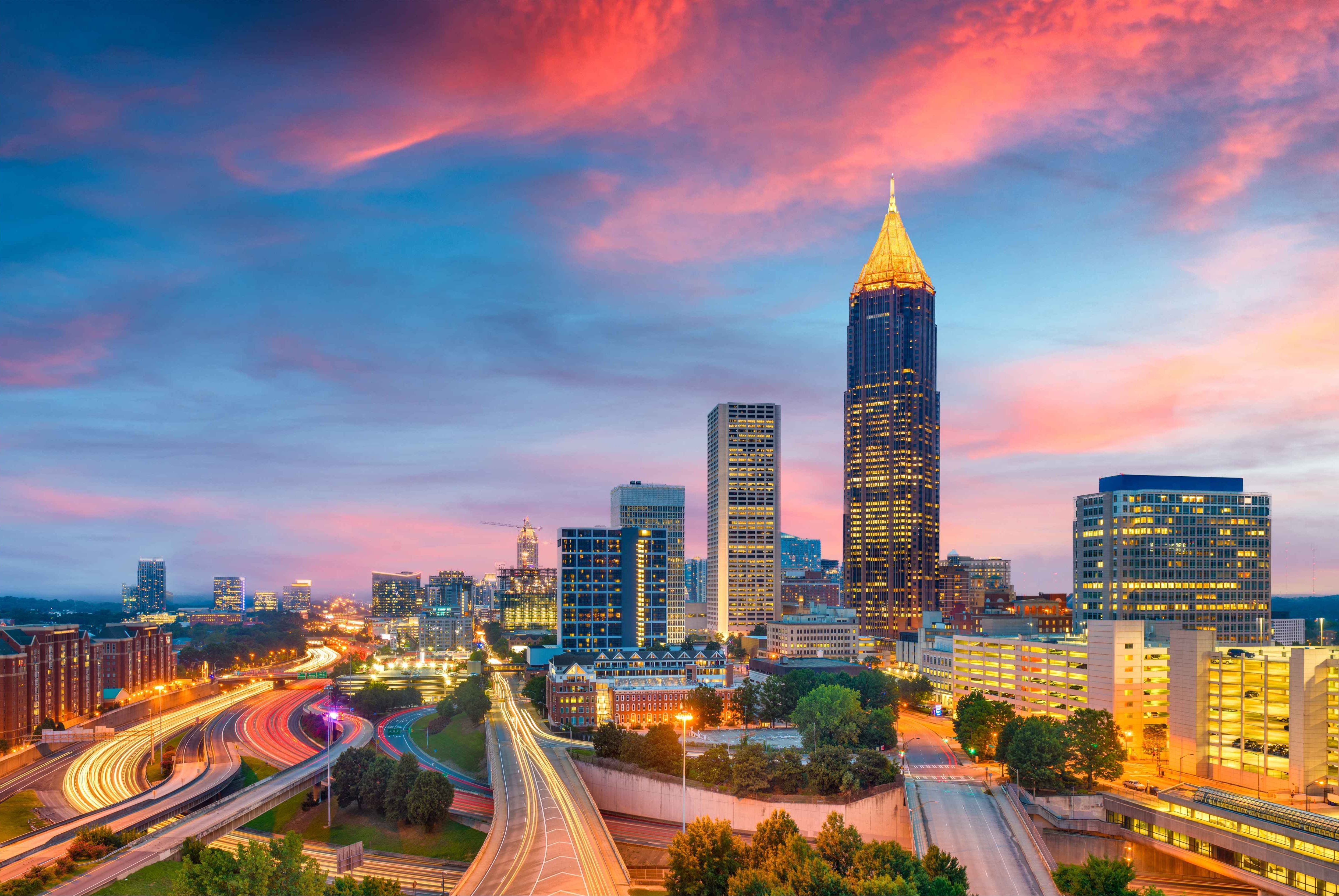
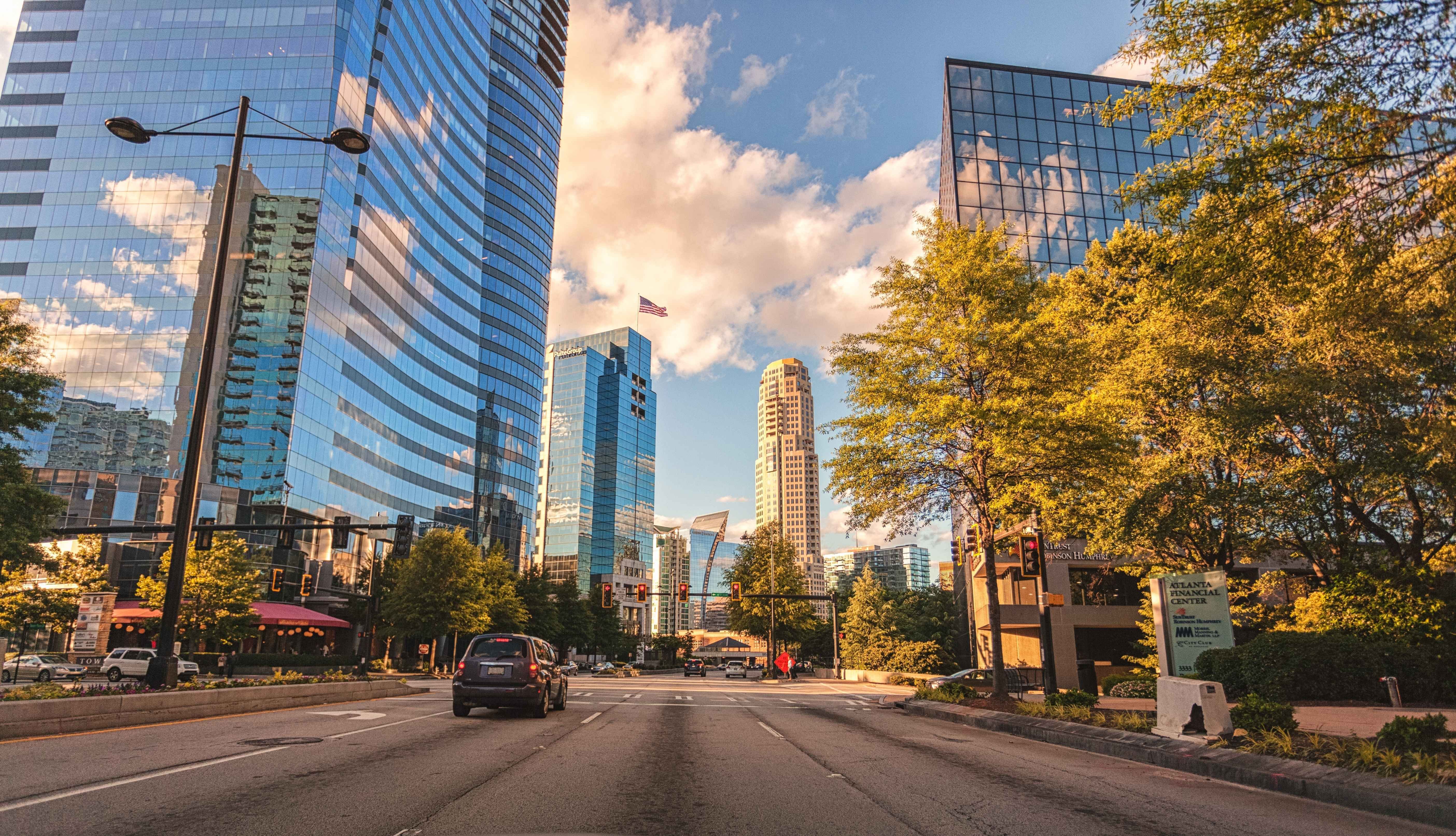
At Pacific Exteriors, we've been helping homeowners protect and improve their homes since 2008. Over that time, we’ve installed and replaced countless siding systems in the Greater Atlanta and Chattanooga, Tennessee, markets.
Because we've worked on so many homes across Georgia and Tennessee, we believe homeowners deserve honest, experience-based information rather than sales pitches.
Our goal is to help you understand the pros and cons of vinyl siding so you can make the best decision for your home, budget, and long-term goals.
Quick Overview: Pros and Cons of Vinyl in the South
Before comparing the pros and cons, it's important to understand that not all vinyl siding is the same. Vinyl is available in several grades and thicknesses.
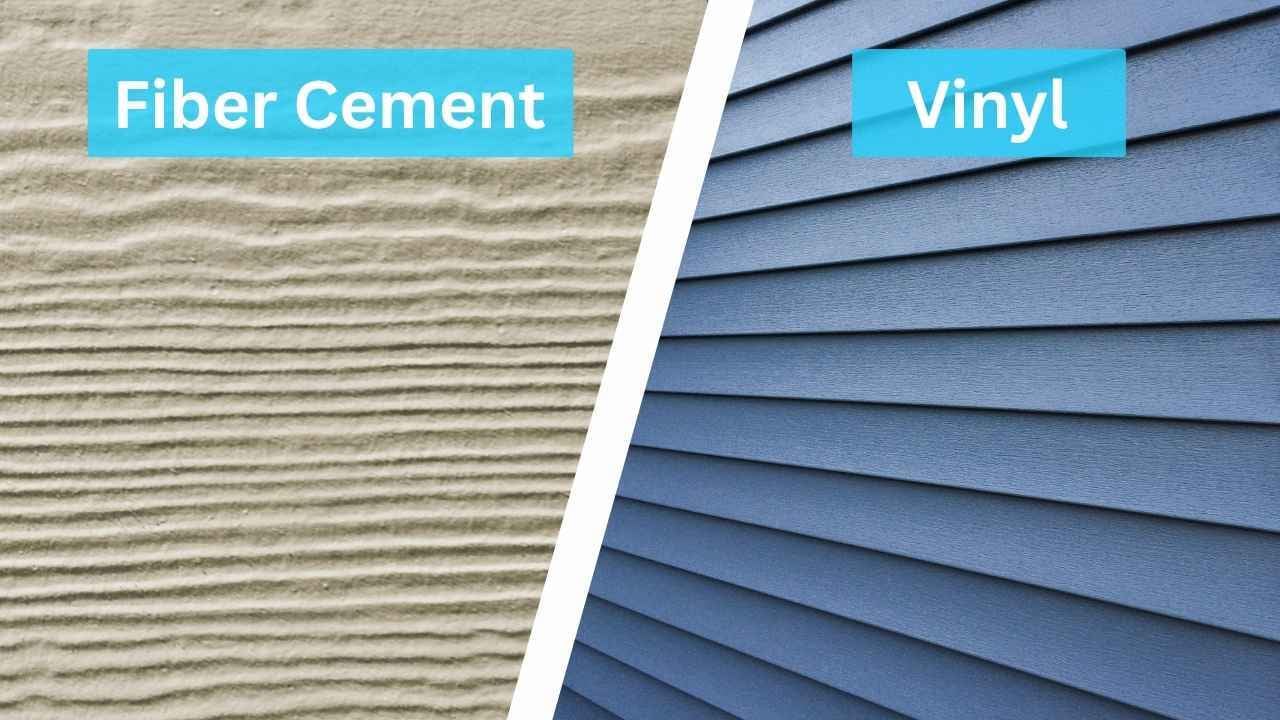
When homeowners think of vinyl siding, they're often referring to the thinner, lower-grade products commonly used on older or mobile homes. Premium vinyl siding is thicker, more durable, and offers improved impact resistance, but it also comes at a significantly higher price point, sometimes exceeding the cost of fiber cement.
Pros
- Budget-friendly
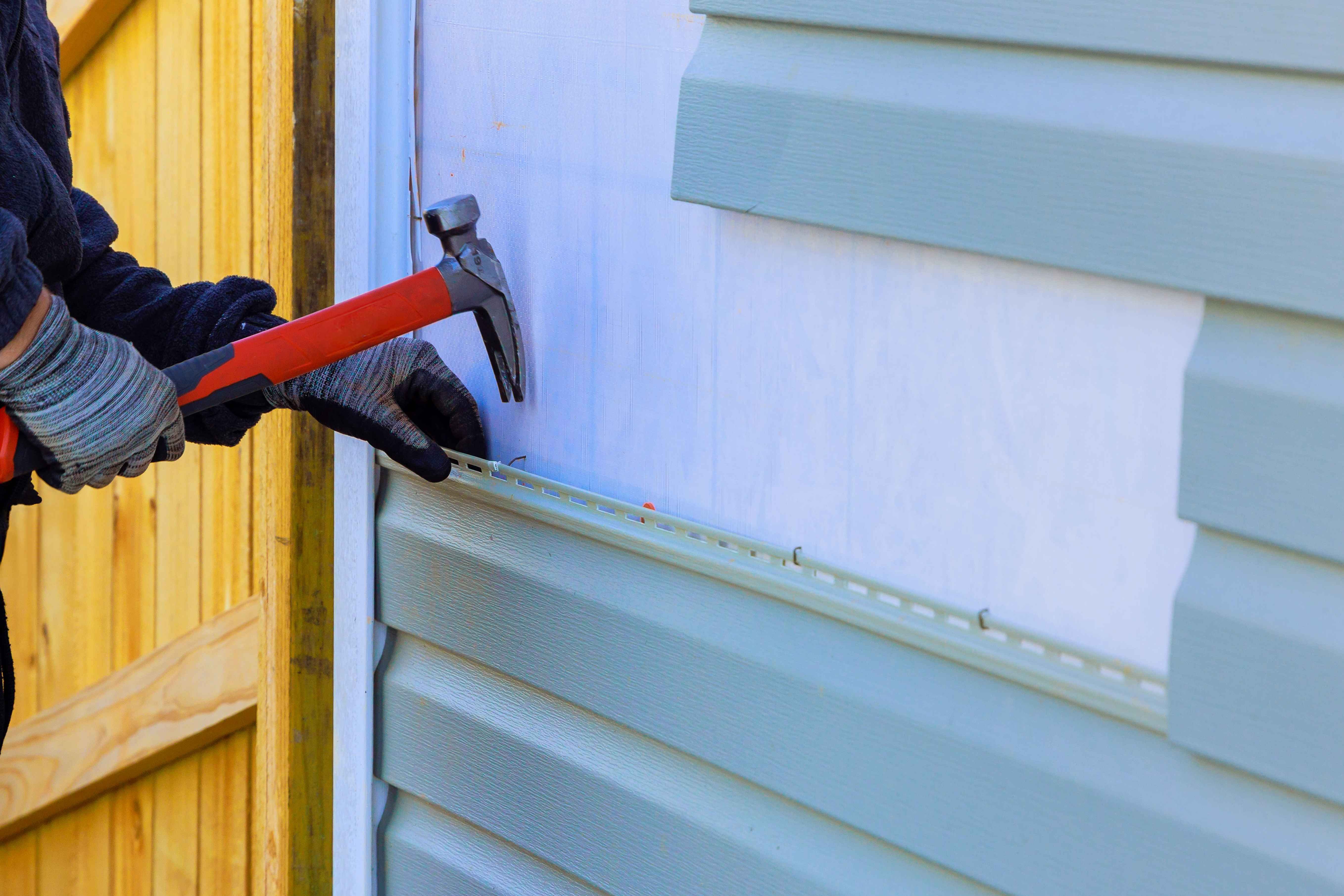
- Lightweight design allows for fast, easy installation
- Available in a wide range of colors and styles
- Moisture and pest resistant
- Can warp, fade, and become damaged from high heat, strong UV exposure, and severe weather
- Can trap moisture behind panels, potentially leading to hidden issues
Cons
- Typically has a shorter lifespan and requires costly repairs or replacements sooner than other siding materials
- Lower return on investment (ROI) than premium materials
The 3 Big Pros of Vinyl Siding
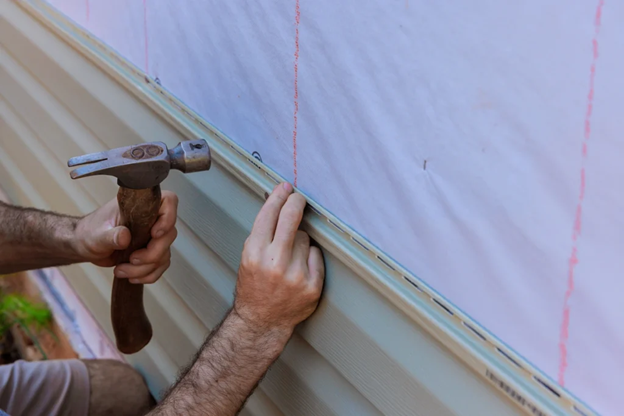
1. Lower Upfront Cost
Lower Upfront CostOne of vinyl siding’s most significant advantages is its affordability. Compared to premium siding materials such as fiber cement and metal, vinyl typically has a lower material cost, which can range from $4-$12 per square foot.
On top of that, installation costs are also generally lower. Because vinyl is lightweight and easier to handle, crews can install it more quickly with less specialized equipment and fewer labor hours. This combination of lower material and labor costs often makes vinyl one of the most budget-friendly siding options available for homeowners.
2. Wide Variety of Colors and Styles
Homeowners can choose from an assortment of colors, profiles, and textures designed to mimic everything from traditional lap siding to board-and-batten, and even wood-grain finishes.
Because the color is manufactured directly into the material rather than applied as a surface coating, it does not require regular repainting like wood or some fiber cement systems. This built-in coloration helps reduce ongoing maintenance.
3. Resistant to Moisture and Pests
Vinyl siding does not absorb water, easily sheds rain, and is not a food source for wood-eating pests, which gives it a natural advantage in humid, pest-prone environments. Unlike wood siding, it will not rot, warp from prolonged moisture, or be damaged by termites or carpenter ants.
This resistance can be a significant advantage, as vinyl can serve as an effective exterior barrier when it is properly installed with correct flashing and a high-quality moisture management system behind the siding system.
The Cons of Vinyl Siding
There's no question that the Southern climate is demanding on a home's exterior. Long, hot summers, intense UV exposure, high humidity, and severe storms can all take a toll on siding materials.
While vinyl siding can perform adequately in some regions, these environmental conditions often accelerate wear and shorten its lifespan compared to premium siding materials.
Heat and UV Exposure
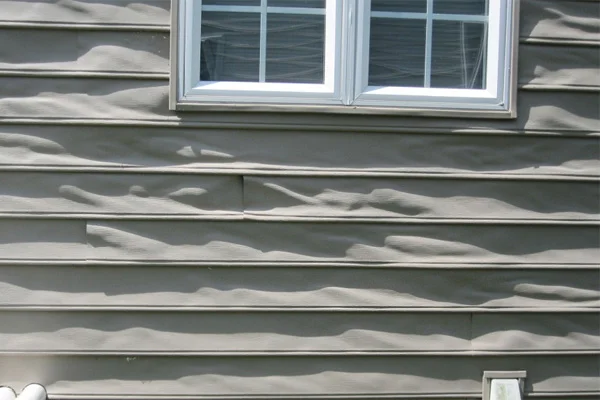
Vinyl siding is made from polyvinyl chloride (PVC), a plastic-based material that naturally expands and contracts as temperatures fluctuate. This movement is one of vinyl’s biggest challenges in the South, where summer temperatures regularly climb into the 90s and siding surfaces can become significantly hotter than the surrounding air.
Please note that south- and west-facing walls of a home get the most direct sun.
Over time, prolonged exposure to intense heat can cause:
- Warping: Panels may bend or lose their original shape when exposed to prolonged high temperatures.
- Buckling: Sections of siding can bulge outward when expansion has nowhere to go.
- Rippling: The siding may develop a wavy appearance that affects the home's curb appeal.
- Premature aging: Years of UV and thermal stress break down vinyl’s molecular structure, which can shorten the material's overall lifespan.
Darker-colored vinyl siding is especially vulnerable because it absorbs and retains more heat than lighter colors.
In some cases, sunlight reflected from Low-E windows, nearby pavement, or backyard grills can generate enough heat to visibly distort vinyl siding panels
Color Fading Can Hurt Your Curb Appeal
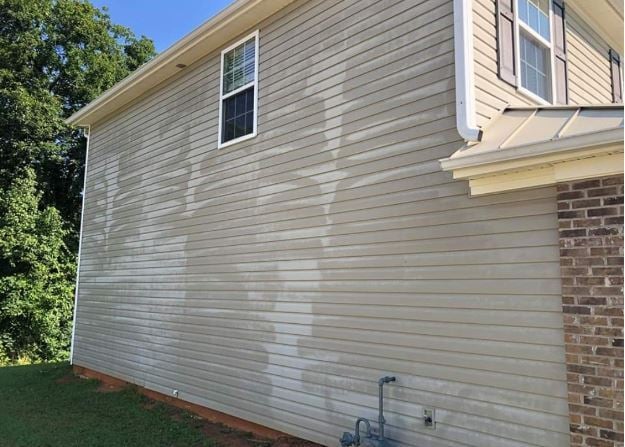
One of the most common complaints homeowners have with vinyl siding in the South is fading. The region's intense sunshine and high UV index can gradually break down the pigments and chemical bonds within the material.
Over time, homeowners may notice:
Dull or washed-out colors: The original vibrancy of the siding begins to fade.
Uneven discoloration: Sides of the home that get more sun exposure often fade more quickly than shaded portions of the home. This can create a patchy, uneven look.
Chalky appearance: Aging vinyl can develop a faded, powdery look as UV rays break down the outer layer.
Reduced aesthetic appeal: Uneven coloring can make the home appear older and less maintained.
Unfortunately, once vinyl begins to fade, color-matching replacement panels can be nearly impossible.
Trapped Moisture Can Lead to Mold
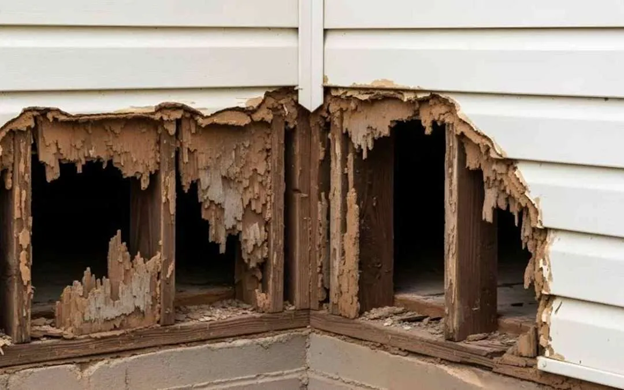
Vinyl siding is indeed moisture resistant since it doesn’t absorb water, rot, or break down when exposed to moisture.
Nonetheless, water can still get behind the panels through wind-driven rain, loose panels, small installation gaps, flashing failures, and openings around windows. Once moisture enters, vinyl does not provide visible warning signs. Unlike wood, it won’t swell or stain, so underlying damage can go unnoticed while the exterior still appears intact.
Hidden moisture intrusion can lead to:
Mold and Mildew Growth: Excess moisture creates the ideal environment for mold and mildew, leading to staining, unpleasant odors, reduced indoor air quality, and potential health concerns.
Structural and Moisture Damage: Trapped moisture can saturate sheathing, insulation, and framing. This can cause swelling, warping, rot, reduced energy efficiency, and the loss of structural strength over time.
By the time symptoms become visible, such as interior water stains, soft spots in the wall, or noticeable siding movement, the underlying damage may already require extensive repair.
Storm Durability
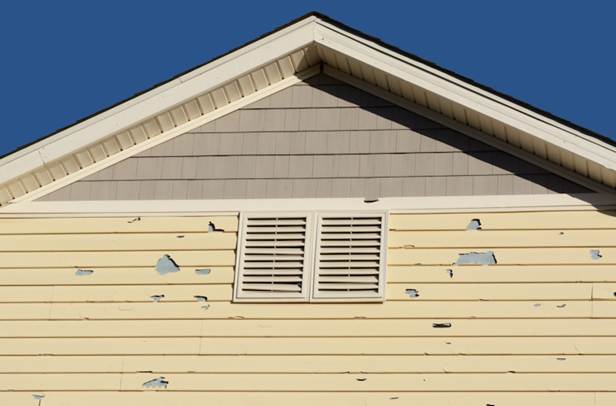
The South is one of the most storm-prone regions in the country, with weather activity that regularly includes hurricanes, severe thunderstorms, hail, and high winds. These conditions place repeated and often extreme stress on a home’s exterior, making storm resistance a critical factor when evaluating siding performance.
While vinyl siding can hold up under moderate weather conditions, it becomes significantly more vulnerable during severe storm events compared to more durable materials such as fiber cement or metal siding.
High Winds: Vinyl siding is designed to expand and contract with temperature changes, but this flexibility can become a weakness during severe storms. Strong winds can loosen or tear away panels, allowing wind-driven rain to penetrate behind the siding and increase the risk of moisture damage.
Hail and Flying Debris: Hail and wind-blown debris can crack, dent, puncture, or chip vinyl siding. Even small openings can allow moisture to enter the wall system, potentially leading to mold growth and deterioration of the underlying materials if left unrepaired.
Shorter Lifespan
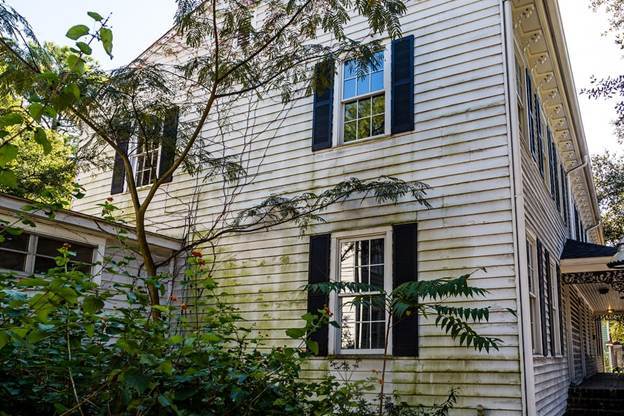
Manufacturers often advertise vinyl siding as lasting 20-40 years, but in Southern climates its lifespan is typically shorter due to heat, humidity, UV exposure, and severe weather.
Constant temperature swings cause expansion and contraction that gradually stress the material, while strong UV exposure leads to fading and surface weakening. Heavy rain and humidity can also contribute to hidden moisture issues behind the panels.
Storms add further wear over time, with wind, hail, and debris causing cumulative damage even when individual events appear minor.
As a result, homeowners in Southern climates often see:
- Faster fading
- Earlier warping or distortion
- More frequent storm-related repairs
- Increased long-term maintenance.
Vinyl siding in the South often requires replacement several years sooner than it might in milder, more stable climates, depending on exposure and installation quality.
The Hidden Costs of Vinyl: What Adds Up Over Time
While the biggest advantage of vinyl siding is its low upfront cost, ongoing maintenance is where many of the long-term expenses begin to add up.
Over time, homeowners may need to address issues such as cracked or loose panels after storms, fading from intense sun exposure that creates uneven color across the exterior, and warping caused by heat and temperature changes.
Moisture can also become a hidden cost factor. When water gets behind vinyl panels, it can lead to hidden damage within the siding system that requires more extensive and costly repairs than surface-level fixes.
Even routine repairs can become complicated. Replacement panels often don’t match the original color due to sun fading, which can make small fixes noticeable and sometimes force larger sections to be replaced for a consistent appearance.
Over time, these accumulating maintenance needs, combined with weather exposure and gradual aging, can increase overall lifetime expenses beyond the initial investment and, in some situations, lead to early full replacement.
Does Vinyl Siding Make Sense for Me?
Vinyl siding can be a reasonable choice for homeowners working with a limited budget or those who need a quick, cost-effective installation.
It may also make sense if you plan to sell your home in the near future or are managing a rental property where keeping upfront costs low is a priority over long-term performance.
When Should You Consider Other Siding Options?
You may want to consider alternative siding materials if you plan to stay in your home for 20 years or more and durability is a top priority. Other options may also be a better fit if you live in an area with frequent storms, want minimal long-term maintenance, or are focused on maximizing resale value.
Overall, homeowners in extreme Southern climates benefit from choosing siding materials designed to perform better under heat, humidity, UV exposure, and severe weather conditions.
Our Recommendation for Southern Homeowners
Vinyl siding can be a practical choice for homeowners seeking an affordable, budget-friendly exterior solution.
However, for homeowners prioritizing long-term durability, weather resistance, and overall value, vinyl is generally not the best choice. Vinyl often struggles to withstand the heat, humidity, UV exposure, and severe storms common throughout the South.
More durable materials like James Hardie fiber cement and metal siding are better suited to these conditions, offering superior resistance to moisture, impact, pests, and extreme weather while providing a longer lifespan and lower maintenance requirements over time.
That's why many homeowners across Georgia, Tennessee, and the Southeast choose more durable siding materials designed for harsh climate conditions.
Not Sure Which Siding Option is Right for Your Home?

Our team at Pacific Exteriors can help you compare materials and choose a solution that fits your budget, long-term goals, and local climate. We proudly provide expert siding installation throughout the Southeast and Pacific Northwest using premium products from industry-leading manufacturers, transparent communication, and exceptional craftsmanship backed by trusted warranties.
Schedule your free siding consultation today and discover the best exterior solution for your home.
Topics: