
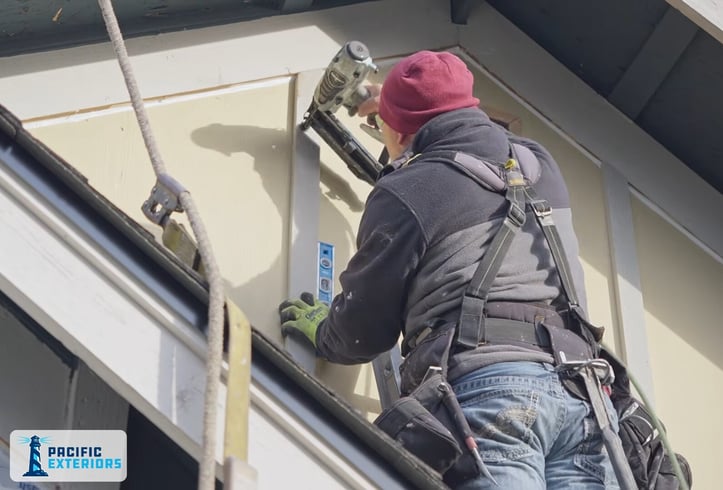
Choosing the right siding is an important investment in your home's appearance, durability, and protection. However, even the highest-quality siding materials can fail prematurely if they are not installed correctly.
Proper siding installation is just as important as the material itself because it determines how well your exterior protects against moisture, changing temperatures, wind, and everyday wear.
For example: cutting corners can lead to hidden water damage, premature deterioration, costly repairs, and even voided manufacturer warranties.
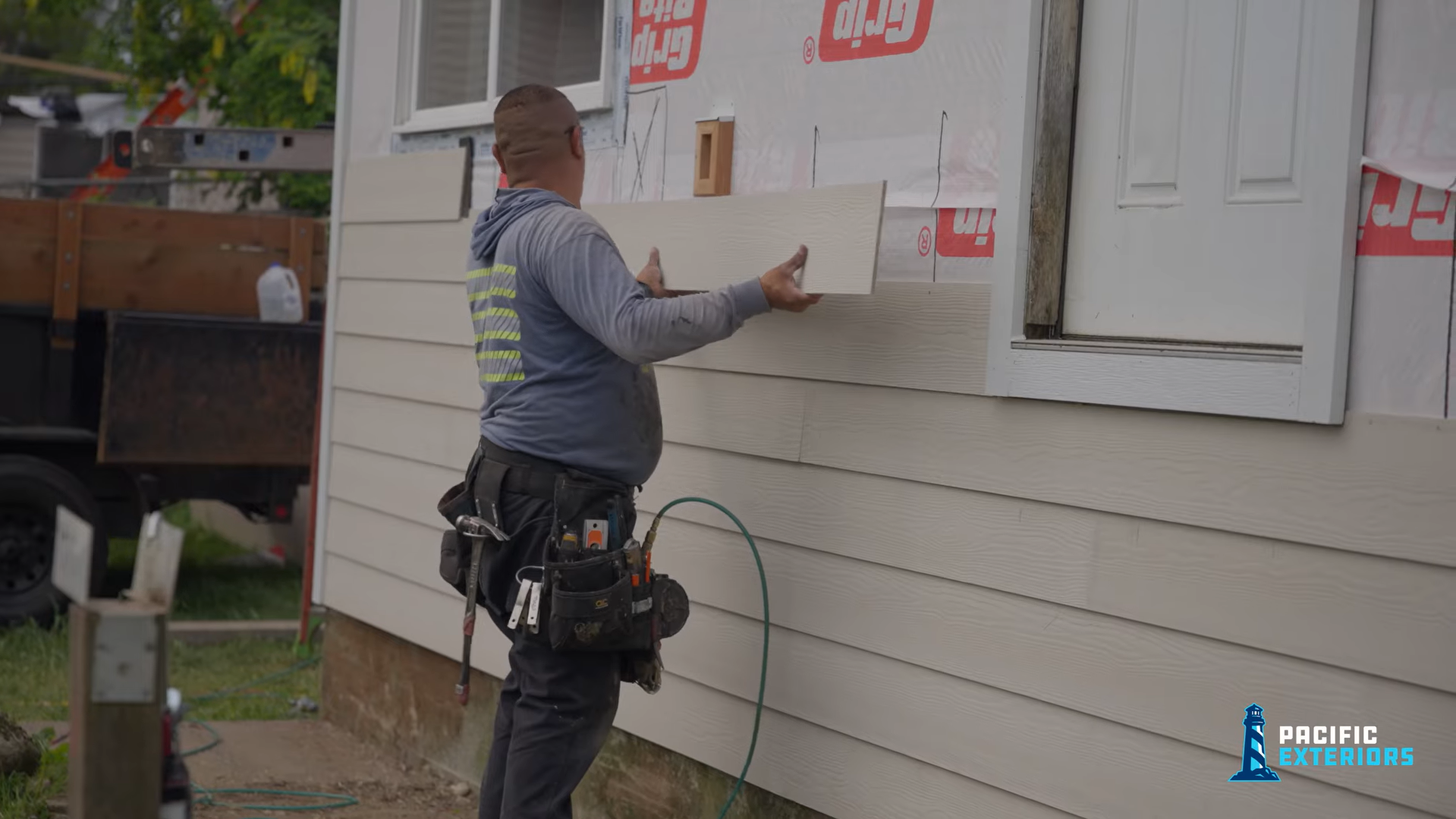
At Pacific Exteriors we understand that quality siding installation goes beyond simply attaching materials to your home. Since 2008, our team has helped homeowners protect and improve their homes through careful installation, quality workmanship, and attention to detail. We know that proper preparation and installation techniques are essential to achieving long-lasting performance, protecting against moisture intrusion, and getting the most value from your siding investment.
In this guide, we'll explain why proper siding installation matters, common installation mistakes to avoid, and what homeowners should look for when choosing a professional siding contractor.
At a Glance: Key Benefits of Proper Siding Installation
|
Key Benefit |
Why It Matters |
|
Moisture Protection |
Proper flashing, house wrap, and drainage help prevent water intrusion, wood rot, and mold. |
|
Long-Term Durability |
Correct fastening, spacing, and alignment help prevent premature siding failure. |
|
Energy Efficiency |
Proper installation helps reduce unwanted air infiltration and maintain indoor comfort. |
|
Warranty Protection |
Following manufacturer guidelines helps preserve applicable product warranty coverage. |
|
Quality Workmanship |
Experienced contractors ensure every component works together as a complete siding system. |
Why Does Proper Siding Installation Matter?
Siding does more than improve your home's curb appeal. It serves as the first line of defense against the elements, helping protect the underlying structure from rain, wind, moisture, and temperature fluctuations.
However, siding is not a completely waterproof barrier on its own. It relies on several underlying components working together to keep your home protected.
Here’s how a high-quality siding system benefits your home’s protection:
Moisture Protection
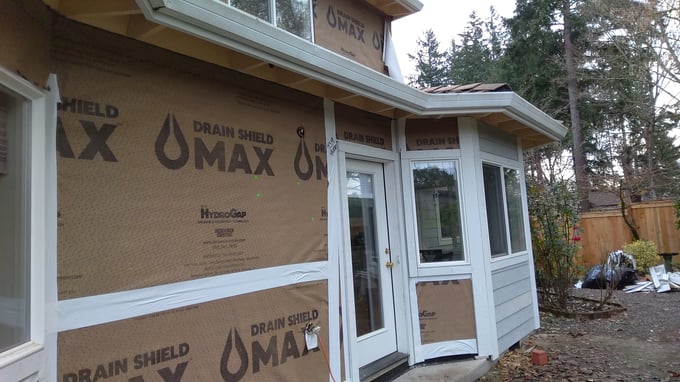
Properly installed house wrap, flashing, and siding overlaps help direct water away from your home's underlying structure. Without these protective layers, moisture can seep behind the siding and cause wood rot, mold, and structural damage.
Long-Term Durability
Correct fastening, spacing, and alignment help siding withstand changing weather conditions/temperatures. Following the appropriate installation techniques also prevents premature cracking, warping, buckling, and loose panels.
Energy Efficiency
Properly fitted siding and weather-resistant barriers help reduce unwanted air infiltration. This supports your home's thermal envelope, helping maintain comfortable indoor temperatures throughout the year.
Improved Appearance
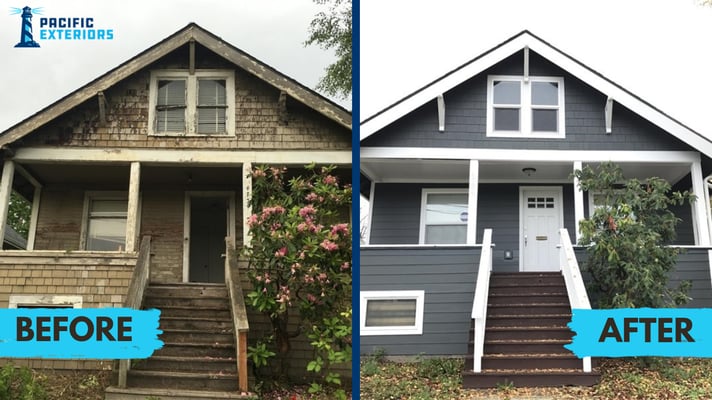
Professional installation creates clean lines, consistent spacing, and properly aligned panels. These details contribute to a polished exterior and help maintain your home's curb appeal.
Warranty Protection
Most siding manufacturers require products to be installed according to their specific guidelines. Failing to follow these requirements can affect and potentially void warranty coverage, leaving homeowners responsible for certain product failures.
Ultimately, investing in professional siding installation helps protect your home and allows you to get the most out of your siding investment.
Common Siding Installation Mistakes
Siding installation involves more than attaching panels to the exterior of your home. Each material has specific requirements for fastening, spacing, moisture management, and finishing. When a contractor overlooks these details or cuts corners, seemingly minor installation errors can lead to significant problems.
Here are some of the most common siding installation mistakes homeowners should know about:
1. Improper Flashing and Weather-Resistant Barriers
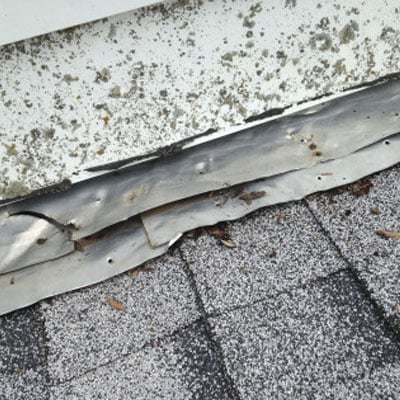
*Siding is experiencing mold damage as a result from poor flashing on the roof-to-wall intersection
One of the most important parts of a siding installation happens beneath the siding itself. A weather-resistive barrier (WRB), commonly known as house wrap, is installed over the exterior wall sheathing to help prevent water from reaching the underlying structure.
Flashing is equally important component that’s installed around vulnerable areas such as windows, doors, siding panel joints, roof-to-wall intersections, and other openings to redirect water away from the home.
These components must be properly integrated so water flows downward and outward rather than becoming trapped behind the siding. Missing flashing, torn house wrap, or incorrectly overlapped barriers can allow moisture to reach the sheathing and framing which ultimately leads to water damage, rot, and potential structural concerns.
Because these protective layers are covered once installation is complete, homeowners may not realize they were installed incorrectly until signs of water damage appear.
2. Incorrect Fastening and Nail Placement
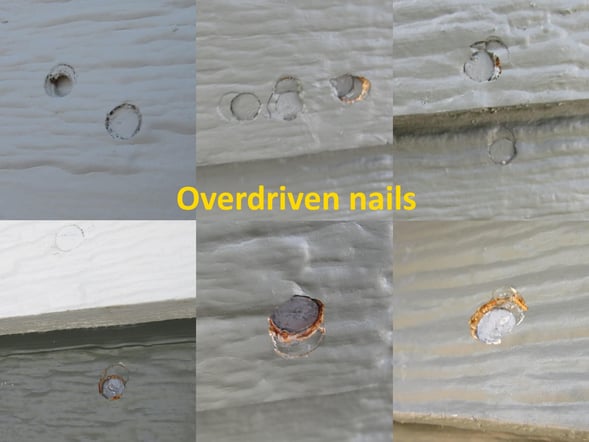
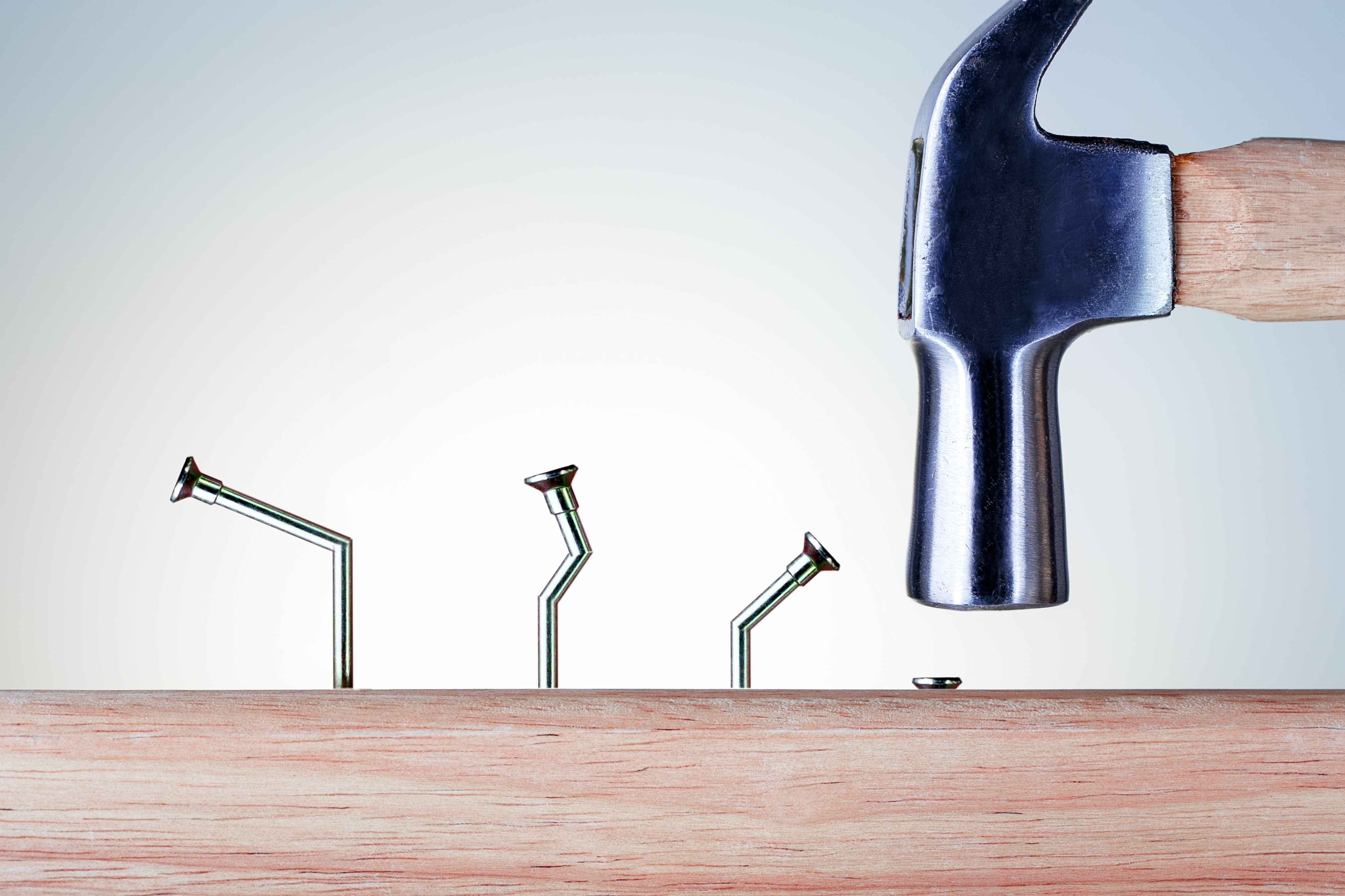
Using the wrong fasteners/nails or installing them incorrectly can compromise your siding's stability and durability.
Every siding material or manufacturer has specific fastening requirements, including the appropriate nail type, placement, spacing, and depth. Nails driven too tightly can restrict natural material movement, while fasteners placed incorrectly may prevent panels from staying securely attached to the home.
For example, vinyl siding needs room to expand and contract as temperatures change. If panels are nailed too tightly against the wall, they can buckle, warp, or develop visible waves over time.
Using incompatible or corrosion-prone fasteners can also cause rust stains and weaken the siding's attachment.
3. Ignoring Expansion and Contraction
Siding materials naturally respond to changes in temperature and environmental conditions. Depending on the material (like vinyl), panels may expand in warmer weather and contract when temperatures drop.
Professional installers account for this movement by following the manufacturer's requirements for spacing, clearances, and fastening techniques.
When siding is installed too tightly against trim, corners, or adjoining panels, it may not have enough room to move. This can cause buckling, cracking, splitting, or gaps that allow moisture to enter.
Proper expansion allowances are particularly important for vinyl and other siding products that require specific movement clearances.
4. Poor Cutting, Spacing, and Alignment
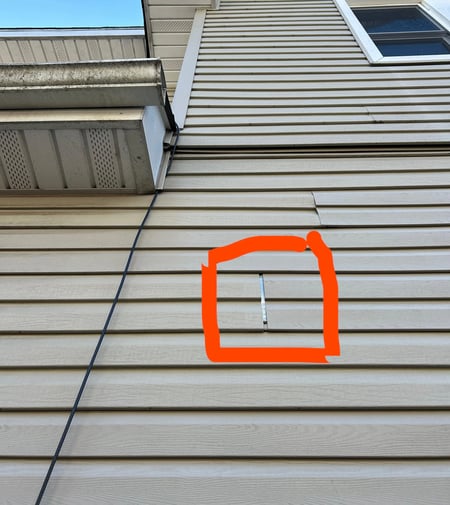
Accurate measurements and careful installation are essential for achieving a consistent, professional finish.
Panels that are cut too long may become trapped against trim as temperatures change, while panels cut too short can leave noticeable gaps. Uneven starter strips or poorly aligned rows can also create crooked siding lines that negatively affect your home's appearance.
These mistakes are not just cosmetic. Improper spacing and poorly fitted joints can interfere with the siding system's ability to shed water, potentially contributing to moisture intrusion and premature deterioration.
5. Installing New Siding Over Existing Damage
Another common mistake is installing new siding without properly inspecting the underlying structure.
Once old siding is removed, contractors can examine the sheathing and framing for signs of moisture damage, wood rot, mold, or pest activity. Any compromised materials should be addressed before new siding is installed.
Covering damaged or deteriorated areas with new siding does not resolve the underlying problem. Instead, it can trap moisture and allow existing damage to continue spreading behind the new exterior.
Proper preparation helps ensure the new siding has a stable surface and that potential problems are addressed before they become more expensive repairs.
What Happens When Water Gets Behind Improperly Installed Siding?
When moisture enters the wall assembly without a proper drainage path, it can become trapped against the underlying materials.
Over time, this can cause several problems:
|
Potential Problem |
How It Affects Your Home |
|
Wood Rot |
Persistent moisture can deteriorate plywood sheathing, wall studs, and other structural components. |
|
Mold and Mildew |
Damp conditions inside wall cavities create an environment where mold and mildew can develop. |
|
Insulation Damage |
Wet insulation can lose its thermal resistance, reducing its ability to regulate indoor temperatures. |
|
Interior Water Damage |
Moisture can reach drywall, baseboards, and flooring, causing stains, peeling paint, and warped surfaces. |
|
Pest Problems |
Moisture-damaged wood and openings in the exterior can attract insects and other pests. |
The concerning part is that much of this damage can develop out of sight. By the time homeowners notice musty odors, interior water stains, or soft spots around exterior walls, the underlying damage may already be extensive.
If you notice these warning signs, have your siding and underlying wall assembly evaluated before the problem progresses.
How Can Improper Installation Affect Your Siding Warranty?
A high-quality siding product typically comes with a manufacturer warranty, but that coverage is often conditional on proper installation.
Siding manufacturers establish specific requirements for installation methods, fasteners, spacing, clearances, and finishing details. These guidelines are designed to ensure the product performs as intended throughout its service life.
If a contractor fails to follow the manufacturer's specifications, certain warranty claims may be denied.
For example
Warped or buckled siding panels that are the result from over-driven nails is considered an installation problem/mistake and will not receive the manufacturer’s warranty coverage for that affected area.
It's important to understand that manufacturer warranties generally cover qualifying product defects or damages that occurred during the manufacturing process, not poor workmanship. Meanwhile, a contractor/labor workmanship warranty will provide coverage for installation-related issues, depending on its terms.
Before starting a siding replacement project, ask your contractor about both the manufacturer's product warranty and the workmanship warranty. Following the manufacturer's installation guidelines helps preserve applicable product coverage and gives homeowners greater confidence in their investment.
What Should You Look for in a Professional Siding Contractor?
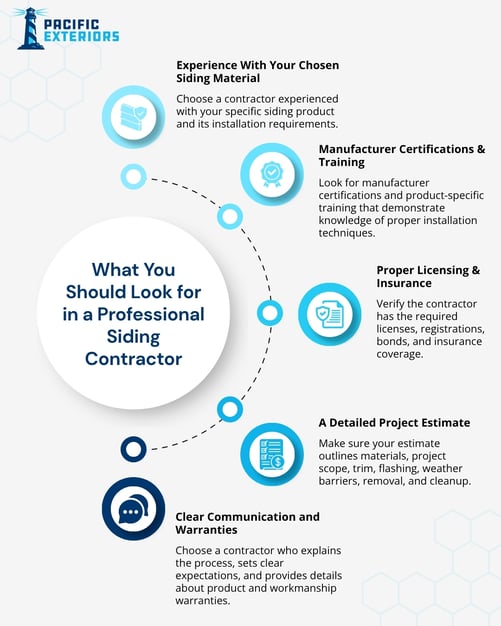
Choosing the right siding contractor is just as important as choosing the right material. A qualified contractor should understand how different siding products are installed and how each component contributes to your home's overall weather protection.
Here are a few things to consider when comparing siding installation contractors:
Protect Your Home with Professional Siding Installation from Pacific Exteriors

Your siding is a long-term investment, and the quality of its installation plays a major role in how well it protects your home. From proper moisture management and flashing to material-specific fastening techniques, every detail matters.
At Pacific Exteriors we take the time to understand your home's needs, discuss your options, and provide recommendations based on your goals, budget, and vision. Whether you're considering fiber cement, vinyl, cedar, or another siding material, our team can help you find an exterior solution that makes sense for your home.
Planning a siding replacement project? Schedule Your In-Person Estimate
Contact Pacific Exteriors for a free, no-obligation siding estimate. Our team will evaluate your home's exterior, discuss your options, and help you take the next step toward a properly installed siding system built to protect your home.
Not Ready for a Consultation?
Still exploring your options? Get free siding and roofing samples shipped to your door and see what works best for your home.
Get Free Samples
Frequently Asked Questions About Proper Siding Installation
Why is proper siding installation important?
Proper siding installation helps protect your home from moisture intrusion, wind, temperature fluctuations, and everyday weather exposure. It also improves your home's durability, appearance, and energy efficiency while helping preserve applicable manufacturer warranties.
What are the most common siding installation mistakes?
Common siding installation mistakes include improper flashing, incorrectly installed house wrap, incorrect nail placement, insufficient expansion gaps, poor panel alignment, and installing new siding over existing moisture damage. These issues can lead to premature deterioration, water intrusion, and costly repairs.
Can improperly installed siding cause water damage?
Yes. Improper flashing, missing weather-resistant barriers, and poorly sealed joints can allow water to penetrate behind siding. Over time, trapped moisture can cause wood rot, mold growth, damaged insulation, and even structural deterioration.
Does improper siding installation void the manufacturer's warranty?
Improper installation can affect or void certain manufacturer warranty coverage. Most siding manufacturers require their products to be installed according to specific guidelines. If installation errors cause product damage, the manufacturer may deny related warranty claims.
How do I know if my siding was installed incorrectly?
Common warning signs include warped or buckling panels, uneven siding lines, loose boards, visible gaps, water stains, peeling interior paint, and recurring moisture problems. However, some installation issues occur behind the siding and may not be visible until more significant damage develops.
Should I hire a professional siding contractor or install siding myself?
Professional siding installation is generally recommended, especially for materials like fiber cement that require specialized tools, cutting techniques, and installation knowledge. An experienced contractor understands manufacturer specifications, moisture-management requirements, and proper fastening techniques that help ensure long-term performance.
What should I look for when choosing a siding installation contractor?
Look for an experienced, licensed, and insured contractor with a proven track record of quality workmanship. Ask about their experience with your chosen siding material, installation practices, manufacturer certifications, references, and workmanship warranty. A reputable contractor should also provide a detailed estimate and clearly explain the scope of work.
How long does professional siding installation last?
The lifespan of your siding depends on the material, product quality, installation, environmental exposure, and maintenance. For example, fiber cement siding can last approximately 30–50+ years with proper installation and maintenance. Following manufacturer guidelines during installation helps your siding achieve its expected lifespan.