
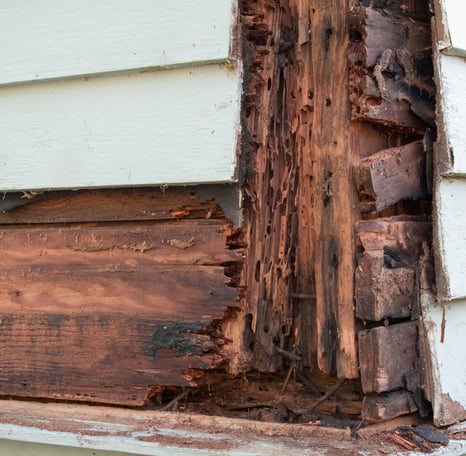
Structural damage can threaten your home's safety, stability, and long-term value. While some problems are easy to spot, others develop slowly behind siding, beneath roofing or siding materials.
For homeowners, knowing the warning signs of structural damage is essential to protecting their investment. From sagging rooflines and bowing walls to moisture damage behind siding, recognizing these issues early can help prevent further deterioration.
Since 2008, Pacific Exteriors has helped Pacific Northwest and Southeast homeowners protect their investments through quality siding, roofing, and exterior remodeling. With extensive experience identifying exterior issues, we understand how moisture intrusion, deteriorating materials, and roof damage can contribute to structural problems.
In this guide, we'll cover the common signs and causes of structural damage, how siding and roofing problems can affect your home's structure, when to seek professional help, and how to prevent costly deterioration.
Planning an exterior renovation?
Request free siding or roofing samples to help narrow down your choices.
7 Common Signs of Structural Damage
|
Warning Sign |
What It Could Indicate |
|
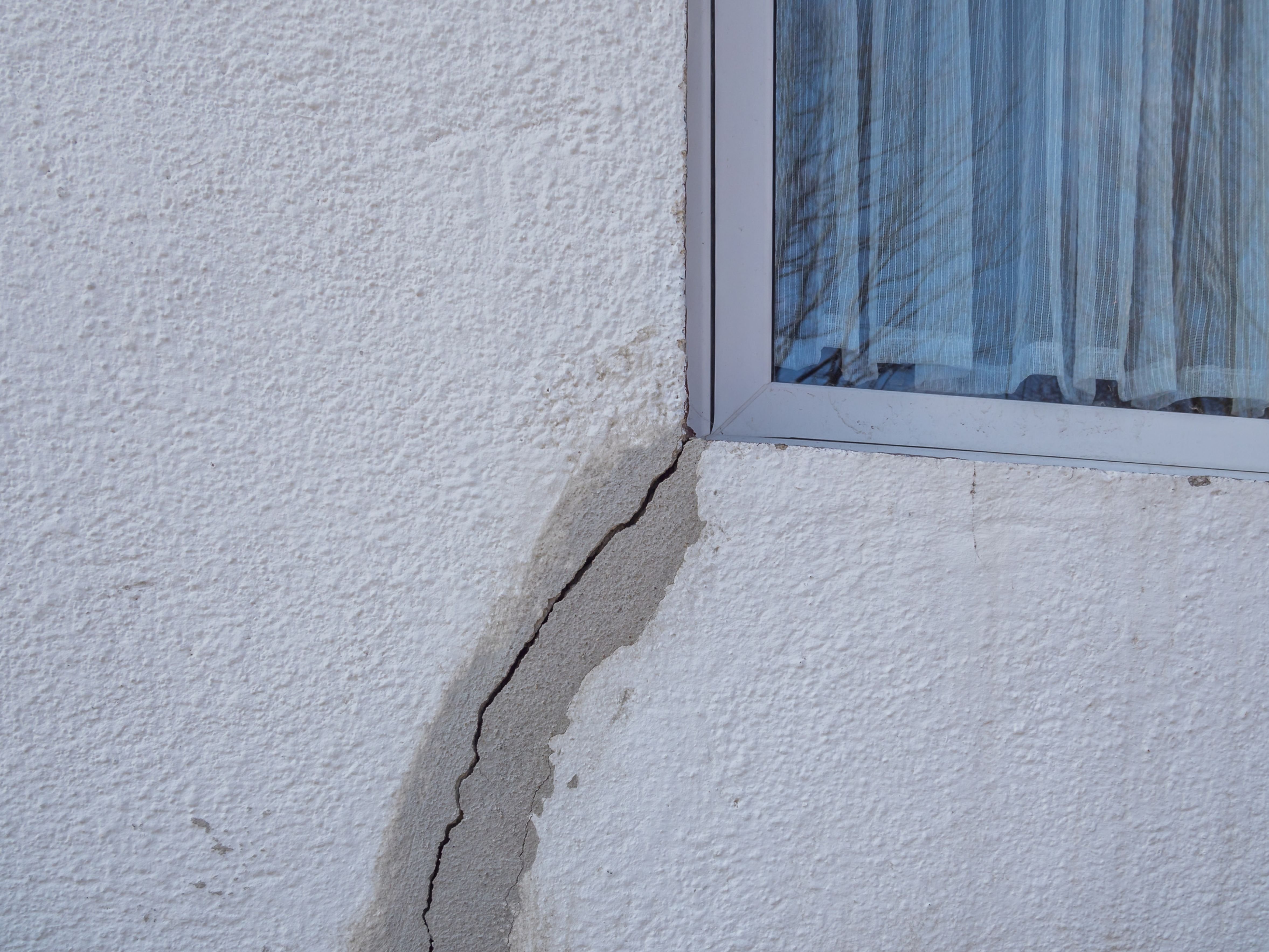
1. Foundation, Brick, or Wall Cracks |
Foundation movement, uneven settlement, or pressure against exterior walls. |
|
2. Sagging Rooflines |
Damaged roof decking, weakened rafters, or deteriorating roof supports. |
|
3. Warped, Buckling, or Loose Siding |
Improper installation, material deterioration, or moisture damage behind siding. |
|
4. Water Stains, Wood Rot, or Persistent Moisture |
Ongoing water intrusion that can weaken wood framing and structural components. |
|
5. Sticking Doors and Windows |
Shifting foundations or wall framing that causes openings to become misaligned. |
|
6. Uneven Floors or Sagging Ceilings |
Foundation settlement, weakened floor joists, damaged framing, or moisture deterioration. |
|
7. Recurring Cracks, Peeling Paint, or Other Changes |
Ongoing structural movement or unresolved moisture problems that keep returning after repairs. |
Remember: Not every crack or cosmetic imperfection indicates structural damage. Pay attention to changes that worsen over time, repeatedly return, or appear alongside other warning signs.
What Is Structural Damage?
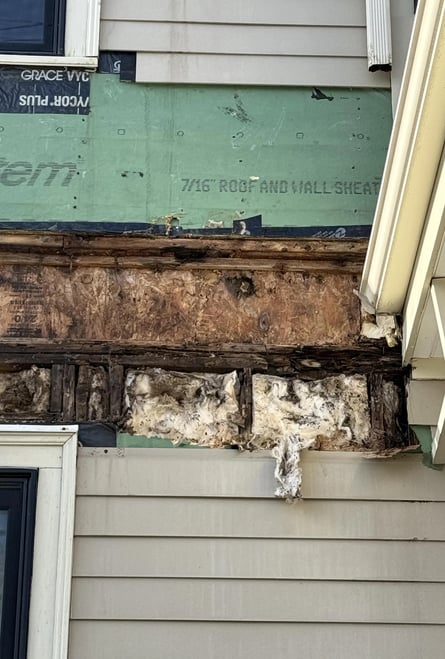
Structural damage occurs when the components responsible for supporting a home's weight and maintaining its stability become weakened, damaged, or compromised. These components include the foundation, load-bearing walls, framing, support beams, roof rafters, and trusses.
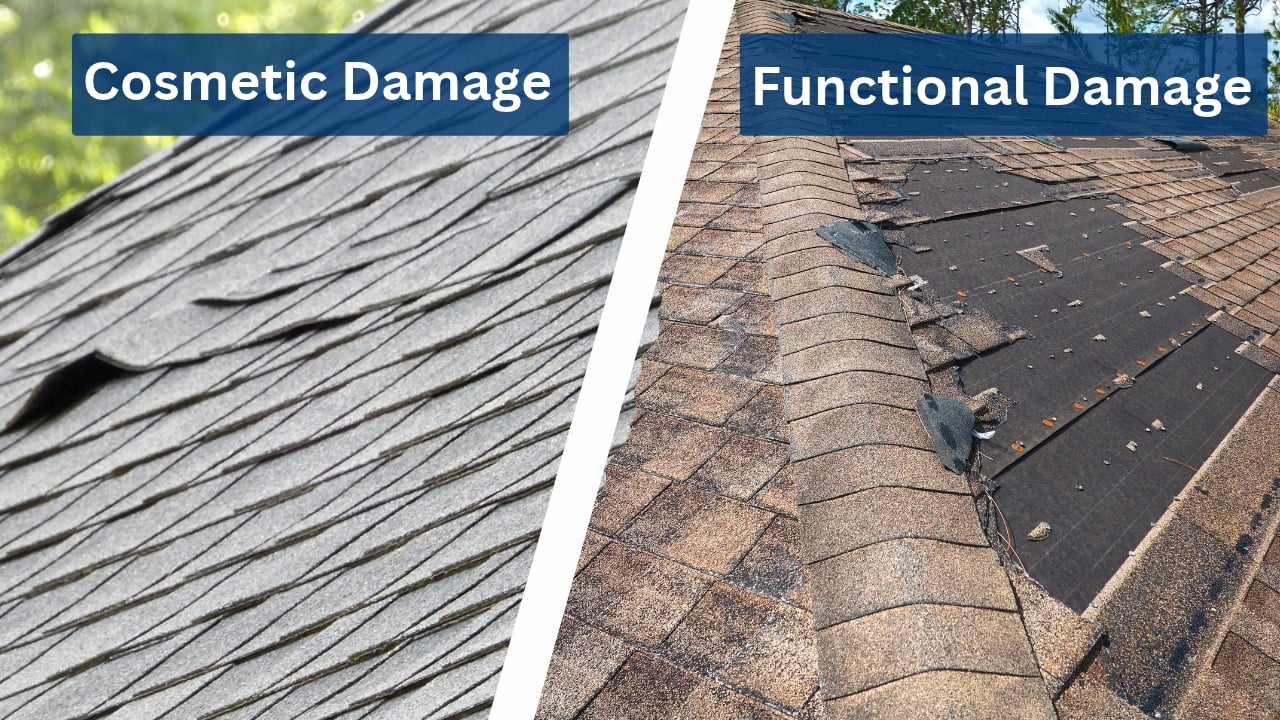
Unlike cosmetic damage, which primarily affects a home's appearance, structural damage can compromise its physical integrity and safety.
Cosmetic damage may include:
- Faded, chipped, or peeling exterior paint
- Minor scratches or dents in siding
- Surface-level wear from normal weather exposure
Potential structural damage may include:
- Widening foundation cracks or displaced/shifted masonry
- Bowing, leaning, or bulging exterior walls
- Sagging rooflines or deteriorating roof framing
- Severe wood rot affecting structural supports
- Moisture damage compromising wall sheathing or framing
Not every crack, stain, or uneven surface indicates a structural problem. However, damage that continues to worsen, reappears after repairs, or occurs alongside other signs of movement deserves further investigation.
6 Common Signs of Structural Damage Homeowners Should Know
Structural problems can appear in several areas of your home, including the foundation, exterior walls, roofing system, and interior living spaces. Knowing what to look for can help you identify potential issues before they become more extensive.
1. Sagging Rooflines or Uneven Roofing Surfaces
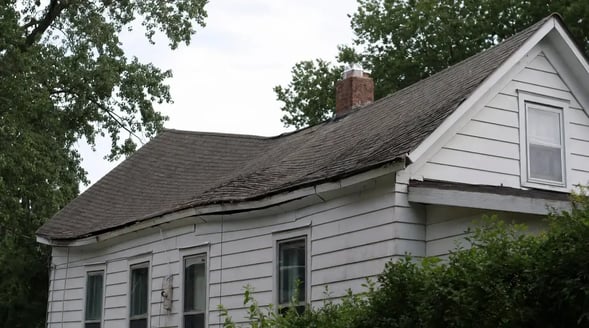
Your roof does more than protect your home from the elements. Its underlying framing helps support the weight of the roofing system and transfer structural loads throughout the house.
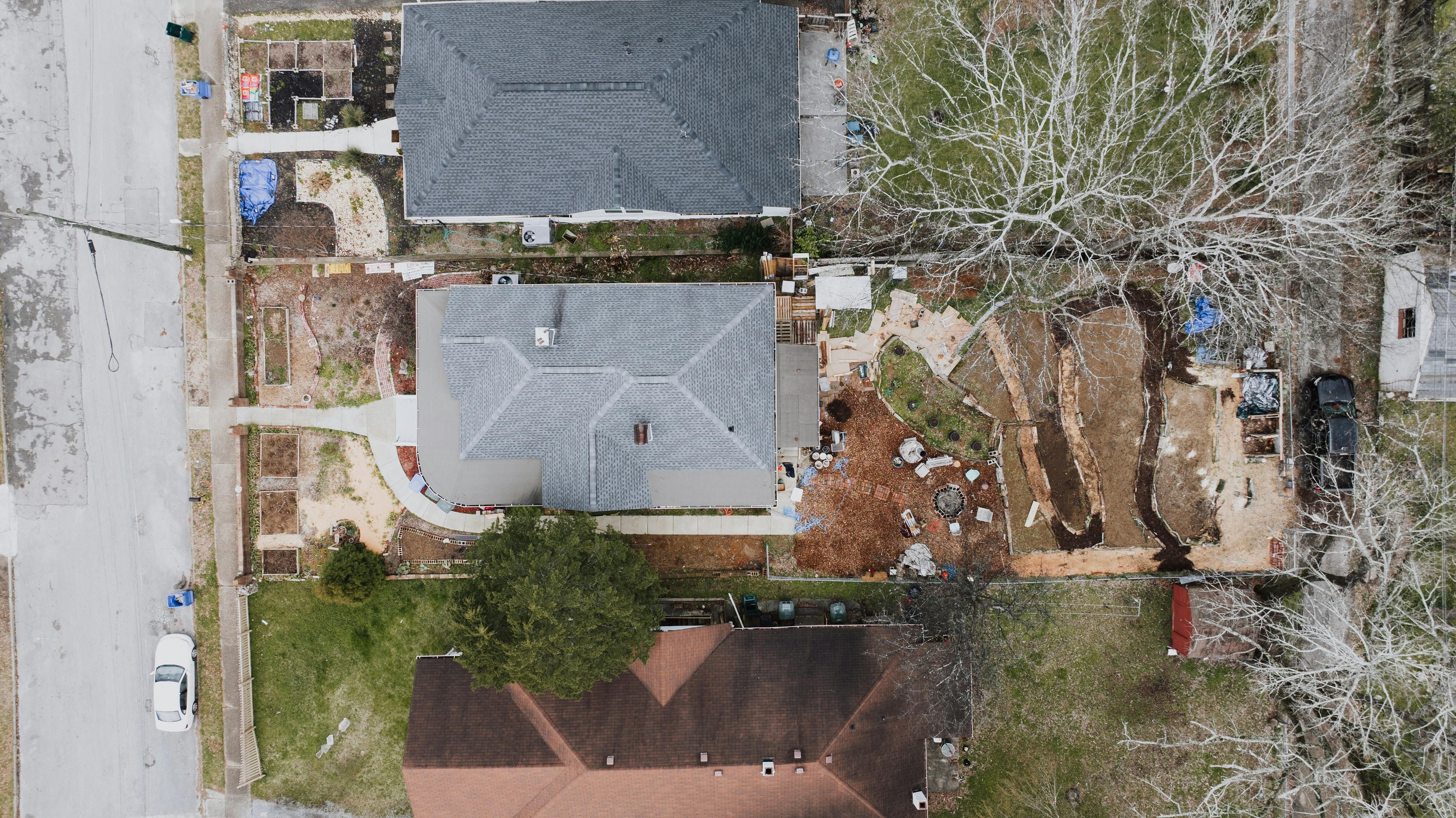
A visibly sagging or uneven roofline can indicate problems with the roof decking, rafters, trusses, or other supporting components.
Watch for:
- Dips or waves along the roofline
- A ridge that appears crooked or uneven
- Shingles that buckle, lift, or appear distorted
- Sagging roof sections between supporting rafters or trusses
- Water stains or signs of moisture in the attic
Not every uneven shingle indicates structural damage. However, widespread distortion or a noticeable change in the roof's shape deserves further investigation.
Moisture is another major concern. Damaged shingles, deteriorating flashing, or improperly installed roofing materials can allow water to reach the roof decking beneath them.
Over time, repeated moisture exposure can cause wood rot, weaken roof decking, and compromise supporting structures. Not to mention, having multiple layers of shingles on your roof can also add excessive weight and hide existing damage, increasing the risk of further deterioration.
If you notice a sagging roofline, avoid walking on the affected area. Have a qualified professional evaluate the condition of the roof.
2. Warped, Buckling, or Loose Siding
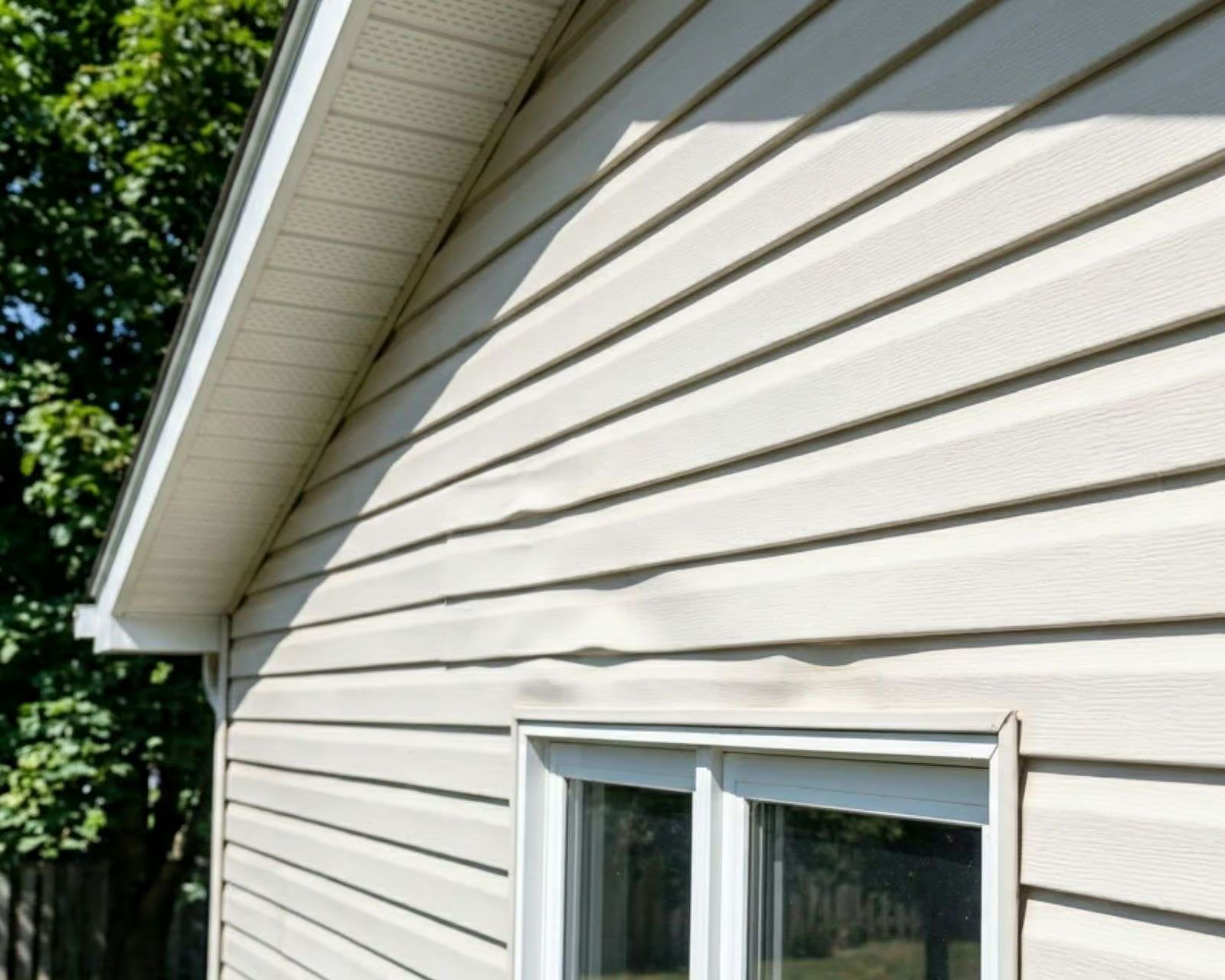
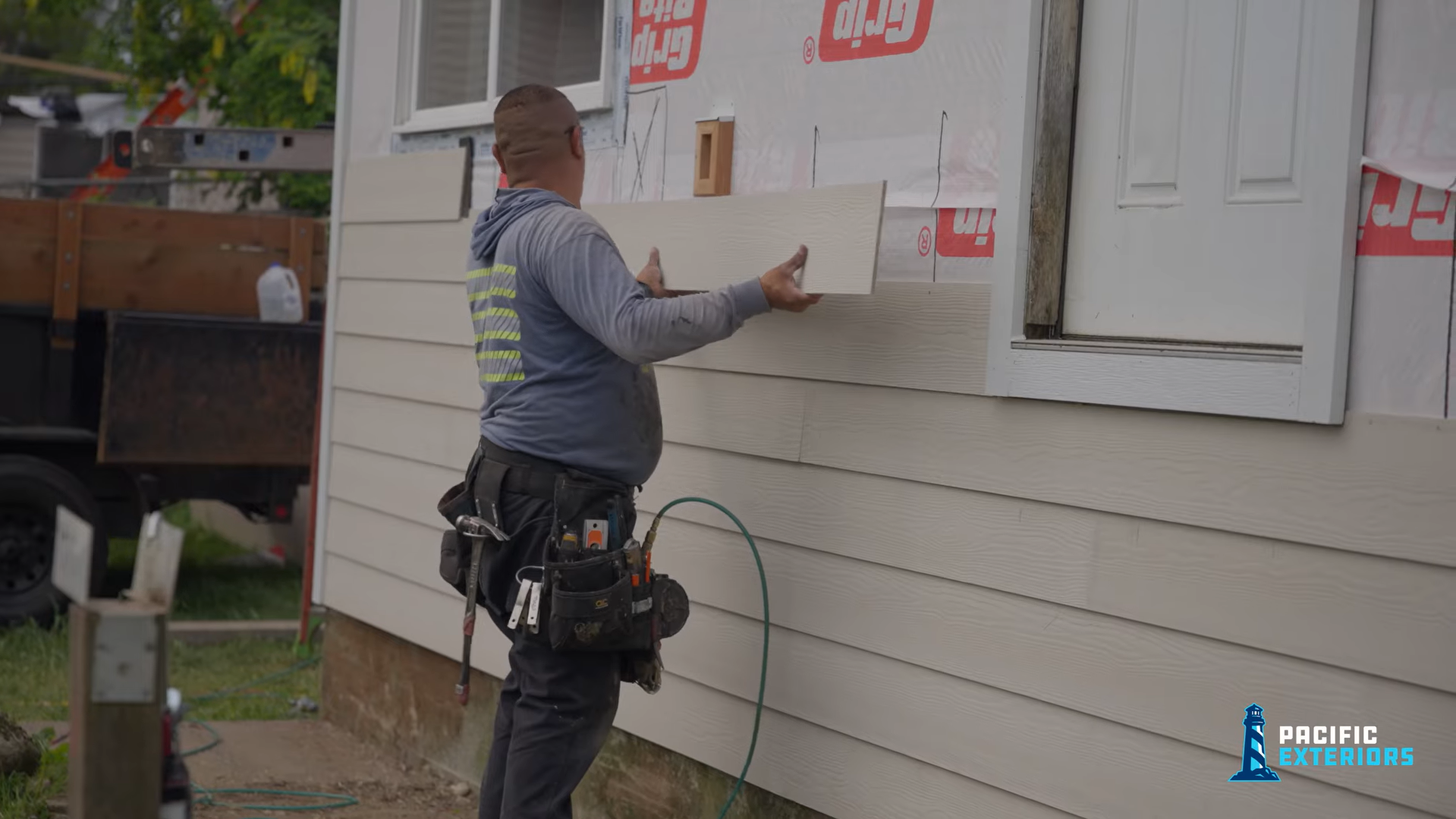
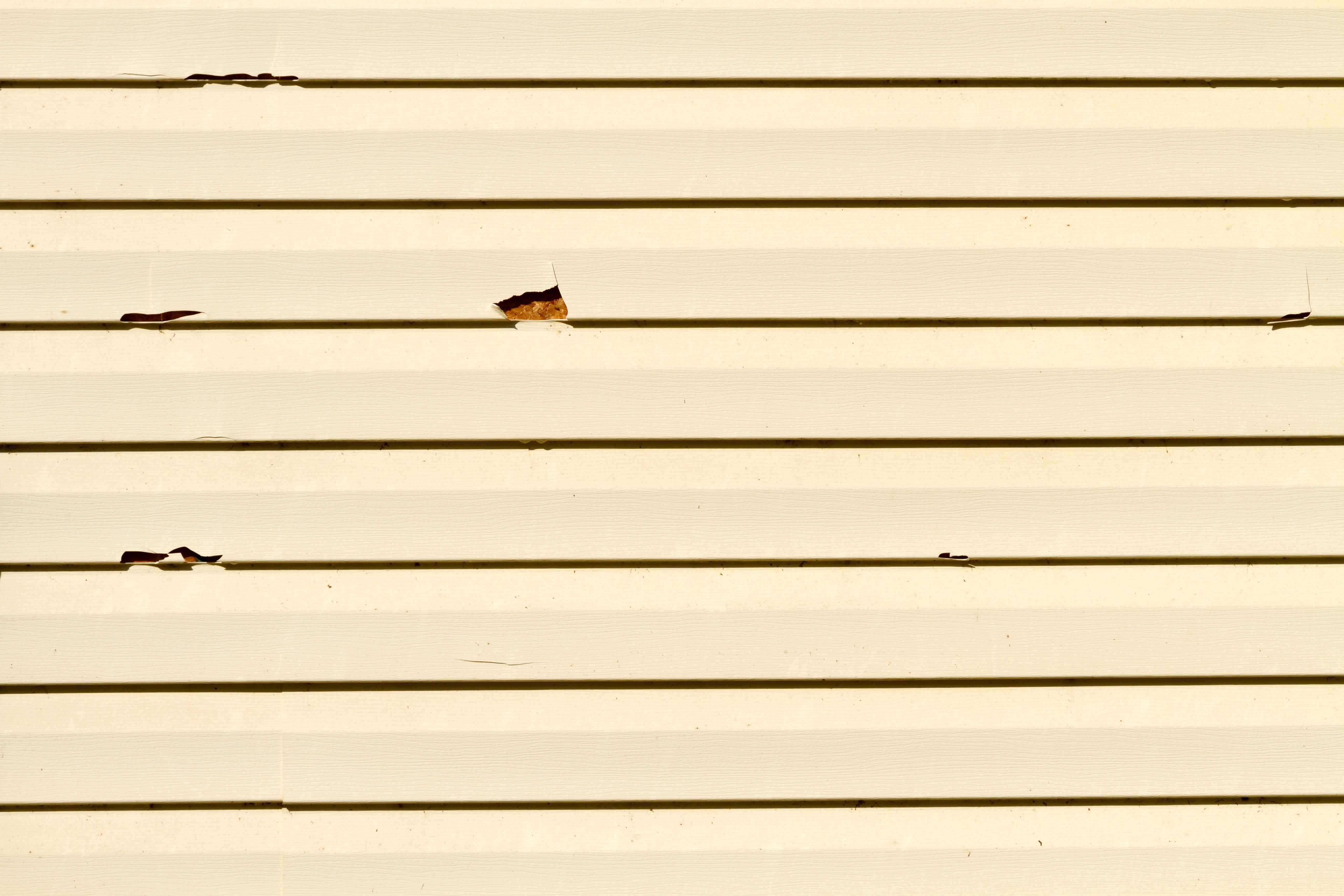
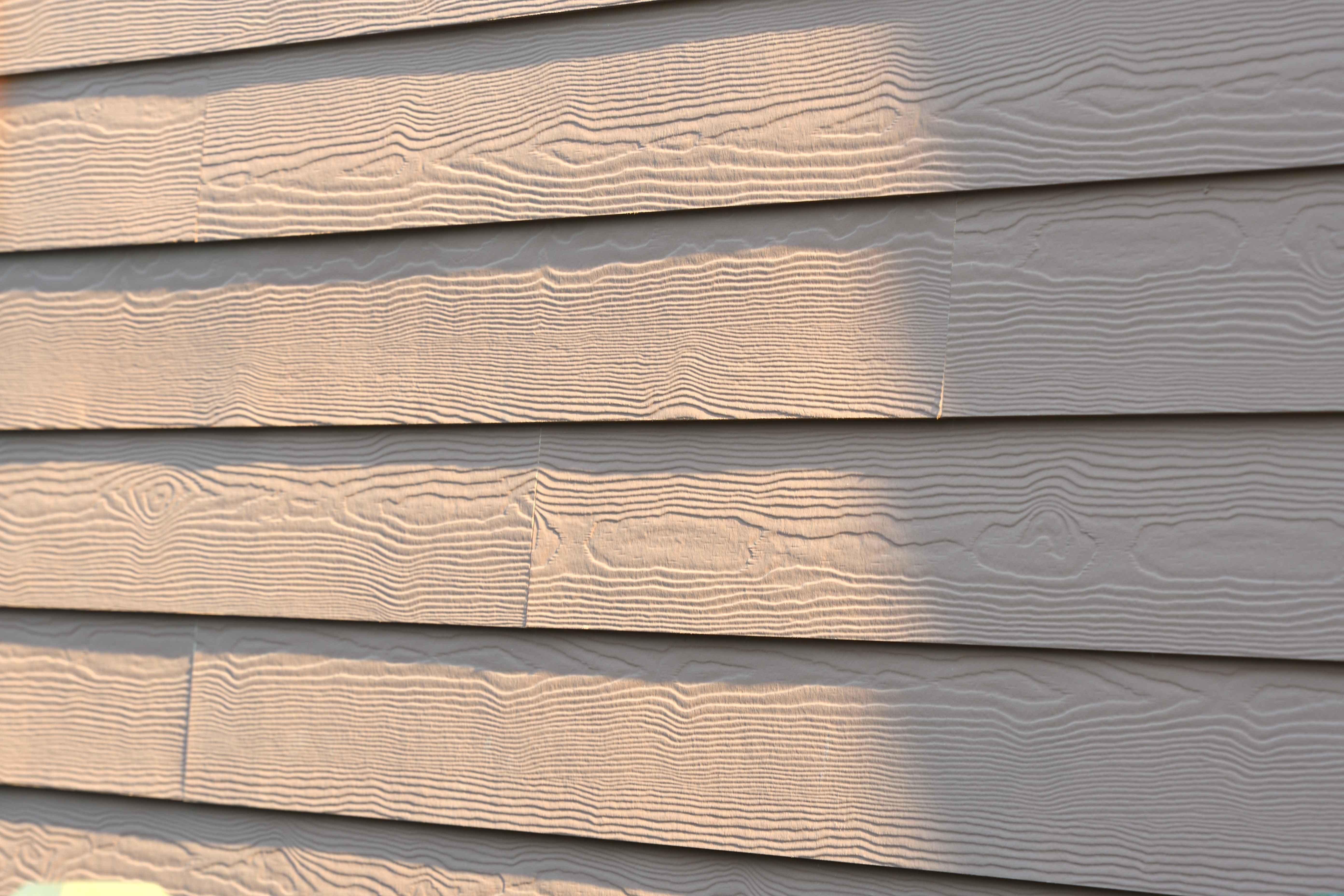
Your home's siding is one of its first lines of defense against rain, wind, and other environmental conditions. When siding begins to warp, buckle, separate, or pull away from the house, it may indicate an installation problem, material deterioration, or moisture damage behind the exterior.
Common warning signs include:
- Wavy or buckled siding panels
- Boards that appear swollen, warped, or distorted
- Loose panels or siding pulling away from the wall
- Cracked or deteriorating exterior trim
- Recurring peeling, bubbling, or blistering paint
Several factors can contribute to these problems, including improper fastening, temperature fluctuations, aging materials, and water intrusion.
More importantly, damaged siding can allow moisture to reach the underlying wall assembly. If water becomes trapped behind the exterior, it can deteriorate the wall sheathing and eventually cause wood rot in the structural framing.
Why proper siding installation matters: Siding is designed to shed water, not create a completely waterproof barrier. Properly installed flashing, weather-resistive barriers, fastening, and drainage details help prevent water from reaching moisture-sensitive materials (like wood) behind the exterior.
If your siding is visibly deteriorating or pulling away from the house, a professional inspection can help determine whether the problem is limited to the siding or extends to the underlying structure.
3. Water Stains, Wood Rot, and Persistent Moisture
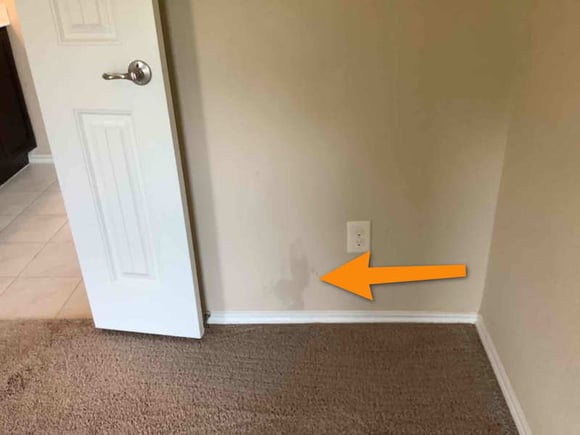
Water intrusion is one of the most common contributors to structural deterioration. Small leaks can go unnoticed for months, allowing moisture to accumulate behind siding, beneath roofing materials, or around vulnerable exterior openings.
Over time, prolonged moisture exposure can cause wood to swell, deteriorate, and eventually lose its ability to support structural loads.
Look for these warning signs:
- Dark water stains on ceilings, walls, or exterior siding
- Soft, spongy, or deteriorating wood around windows and trim
- Peeling or bubbling paint that repeatedly returns
- Musty odors or visible water staining near exterior walls or in the attic
- Mold or mildew growth in areas that remain damp
Wood rot is particularly concerning because it can affect structural components such as wall studs, roof rafters, floor joists, and sill plates. As decay progresses, these materials can lose strength and become less capable of supporting the home's weight.
Keep in mind that mold, staining, or dampness does not automatically mean structural damage has occurred. However, these conditions indicate a moisture problem that should be investigated before further deterioration develops.
4. Doors and Windows That Suddenly Stick or Won't Close
When doors and windows suddenly become difficult to open, close, or latch, the problem may extend beyond worn hardware or seasonal humidity changes.
Foundation movement or shifting wall framing can distort window and door openings, preventing them from remaining square.
Other warning signs include:
- Doors rubbing against their frames
- Windows becoming increasingly difficult to open
- Gaps forming around window or door frames
- Doors that no longer latch properly.
- Diagonal cracks appearing near the corners of openings
One sticking door does not necessarily indicate a structural issue. However, when several doors or windows develop problems around the same time, especially alongside foundation cracks or uneven floors, further evaluation is recommended.
5. Uneven Floors or Sagging Ceilings
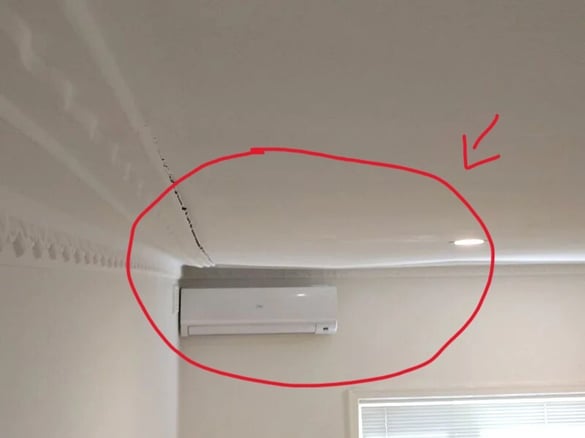
Changes in your home's floors and ceilings can provide important clues about the condition of its underlying structure.
Uneven or sloping floors may indicate foundation settlement, weakened floor joists, or deteriorating support structures. Similarly, sagging ceilings can result from damaged framing, excessive loads, or prolonged moisture exposure.
Watch for:
- Floors that noticeably slope or dip
- Soft, bouncy, or unusually flexible flooring
- Gaps forming between floors and baseboards
- Ceilings that appear bowed, drooping, or bulging
- Water stains and ceiling distortion
These symptoms should be taken seriously, particularly when they develop suddenly or continue worsening.
A visibly sagging or wet ceiling may present a falling-material hazard even if the home's main structural framing remains intact. Keep people away from the affected area and arrange an urgent professional evaluation.
6. Recurring Cracks, Peeling Paint, or Other Changes That Keep Returning
Some of the earliest signs of structural or moisture-related problems are easy to overlook because they initially appear cosmetic.
For example: a homeowner may repeatedly patch a small drywall crack or repaint an area of exterior siding without realizing that an underlying issue remains unresolved.
Watch for:
- Cracks that reopen after being patched
- Paint that repeatedly bubbles, peels, or flakes
- Caulking that continually separates around windows and doors.
- Recurring water stains after heavy rainfall
- New gaps appearing around trim or exterior joints
These issues may indicate ongoing movement or repeated moisture exposure. Simply covering the affected area will not correct the underlying problem.
If the same damage continues returning, investigate the source rather than repeatedly repairing the visible symptoms.
How Can Siding and Roofing Problems Lead to Structural Damage?
Your home's siding and roofing systems work together to protect its underlying structure from moisture and weather exposure. When these exterior components deteriorate or are improperly installed, water can find its way into areas that are difficult to access and inspect.
How Damaged Siding Affects Your Home's Structure
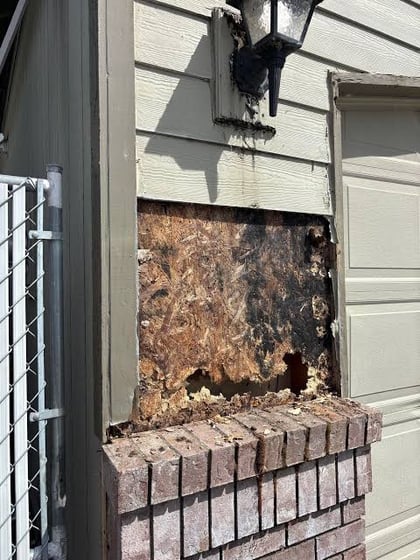
Siding helps shed rainwater away from exterior walls, while the weather-resistive barrier and properly integrated flashing provide additional protection against moisture intrusion.
When these components fail, water can reach the materials underneath.
For example: missing or improperly installed window flashing can allow rainwater to enter around window openings. If the weather barrier is also compromised, moisture may reach the wall sheathing and surrounding framing.
Over time, repeated exposure can cause:
- Deteriorating wall sheathing
- Rotting wall studs and framing
- Swollen or damaged exterior materials
- Mold growth within wall cavities
Replacing damaged siding without addressing the underlying moisture problem can allow the same damage to return.
Important Note
Pacific Exteriors replaces sheathing free of charge during a siding replacement.
How Roofing Problems Affect Structural Integrity
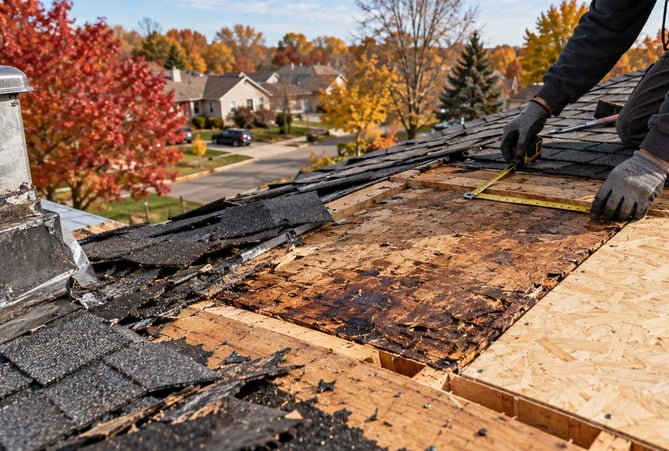
Your roofing system protects the home from rain, wind, and other environmental conditions. When shingles, flashing, or other roofing components fail, water can penetrate the roof assembly and damage the materials underneath.
Common roofing-related problems include:
- Missing, cracked, or damaged shingles
- Deteriorating flashing around chimneys, vents, and roof transitions
- Roof leaks that repeatedly expose the decking to moisture
- Poor attic ventilation that contributes to persistent moisture buildup
- Damaged or deteriorating roof decking
When moisture reaches the roof decking, it can cause the wood to soften, warp, or rot. If deterioration spreads to the rafters or trusses, the roof's supporting structure may also be compromised.
Addressing roofing problems early helps protect the underlying materials and reduce the risk of more extensive repairs.
Explore Your Siding and Roofing Options
Not sure if your siding or roof is showing signs of wear?
Request free siding and roofing samples from Pacific Exteriors to explore your options before scheduling an inspection.
What Causes Structural Damage in Homes?
Structural damage can develop for several reasons, ranging from natural environmental conditions to poor construction practices and neglected maintenance.
Some of the most common causes include:
|
Cause |
How It Affects Your Home |
|
Water intrusion |
Roof leaks, damaged siding, and failed flashing allow moisture to reach structural materials, potentially causing wood rot and deterioration. |
|
Poor drainage |
Clogged gutters, inadequate downspouts, and improper grading can allow water to collect around the foundation, contributing to soil erosion and movement. |
|
Foundation movement |
Shifting or expanding soil can place pressure on foundation walls, resulting in cracks, uneven settlement, or structural distortion. |
|
Weather exposure |
Heavy rainfall, high winds, temperature fluctuations, and freeze-thaw cycles can gradually deteriorate exterior materials and structural connections. |
|
Improper installation |
Incorrect siding or roofing installation can create pathways for water intrusion and accelerate deterioration behind the exterior. |
|
Age and material deterioration |
Aging materials, deteriorating protective finishes, and prolonged exposure to the elements can weaken exterior components and supporting materials. |
|
Pest damage |
Termites and other wood-destroying pests can compromise structural framing, posts, and other wooden components. |
Although homeowners cannot prevent every cause of structural damage, regular maintenance and properly installed exterior systems can help reduce the risk of moisture-related deterioration.
When Should You Be Concerned About Structural Damage?
Not every crack or exterior imperfection requires immediate structural repairs. However, certain warning signs should never be ignored.
Schedule a professional exterior evaluation if you notice:
- Widening foundation cracks or uneven floors
- Bowing, leaning, or bulging walls
- Sagging rooflines or recurring roof leaks
- Siding separation, moisture damage, or persistent water stains
- Doors and windows that suddenly become difficult to open or close
Seek urgent attention if you notice:
- Visibly unstable walls, chimneys, or support beams
- Sagging or bulging ceilings, especially when wet
- Suddenly unstable or collapsing floors
- Rapid structural movement or significant storm or flood damage
Keep people away from visibly unstable areas. If the home appears unsafe, leave the affected area or evacuate as appropriate rather than waiting for a routine inspection.
Who Should You Call for Structural Damage?
The right professional depends on the type and severity of the damage.
While siding and roofing contractors can identify exterior problems and evaluate certain moisture-related concerns, suspected structural movement or compromised load-bearing components require specialized expertise.
|
Professional |
When to Contact Them |
|
Siding contractor |
Warped, cracked, loose, or deteriorating siding; suspected moisture damage behind exterior walls; or concerns with flashing and weather barriers. |
|
Roofing contractor |
Roof leaks, missing shingles, damaged flashing, deteriorating roof decking, or other roofing concerns. |
|
Structural engineer |
Widening foundation cracks, bowing walls, sagging roofs or floors, damaged structural supports, or suspected foundation movement. |
|
Foundation specialist |
Foundation stabilization, settlement concerns, and foundation repair after the underlying problem has been evaluated. |
A structural engineer can assess whether visible damage affects the home's stability and recommend appropriate repairs. If you suspect significant structural movement, consider obtaining an independent engineering evaluation before committing to major repair work.
For homeowners experiencing siding or roofing deterioration, a qualified exterior contractor can help identify potential water-entry points, inspect materials, and determine whether additional evaluation is necessary.
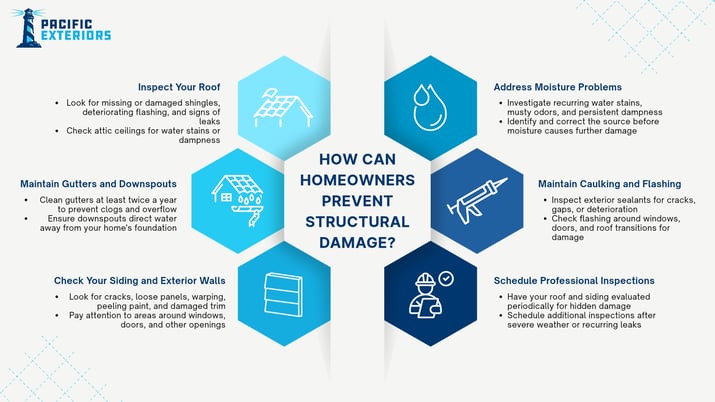
How Can Homeowners Prevent Structural Damage?
Although some structural problems develop unexpectedly, proactive maintenance can help protect your home from many common causes of deterioration.
Here are several ways to maintain your home's exterior and reduce the risk of structural damage:
Protect Your Home with Pacific Exteriors

Your home's exterior plays an important role in protecting its structural integrity. When siding or roofing materials begin to deteriorate, even seemingly minor problems can create opportunities for moisture intrusion and more extensive damage.
At Pacific Exteriors, we understand the importance of quality exterior remodeling and proper installation. Our team provides professional siding replacement, roofing, and exterior painting services designed to help protect your home while improving its appearance and long-term durability.
Whether you're noticing loose siding, recurring roof leaks, deteriorating exterior materials, or simply want to evaluate the condition of your home's exterior, we're here to help.
We believe in honest recommendations, clear communication, and quality workmanship. Our goal is to help homeowners understand their options without unnecessary pressure or upselling.
Concerned about the condition of your home's exterior?
Contact Pacific Exteriors today to schedule a free, in-person estimate. Let our team help you determine whether your siding or roofing needs attention and explore the best options for protecting your home.
Not Ready for a Consultation?
Still exploring your options? Get free siding and roofing samples shipped to your door and see what works best for your home.
Get Free Samples
Frequently Asked Questions
What are the first signs of structural damage in a house?
Early warning signs can include widening cracks in walls or foundations, doors and windows that suddenly stick, uneven floors, sagging rooflines, and recurring water stains. Changes that worsen over time or occur alongside other symptoms deserve further investigation.
Can damaged siding cause structural damage?
Yes. Damaged or improperly installed siding can allow water to penetrate behind the exterior and reach the underlying wall sheathing and framing. Prolonged moisture exposure can cause wood rot, deteriorating materials, and weakened structural components.
Can a roof leak cause structural damage?
Yes. An unresolved roof leak can expose roof decking, rafters, and other wooden components to repeated moisture. Over time, this can cause wood rot and deterioration that may compromise the roof's supporting structure.
Is a small crack in an exterior wall a sign of structural damage?
Not necessarily. Small hairline cracks can develop from normal settling, temperature changes, or material expansion and contraction. However, cracks that widen, repeatedly return, show displacement, or appear alongside bowing walls or sticking doors should be professionally evaluated.
How quickly can water damage lead to structural problems?
There is no fixed timeline. The progression depends on how much moisture enters, how long materials remain wet, temperature, and the ability of the affected area to dry. Mold can begin developing within 24 to 48 hours under favorable conditions, but this does not mean structural wood will fail within that timeframe. Repeated or prolonged moisture exposure can eventually cause significant deterioration.
Should I replace my siding if I notice signs of moisture damage?
It depends on the extent and source of the damage. Some problems may require localized siding repairs, while widespread deterioration may make replacement a better option. Before installing new siding, the underlying sheathing and framing should be evaluated, and any damaged materials and moisture sources should be addressed.
How often should I inspect my home's siding and roof?
Homeowners should visually inspect their exterior in the spring and fall, checking for loose siding, damaged shingles, deteriorating caulking, clogged gutters, and signs of water intrusion. Professional inspections are also recommended periodically and after significant weather events, particularly when previous damage or leaks are present.