

Your home’s siding is one of the biggest factors influencing its appeal, protection against the elements, maintenance requirements, and long-term value.
Some homeowners prioritize a low-maintenance exterior that requires minimal upkeep. Others are focused on maximizing their return on investment (ROI), achieving a specific architectural style, or investing in a siding material that can withstand their local climate. Because every homeowner's priorities are different, there is no one-size-fits-all solution.
With so many options available, it's easy to feel overwhelmed when comparing fiber cement, vinyl, wood, and metal siding. Understanding the strengths and trade-offs of each material can help you make a confident decision that fits your home, lifestyle, and long-term goals.
At Pacific Exteriors, we’ve helped homeowners throughout the PNW and Southeast make informed siding decisions since 2008. This guide explains the key factors to consider and compares the most popular siding materials so you can choose the best option for your home, budget, and goals.
Navigate Your Siding Choices
The best siding material is not universal, it varies based on your goals, how long you plan to stay in your home, and the environmental conditions in your area.
Fiber cement: Offers the strongest all-around performance with excellent durability, low maintenance, and strong long-term value. Nonetheless, it comes at a higher upfront cost than most other siding materials.
Vinyl: The most budget-friendly option, making it ideal for cost-conscious or short-term homeowners, though it typically has a shorter lifespan and can be damaged easily.
Wood: Provides natural beauty and character but requires significant maintenance and comes with higher long-term costs.
Metal: Has the longest lifespan and minimal maintenance, making it ideal for homeowners prioritizing durability and sustainability. Yet, it’s still prone to rust and can get dented from storms.
Ultimately, the right siding choice comes down to matching material strengths to your climate, evaluating lifetime costs rather than just upfront price, and selecting a product that aligns with your home’s style and long-term goals.
Why Homeowners Replace Their Siding
Most homeowners begin researching siding materials after noticing problems with their existing exterior.
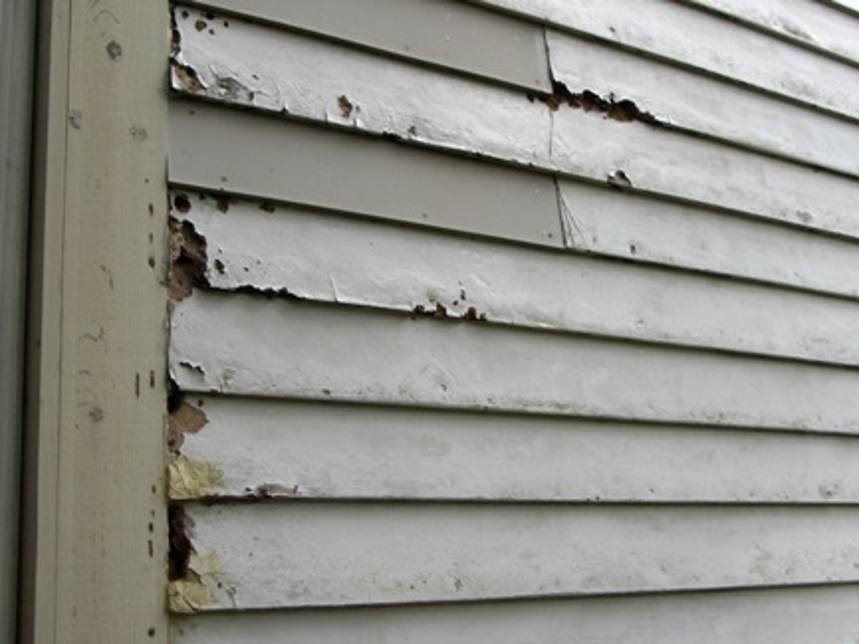
Some of the most common reasons for siding replacement include:
- Weather damage from wind, rain, or storms
- Rot, moisture damage, or pest issues
- Aging siding that has reached the end of its lifespan
- Improving curb appeal and home value
- Reducing ongoing maintenance requirements
Whether your siding is failing or you're simply ready for a change, choosing the right material is one of the most important decisions you'll make during your siding project.
What Makes Choosing Siding So Difficult?
Choosing a siding material may seem straightforward at first, but many homeowners quickly realize there are several important elements to evaluate.
As homeowners compare their options, they often ask questions such as: Which siding material lasts the longest? Which option requires the least maintenance? What performs best in my local climate? Is it worth spending more upfront on premium materials? And which option provides the best long-term value?
The challenge is that every siding material comes with advantages and trade-offs. The best choice depends on your home's location, your budget, your maintenance preferences, your personal style, and your long-term goals.
Important Factors to Consider for Your Home
Before comparing specific products, homeowners should first understand the factors that have the greatest impact on long-term satisfaction and performance.
1. Local Climate

Your local climate should be one of the first considerations when choosing a siding material because weather exposure directly affects how well your exterior performs over time.
Different regions are exposed to different environmental challenges. Homes in rainy climates face frequent moisture exposure, while homes in hot, sunny regions endure intense UV radiation and heat. On the other hand, areas with cold winters often experience freeze-thaw cycles, snow, and ice. Meanwhile, coastal areas may be exposed to salt air and strong winds. In some regions, hail, severe storms, or extreme temperature fluctuations are also very common.
It’s important to note that many regions experience multiple conditions simultaneously rather than just being a single climate type.
Choosing a product designed to perform well in your local conditions can help extend its lifespan, reduce maintenance requirements, improve long-term durability, and minimize the likelihood of costly repairs in the future.
Choosing the Right Siding for Your Climate
Hot, Sunny Climates: Fiber cement and metal siding perform best because they can withstand high temperatures and strong UV exposure. On the other hand, vinyl is not a good option since it can fade faster and may warp or deform when exposed to extreme heat or reflected sunlight.
Rainy & Humid Climates: Fiber cement and metal are excellent choices because they resist moisture damage, rot, and mold growth. Wood siding, especially cedar, can also perform well but requires regular maintenance to prevent moisture-related deterioration.
Cold & Snowy Climates: Fiber cement, metal, and wood siding perform well when properly installed and maintained. Vinyl siding can become brittle in extremely cold temperatures, increasing the risk of cracking.
Coastal Areas: Cedar siding and fiber cement siding are well suited for coastal environments. Cedar naturally performs well in climates with humidity and coastal salt, making it a strong option when properly maintained. Additionally, fiber cement resists moisture and salt exposure.
High-Wind & Storm-Prone Areas: Fiber cement and metal siding generally provide better wind resistance than vinyl due to their strength and secure installation methods. Vinyl panels are more susceptible to damage or becoming dislodged during severe storms.
2. Durability
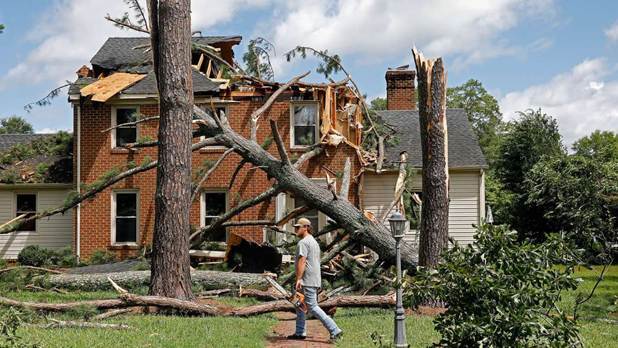
Not all siding materials provide the same level of long-term protection. While some are designed to withstand decades of exposure to moisture, storms, and temperature fluctuations, others like hollow back vinyl, may be more susceptible to cracking, fading, denting, or weather-related damage.
When evaluating siding options, it's important to think beyond the initial appearance and consider how the material will perform 20 to 30 years from now. A durable siding system can help protect your home's structure, reduce repair costs, and maintain its appearance for years to come.
Homeowners planning to stay in their home long-term often find that investing in a more durable material can provide greater value over the life of the home.
3. Maintenance Requirements
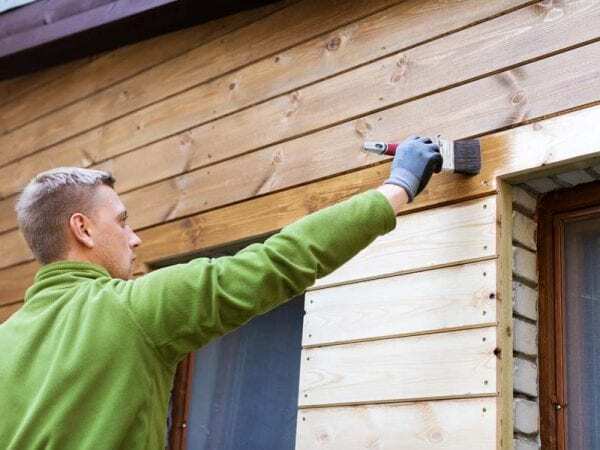
Maintenance requirements vary significantly between siding materials. Depending on the product, homeowners may need to budget for routine painting, staining, sealing, inspections, or repairs to maintain both appearance and performance.
Understanding these responsibilities before making a decision can help ensure your siding choice aligns with your lifestyle and expectations. In many cases, a material with a higher upfront cost may ultimately save time and money if it requires significantly less maintenance over its lifespan.
4. Budget
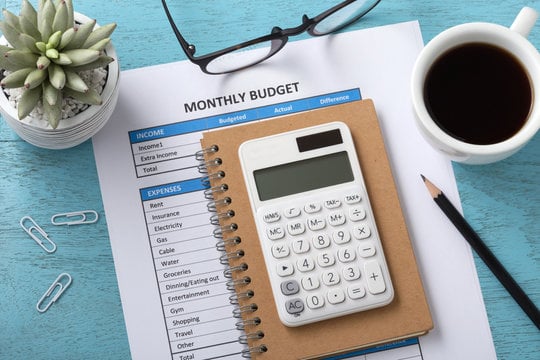
Many homeowners naturally focus on the amount they pay for just the material itself and installation. But the true overall cost of siding includes future maintenance, repairs, and eventual replacement.
Instead of evaluating siding materials solely by their purchase price, consider their cost over the years and overall value. A material that lasts longer requires fewer repairs and maintains its appearance with minimal upkeep may save you more money in the long run.
Popular Siding Materials Compared
Fiber Cement
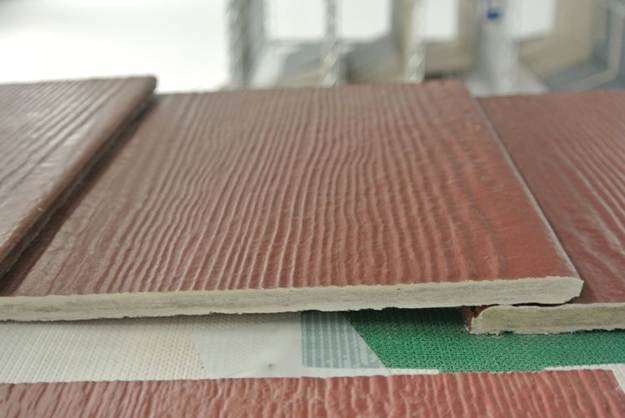
Fiber cement siding has become one of the most popular choices throughout the United States because it offers an excellent balance of durability, appearance, and long-term value.
Pros
Highly resistant to moisture, rot, and pests: Performs well in wet, humid climates where rain exposure is often a concern.
Fire resistant: Helps improve overall home safety compared to many traditional materials.
Durable: Resists warping, cracking, and swelling during temperature fluctuations.
Versatile design options: Available in a variety of styles and textures that can replicate the appearance of wood.
Low maintenance: Holds paint extremely well and only needs washing with a hose once or twice a year.
Long lifespan: Can last for 50 or more years with proper maintenance.
Strong ROI: Has lasting value, appeal, and is easy to maintain.
Cons
- High upfront cost
- Heavier material requires specialized and labor-intensive installation
- May require repainting every 10-15 years
Vinyl
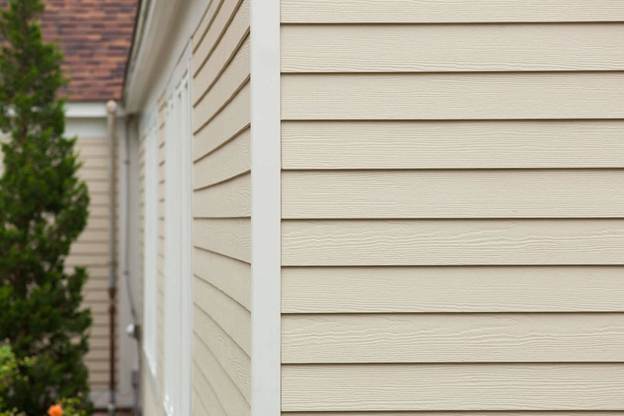
Vinyl siding remains popular because of its affordability and wide selection of colors and styles.
Pros
Low upfront cost: One of the most budget-friendly siding options available for homeowners who are looking to improve their home without exceeding their renovation budget.
Lightweight and easy to install: Allows for faster, less complex installation and reduced labor time.
Wide range of design options: Available in many colors, textures, and profiles, including options that mimic real wood. This allows homeowners to achieve a customized exterior appearance without the higher cost associated with natural materials.
Moisture resistant: Doesn’t attract pests and prevents moisture damage on the surface.
Cons
- Can become brittle and crack during cold weather
- Warps during extreme heat
- Fading from UV exposure
- Vulnerable to storm damage
- Moisture can become trapped behind damaged panels
- Shorter lifespan
While vinyl can be a good option for budget-conscious homeowners, it may not provide the same long-term durability as higher-performing materials.
Wood
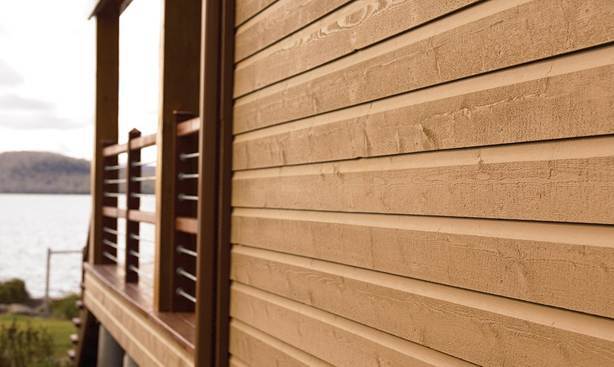
Wood siding is valued for its natural beauty and timeless appearance. Common wood species include cedar, pine, and redwood, each with different levels of durability, cost, and maintenance requirements.
Pros
Beautiful aesthetic: Offers an authentic, organic appearance that makes homes feel more traditional, rustic, or detailed, depending on the style used.
Natural insulation: Cedar, spruce, pine, fir, and larch provide a moderate level of thermal insulation. While wood should not be considered a substitute for modern insulation systems, it can improve overall energy performance when properly installed with a weather-resistant barrier.
Water resistant: Cedar and some other wood species contain natural oils that help resist moisture, decay, and insect activity.
Cons
- High maintenance requirements
- Vulnerable to rot and pests if maintenance is neglected
- May lead to an increase in future expenses
- Most expensive option
Wood siding can be a great choice for homeowners who prioritize appearance and are committed to regular maintenance.
Metal
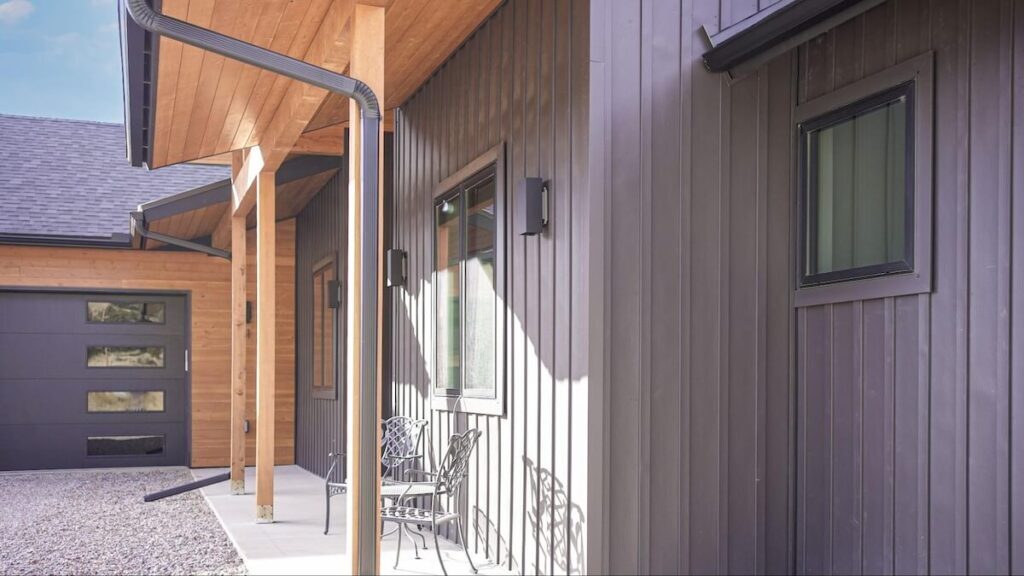
Metal siding has grown in popularity due to its durability, longevity, and modern appearance.
Pros
Extremely durable: Designed to withstand harsh environmental conditions (heavy rain, wind, and temperature fluctuations) while resisting fading and cracking.
Fire, moisture, and pest resistance: Non-combustible and not susceptible to insect damage or rot. This makes it a strong option for areas where wildfires, termites, or moisture exposure are ongoing concerns.
Longest lifespan: When properly installed and maintained, it can last for 40-70+ years. Its structure tends to remain stable over the years, even in demanding climates.
Minimal maintenance: Does not require painting or sealing as frequently. Typically only requires occasional cleaning and needs to be inspected for damage, scratches, and fading paint.
Recyclable and eco-friendly: Made from repurposed metal and is fully recyclable at the end of its service life. This makes it an environmentally conscious option for homeowners focused on having a sustainable home and lifestyle.
Cons
- Can dent and scratch on impact during severe storms
- Modern appearance may not fit every home's style
- Salty air in coastal environments can corrode metal fast
For homeowners seeking maximum longevity and minimal maintenance, metal siding can provide exceptional long-term value.
Which Siding Material Is Best for You?
Every homeowner has different priorities, so the "best" siding material depends on your goals, budget, and how long you plan to stay in your home.
Choose Fiber Cement If...
You want the best overall balance of durability, appearance, and long-term value.
Fiber cement is often considered the go-to choice for siding options because it performs well in a wide range of climates, requires little maintenance, and offers excellent longevity. It's ideal for homeowners who plan to stay in their home for many years and want a premium product that delivers strong long-term ROI.
Best for:
- Long-term homeowners
- Maximizing durability and value
- Homes in challenging climates
- Homeowners who want a wood-like appearance with less maintenance
Choose Vinyl If...
Your top priority is keeping costs as low as possible.
Vinyl siding offers one of the lowest prices and can improve a home’s appeal without a large renovation investment. It's often a practical choice for homeowners preparing to sell, rental property owners, or anyone seeking an affordable exterior upgrade.
Best for:
- Tight budgets
- Rental properties
- Short-term homeowners
- Cost-conscious renovations
Choose Wood If...
You want to achieve a beautiful, authentic appearance.
Wood siding delivers unmatched natural character and architectural charm. While it requires more maintenance and comes with higher ownership costs, many homeowners feel the appearance is worth the investment.
Best for:
- Historic homes
- Coastal homes
- Traditional architectural styles
- Those willing to perform regular maintenance
Choose Metal If...
You want maximum lifespan with minimal maintenance.
Metal siding is one of the most durable exterior materials available. Its resistance to fire, pests, moisture, and weather makes it attractive for homeowners looking for a long-lasting, low-maintenance solution.
Best for:
- Modern and contemporary homes
- Protecting your home investment
- Low maintenance
- Areas prone to severe weather
- Sustainability-focused homeowners
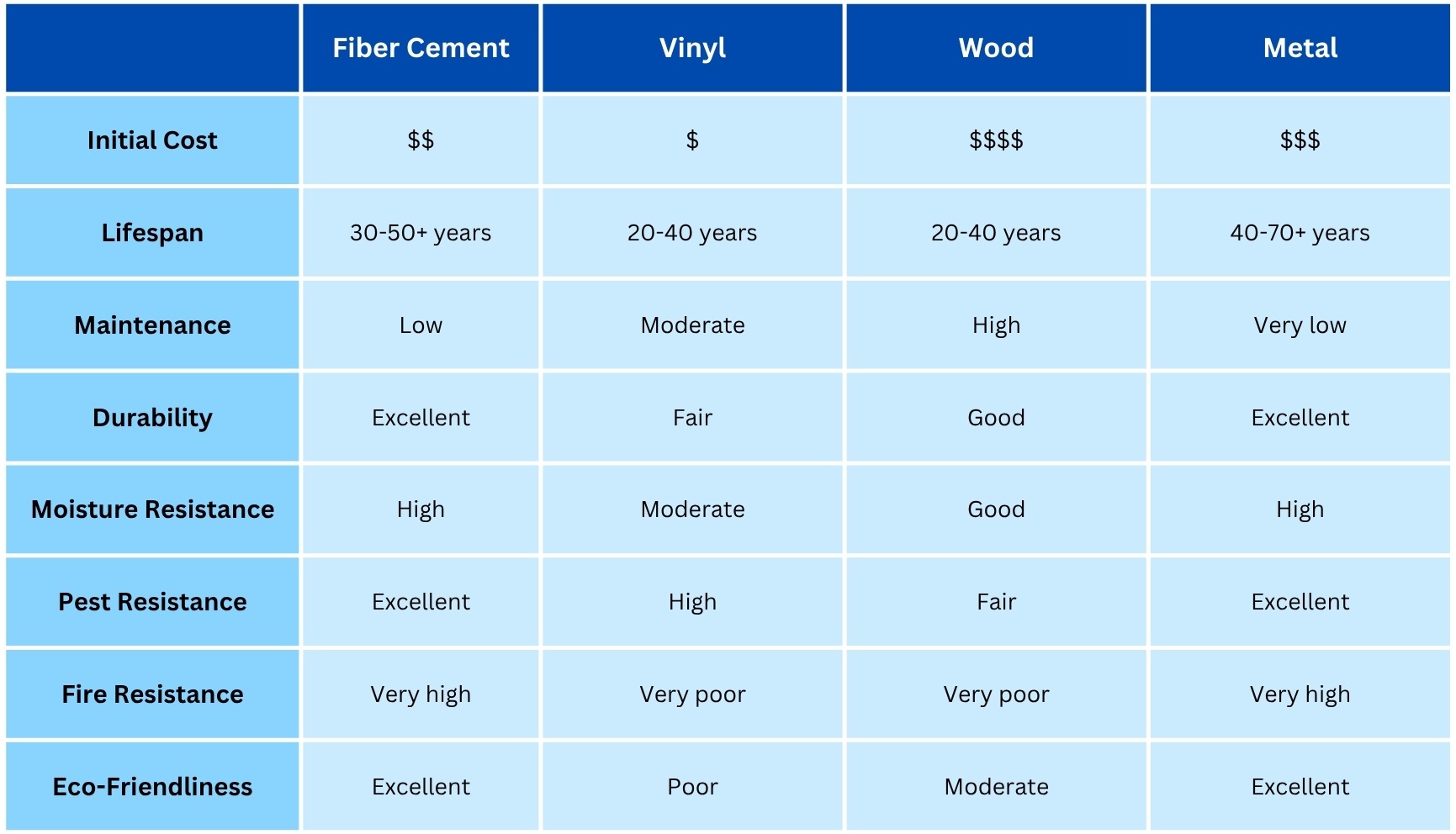
Side-by-Side Material Breakdown
3 Simple Guidelines for Choosing the Right Siding
If you're feeling overwhelmed, remember these three principles:
Match the Material to Your Climate
Consider the weather conditions your home experiences most often, whether that's heavy rainfall, high humidity, intense sunlight, extreme heat, freezing temperatures, coastal salt exposure, or severe storms. Choosing a siding material designed to withstand your local climate can improve durability, reduce maintenance requirements, and help prevent premature deterioration.
Compare Lifetime Costs, Not Just Installation Costs
Consider future maintenance, repairs, repainting, and replacement costs when evaluating siding options.
Choose an Experienced Installer
Even premium siding materials can underperform if installation details are handled incorrectly.
Let Pacific Exteriors Help You Choose the Best Siding for Your Home
Choosing the right siding material doesn't have to be complicated.
At Pacific Exteriors, our team helps homeowners evaluate their home's unique needs, compare siding options, and select the solution that delivers the best combination of durability, appearance, and long-term value.
Whether you're considering fiber cement, metal, vinyl, or wood siding, we're here to guide you through every step of the process.
Ready to upgrade your home's exterior?
Contact Pacific Exteriors today to schedule a free siding consultation and receive expert recommendations tailored to your home, budget, and long-term goals.
