

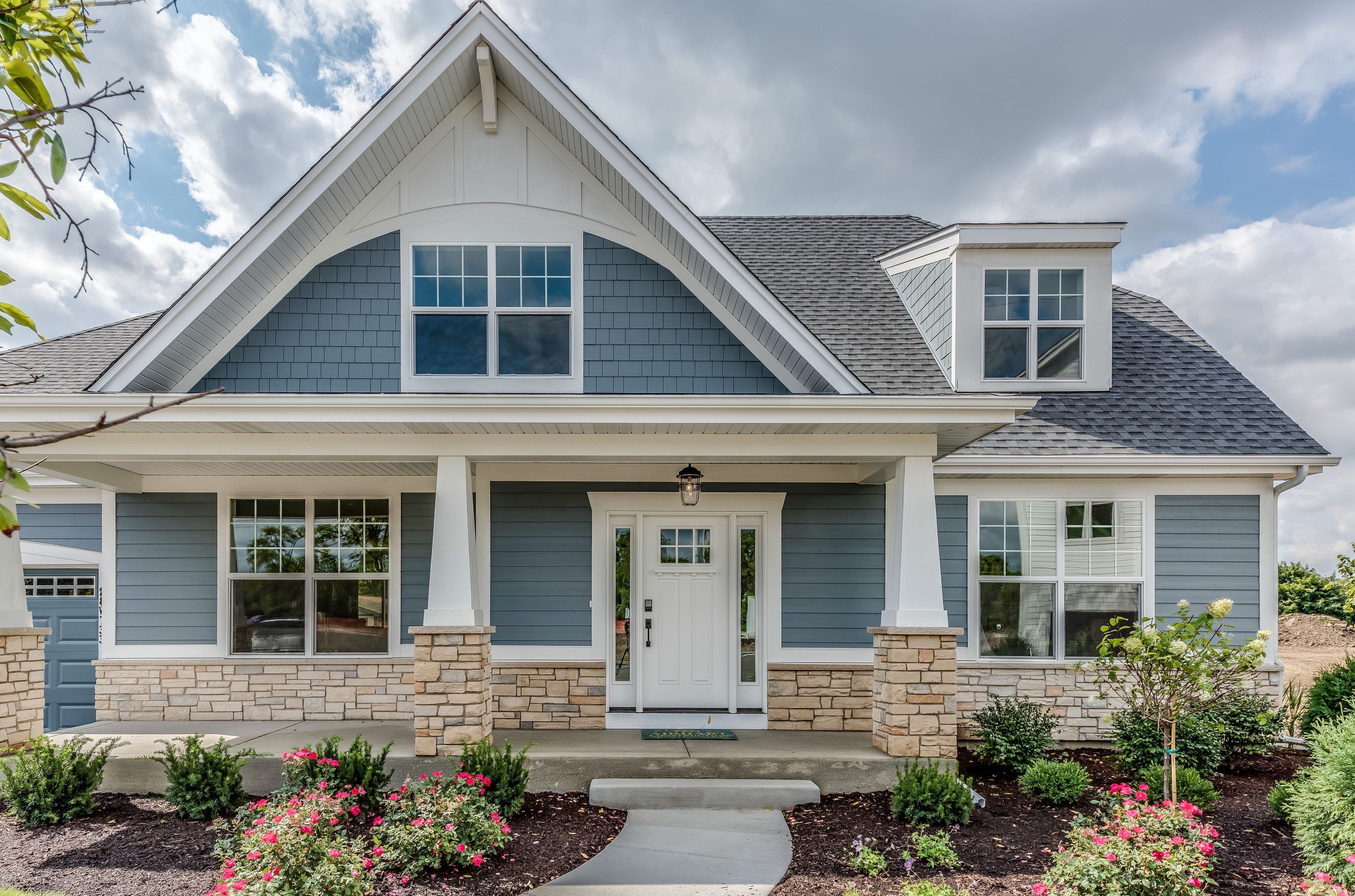
Choosing the right siding profile can be challenging when so many options look different and serve different design purposes. A style that looks appealing on one home may feel out of place on another, and combining profiles without a clear plan can leave your exterior looking mismatched.
Understanding the differences between horizontal lap, board-and-batten, shingles, and other siding profiles can help you choose an option that complements your home's architecture and creates a cohesive look you'll feel confident in for years to come.
Since 2008, Pacific Exteriors has helped homeowners navigate siding replacement and exterior remodeling projects across the Pacific Northwest and Southeast, including Seattle, Portland, Atlanta, and Chattanooga. Our experience with different siding profiles, installation requirements, and regional climate conditions gives homeowners practical insight into choosing a style that complements their home while supporting long-term exterior performance.
In this guide, we’ll explain the most common siding styles, how each profile looks, where different styles work well, and what homeowners should consider when choosing the right siding profile for their home.
Siding Styles Overview
|
Siding Style |
Key Characteristics |
Works Well With |
|
Horizontal Lap |
Horizontal overlapping boards with a classic, versatile appearance |
All homes (very versatile), Colonial, Craftsman, Cape Cod, ranch, and traditional homes |
|
Board-and-Batten |
Wide vertical boards or panels with narrow battens covering the seams |
Farmhouse, rustic, Craftsman, and contemporary homes |
|
Vertical Panel |
Large vertical panels with clean, streamlined lines |
Modern, contemporary, Scandinavian-inspired, and transitional homes |
|
Shingles & Shakes |
Smaller overlapping pieces that add texture and visual detail |
Coastal, Craftsman, cottage, and Victorian-inspired homes |
|
Scallop |
Rounded or curved pieces that create a decorative, textured pattern |
Victorian, Queen Anne, Cape Cod, cottage, and coastal homes |
Siding Material vs. Siding Style: What's the Difference?
One of the most important things homeowners should understand is that siding material and siding style are not the same thing.
Siding material
Siding material refers to the physical substance the siding is manufactured from, which affects characteristics such as durability, maintenance needs, cost, and expected lifespan.
Common siding materials include fiber cement, vinyl, engineered wood, natural wood, and metal, each with its own properties and performance considerations.
Siding style
Siding style refers to the shape, arrangement, and pattern of the siding on the wall. It influences curb appeal, architectural fit, and visible shadow lines.
Think of it this way:
Material = what the siding is made of
Style = what the siding looks like on the wall
5 Common Types of Siding Styles
1. Horizontal Lap Siding
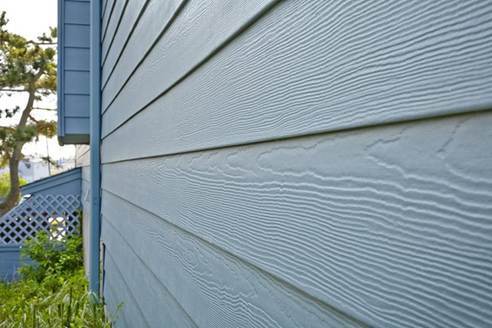
Horizontal lap siding is one of the most recognizable and widely used siding styles. It consists of long, narrow horizontal boards that overlap one another, creating continuous horizontal lines across the exterior.
Wider boards are mostly commonly used to achieve a more contemporary appearance.
Common variations include:
- Dutch lap: Features a distinctive groove or notch along the top of each board, creating deeper shadow lines and a more pronounced, traditional appearance.
- Beaded lap: Features a rounded bead along the bottom edge of each board, creating a pronounced shadow line and adding decorative detail to the exterior.
- Bevel or clapboard: Uses tapered boards that create defined shadow lines and a classic, traditional look.
- Wide-exposure lap: Features wider visible boards and fewer horizontal lines, creating a clean, less busy appearance.
- Narrow-exposure lap: Uses narrower boards with more horizontal lines, adding detail and emphasizing the home's proportions horizontally.
Because of its versatility, horizontal lap siding works well with Colonial, Craftsman, Cape Cod, ranch, and many traditional home designs.
When should you choose it?
Horizontal lap siding is a strong option if you want a timeless appearance that works with many architectural styles. Wider or narrower exposures can change the overall look without requiring a completely different profile.
Best for: Homeowners who want a classic, versatile siding style that complements a wide range of architectural designs.
2. Board-and-Batten Siding
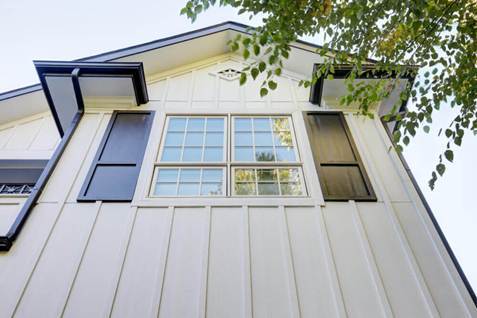
Board-and-batten siding is a vertical siding style made with wide boards or panels and narrower vertical strips called battens. The battens cover the seams between the wide boards, creating a distinctive repeating pattern.
The vertical lines naturally draw the eye upward, which can make a home's walls appear taller. It also creates stronger shadow lines and visual texture than traditional horizontal lap siding.
Board-and-batten can be used across the entire home exterior or selectively on:
- Gables
- Entryways
- Garages
- Upper stories
- Accent walls
When should you choose it?
Consider board-and-batten if you want to emphasize a home's height or create contrast against horizontal siding. For example, horizontal lap siding across the main walls with board-and-batten in the front gable can add visual interest without making the entire exterior feel too busy.
However, the profile's strong vertical lines can become visually dominant when used alongside too many other patterns. Consider the roofline, window placement, and trim before deciding how much of the exterior to cover.
Best for: Farmhouse, rustic, Craftsman, and contemporary homes.
Historically associated with barns and farmhouses, board-and-batten has become especially popular on modern farmhouses and contemporary homes.
Board-and-batten can complement contemporary homes in Seattle, Portland, and the rest of the Pacific Northwest as well as modern farmhouse and transitional designs common throughout Atlanta, Chattanooga, and the rest of the Southeast.
3. Vertical Panel Siding
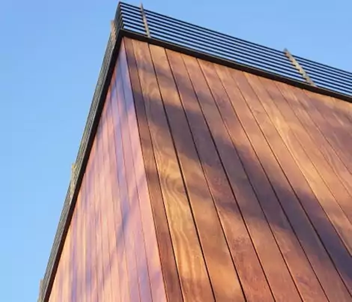
Vertical panel siding uses larger panels installed vertically across the exterior, creating strong lines that draw the eye upward. Unlike board-and-batten, which uses raised battens to cover the seams, vertical panel siding can create a more continuous, streamlined appearance with less pronounced detailing.
The vertical orientation can make a home appear taller and adds visual interest to exterior walls, particularly when paired with horizontal siding or other contrasting profiles. Additionally, it can also be used selectively on areas such as gables, entryways, or accent walls rather than covering the entire home.
When should you choose it?
Choose vertical panels if you prefer a clean, subtle exterior or want to contrast with horizontal siding. If you like the vertical look but want a more pronounced pattern, board-and-batten may be a better fit.
The key distinction is the amount of visual detail: vertical panels generally provide a more continuous appearance, while board-and-batten creates a stronger repeating pattern.
Best for: Contemporary, modern, Scandinavian-inspired, and transitional designs.
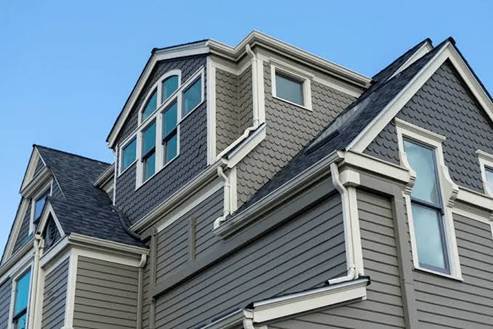
4. Shingle and Shake Siding
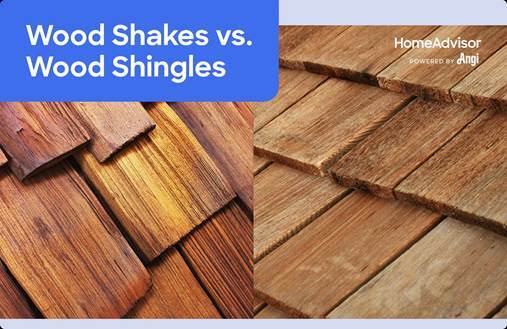
Shingle and shake siding use smaller individual pieces or panels installed in overlapping rows, creating a more detailed, textured pattern across the exterior.
Shingles typically have more uniform shapes and consistent dimensions, resulting in a cleaner, more orderly appearance. Meanwhile, shakes are generally thicker and have greater variation in shape and texture, giving the exterior a more natural, dimensional look.
These profiles can be installed across an entire exterior or used selectively on gables, dormers, entryways, and other accent areas to add contrast alongside horizontal or vertical siding.
When should you choose it?
Consider shingles or shakes if you want to add texture and architectural detail to an otherwise simple exterior.
For example: a Craftsman-style home in Seattle or Portland could pair horizontal lap siding across the main walls with shingle accents in the front-facing gables. The lap siding provides a consistent foundation, while the shingles add detail that complements the home’s traditional character.
Best for: Coastal homes (Cape Cod, Pacific Northwest, etc.), craftsman bungalows, Cottages, Victorian-inspired homes
Natural cedar vs. manufactured shake and shingle siding
Natural cedar provides the variation and character of real wood, but it also requires more ongoing maintenance. On the other hand, manufactured materials like fiber cement can replicate the appearance of cedar while offering different maintenance and durability characteristics depending on the material.
If you are considering shakes or shingles, compare not only the appearance but also the material's maintenance requirements, moisture resistance, warranty, and expected service life.
5. Scallop Siding
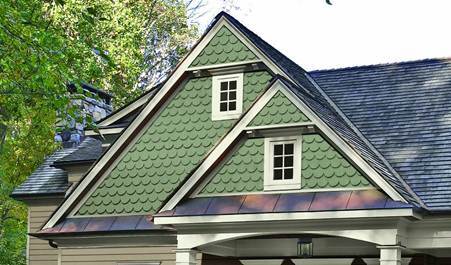
Scallop siding, sometimes called half-round siding, features rounded or curved edges that look like fish scales or waves that create a decorative pattern across the wall. The distinctive shape adds texture, visual interest, and a decorative quality that stands out from the straight lines of traditional siding.
Because of its detailed appearance, scalloped siding is often used selectively rather than across an entire exterior. Common applications include gables, dormers, entryways, porches, and upper sections of a home. Pairing it with a simpler siding profile can create contrast while drawing attention to specific architectural features.
The curved pattern works particularly well with architectural styles that emphasize ornamental or cottage-inspired details, including Victorian, Queen Anne, Cape Cod, cottage, and coastal homes.
When should you choose it?
Choose scallop siding if you want to emphasize an architectural feature or add a decorative finish to a traditional home. If your exterior already includes several competing patterns, using scallops on one small area can provide contrast without making the design feel cluttered.
Best for: Homeowners who want to highlight architectural features with a distinctive, decorative siding profile.
Which Siding Styles Suit Traditional vs. Modern Homes?
.jpeg?width=555&height=660&name=traditional%20vs%20modern%20styles%20(2).jpeg)
Can traditional lap siding look modern?
Absolutely, a traditional siding style can feel contemporary when paired with wider panels, clean trim, simple colors, and modern architectural details.
Can You Mix Different Siding Styles on One House?
Yes, combining siding profiles can create a more customized exterior and add visual interest when each style has a clear purpose. Rather than using the same profile across every wall, homeowners can use different siding styles to highlight architectural features, create contrast, and break up large exterior surfaces.
The key is to make the different profiles work together rather than compete with one another.
Some combinations that work well include:
Horizontal lap and shingles
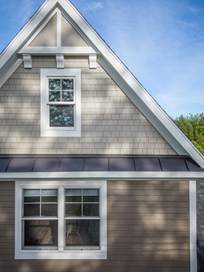
Use lap siding across the main walls and shingles on gables or dormers.
Horizontal lap and board-and-batten
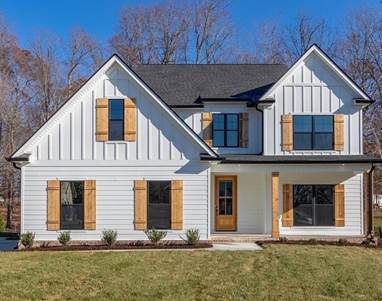
Keep the primary walls horizontal and use vertical siding on selected architectural features.
Board-and-batten and shingles
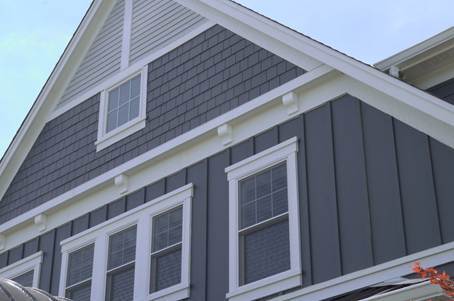
Pair clean architectural panels with warmer textured siding for a balance between contemporary and natural design.
How many siding styles should you use?
In most cases, less is more. Choose one dominant profile and use one or two additional styles as accents.
The goal is to highlight your home's architecture rather than overwhelm it.
How to Choose the Right Siding Profile for Your Home
.jpeg?width=577&height=596&name=How%20to%20Choose%20the%20Right%20Siding%20Style%20for%20Your%20Home%20(1).jpeg)
The right profile depends on the look you want, your home's architectural features, and how much visual detail you want on the exterior.
- For a timeless appearance: Consider horizontal lap siding
- For stronger vertical lines: Compare board-and-batten with simpler vertical panels
- For added texture: Consider shingles or shakes on the main exterior or as accents
- For decorative details: Use scallop siding selectively on small areas like gables or dormers
- For a mixed-profile exterior: Choose one dominant profile and limit accents to areas that naturally stand out
How Should You Choose a Siding Style for Your Home?
The best siding style isn't always the most popular or modern option. It should complement your home's architecture, proportions, and overall exterior design.
Moreover, you can also combine different styles to highlight features. For example, horizontal lap siding can pair with board-and-batten or shingles to add contrast without overwhelming the exterior.
Ultimately, the right siding style should balance appearance, performance, maintenance, and durability. Whether you choose one style or combine several, thoughtful design and proper installation can help your siding complement and protect your home for years to come.
Explore Your Siding Options with Pacific Exteriors

At Pacific Exteriors, we help homeowners make informed decisions about their exterior remodeling projects without unnecessary upselling or pressure. Our team can help you evaluate siding profiles, materials, colors, and design options based on your home's needs and your goals.
Ready to explore siding styles for your home? Contact Pacific Exteriors today to get a free, no-obligation siding estimate and start planning your next exterior project.
Frequently Asked Questions About Siding Styles
What are the most common types of siding styles?
The most common siding styles include horizontal lap, Dutch lap, board-and-batten, vertical panels, shingles and shakes, beaded siding, and scalloped siding. Each profile creates a different visual effect and can complement different architectural styles.
What is the difference between siding material and siding style?
Siding material describes what the product is made from, such as fiber cement, vinyl, wood, engineered wood, or metal. Siding style describes the shape and arrangement of that material on the wall, such as lap, board-and-batten, or shingles.
Which siding style is best for my home?
There is no single siding style that is best for every home. Consider your home's architecture, proportions, existing exterior features, climate, maintenance preferences, and desired appearance when choosing a profile.
Can you combine different siding styles on one house?
Yes. Combining profiles can add visual interest and highlight architectural features. A common approach is to use one primary siding style across most of the exterior and a second profile as an accent on areas such as gables, dormers, or entryways.
What siding styles are popular in the Pacific Northwest?
In Seattle and Portland, popular styles include horizontal lap, shingles and shakes, board-and-batten, and mixed profiles, often reflecting Craftsman and Northwest-inspired architecture.
What siding styles are popular in the Southeast?
In Atlanta and Chattanooga, homeowners often choose horizontal lap, board-and-batten, Dutch lap, and shingle or shake accents, which complement Southern, farmhouse, and contemporary designs.
Is horizontal or vertical siding better?
Neither is universally better. Horizontal siding can emphasize a home's width and works well with many traditional architectural styles, while vertical siding draws the eye upward and can create a taller, more contemporary appearance. The best option depends on your home's design and the overall look you want.
What siding style is best for a modern farmhouse?
Board-and-batten is a popular choice for modern farmhouse exteriors because its strong vertical lines complement the simple, clean proportions associated with the style. Wider horizontal lap siding and combinations of horizontal and vertical profiles can also work well.
What siding style is best for a Craftsman home?
Horizontal lap siding, shingles, and shakes are commonly associated with Craftsman architecture. Combining lap siding with shake accents can add texture while reinforcing the home's architectural character.
Does siding style affect maintenance?
The profile itself is only one factor. Material, finish, installation, and exposure to local weather conditions have a greater influence on maintenance needs. Always consider the maintenance requirements of the specific siding product you are choosing.
Should I choose siding based on current trends?
Trends can provide inspiration, but your home's architecture and long-term preferences should remain the priority. A siding profile that complements your home's proportions and exterior features is more likely to remain appealing over time.
